
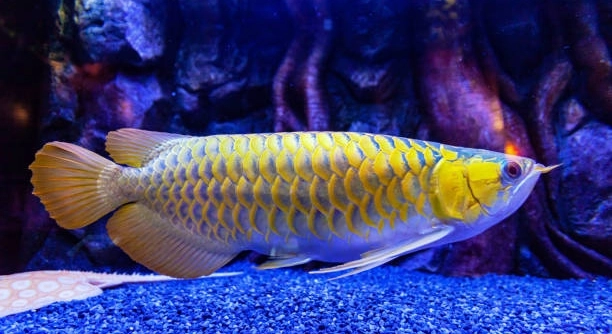
Do you ever wonder what it really takes to care for an Arowana in your home aquarium? Many new owners get excited but quickly face unexpected challenges that come with keeping this exotic fish healthy and happy.
Arowanas require more than just a large tank and clean water; they need carefully regulated temperature, specific diet, adequate space, and attentive monitoring. Many new owners underestimate these requirements, leading to stress, stunted growth, or health issues in the fish.
Learning about their needs early can save time, money, and heartache while helping your Arowana thrive in a safe, suitable environment.
Tank Size Matters
Arowanas are large, active fish that need plenty of space to swim freely. Many new owners underestimate the tank size required, thinking a medium aquarium will suffice. In reality, a fully grown Arowana can reach over two feet in length, and a cramped tank can cause stress, aggression, and poor health. Tanks should ideally be at least 250 gallons with a secure lid, as Arowanas are known to jump. Proper filtration is essential to maintain clean water, as these fish are sensitive to poor conditions. Beyond size, providing hiding spots and open swimming areas helps mimic their natural habitat, encouraging healthy movement and behavior. Overcrowding with other fish can lead to conflict, so careful planning is necessary if you want tankmates. Lighting, water flow, and temperature must also be adjusted according to species, making a large, well-prepared tank critical for long-term success with these majestic fish.
A properly sized tank ensures your Arowana remains active, healthy, and less stressed, supporting natural behavior and growth.
New owners often overlook how quickly Arowanas outgrow small tanks. This mistake can lead to stunted growth and health complications. Upgrading early prevents problems and creates a safe, thriving environment. Planning ahead for size and filtration makes daily maintenance manageable.
Diet and Feeding
Arowanas are carnivorous and require a varied diet to stay healthy.
Feeding only one type of food can cause nutritional deficiencies and health problems. A balanced mix of pellets, frozen foods, and live prey keeps them strong.
Understanding an Arowana’s dietary needs is crucial for growth and vitality. They prefer high-protein foods like shrimp, fish, and insects. While pellets are convenient, relying solely on them can leave gaps in nutrition. Feeding live or frozen prey stimulates natural hunting behaviors and keeps the fish active, which also supports muscle development. Overfeeding is another common issue; Arowanas can become obese, leading to organ stress and swimming difficulties. Offering small portions multiple times a day is better than one large feeding. Some owners notice picky eating habits, which can usually be corrected by varying textures and types of food. Monitoring their diet closely ensures long-term health and prevents sudden illness caused by poor nutrition. With proper feeding routines, your Arowana will grow strong, maintain vibrant colors, and display lively behavior.
Water Quality Requirements
Maintaining clean water is critical for Arowanas. Poor water conditions can quickly lead to disease, stress, and even death. Regular testing of ammonia, nitrite, nitrate, and pH levels is necessary to keep the environment safe and stable.
Arowanas are sensitive to even minor changes in water quality. Frequent partial water changes, ideally 20–30% weekly, help maintain a stable environment. Filtration systems must be strong enough to handle the tank’s size and bioload, removing waste efficiently. Monitoring temperature is equally important; most Arowanas prefer 75–82°F. Sudden fluctuations can weaken their immune system and make them more prone to infections. Proper water management ensures they grow healthy, maintain vibrant colors, and display natural activity levels. A careful, consistent routine reduces the risk of stress-related issues and supports long-term vitality.
Even if the tank looks clean, invisible toxins like ammonia or nitrites can harm your fish. Testing kits and regular maintenance help prevent unseen problems and keep the Arowana thriving.
Behavior and Temperament
Arowanas are territorial and can be aggressive, especially in confined spaces. Understanding their behavior helps prevent conflicts and ensures a calmer tank environment.
Aggression is natural for these fish, and new owners often misjudge how to manage it. Providing ample swimming space and avoiding overcrowding reduces fights. Some Arowanas will nip at tankmates or jump if startled. They respond to a consistent routine and can recognize feeding times. Observing their body language, such as flaring fins or rapid movements, indicates stress or irritation. Adding floating decorations or hiding spots gives them security without limiting swimming areas. Interactions with other fish must be carefully planned to minimize aggression. Understanding these behavioral patterns makes daily care more predictable and safer for both the Arowana and other tank inhabitants.
Tank Decorations and Setup
Arowanas need open swimming areas more than heavy decorations. Simple setups with some floating plants or smooth hiding spots work best, avoiding sharp objects that could injure them.
Overcrowding the tank with ornaments limits movement and can stress the fish. Minimal decorations maintain both safety and a natural feel for the Arowana.
Lighting and Temperature
Consistent lighting supports normal behavior and helps maintain a stable day-night cycle. Too bright or fluctuating light can stress Arowanas and affect their appetite. Adjust lighting gradually and use a timer if possible to create a reliable routine.
Temperature stability is crucial. Sudden drops or spikes weaken their immune system and increase susceptibility to illness. Use a reliable heater and monitor daily. Ideal temperatures usually range between 75–82°F, depending on species. Keeping water within this range ensures proper metabolism, digestion, and activity. Proper control of lighting and temperature contributes significantly to long-term health and reduces stress-related behavior.
Common Health Issues
Arowanas are prone to infections, parasites, and swim bladder problems if care standards slip. Early detection and treatment are essential to prevent severe complications.
FAQ
How often should I feed my Arowana?
Feeding frequency depends on the fish’s age and size. Juvenile Arowanas should be fed two to three times daily in small portions. Adults only need feeding once daily or every other day. Overfeeding can cause obesity, digestive problems, and water pollution, so portion control is essential.
What is the ideal tank temperature for an Arowana?
Arowanas thrive in water temperatures between 75–82°F. Sudden fluctuations can stress the fish and increase the risk of illness. Using a reliable heater and thermometer helps maintain a stable environment, ensuring consistent growth, appetite, and activity levels.
Can Arowanas live with other fish?
Arowanas are territorial and aggressive, especially in confined spaces. Tankmates must be chosen carefully, typically larger, robust species that can tolerate occasional nips. Avoid small, slow-moving, or long-finned fish. Providing plenty of swimming space and hiding spots reduces aggression and stress for all inhabitants.
How big should my Arowana tank be?
Adult Arowanas need a minimum of 250 gallons, with longer tanks preferred over taller ones. They are active swimmers, and insufficient space can lead to stress, stunted growth, and injury. A secure lid is essential because they are strong jumpers.
What foods are best for Arowanas?
A varied diet is critical. High-protein pellets, frozen or live fish, shrimp, and insects provide balanced nutrition. Avoid feeding only one type of food. Live or frozen prey encourages natural hunting behavior, keeps muscles active, and supports overall health and coloration.
How often should I change the water?
Weekly partial water changes of 20–30% are recommended. This removes waste, toxins, and excess nutrients while keeping the tank stable. Clean water is vital for preventing disease and maintaining vibrant coloration. Strong filtration combined with regular water changes creates a healthy environment.
What are signs of illness in Arowanas?
Common symptoms include loss of appetite, lethargy, abnormal swimming, clamped fins, or discoloration. Rapid breathing or visible spots may indicate infection or parasites. Early detection is key; quarantine and treatment should be applied immediately to prevent disease spread.
Can Arowanas jump out of the tank?
Yes, they are strong jumpers, especially when startled. Always use a tightly fitting lid to prevent accidents. Floating decorations should be stable to avoid sudden disturbances that might trigger jumping behavior. Proper tank setup reduces stress and minimizes risks.
How do I manage aggression in my Arowana?
Aggression often stems from overcrowding or lack of territory. Providing ample swimming space, minimal tankmates, and visual barriers helps. Observing body language like flared fins or rapid lunges allows you to adjust tank setup or separate fish if necessary.
What routine maintenance is essential for Arowanas?
Daily feeding checks, temperature monitoring, and observation of behavior are crucial. Weekly water testing, partial water changes, and filter maintenance ensure a stable, healthy environment. Consistent care prevents stress, disease, and long-term complications.
How long do Arowanas live?
With proper care, Arowanas can live 10–15 years or longer. Longevity depends on tank size, water quality, diet, and regular health monitoring. Planning for their full lifespan ensures they remain healthy and vibrant throughout their adult years.
Is it safe to feed live fish to Arowanas?
Yes, but with caution. Live fish provide nutrition and encourage natural hunting, but they may carry parasites or disease. Quarantine or choose frozen alternatives when possible. Diversifying their diet ensures balanced nutrients and reduces the risk of health issues.
Do Arowanas need any special lighting?
Moderate, consistent lighting supports normal behavior and a day-night cycle. Too bright or fluctuating light can stress the fish. Timed lighting helps establish a routine and enhances their natural coloration, contributing to overall well-being.
How can I prevent swim bladder problems?
Avoid overfeeding and maintain high water quality. Feeding small portions multiple times daily rather than one large meal reduces the risk. Monitoring diet, temperature, and tank conditions helps maintain proper buoyancy and prevents digestive issues that affect the swim bladder.
What should I do if my Arowana injures itself?
Minor injuries from tank decor or jumping should be isolated in a quarantine tank if infection risk is high. Clean water, antiseptic treatments, and close monitoring encourage healing. Prompt attention prevents complications and ensures recovery without long-term health effects.
Are Arowanas sensitive to water pH?
Yes, they prefer slightly acidic to neutral water, around 6.5–7.5. Sudden changes in pH can stress the fish and affect metabolism. Regular testing and gradual adjustments maintain a stable environment, supporting digestion, immunity, and overall health.
Can Arowanas recognize their owners?
They can learn feeding patterns and may respond to your presence. While not affectionate in a traditional sense, they are observant and can show excitement when food is offered. Consistency in care builds trust and predictable behavior.
How do I introduce a new fish to an Arowana tank?
Quarantine new fish for 2–3 weeks to prevent disease transmission. Introduce them gradually in a large tank with plenty of hiding spaces. Monitor interactions closely to reduce aggression and stress. Avoid overcrowding, as territorial behavior can escalate quickly.
Is it normal for Arowanas to be picky eaters?
Yes, some individuals prefer certain foods. Rotating types of protein and textures encourages balanced nutrition. Patience is important, as forcing food can cause stress. Maintaining variety and observation ensures proper growth and overall health.
What equipment is essential for keeping an Arowana?
A large, secure tank, high-capacity filter, heater, thermometer, water testing kits, and strong lighting are necessary. Optional items include floating plants or hiding spots for security. Regular maintenance tools like nets and siphons make care easier and safer for both fish and owner.
How can I tell if my Arowana is stressed?
Signs include hiding, erratic swimming, loss of appetite, clamped fins, or color fading. Stress often results from poor water quality, small tanks, sudden changes, or aggressive tankmates. Promptly addressing these issues restores comfort and prevents illness.
Can Arowanas live indoors long-term?
Yes, with proper planning. Indoor tanks must meet size, water quality, temperature, and lighting requirements. Adequate filtration, regular maintenance, and careful monitoring ensure they remain healthy, active, and visually striking throughout their lifespan indoors.
What is the best way to clean an Arowana tank?
Partial water changes, filter maintenance, and removal of uneaten food are essential. Avoid full water replacements, which stress the fish. Consistent cleaning prevents toxins from building up and maintains a healthy environment for growth and vibrant colors.
Are there specific health supplements needed for Arowanas?
High-quality, varied food usually meets nutritional needs. Some owners add vitamins or trace elements if deficiencies are noticed. Over-supplementation can be harmful, so only use products recommended for carnivorous fish after monitoring health.
How often should I test water parameters?
Weekly testing of ammonia, nitrite, nitrate, and pH is ideal. More frequent checks may be necessary during feeding changes, new additions, or illness. Maintaining stable parameters prevents stress and supports long-term health.
Can Arowanas be trained?
They can recognize feeding routines and some hand-feeding cues. Training is limited to repeated exposure and positive reinforcement. Predictable routines reduce stress, encourage appetite, and allow closer observation of behavior and health.
How large do Arowanas grow in captivity?
Depending on species, they can grow 24–36 inches or more. Tank size, diet, and water quality strongly influence growth. Planning for adult size from the beginning ensures proper space, health, and activity levels.
What should I do if my Arowana refuses to eat?
Check water quality, temperature, and stress factors first. Try offering a variety of foods or changing feeding times. Persistent refusal may indicate illness, requiring quarantine, observation, and possibly professional treatment to ensure recovery.
Are Arowanas suitable for beginners?
They are not ideal for beginners due to their size, dietary needs, aggression, and water requirements. Proper preparation, research, and commitment are essential for successful long-term care. Understanding their needs ensures a safe, healthy environment and a rewarding experience for experienced owners.
How can I improve my Arowana’s color?
A balanced, high-protein diet, stable water conditions, and proper lighting enhance natural coloration. Avoid stressors like overcrowding, poor water quality, and sudden changes, as these can dull colors. Consistency in care produces the best results over time.
Can Arowanas reproduce in home tanks?
Breeding is difficult and rare in captivity. They require a very large, stress-free tank, proper diet, and compatible pairs. Most home owners keep Arowanas for display rather than breeding due to these challenges.
What is the best way to transport an Arowana?
Use a sturdy, oxygenated container with minimal stress. Maintain water temperature and quality, and avoid sudden movements. Gradual acclimation to a new tank prevents shock and ensures a safe transition.
Do Arowanas need companionship?
They are solitary fish by nature. Tankmates must be chosen carefully if included, but many thrive alone in large, well-maintained aquariums. Solitary living reduces conflict and stress while allowing natural behavior.
How do I handle an emergency with my Arowana?
Have a quarantine tank ready, maintain first-aid supplies, and monitor water parameters closely. Quick action in case of injury, illness, or equipment failure can prevent fatalities. Knowing local aquatic veterinarians is helpful for severe emergencies.
Are Arowanas compatible with community tanks?
Generally, no. Their size, aggression, and predatory behavior make most community setups unsuitable. Only very large, robust species may coexist under careful planning. Space, hiding spots, and monitoring are crucial if attempting a mixed tank.
How much maintenance does an Arowana tank require?
Daily feeding checks, water temperature monitoring, and observation are necessary. Weekly partial water changes, water testing, and filter cleaning keep conditions stable. Long-term health depends on consistent care and attention to detail.
What happens if water quality is neglected?
Ammonia, nitrite, and nitrate levels can rise, causing stress, illness, or death. Poor water quality also affects appetite, growth, and coloration. Regular maintenance prevents these issues and ensures a healthy, thriving Arowana.
Can Arowanas adapt to different water types?
They prefer slightly acidic to neutral water. Gradual acclimation is possible, but sudden changes can stress or harm them. Maintaining stable parameters ensures long-term health and reduces susceptibility to disease.
Are there seasonal care considerations?
Yes, temperature may fluctuate with seasons. Heaters, insulation, or lighting adjustments may be necessary to maintain stable conditions. Consistency prevents stress and keeps metabolism, feeding, and activity levels optimal throughout the year.
How do I prevent my Arowana from jumping?
A secure lid, stable decorations, and a calm environment reduce jumping. Avoid tapping the glass or sudden disturbances. Providing a proper-sized tank with open swimming areas keeps them comfortable and minimizes escape attempts.
What is the most common mistake new owners make?
Underestimating size requirements, dietary needs, and water quality are frequent mistakes. These lead to stress, illness, and stunted growth. Proper research and planning before purchase prevent long-term problems and ensure the fish thrives.
Can Arowanas recognize feeding cues?
Yes, they learn patterns and may react to movement or routine. This recognition helps in monitoring health and behavior, making feeding predictable and less stressful for the fish.
How do I handle aggressive behavior during feeding?
Feed in multiple locations or separate aggressive individuals temporarily. Ensuring adequate food portions and reducing overcrowding helps minimize fights and stress. Observing feeding patterns allows adjustment to maintain harmony in the tank.
Are Arowanas sensitive to noise or vibrations?
Yes, sudden loud noises or vibrations can startle them, causing jumping or stress. Placing the tank in a quiet, stable area helps maintain calm behavior and reduces risk of injury.
Can I use tap water for my Arowana tank?
Tap water can be used if properly treated to remove chlorine, chloramines, and heavy metals. Conditioning and testing are necessary to prevent stress and maintain safe, stable water parameters for long-term health.
How long should I quarantine new fish?
Two to three weeks is standard. Quarantine prevents disease transmission and allows observation for illness or parasites. Proper quarantine protects both the Arowana and other tank inhabitants from potential health issues.
Do Arowanas require special supplements for breeding?
Yes, if attempting breeding, vitamins, trace elements, and high-protein diets may support reproductive health. However, most home owners focus on keeping them healthy and vibrant rather than breeding.
Is tank depth important for Arowanas?
Moderate depth is sufficient; length is more critical than depth. They need horizontal swimming space. Deep, narrow tanks limit activity and can increase stress. Horizontal swimming areas support natural movement, growth, and overall health.
What is the best way to acclimate a new Arowana?
Float the bag in the tank to equalize temperature. Gradually mix tank water over 30–60 minutes to avoid shock. Slow acclimation ensures a smooth transition and reduces stress or health complications.
Can Arowanas tolerate cooler water?
They are tropical fish and do not tolerate prolonged cool temperatures. Lower temperatures reduce metabolism, suppress appetite, and increase susceptibility to disease. Maintaining consistent warmth is essential for proper growth and vitality.
How important is tank location?
A quiet, stable area away from direct sunlight, drafts, or frequent movement is ideal. Stability reduces stress, prevents temperature swings, and helps the fish feel secure in its environment.
Do Arowanas need daily observation?
Yes, daily checks allow early detection of illness, aggression, or water issues. Consistent observation helps maintain health, identify problems early, and ensure long-term care success.
Can Arowanas tolerate different water hardness?
They prefer soft to moderately hard water. Sudden changes in hardness can stress the fish, affecting growth and immune function. Gradual adjustments are necessary if water parameters differ from their natural preference.
How do I deal with algae in an Arowana tank?
Control light exposure, clean surfaces, and manage nutrient levels through proper feeding and maintenance. Algae can reduce oxygen and water quality if left unchecked, indirectly affecting Arowana health.
Are Arowanas prone to specific parasites?
Yes, they can develop external parasites like ich or internal worms. Quarantine new fish, maintain clean water, and monitor behavior for early signs to prevent infestations and maintain health.
Do Arowanas need any social interaction?
They are largely solitary and do not require companionship. Interaction is limited to feeding routines and observing behavior. Keeping them alone in a properly sized tank often results in a calmer, healthier fish.
What is the best way to transport water during moves?
Use clean, aerated containers and maintain temperature stability. Gradual acclimation to new tank conditions prevents shock and stress. Minimizing turbulence and sudden changes reduces risk of illness.
How do I monitor growth effectively?
Regular observation and noting length, weight, and behavior help track development. Ensure tank size, diet, and water quality meet requirements for proper growth over time.
Can Arowanas survive without a heater?
Only in consistently warm climates. Temperature fluctuations can slow metabolism, reduce immunity, and increase risk of illness. A reliable heater ensures stable, suitable conditions for long-term health.
Are there signs of boredom in Arowanas?
Yes, repetitive swimming patterns, lethargy, or disinterest in food indicate boredom or stress. Providing space, enrichment, and a stable routine helps maintain mental and physical stimulation.
What is the recommended filtration type?
High-capacity canister or sump filters are ideal. They remove waste efficiently, maintain water clarity, and support stable parameters. Adequate filtration is crucial for large, messy, and active Arowanas.
How do I prevent fin damage?
Avoid sharp decorations and aggressive tankmates. Monitor interactions and maintain water quality. Healthy fins indicate good overall health and reduce the risk of infections or injuries.
Are Arowanas sensitive to medication?
Yes, they can react strongly to medications. Dosages must be precise, and water quality should be monitored during treatment. Overdosing or improper use can be fatal. Consulting a professional is recommended.
Can Arowanas recognize tankmates?
They notice movement and presence but do not form social bonds. Recognizing patterns helps reduce stress and allows better management of aggression in shared tanks.
Do Arowanas need aeration?
Yes, especially in large or heavily stocked tanks. Proper oxygen levels support metabolism, digestion, and overall health. Aeration also reduces stress and prevents low-oxygen conditions during feeding or high temperatures.
What is the best way to handle emergencies with water quality?
Have spare clean, conditioned water, emergency aeration, and a quarantine tank ready. Rapid action prevents fatalities and maintains stability until permanent fixes are applied.
Are Arowanas picky about tank water flow?
They prefer moderate flow. Strong currents can tire them, while stagnant water increases waste buildup. Adjust filtration output to create a gentle, steady circulation that supports comfort and health.
How do I know if my Arowana is stressed from overcrowding?
Signs include aggression, hiding, rapid gill movement, or loss of appetite. Overcrowding leads to constant competition and poor water quality. Adjust tankmates or increase space to reduce stress.
Do Arowanas need UV sterilizers?
Optional, but helpful. UV sterilizers reduce pathogens and algae, improving water quality and lowering disease risk. They are not strictly necessary with good filtration and regular maintenance.
Can Arowanas survive in low-light tanks?
Low-light conditions reduce natural behavior and may dull coloration. Moderate, consistent lighting enhances activity, feeding, and overall well-being while maintaining a stable day-night cycle.
Are Arowanas compatible with smaller aquariums temporarily?
Short-term holding is possible, but prolonged confinement stresses the fish. Rapid growth and active swimming make small tanks unsuitable for long-term care. Plan for a large, permanent setup.
What is the best approach to introduce new decorations?
Gradually add them while monitoring behavior. Ensure no sharp edges or unstable placement. Sudden changes can stress the fish or cause injury.
Do Arowanas require sand or gravel substrate?
They are not picky, but smooth substrates reduce injury risk. Sharp gravel can damage fins and scales. Bare-bottom tanks simplify cleaning while providing safe swimming space.
Can Arowanas survive with fluctuating temperatures?
Short-term fluctuations may be tolerated, but prolonged or frequent changes stress the fish, weaken immunity, and increase disease risk.
Caring for an Arowana is not as simple as filling a tank with water and adding food. These fish are large, active, and require specific conditions to thrive. Many new owners underestimate how much space, filtration, and maintenance they need. Proper tank size is essential to allow swimming and reduce stress, while a secure lid prevents jumping accidents. Water quality must be monitored closely, including temperature, pH, ammonia, nitrite, and nitrate levels. Regular partial water changes and a strong filtration system are necessary to maintain a clean, healthy environment. Arowanas are sensitive to changes in their surroundings, so consistency in tank conditions and routine care is key to preventing illness or behavioral issues.
Feeding an Arowana requires careful planning and attention to detail. They are carnivorous and need a varied diet to stay healthy. High-protein pellets, live or frozen fish, shrimp, and insects provide essential nutrients and support muscle development and coloration. Overfeeding can lead to obesity, digestive problems, and poor water quality, while underfeeding may cause stunted growth and malnutrition. Feeding small portions multiple times a day for younger fish, and adjusting frequency for adults, helps maintain their health. Observing their eating habits can also help detect early signs of illness or stress. Proper diet, combined with a stable, well-maintained tank, ensures the fish grows strong and displays natural, active behavior.
Behavior and temperament are also important considerations for Arowana care. They are naturally territorial and can become aggressive, especially in confined spaces or with incompatible tankmates. Providing sufficient swimming space, minimal decorations that could injure them, and hiding spots helps reduce stress. Observing their body language, like flaring fins or rapid movements, allows owners to anticipate problems and adjust the environment. While they do not require companionship, carefully chosen tankmates may coexist if the tank is large enough and interactions are monitored closely. Understanding their needs, from diet to water quality and behavior, ensures that Arowanas live a long, healthy life while remaining visually striking and active. By keeping a consistent routine and addressing issues promptly, owners can enjoy the rewards of raising these unique, majestic fish.

Hello,
If you enjoy the content that we create, please consider saying a "Thank You!" by leaving a tip.
Every little bit helps us continue crafting quality advice that supports the health, happiness, and well-being of pets around the world, for pets of all shapes, sizes, and species.
We really appreciate the kindness and support that you show us!