
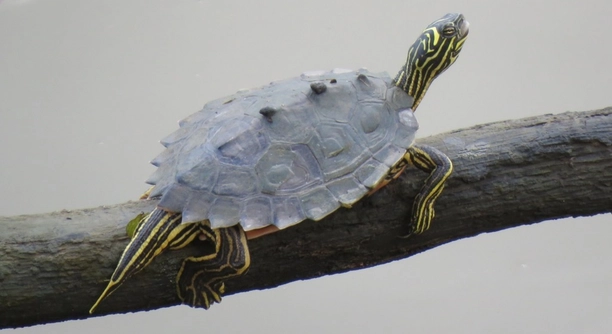
Wild map turtles are fascinating creatures found in freshwater habitats. However, their delicate environment requires careful observation to ensure they aren’t disturbed. Learning how to observe them safely allows for appreciation without causing harm to their natural behaviors.
To safely observe wild map turtles, it is essential to maintain a respectful distance and avoid making loud noises. Ensure that you do not enter their habitats or disrupt their basking or feeding areas. Taking photos from afar without startling the turtles is also recommended.
With the right approach, you can enjoy watching these turtles thrive in their natural surroundings while preserving their safety and well-being.
Understanding Map Turtles’ Habitat
Map turtles thrive in slow-moving rivers, ponds, and marshes, where they can find food, bask in the sun, and hide from predators. These habitats provide them with the warmth and protection they need. Preserving their natural environment is vital for their survival, making it important to avoid disrupting their surroundings when observing them.
Respecting their habitat is crucial. Ensure you are not disturbing the vegetation or the water, as these areas serve as both food sources and protection. Turtles use the habitat to find food and shelter, so any interference may harm their wellbeing.
When you observe map turtles, it’s essential to keep your distance from their basking spots. Avoid walking near the water’s edge or stepping on sensitive plant life. The disturbance can drive them away from important resources. Staying far enough ensures the turtles feel secure and are not forced to flee, affecting their natural behavior.
The Importance of Quiet Observation
Observing wild map turtles without startling them requires a calm and quiet approach. Sudden noises or movement can cause stress to these turtles, making them retreat quickly. Remaining still and quiet allows you to see them interact with their environment naturally.
Noise pollution from humans can disturb the delicate balance in their ecosystem. It’s essential to stay as quiet as possible to avoid interfering with their natural behaviors. Even small sounds can cause stress, making them more likely to hide and reduce your chances of seeing them in action.
Turtles are sensitive to disturbances, especially during important activities like basking or feeding. Loud noises or sudden movements can cause them to retreat into the water, disrupting their day-to-day habits. If you want to experience their behaviors, keeping quiet helps ensure they remain relaxed and continue with their natural activities. This respectful approach benefits both the turtles and your experience as an observer.
Keeping a Safe Distance
When observing map turtles, it’s essential to maintain a respectful distance. Approaching too closely can make them feel threatened and cause them to flee. This disruption can prevent them from engaging in their natural behaviors.
A good rule of thumb is to stay at least 10 to 15 feet away from the turtles. This distance allows for clear observation without disturbing them. Using binoculars or a camera with a zoom lens can help you view them closely from afar. Staying back ensures the turtles feel safe, allowing you to enjoy their behavior without interference.
Getting too close can stress them out, impacting their feeding and basking habits. Maintaining distance preserves their comfort and ensures a peaceful observation. Patience is key, and observing from a distance will offer you the best chance to watch them in their natural state.
Using the Right Equipment
The right equipment can make observing wild map turtles much easier. A pair of binoculars or a telephoto lens allows you to keep a safe distance while still seeing the turtles up close. Avoid using equipment that might draw attention to you or make loud noises.
A camera with a zoom lens is an excellent choice for capturing moments without disrupting the turtles. These tools let you observe and document their behavior in a way that doesn’t interfere with their natural environment. Choose equipment that helps you remain unobtrusive, maintaining a peaceful distance.
Proper gear is important for both comfort and effectiveness. Having the right equipment ensures you can enjoy watching the turtles while also safeguarding their well-being. The turtles are more likely to stay relaxed when they don’t feel threatened by equipment or people nearby. This approach makes your observation experience more enjoyable for both you and the turtles.
Avoiding Disturbance to the Environment
When observing map turtles, be mindful of the surrounding environment. Stepping on plants or disturbing the water can harm their habitat. Keeping the area intact ensures the turtles have access to the resources they need for survival.
The natural environment provides turtles with food and shelter. By avoiding unnecessary disruption, you help preserve their habitat and ensure they can thrive. Small changes in the environment can impact their behavior and well-being. Staying aware of your actions helps maintain a healthy ecosystem for the turtles.
Observing at the Right Time
Map turtles are most active during certain times of the day. Early mornings and late afternoons are prime for observing their behavior. During these periods, they are more likely to bask on logs or feed along the water’s edge.
Choosing the right time to observe ensures you see them in action without causing unnecessary stress. Turtles are typically less active in the middle of the day when the sun is at its peak. By observing during cooler hours, you also avoid disturbing them when they seek shade or shelter.
Respecting Their Space
Map turtles, like many wild creatures, need their personal space. Getting too close can make them feel threatened and cause them to retreat into the water. It’s important to give them room to move freely without fear.
Keeping a safe distance ensures that you’re not interfering with their natural behavior. Turtles may be basking, feeding, or resting when you observe them, and respecting their space allows them to continue with these activities uninterrupted. Your patience in maintaining space will increase your chances of seeing them naturally interact with their environment.
FAQ
How do I know if I’m too close to a map turtle?
If the turtle retreats into the water as you approach, you are likely too close. Turtles may feel threatened by human presence, and their natural behavior will be disrupted. Maintaining a safe distance is key to observing them without causing stress.
Can I feed wild map turtles?
It’s not recommended to feed wild map turtles. Offering food can disrupt their natural diet and create dependency on humans. It’s better to observe them as they forage in their natural environment. Feeding them can alter their behavior and interfere with their survival skills.
What should I do if a map turtle appears stressed?
If you notice a map turtle showing signs of stress, such as rapidly swimming away or retreating into its shell, give it space and stop observing. These reactions are signs of discomfort, and respecting their boundaries is crucial for their well-being.
Is it safe to photograph map turtles?
Yes, photographing map turtles is safe as long as you use a zoom lens or binoculars from a distance. Avoid getting too close to capture the perfect shot. Using long lenses ensures you can take photos without disturbing the turtle’s behavior or environment.
When is the best time to observe map turtles?
Map turtles are most active during early mornings or late afternoons, especially when basking on logs or feeding. Avoid the middle of the day when they tend to rest. Observing them during their active times ensures you see more natural behavior without disturbing their rest periods.
Can map turtles be dangerous?
Map turtles are generally not dangerous to humans. However, it’s best to avoid handling them, as it can cause stress and injury. These turtles can bite if threatened, but they typically do so only as a defense mechanism. Handling them can also lead to the spread of diseases.
What do map turtles eat?
Map turtles are omnivorous and primarily feed on aquatic plants, insects, small fish, and crustaceans. Their diet depends on the availability of food in their environment. It’s important not to interfere with their feeding process when observing them in the wild.
How can I tell if a map turtle is healthy?
A healthy map turtle will have a smooth, clean shell without cracks or visible injuries. Its skin should appear free of lesions, and it will be active, whether basking, swimming, or foraging. If you notice any abnormalities, it may indicate a problem, and the turtle should be left undisturbed.
How can I find map turtles in the wild?
Look for map turtles in freshwater environments, such as slow-moving rivers, ponds, and marshes. They tend to bask on logs or rocks during the daytime. Focus on areas with dense vegetation and plenty of food sources. Patience is key when trying to locate them in their natural habitat.
What should I bring when observing map turtles?
Bring binoculars or a camera with a zoom lens to observe them from a safe distance. A field guide can help you identify the species and learn more about their behavior. Avoid bringing anything that could cause noise or attract attention, as it might disturb the turtles.
Are map turtles endangered?
Some species of map turtles, such as the Alligator Snapping Turtle, are considered threatened due to habitat loss, pollution, and illegal collection. It’s important to follow ethical practices when observing these turtles and contribute to their conservation by minimizing human impact on their habitats.
What do I do if I find an injured map turtle?
If you find an injured map turtle, contact a local wildlife rehabilitation center or animal rescue group. Handling injured wildlife should be done with care to avoid causing more harm. Never try to care for an injured turtle on your own unless you have proper training and knowledge.
Can I keep a map turtle as a pet?
While it is legal in some places, keeping map turtles as pets requires a lot of responsibility. They need a proper aquatic environment, a balanced diet, and regular care. Before deciding to keep one, research the specific needs of the species and ensure you can provide for them.
Final Thoughts
Observing wild map turtles can be a rewarding experience, offering a glimpse into the natural world. However, it’s essential to approach this activity with respect for the turtles and their environment. By keeping a safe distance and using the right tools, you can enjoy watching them without disturbing their behavior. Turtles are sensitive creatures, and any disruption can cause them to retreat or avoid certain areas altogether. Ensuring you follow ethical practices helps protect their natural habitat and ensures that they can continue living and thriving without interference.
Respecting the environment is just as important as respecting the turtles themselves. While observing them, be mindful of the surrounding ecosystem. Avoid stepping on plants or disturbing the water, as these actions can have lasting effects on the habitat. By maintaining a low profile and staying aware of your surroundings, you can ensure that your presence does not negatively impact the turtles or the larger ecosystem they depend on. The more mindful you are, the more you contribute to preserving their environment for future generations to enjoy.
In the end, observing map turtles is about striking a balance between curiosity and responsibility. It’s not only about learning more about these fascinating creatures but also about ensuring their safety and well-being. With the right approach, you can enjoy the experience while knowing you’re doing your part to protect wildlife. Keep in mind that these turtles are best observed from a distance, and it’s important to let them continue their natural behaviors without interference. As you observe them, remember that the key to successful wildlife observation is respect, patience, and a commitment to preserving the beauty of nature.

Hello,
If you enjoy the content that we create, please consider saying a "Thank You!" by leaving a tip.
Every little bit helps us continue crafting quality advice that supports the health, happiness, and well-being of pets around the world, for pets of all shapes, sizes, and species.
We really appreciate the kindness and support that you show us!