
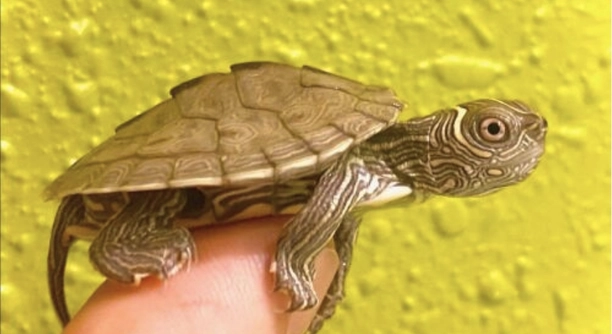
Map turtles are fascinating creatures that require more than just food and water to thrive. Keeping them active and engaged can enhance their health and well-being, but it may seem like a challenge. Luckily, it doesn’t have to be difficult.
To keep your map turtle active and engaged, you must provide a variety of environmental and mental stimulation. Incorporating enrichment activities like swimming opportunities, hiding spots, and interactive toys can encourage movement and curiosity, promoting a healthy lifestyle.
Providing the right conditions for your turtle can make a significant difference in its overall behavior. From setting up the right environment to offering stimulating activities, learn how to keep your map turtle active and happy.
Creating the Right Environment for Your Map Turtle
A well-planned habitat is essential to keeping your map turtle active. Map turtles need both land and water areas to thrive. Ensure that your turtle has a basking spot, as it helps regulate their body temperature. Providing a water area deep enough for swimming allows them to practice natural behaviors. Additionally, the water should be kept clean and filtered to maintain their health.
A UVB light is a must for your turtle’s habitat. Without it, they can suffer from calcium deficiency, affecting their bones and shell. Make sure the light is placed correctly, so your turtle can bask properly and absorb the necessary vitamins. The right water temperature is another factor that influences activity. Keeping it between 75 to 80°F will encourage your turtle to swim and be active.
Without a suitable environment, your turtle may become sluggish and inactive. Creating the perfect space for them promotes a happier, healthier life. Adjusting the lighting, water conditions, and land setup is key to a thriving turtle.
Keep Your Map Turtle Mentally Stimulated
Physical space is important, but so is mental stimulation. Map turtles are naturally curious and require activities that challenge them. Adding a few floating toys or a turtle-safe mirror can spark their curiosity. Rotating these items regularly will keep their environment fresh and interesting.
To keep your turtle engaged, you can also introduce different objects they can move around or interact with. It’s crucial to offer new things now and then, so your turtle remains active and sharp. Try adding some water plants that your turtle can explore.
Offering a Balanced Diet
Map turtles need a diet that promotes both health and activity. Provide a mix of proteins like insects, fish, and shrimp along with plant-based foods such as leafy greens and aquatic plants. Offering a variety of foods helps keep your turtle excited about eating and encourages more movement in their search for food.
A healthy, balanced diet ensures your turtle stays active. If they’re not getting the right nutrition, they may become sluggish and less inclined to move around. You can also add supplements like calcium to prevent shell deformities. Food should be given in moderate amounts to avoid overfeeding, which could lead to inactivity.
Feeding your map turtle at regular times is a good way to establish a routine and ensure they stay active. Use feeding time as an opportunity for them to explore and forage in their tank, encouraging them to move around more. Healthy eating habits play a vital role in keeping your turtle engaged and energetic.
Encourage Swimming and Exploration
Swimming is an essential form of exercise for map turtles. Create a water environment that allows for plenty of space to swim and explore. Having deep water areas encourages your turtle to move around and stay active, which improves their overall health. You can also introduce floating objects for your turtle to explore.
Map turtles are natural swimmers, so providing them with opportunities to practice this behavior is key. You can add ramps or rocks near the water to create obstacles for your turtle to navigate. This encourages physical movement and adds variety to their environment. You might notice your turtle becoming more engaged when they have challenges to overcome.
Proper Lighting and Heat
Map turtles need both proper lighting and heat to stay active. Provide a UVB light for essential vitamin D3 production, and ensure they have a basking area that reaches around 85-90°F. This helps regulate their body temperature, encouraging activity and overall health.
Without proper heat and light, your turtle may become lethargic. The basking area is especially important for them to dry off and warm up. Keep the water temperature between 75-80°F to promote swimming and physical activity. Correct lighting and heat also play a role in digestion and immune system strength.
Enrich Their Habitat
Enriching your map turtle’s habitat is crucial to keeping them engaged. You can add water plants, floating logs, or rocks for them to climb on. This gives them new areas to explore, which encourages movement and curiosity. The more variety in their habitat, the better.
Turtles love to interact with their environment. By offering different textures and places to hide, they feel safer and more comfortable. Adding plants not only helps your turtle’s environment look more natural but also promotes foraging behavior, keeping them active and entertained. The changes you make to their surroundings can provide mental and physical stimulation.
FAQ
How do I know if my map turtle is not active enough?
If your map turtle isn’t moving much, it could be a sign that something’s wrong. A healthy map turtle should spend time swimming, basking, and exploring its habitat. If they seem lethargic, sitting in one spot for long periods or hiding away, it may indicate stress or an environmental issue. Make sure your turtle’s habitat has the proper temperature, lighting, and space to move around. Additionally, check their diet to ensure they are getting enough nutrition. If the inactivity persists, a visit to the vet is a good idea to rule out any health problems.
How can I encourage my map turtle to swim more?
Map turtles are natural swimmers, but they may need some encouragement to swim if they are feeling lazy. A larger water area allows more freedom for swimming. Adding floating objects, like logs or rocks, can make the water more interesting and encourage exploration. You can also try varying the water flow, such as by adding a gentle current, which can spark their curiosity and encourage them to swim more. Keep the water clean and at the right temperature (75-80°F) to ensure your turtle stays active and healthy.
Can I put my map turtle outside to keep them more active?
Yes, you can keep your map turtle outside, but there are a few things to consider. The outdoor environment should be secure to prevent your turtle from escaping or being preyed upon. Make sure the space has access to both land and water, with a safe basking area. Outdoor conditions, including temperature, should be closely monitored, as extreme heat or cold can harm your turtle. You should also ensure that the water is clean and free of harmful chemicals. Bringing them inside during harsh weather is important to avoid stress or illness.
What can I do to make my map turtle’s habitat more engaging?
To make your map turtle’s habitat more engaging, focus on variety and stimulation. Add water plants, rocks, or logs that allow your turtle to climb, bask, and explore. Floating objects or turtle-safe mirrors can create an interactive environment, making them feel more comfortable and curious. Consider rearranging their habitat occasionally to keep things fresh. Adding new items or varying their food also helps keep your turtle active and engaged. The key is to create an environment that offers opportunities for both mental and physical activity.
Do map turtles need social interaction?
Map turtles are solitary creatures and generally do not require constant social interaction. However, they do benefit from occasional interactions with their environment. Having multiple hiding spots, plants, or objects to explore can offer a form of “social” interaction that satisfies their curiosity. Introducing another map turtle can sometimes lead to territorial behavior, so it’s best to keep them alone unless you have a large enough habitat to separate them. Focus on creating a stimulating environment that allows your turtle to thrive without the need for social contact.
How often should I clean my map turtle’s tank to keep it active?
A clean tank is essential for your map turtle’s health and activity. Dirty water can lead to health problems, which could cause lethargy. The frequency of cleaning depends on the size of your tank and whether you have a filtration system. Generally, you should clean the tank thoroughly once every 1-2 weeks. It’s a good idea to change 25-30% of the water each week to keep it fresh and ensure your turtle remains active. Make sure to remove any uneaten food or waste daily to maintain a clean environment.
What are some signs that my map turtle is stressed?
Signs of stress in a map turtle can include hiding, lack of appetite, or excessive basking. If your turtle starts swimming erratically or rubbing its face against objects, it may be stressed. Environmental factors such as temperature, lighting, and water quality could contribute to stress. Check to ensure your turtle’s habitat is clean, the water temperature is correct, and they have adequate basking areas. Stress can also occur if they feel threatened or overcrowded. Reducing stress will encourage your turtle to be more active and engage with its environment.
Is it normal for my map turtle to bask so much?
Yes, basking is normal and essential for map turtles. They bask to regulate their body temperature, which helps in digestion and overall health. Map turtles need access to UVB light, which is vital for vitamin D3 production and calcium absorption. As long as they are not over-basking to the point of dehydration or lethargy, it’s perfectly normal for them to spend a good amount of time basking. Ensure that the basking area is not too hot and that your turtle has access to both land and water.
How can I make feeding time more stimulating for my map turtle?
Feeding time can be a great opportunity to stimulate your map turtle. Rather than just offering food in the same spot, try hiding it in different areas of the tank. You can also use feeding toys or float food to encourage your turtle to swim and search. Changing the type of food you offer will keep things interesting for your turtle, as they can become bored with the same routine. Providing food that encourages movement or foraging can help keep your turtle engaged and active.
How do I ensure my map turtle is getting the right nutrients?
A varied diet is key to ensuring your map turtle gets the right nutrients. Offer a mix of protein-rich foods like insects, fish, and shrimp, as well as plant-based foods like leafy greens and aquatic plants. You can supplement their diet with calcium and vitamin D3 to promote healthy shell growth. Avoid overfeeding and provide food in moderate amounts to encourage natural foraging behavior. If your turtle shows signs of nutritional imbalance, such as soft shells or poor growth, consult a vet for guidance. Regularly assess their diet to ensure they’re getting everything they need.
Final Thoughts
Keeping your map turtle active and engaged requires more than just the basics of feeding and providing water. It involves creating an environment where your turtle can naturally explore, bask, and swim. By making sure their habitat is both physically and mentally stimulating, your turtle will remain healthy and active. Whether it’s adding new objects, adjusting their lighting, or offering a variety of foods, these small changes can make a big difference in their behavior and overall well-being.
Regular care, like maintaining the right temperature, lighting, and water quality, is essential for their health. An active map turtle is a happy one, and ensuring that they have the proper conditions to thrive is key to keeping them engaged. If you notice your turtle becoming less active or exhibiting signs of stress, it’s important to evaluate their environment and diet to see if adjustments are needed. Sometimes, just switching things up a bit can bring out their curiosity and energy.
Overall, a map turtle’s activity level reflects the quality of its environment and care. By paying attention to their needs and making sure they have opportunities to explore and stay physically active, you’re giving them the best chance at a long and healthy life. Taking the time to properly care for them will not only keep your turtle active but will also strengthen the bond between you and your pet.

Hello,
If you enjoy the content that we create, please consider saying a "Thank You!" by leaving a tip.
Every little bit helps us continue crafting quality advice that supports the health, happiness, and well-being of pets around the world, for pets of all shapes, sizes, and species.
We really appreciate the kindness and support that you show us!