
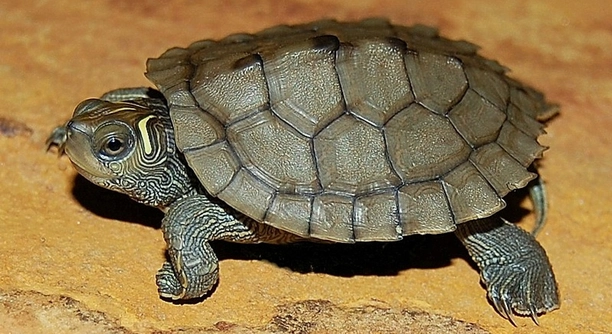
Map turtles are popular reptiles in the pet world, known for their unique markings and calm demeanor. If you’re a proud map turtle owner, you may be curious about how their natural shedding process works.
Map turtles do shed their skin, as all reptiles do, to grow and stay healthy. This process helps them get rid of old skin, allowing for new growth. Typically, they shed in small pieces rather than in large patches.
Understanding how and when your map turtle sheds can help you ensure they are in good health. Keep reading for more details on the process and what you can do to support them.
Why Do Map Turtles Shed?
Map turtles, like all reptiles, shed their skin regularly. This natural process helps them grow, removing old or damaged skin to reveal fresh, healthy layers beneath. The frequency of shedding depends on various factors, including their age, diet, and environmental conditions. Juvenile map turtles may shed more frequently as they grow faster, while adults shed less often. It’s essential to provide a suitable environment for your turtle to ensure the shedding process goes smoothly.
While shedding is a normal and necessary part of your turtle’s life, it can sometimes look a little alarming. Don’t worry if you notice pieces of skin around their tank or the appearance of peeling skin. This is completely natural.
You may notice that your map turtle sheds in small patches rather than large pieces. Unlike snakes, which shed in one large piece, map turtles shed incrementally. A healthy turtle will shed regularly, so don’t be alarmed if it happens a few times a year. Providing a clean, humid environment helps your turtle shed without discomfort. If you see any signs of trouble, such as a stuck shed, gently help your turtle by increasing the humidity levels and providing some assistance.
How Can You Help Your Map Turtle Shed Properly?
Humidity plays a crucial role in the shedding process.
Map turtles shed more easily when they are in an environment with the right humidity levels. Ensure the tank has a proper humidity range, typically between 50-70%. Adding a humidity box or providing misting can assist in this. Regularly clean the tank to avoid old skin buildup, as stuck sheds can cause discomfort.
When Do Map Turtles Shed?
Map turtles shed most often in spring and summer when they are more active. This is because they are growing and their metabolism is higher during these warmer months. You may notice them shedding more frequently during their growth stages as they develop into adults.
Shedding can also be influenced by other factors, such as diet and lighting. If your turtle isn’t getting enough UVB light, it can cause irregular shedding patterns. A proper diet rich in calcium and vitamins can also promote healthy shedding. If your turtle is young, expect more frequent shedding as their growth rate increases.
Adult map turtles shed less often than juveniles but still undergo the process throughout their lives. When an adult map turtle sheds, it’s often in smaller, more subtle pieces. It’s still important to monitor their shedding, as issues with shedding can be a sign of poor health or environmental stress.
Signs of an Unhealthy Shed
An unhealthy shed can lead to skin problems. If your map turtle has areas of retained skin or it appears dry and cracked, something might be off with their shedding process. Look for signs of abnormal skin or difficulty shedding.
Stuck or retained skin is a common issue, especially if the humidity is too low. This can cause irritation and discomfort for your turtle. If the retained skin is not dealt with, it could result in infection or other health issues. To help your turtle shed properly, increase humidity in the tank and consider providing a soaking area. Regular baths can also assist in loosening up the old skin.
If the problem persists, consult a vet who can help guide you in resolving the issue and ensuring your turtle sheds smoothly in the future.
Common Shedding Issues in Map Turtles
One common problem map turtles face is shedding that doesn’t happen smoothly. Sometimes, they may struggle to get rid of old skin properly. This can lead to uncomfortable conditions, such as skin irritation or even infections.
The most common reason for this issue is insufficient humidity. If your turtle’s tank is too dry, the skin may become tough and hard to shed. On top of that, a poor diet lacking essential vitamins or calcium can also affect how well the shedding process works. Always ensure your turtle’s environment has the right temperature and humidity levels to promote smooth shedding.
How to Assist Your Map Turtle During Shedding
If your map turtle is struggling with shedding, you can help by creating a more humid environment. A humidity box or frequent misting can help loosen up the skin. Sometimes, soaking your turtle in warm water can assist the shedding process.
If you notice stubborn or stuck skin, gently help them by offering baths or moistening the skin. Never force the shed off, as it can cause harm. Consistently monitoring their habitat and diet ensures that they remain comfortable throughout the shedding cycle.
When to Seek Professional Help
If your turtle continues to have difficulty shedding or if you notice abnormal skin growth, it’s a good idea to seek help from a vet. A vet can help determine the cause of the problem and offer a treatment plan tailored to your turtle’s needs.
FAQ
Do map turtles shed in one large piece like snakes?
No, map turtles shed in smaller pieces. Unlike snakes, which shed their skin in a single large piece, map turtles shed incrementally. The shedding is usually gradual, with small patches of old skin coming off over time. You may notice bits of skin in their tank or floating in the water, which is completely normal. A healthy turtle will shed in this way, with no need for concern unless the shedding becomes irregular or problematic.
How often do map turtles shed?
Map turtles typically shed a few times a year, with younger turtles shedding more frequently as they grow. In the warmer months, like spring and summer, shedding is more common due to increased activity and growth. Adult map turtles may shed less often but still go through the process several times throughout their life. It’s important to monitor your turtle’s skin to ensure they are shedding properly and that their habitat conditions are right.
Can shedding be a sign of illness in map turtles?
Shedding in itself is not a sign of illness, but problems with shedding can indicate health issues. For example, if a turtle is unable to shed properly or has retained skin, it may be due to low humidity, dehydration, or a poor diet. In rare cases, if shedding is irregular or the skin appears unhealthy, it could indicate a more serious underlying issue like an infection or metabolic disorder. If you’re unsure, it’s always best to consult a vet to make sure your turtle is healthy.
What temperature and humidity are best for map turtles during shedding?
Map turtles thrive in temperatures between 75-80°F (24-27°C) during the day and slightly cooler at night. Humidity is essential to a healthy shedding process. Ideal humidity levels range from 50% to 70%. If the humidity is too low, the skin may become too dry, causing difficulty shedding. To maintain the right humidity, you can mist the enclosure daily or place a humidity box inside the tank. Make sure the area is also well-ventilated to avoid mold or excessive moisture buildup.
Can map turtles get stuck in their shed?
Yes, map turtles can get stuck in their shed, especially if the humidity levels are too low or they aren’t able to shed properly. This can cause discomfort and potentially lead to skin infections. If you notice your turtle has patches of skin that are not coming off, increase the humidity in the tank. You can also soak your turtle in lukewarm water to help loosen the shed. If the problem persists or seems severe, consult a vet for advice on how to help your turtle.
How can I help my map turtle shed if the skin is stuck?
To assist your map turtle, start by increasing the humidity in the tank. A higher humidity level helps soften the skin, making it easier to shed. You can also soak your turtle in warm water for about 10-15 minutes to help loosen the old skin. If your turtle seems to struggle, gently help remove the stuck shed by rubbing it off with a soft cloth or cotton ball. Avoid using force, as this could harm the skin. If the problem persists, it’s a good idea to visit a vet.
What should I do if my map turtle’s skin looks abnormal?
If your map turtle’s skin looks abnormal, such as being discolored, cracked, or overly dry, it may indicate a health issue. First, check the humidity and temperature in the tank to make sure the environment is suitable. A diet lacking in calcium and essential vitamins can also affect skin health. If you notice swelling, sores, or a lack of proper shedding, it’s important to take your turtle to a vet. These could be signs of infections or other health conditions that need professional attention.
Is it normal for map turtles to shed more in the summer?
Yes, it is normal for map turtles to shed more frequently during the warmer months, particularly in spring and summer. This is because they are more active and growing faster during these seasons. The increase in temperature can also boost their metabolism, leading to more frequent shedding. Make sure to monitor their habitat, keeping the right temperature and humidity levels to support the shedding process. Ensure your turtle is eating a balanced diet to help with growth and shedding.
How long does the shedding process take for map turtles?
The shedding process for map turtles can take anywhere from a few days to a week, depending on the turtle’s age and environmental conditions. Younger turtles tend to shed more frequently, and the process may be faster. For adult map turtles, shedding may occur more slowly, with small patches of skin coming off at a time. If your turtle is having trouble shedding or it seems to take longer than usual, it could be due to low humidity, dehydration, or other health issues.
Can I help my map turtle shed by giving it a bath?
Yes, giving your map turtle a warm bath can help loosen and remove old skin. Fill a shallow container with lukewarm water and place your turtle inside for about 10-15 minutes. Gently rub the skin with a soft cloth or cotton ball to help remove any stuck patches. This can be especially helpful if the turtle is having trouble shedding. Just be sure not to use hot water or soak them for too long, as it could stress them out or cause dehydration.
Final Thoughts
Map turtles, like all reptiles, go through a natural shedding process to help them grow and stay healthy. Shedding is a normal part of their life cycle and occurs several times a year. Younger turtles typically shed more often as they grow, while adults may shed less frequently. While shedding itself is not a cause for concern, it’s important to monitor your turtle’s skin to make sure the process is going smoothly. Providing the right environment, including proper humidity and temperature levels, is essential for healthy shedding.
If your map turtle is having trouble shedding or you notice patches of retained skin, it’s usually a sign that something in their environment needs adjusting. Low humidity, an improper diet, or insufficient UVB light can affect the shedding process. Increasing humidity, soaking your turtle in warm water, and maintaining a balanced diet can help your turtle shed properly. If the problem continues, you may want to consult a vet to rule out any underlying health issues.
In conclusion, understanding how and when your map turtle sheds is key to ensuring its health and comfort. While shedding is a routine part of their life, taking the necessary steps to support your turtle can make the process smoother and less stressful for both you and your pet. By creating the right habitat, monitoring their diet, and staying alert to any signs of discomfort, you can help your map turtle thrive and enjoy its natural shedding process.

Hello,
If you enjoy the content that we create, please consider saying a "Thank You!" by leaving a tip.
Every little bit helps us continue crafting quality advice that supports the health, happiness, and well-being of pets around the world, for pets of all shapes, sizes, and species.
We really appreciate the kindness and support that you show us!