
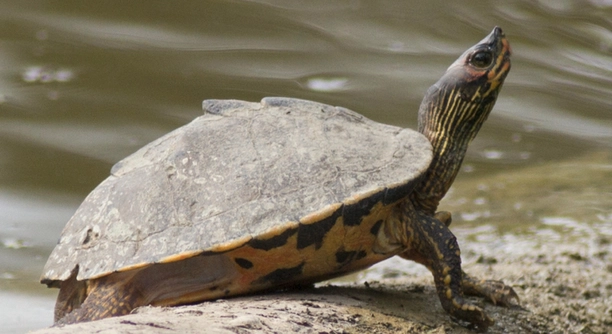
Maintaining a clean and clear tank for your Indian Roofed Tortoise is essential for their health. It also makes the tank more pleasant to look at. Knowing how to manage tank water is key for a happy tortoise.
To keep your Indian Roofed Tortoise’s tank water crystal clear, regular cleaning, proper filtration, and the right water conditions are necessary. Avoid overfeeding, and change the water frequently to prevent bacteria buildup and cloudy water.
By understanding simple cleaning techniques and using the right equipment, your tortoise’s home will stay fresh and clear. Keeping your pet’s environment clean benefits both their well-being and the appearance of their tank.
Water Filtration Systems
Having the right filtration system is essential for maintaining clear water. A good filter will remove debris, food particles, and waste, all of which contribute to cloudy water. Filters come in various types, including internal and external models, and can be chosen based on the size of your tank. It’s important to choose a filter with a capacity suited to your tank size to ensure efficient cleaning. Over time, the filter media will need to be cleaned or replaced to maintain its performance.
A properly functioning filter helps remove impurities and improves water quality. This makes it easier to manage the tank and keep the water clean for your tortoise.
Regularly check the filter to ensure it is working well and not clogged. If your tank has a high water load, you may need a stronger filter to keep up. Keep an eye on the water’s clarity, and if it’s not as clear as expected, it could indicate that the filter needs maintenance or an upgrade.
Water Changes and Cleaning Routine
Frequent water changes are vital for maintaining water quality. Doing a 25-30% water change every week ensures that waste and toxins are removed before they build up. It’s essential to clean your tank thoroughly, including the decorations, substrate, and any equipment that comes into contact with the water. Make sure to use a siphon to remove dirt from the bottom of the tank.
If you neglect water changes, algae and bacteria will start to develop, making the water murky. Always use dechlorinated water to fill the tank back up. Be sure to clean the water change tools regularly to avoid introducing new contaminants. Consistent water changes will help maintain the clarity of your tank’s water.
Proper Tank Setup
Your tank setup plays a big role in keeping the water clean. Make sure your tank has a good substrate, such as gravel or sand, that doesn’t trap waste. Use decorations sparingly, as too many can make cleaning difficult. Set up the tank in a spot with minimal light to help control algae growth.
Choose materials for your tank setup that are easy to clean and won’t trap debris. For example, avoid porous rocks or heavy ornaments that can hold onto food and waste. Make sure the substrate is not too deep. Shallow layers are easier to clean and won’t trap excess organic matter.
Check the water temperature regularly, as higher temperatures can lead to bacterial growth and affect water clarity. A good setup allows for better water flow, helping the filter work more efficiently. Keep decorations simple and easy to maintain, so you don’t end up creating more work for yourself.
Avoid Overfeeding
Feeding your tortoise properly helps prevent excess waste in the water. Overfeeding leads to uneaten food breaking down and creating debris. Only offer as much food as your tortoise can eat within 15-20 minutes. This ensures that leftover food doesn’t pollute the water.
It’s tempting to give your tortoise extra treats, but too much food can cause water clarity problems. Waste from uneaten food can decay, making the water cloudy and attracting bacteria. Keep feeding portions small and remove any leftovers to maintain water quality. If you notice uneaten food, adjust the amount accordingly.
A balanced diet is crucial for their health as well. Stick to the recommended food amounts based on your tortoise’s age and size. Offering a variety of greens and some protein is good, but remember that moderation is key. Reducing overfeeding can also help prevent other health issues for your pet.
Use a UVB Light
UVB light is essential for your tortoise’s health and helps maintain clean water. It supports their metabolism and helps prevent the growth of harmful bacteria. Make sure to have a good UVB light over your tank, and replace the bulb as recommended to maintain its effectiveness.
UVB lights also help keep algae growth under control by providing a balanced light cycle. Too much light can lead to an overgrowth of algae, which clouds the water. Set the UVB light on a timer to provide 10-12 hours of light each day to mimic natural conditions.
Keep the Tank Away from Direct Sunlight
Placing your tortoise’s tank in direct sunlight encourages algae growth, leading to murky water. It’s best to place the tank in a spot that gets indirect light. This helps keep the water clear and reduces the need for constant cleaning.
Too much sunlight increases the water temperature, which can cause bacteria to thrive. Maintaining a stable and moderate temperature is important for your tortoise’s well-being. Choose a location with consistent lighting but no direct sun exposure to avoid these issues.
FAQ
How often should I clean my Indian Roofed Tortoise’s tank?
Cleaning your tortoise’s tank should be done regularly. You should perform a partial water change of about 25-30% every week to keep the water fresh and clear. Full tank cleanings, including cleaning the substrate and decorations, should be done every 4-6 weeks. Make sure to remove any debris or uneaten food daily to avoid water contamination. This routine helps maintain a healthy environment for your tortoise and reduces the buildup of bacteria or algae.
Can I use tap water for my tortoise’s tank?
Tap water can be used, but it’s important to dechlorinate it first. Chlorine and other chemicals in tap water can harm your tortoise. You can use a water conditioner or let the water sit for 24-48 hours to allow the chlorine to evaporate. Always check the water’s temperature before adding it to the tank, as cold or hot water can stress your tortoise. Using dechlorinated water helps ensure a safe and clean environment.
What type of filter should I use for my tortoise’s tank?
For an Indian Roofed Tortoise tank, an external canister filter or a hang-on-back filter is recommended. These filters offer better water circulation and are more efficient at removing debris, waste, and food particles. The filter you choose should be rated for a tank size larger than your actual tank to ensure proper filtration. Additionally, ensure you clean the filter media regularly to maintain its efficiency.
Why is the water cloudy even after I change it?
Cloudy water can happen for several reasons. One common cause is overfeeding, where uneaten food decays and clouds the water. Another reason could be an insufficient or dirty filter, which isn’t effectively removing waste. Also, cloudy water may indicate a bacterial bloom, which is common in newly established tanks. To resolve this, remove uneaten food, check your filter, and ensure your tank is cleaned regularly. It may take a few days for the water to clear up, but consistency is key.
How can I prevent algae growth in my tortoise’s tank?
Algae growth is usually caused by excess light and organic matter in the water. To prevent algae, keep your tank out of direct sunlight, as it can trigger algae blooms. Additionally, reduce the lighting cycle to 10-12 hours per day. Use a UVB light that provides balanced exposure, but avoid leaving the tank under bright light for too long. Keeping the tank clean by removing food waste and debris regularly also helps reduce the nutrients algae feed on.
What temperature should the water in the tank be?
The water temperature should be kept between 75°F and 80°F (24°C – 27°C). A water thermometer is an easy way to monitor the temperature. If the water is too cold, your tortoise could become sluggish, and if it’s too warm, harmful bacteria can thrive. Use a water heater if necessary, and always ensure it’s not set too high to avoid stressing your tortoise.
How do I clean the filter properly?
To clean the filter, turn it off and unplug it. Remove the filter media, such as foam pads or cartridges, and rinse them in a bucket of water taken from the tank to preserve beneficial bacteria. Avoid using tap water, as it may harm the bacteria. If the filter components are particularly dirty, wash them with dechlorinated water. Be sure to clean the impeller and other parts gently with a soft brush. Always refer to the manufacturer’s instructions for the correct cleaning procedure.
Can I use a sponge to clean the tank?
Yes, a sponge can be used to clean the walls of the tank, but make sure it’s a soft one to avoid scratching the glass or acrylic. Avoid using harsh chemicals or soap, as residues can harm your tortoise. Instead, use a sponge dampened with warm, dechlorinated water to gently wipe away any buildup. For stubborn algae, use a scraper specifically designed for aquarium glass, but be cautious not to damage the tank.
Why is my tortoise’s shell not growing properly?
If your tortoise’s shell isn’t growing properly, it may be a sign of an underlying health issue, often linked to poor diet or lack of UVB exposure. A balanced diet rich in calcium and vitamin D3 is essential for healthy shell growth. Without UVB light, your tortoise can’t process calcium properly, leading to soft or stunted shell growth. Ensure your tortoise receives proper UVB lighting and a well-rounded diet with plenty of leafy greens and calcium supplements if necessary.
Is it okay to add other animals to the tank with my tortoise?
It’s generally not recommended to keep other animals in the same tank as your Indian Roofed Tortoise. Tortoises are solitary creatures and can become stressed when sharing their space with other animals. Additionally, some species may not get along, and others may compete for food or territory. If you want to add other animals, make sure they are compatible with your tortoise and that their needs align, including their water, light, and temperature requirements.
How do I know if the water quality is safe for my tortoise?
You can test your tank’s water quality using aquarium water test kits to measure ammonia, nitrites, nitrates, and pH levels. The ammonia and nitrite levels should always be at 0 ppm (parts per million), and nitrates should be below 40 ppm. The pH should be neutral, between 6.5 and 7.5. Regular water testing helps you ensure that the water is safe and free from harmful chemicals that could negatively affect your tortoise.
Final Thoughts
Keeping your Indian Roofed Tortoise’s tank water crystal clear is not only about maintaining the appearance of the tank, but also ensuring the health and well-being of your pet. A clean and clear environment reduces the risk of bacteria, algae, and other harmful organisms that can affect your tortoise. Regular maintenance, such as water changes, proper filtration, and monitoring the tank’s light and temperature, is essential for keeping the water fresh. By following these simple steps, you can create a safe and comfortable living space for your tortoise, ensuring they thrive in their environment.
It’s important to remember that maintaining a clear tank isn’t a one-time task. Consistency is key. Cleaning the tank, replacing water, and checking on the filtration system should be done regularly to prevent any issues from escalating. Keeping the tank in a location away from direct sunlight and avoiding overfeeding will also help minimize the growth of algae and bacteria. Each small action you take will contribute to the long-term health of your tortoise and the clarity of their tank water.
In conclusion, keeping the water in your Indian Roofed Tortoise’s tank clear and healthy is entirely manageable with the right routine. By staying on top of water changes, investing in the right filtration system, and monitoring water conditions, you can ensure a clean, safe habitat for your tortoise. A clean tank not only looks better but also provides a healthier environment for your pet, reducing stress and promoting their overall well-being. With a bit of effort and attention, you can maintain a happy and healthy tortoise in a clear, clean tank.

Hello,
If you enjoy the content that we create, please consider saying a "Thank You!" by leaving a tip.
Every little bit helps us continue crafting quality advice that supports the health, happiness, and well-being of pets around the world, for pets of all shapes, sizes, and species.
We really appreciate the kindness and support that you show us!