
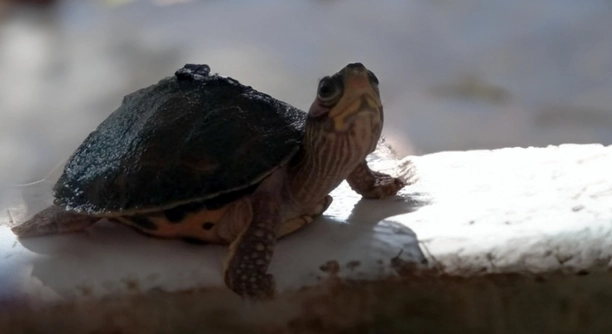
Indian Roofed Tortoises are fascinating creatures with unique characteristics, including their shell growth. Their shells play an important role in their survival, and understanding how they grow can help ensure their health.
The growth of an Indian Roofed Tortoise’s shell is influenced by factors like diet, environment, and genetics. These tortoises experience a slow, steady growth process, with their shell increasing in size as they age, forming natural layers over time.
The more you understand about their shell growth, the better equipped you will be to care for them. Knowing how different elements affect this process can help ensure they stay healthy and thrive.
Shell Growth Begins Early
The growth of an Indian Roofed Tortoise’s shell starts early in life. As hatchlings, their shells are soft and flexible, offering protection but still in the process of developing strength. Over time, the shell hardens and takes on its distinct shape. Young tortoises grow quickly, but their shell development takes time. The shell’s layers, known as scutes, grow incrementally, expanding as the tortoise matures. These scutes are crucial in providing structure and protecting the tortoise from environmental threats.
At this stage, the tortoise’s shell is constantly growing, forming new layers each year. The thickness and shape of the shell reflect the tortoise’s age and overall health.
Inadequate nutrition or a poor environment can cause irregularities in shell growth. Tortoises require a balanced diet rich in calcium to ensure proper shell development. The growth rate can vary depending on their habitat and diet, with those in captivity needing more attention to these factors.
Factors That Affect Shell Growth
Several factors affect the rate and quality of an Indian Roofed Tortoise’s shell growth. These factors include their diet, exposure to sunlight, and overall health.
Diet plays a key role in supporting the formation of the shell. Tortoises need a diet high in calcium to maintain strong, healthy shells. Inadequate calcium can lead to soft or malformed shells. Sunlight is also vital for vitamin D synthesis, which helps the tortoise absorb calcium effectively. Without access to natural sunlight, a tortoise’s shell may not grow properly. Additionally, genetics determine the potential size and shape of the shell, but environmental factors like diet and habitat quality influence this natural progression. Proper care, including an appropriate diet and access to sunlight, can help ensure healthy shell growth.
Healthy Diet for Shell Development
A healthy diet is crucial for the proper growth of an Indian Roofed Tortoise’s shell. Without proper nutrition, the shell may become weak or malformed. Foods rich in calcium and other essential vitamins should be part of their daily meals.
To ensure strong shell growth, the tortoise’s diet should include leafy greens, vegetables, and some fruits. Calcium-rich foods like dandelion greens, kale, and collard greens are excellent choices. Offering them a variety of these foods ensures they get a well-balanced intake. Additionally, a calcium supplement may be necessary, especially for those kept indoors or in environments where natural sunlight is limited.
Providing a varied diet is key to preventing shell deformities. A lack of essential nutrients can stunt growth or cause soft spots on the shell. It’s also important to avoid overfeeding, as obesity can affect their overall health and shell development. Proper portion sizes will help them maintain a healthy weight while ensuring optimal shell growth.
Importance of Sunlight
Exposure to sunlight is vital for the healthy growth of an Indian Roofed Tortoise’s shell. Natural sunlight helps the tortoise produce vitamin D3, which is needed for calcium absorption.
Without enough sunlight, the tortoise may struggle to properly digest and absorb calcium. This can lead to issues like soft or brittle shells, which compromise the tortoise’s protection. Even if your tortoise is kept indoors, providing access to UVB lighting can help replicate sunlight. If the tortoise spends time outside, make sure they have access to shaded areas so they can regulate their temperature. Overexposure to direct sunlight can lead to overheating or dehydration.
A balanced amount of sun exposure is essential for overall health, and it plays a major role in ensuring strong, resilient shell growth. Proper lighting and temperature regulation are key aspects of maintaining a tortoise’s well-being and supporting their shell development.
Shell Size and Growth Rate
The size of an Indian Roofed Tortoise’s shell grows steadily as they mature. The growth rate varies depending on age, diet, and environment. Generally, younger tortoises grow faster, while growth slows as they get older.
The size of their shell is an indication of their age and overall health. A well-maintained tortoise in a good environment will experience steady growth, with noticeable increases in size each year. However, a lack of proper care can stunt this growth. Keeping track of their shell size can help assess their development and health.
Shell Problems Due to Poor Care
Poor care can lead to various shell problems in Indian Roofed Tortoises. These problems often stem from improper diet, lack of sunlight, or inadequate humidity.
If a tortoise’s shell appears soft, deformed, or irregular, it’s likely due to nutritional deficiencies or improper living conditions. Overfeeding or underfeeding can also contribute to growth issues. In some cases, a tortoise may develop shell rot, which requires immediate attention from a veterinarian. Regular check-ups can help catch any potential issues early.
Regular Shell Maintenance
Regular maintenance and observation of a tortoise’s shell can prevent many issues. Ensuring they have access to the right diet, sunlight, and habitat will keep the shell in good condition.
Make sure to clean the tortoise’s shell gently to remove dirt and debris. Regular checks will help identify any abnormalities. Keeping their environment clean and ensuring they have appropriate conditions for growth will lead to a healthy and resilient shell.
FAQ
How long does it take for an Indian Roofed Tortoise’s shell to fully develop?
The shell of an Indian Roofed Tortoise develops throughout its life, but it reaches maturity at around 10-15 years of age. During this period, the shell continues to grow and harden, with the process becoming slower as the tortoise ages. While the outer layers of the shell, or scutes, grow each year, they do so gradually. Regular health checks are necessary to monitor growth and ensure there are no issues.
Can the shell of an Indian Roofed Tortoise be damaged?
Yes, the shell of an Indian Roofed Tortoise can be damaged if not properly cared for. Hard impacts or injuries from falls, aggressive interactions with other animals, or improper handling can cause cracks or fractures in the shell. A cracked shell can lead to infection, so it is important to seek veterinary care immediately if any damage is observed. Ensuring that the tortoise’s habitat is safe and secure can help prevent injuries.
What should I do if my tortoise’s shell isn’t growing properly?
If you notice that your tortoise’s shell isn’t growing as expected, it’s important to evaluate its diet, living conditions, and overall health. Lack of proper sunlight, calcium deficiency, or an unbalanced diet can affect shell growth. Ensure your tortoise is receiving enough calcium-rich foods like leafy greens and access to UVB light for vitamin D3 production. If the issue persists, it’s best to consult a veterinarian to check for underlying health problems.
How can I tell if my tortoise’s shell is healthy?
A healthy shell should be hard, smooth, and free from cracks, discoloration, or soft spots. The scutes, or shell plates, should be well-defined and free from deformities. If the shell appears soft, flaky, or shows any unusual color changes, it may be a sign of poor health or nutritional deficiency. Regular cleaning and checking for abnormalities are important to ensure your tortoise’s shell stays in top condition.
Is it normal for the scutes on my tortoise’s shell to shed?
Yes, it is completely normal for the scutes of a tortoise’s shell to shed as they grow. The outer layers naturally flake off and are replaced by new growth, much like human skin shedding. This process is gradual, and it usually happens without causing harm. However, if the shedding is excessive or the shell appears damaged underneath, it could indicate an underlying health issue. Keep an eye on the shedding process and consult a vet if necessary.
Do Indian Roofed Tortoises need supplements for shell growth?
While a balanced diet can provide most of the nutrients needed for shell growth, some tortoises may require calcium supplements, especially if they are kept indoors without access to natural sunlight. Calcium is essential for healthy shell development, and a supplement can help support bone and shell structure. Consult with a veterinarian before adding supplements to your tortoise’s diet to ensure it’s the right choice for their specific needs.
How do I provide the right amount of sunlight for my tortoise?
Providing the right amount of sunlight is crucial for the health of your tortoise’s shell. If your tortoise is kept outdoors, ensure it has access to natural sunlight for a few hours each day. For indoor tortoises, UVB lighting should be used to simulate sunlight. These lights help produce vitamin D3, which is necessary for calcium absorption. Place the UVB light close to your tortoise’s habitat, but not too close to avoid overheating.
What can cause deformities in an Indian Roofed Tortoise’s shell?
Deformities in an Indian Roofed Tortoise’s shell can be caused by several factors, including poor nutrition, lack of sunlight, and improper living conditions. A diet lacking in calcium and vitamin D3 can lead to soft, misshapen shells. Inadequate UVB exposure can also impair calcium absorption, causing growth problems. Overcrowded living spaces or inappropriate temperatures can also impact shell development. Proper care and a balanced diet are key to preventing deformities.
How can I prevent shell rot in my tortoise?
Shell rot is a serious condition that can result from bacterial or fungal infections in the shell, often due to poor hygiene or injury. To prevent shell rot, keep your tortoise’s living area clean and dry. Ensure that any wounds or cracks in the shell are treated promptly to avoid infection. Maintaining a proper diet, including calcium-rich foods, and ensuring your tortoise has access to proper UVB lighting can also help prevent shell rot. Regular veterinary check-ups are important for early detection.
Is it safe to handle my tortoise by its shell?
It is not recommended to handle a tortoise by its shell unless absolutely necessary. While the shell provides protection, lifting or holding a tortoise by its shell can cause stress and potentially damage the shell or its internal organs. It’s better to lift the tortoise carefully from underneath its body, supporting it evenly to avoid strain on the shell or limbs. Always handle your tortoise gently and avoid frequent handling to prevent stress.
Final Thoughts
Understanding the growth of an Indian Roofed Tortoise’s shell is essential for providing the best care. The shell is not just a protective covering; it’s a reflection of the tortoise’s overall health and well-being. By paying attention to factors like diet, sunlight exposure, and proper habitat, you can ensure that your tortoise’s shell grows properly and remains strong throughout its life. As they age, their shell growth slows down, but with the right care, it will continue to form natural layers and stay healthy.
A balanced diet is one of the most important elements for supporting shell development. Providing foods rich in calcium, such as leafy greens and vegetables, will help keep the shell strong and healthy. Tortoises need the right vitamins and minerals to support the structure of their shells, and these nutrients are best absorbed with exposure to natural sunlight or UVB lighting. Without these, the shell may not grow properly, leading to deformities or other health issues. Ensuring that your tortoise gets the correct nutrition and sunlight is a key part of fostering good shell growth.
In addition to diet and sunlight, regular observation and care are essential to maintaining a healthy shell. Checking for signs of damage, irregularities, or soft spots will allow you to catch any potential problems early. If you notice any changes in your tortoise’s shell, such as discoloration or cracks, it’s important to consult a veterinarian for advice. Consistent care, including keeping their habitat clean, offering the right amount of space, and avoiding stress, will help support the natural growth of their shell. Taking these steps will help your Indian Roofed Tortoise live a long and healthy life with a strong, beautiful shell.

Hello,
If you enjoy the content that we create, please consider saying a "Thank You!" by leaving a tip.
Every little bit helps us continue crafting quality advice that supports the health, happiness, and well-being of pets around the world, for pets of all shapes, sizes, and species.
We really appreciate the kindness and support that you show us!