
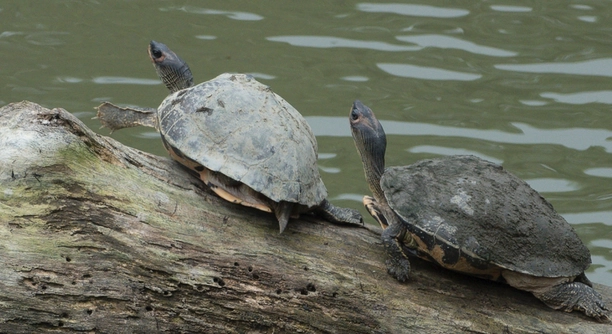
Cleaning your Indian roofed tortoise’s tank is essential for their health and well-being. Proper care includes choosing safe products that keep both your pet and the environment in mind. Finding the right cleaning solution is key.
There are several safe tank cleaning products for Indian roofed tortoises, including non-toxic disinfectants and natural cleaners. These products help maintain a clean environment without harming your tortoise or their habitat. Always choose pet-safe options.
A clean tank is crucial for your tortoise’s comfort and longevity. Knowing which products to use ensures both safety and cleanliness for your pet’s living space.
Why Clean Tank Products Matter for Indian Roofed Tortoises
Keeping your Indian roofed tortoise’s tank clean is more than just an aesthetic choice. A dirty tank can lead to harmful bacteria buildup, which can affect your tortoise’s health. Some cleaning products may contain harsh chemicals that can harm your pet. Choosing the right cleaning supplies ensures your tortoise is safe while maintaining a sanitary environment. It’s essential to find solutions that are both effective and safe. Opting for products that are designed specifically for reptile tanks can help avoid accidents, such as the use of toxic cleaners. Over time, a well-maintained tank will reduce the risk of health issues and ensure your tortoise enjoys a clean, comfortable space.
Choosing the right cleaning product is vital for your tortoise’s health. Non-toxic options can keep their tank clean without causing harm. Opt for gentle, safe alternatives.
You can also consider using natural cleaners that are free of strong chemicals. Products like vinegar diluted with water are a good choice for spot cleaning surfaces. However, make sure to test any solution in a small area before cleaning the entire tank. Natural cleaners are ideal for wiping down walls and surfaces, while non-toxic disinfectants can be used to deep clean. These disinfectants kill bacteria without posing a danger to your tortoise. Safe cleaning methods can also prevent fungal and mold growth, which can be harmful. A simple cleaning routine will not only help your tortoise stay healthy but also keep their environment fresh.
Top Tank Cleaning Products for Indian Roofed Tortoises
Some cleaning products are better suited for reptile tanks than others. It’s important to choose items that are specifically labeled as safe for reptiles. Many general household cleaners contain chemicals that can be harmful to your tortoise. Always check the label to ensure it’s safe.
For those looking for safe tank cleaning solutions, products like Zoo Med’s ReptiSafe Water Conditioner or Exo Terra’s Reptile Cleaner are great options. These are specially designed for reptile enclosures and contain ingredients that are safe for your tortoise. ReptiSafe not only disinfects but also dechlorinates water, which is helpful if your tortoise has access to a water dish. Exo Terra’s cleaner works well for wiping down surfaces without leaving behind harmful residues. These types of products are essential for deep cleaning without worrying about your pet’s safety. It’s always a good idea to choose cleaners that are specifically made for the type of tank you have.
When cleaning, always ensure that the tank is completely rinsed and dry before reintroducing your tortoise. This minimizes any risk of exposure to harmful chemicals. Regular maintenance is key to keeping the tank in good condition and your pet happy.
Benefits of Natural Cleaning Products
Natural cleaning products are often the safest option for tortoise tanks. They are free from harsh chemicals, which means they won’t irritate your tortoise’s sensitive skin or harm its environment. These cleaners are generally gentle yet effective, making them perfect for maintaining a clean tank without risking your pet’s health.
Natural options like vinegar, baking soda, or diluted lemon juice can be used as cleaning agents. These products are safe for your tortoise and the environment. A solution of vinegar and water can remove stubborn stains and disinfect surfaces. Baking soda can be used for scrubbing tough areas, and lemon juice is an excellent natural deodorizer. These products are inexpensive, easy to find, and don’t contain harmful chemicals that could linger in the tank. They are gentle on surfaces while providing effective cleaning power. Using these natural ingredients on a regular basis ensures a safe and healthy environment for your tortoise.
To make your natural cleaning routine even more effective, use a soft cloth or sponge to wipe down the tank. Avoid abrasive materials that could scratch the tank’s surface. After cleaning, be sure to rinse thoroughly to remove any remaining solution. Let the tank dry completely before placing your tortoise back inside. These simple steps help to maintain a clean, safe habitat while ensuring your pet’s health is never compromised.
Choosing Non-Toxic Disinfectants
Non-toxic disinfectants designed for reptiles are excellent alternatives to harsh chemicals. These products are specially formulated to disinfect without leaving harmful residues that could harm your tortoise. They are effective in eliminating bacteria, mold, and other harmful microorganisms from the tank.
Look for products that are labeled as safe for reptiles and amphibians. A good disinfectant should be capable of breaking down harmful germs while being gentle on your pet’s tank. Brands like F10 and Zoo Med offer reptile-safe disinfectants that are trusted by many reptile keepers. F10 is known for being a broad-spectrum disinfectant that kills viruses, bacteria, and fungi. Zoo Med’s Repti Safe Water Conditioner, meanwhile, works well for cleaning and treating water, ensuring it’s free from harmful elements. It’s essential to ensure the disinfectant is fully rinsed off the tank before your tortoise is reintroduced.
When using these disinfectants, follow the manufacturer’s instructions carefully. This includes ensuring the product is fully diluted and used in appropriate amounts. Always allow the tank to air out and dry completely before returning your tortoise. This ensures the disinfectant’s effectiveness while keeping the tank safe for your pet.
Best Practices for Cleaning Your Tortoise’s Tank
Regular cleaning is important to keep your tortoise’s tank healthy. Make sure to remove waste, food remnants, and any debris daily. Spot cleaning is key, but deep cleaning should be done weekly to prevent bacteria buildup.
Always make sure to thoroughly clean all surfaces, including rocks, plants, and the water dish. Use a safe cleaning product or natural cleaner for these areas. You can also clean the substrate if necessary. Avoid overcleaning, as some bacteria are beneficial, but ensure that waste is always removed promptly. This helps to keep the environment safe for your tortoise.
After cleaning, let the tank air dry before putting the tortoise back. Be sure to double-check that no harmful residues are left behind. This step ensures that your pet stays safe and comfortable in its habitat, and also reduces the risk of illness. Regular maintenance can also make deep cleaning easier in the long run.
Safe Tank Substrates
The substrate you choose plays a large role in your tortoise’s health. Avoid substrates with chemicals or synthetic materials. Natural options like coconut coir, aspen shavings, or grass hay are safe and comfortable for your tortoise.
Natural substrates also help with humidity control and are easy to clean. These materials provide your tortoise with a more natural environment while being non-toxic. Make sure to spot clean the substrate regularly and replace it as needed to keep it fresh. Always choose substrates that are free of chemicals and artificial fragrances to prevent harming your pet.
Using UVB Lighting Properly
UVB lighting is essential for your tortoise’s health as it helps them produce vitamin D3. Make sure the light is positioned correctly so your tortoise can bask in it. It should be placed at a distance recommended by the manufacturer to ensure proper exposure.
UVB lights should be replaced regularly, as they lose their effectiveness over time. A proper UVB light ensures your tortoise gets the necessary exposure to UV rays, supporting its bone health and immune system. Make sure the bulb is at the correct intensity, and monitor your tortoise’s behavior to ensure it’s receiving enough light.
FAQ
How often should I clean my Indian Roofed Tortoise’s tank?
It’s best to clean the tank regularly to ensure a healthy environment for your tortoise. Spot cleaning should be done daily, especially to remove any waste and leftover food. This helps maintain cleanliness and prevents harmful bacteria from building up. A deep clean should be performed at least once a week. During a deep clean, thoroughly wash the tank, change the substrate if needed, and sanitize any items inside the enclosure, such as rocks and decorations. Make sure the tank is completely dry before returning your tortoise to it.
Can I use regular household cleaners to clean my tortoise’s tank?
Regular household cleaners should be avoided, as many contain harmful chemicals that can be toxic to your tortoise. Products like bleach or ammonia can cause irritation to your pet’s skin and respiratory system. It’s best to use cleaning products specifically designed for reptile tanks. If you prefer natural cleaners, simple solutions like diluted vinegar, water, or baking soda can be effective and safe options for spot cleaning. Always ensure any cleaning solution is thoroughly rinsed before putting your tortoise back in the tank.
Is it safe to use disinfectants for cleaning my tortoise’s tank?
Yes, disinfectants that are specifically made for reptile enclosures can be safe to use. These disinfectants are formulated to clean and sanitize without leaving harmful residues. Look for products labeled as non-toxic and reptile-safe, such as those from trusted brands like Zoo Med and F10. These disinfectants will help kill bacteria and mold without posing a danger to your tortoise. Always follow the manufacturer’s instructions, and make sure the tank is completely dry before placing your tortoise back inside.
What’s the best way to clean the water dish?
The water dish should be cleaned daily to ensure your tortoise always has access to fresh water. Use a mild, reptile-safe disinfectant or a natural cleaner like diluted vinegar. Scrub the dish thoroughly to remove any dirt, algae, or debris, then rinse it thoroughly to remove any remaining cleaner. A clean water dish is essential for your tortoise’s health, as dirty water can lead to the spread of bacteria. Be sure to refill the dish with fresh water daily.
How can I remove odors from my tortoise’s tank?
Odors can build up in the tank due to waste and uneaten food. To eliminate bad smells, make sure to remove waste and leftover food promptly. Use natural deodorizers like baking soda or activated charcoal to help neutralize odors. You can also wipe down the surfaces of the tank with a diluted vinegar solution to eliminate smells. Ensure that the substrate is dry, as damp conditions can lead to unpleasant smells. Regular cleaning, good ventilation, and proper humidity control will also help minimize odors in the tank.
Can I use sand as a substrate for my Indian Roofed Tortoise?
While sand may seem like a natural substrate, it can be problematic. If your tortoise ingests sand, it can cause digestive issues, leading to impaction. It’s generally safer to use substrates like coconut coir, aspen shavings, or grass hay. These options are non-toxic, easy to clean, and mimic a more natural environment for your tortoise. If you do choose sand, make sure it’s used in combination with other substrates to reduce the risk of ingestion. Always monitor your tortoise’s behavior to ensure they’re not eating the substrate.
Should I provide my tortoise with hiding spots in the tank?
Yes, providing hiding spots is important for your tortoise’s well-being. Tortoises, including Indian Roofed Tortoises, can benefit from areas where they can retreat to feel secure. These hiding spots mimic natural environments and provide a place for your tortoise to rest, especially during the day when they might want privacy. Use materials like logs, rocks, or commercially available hides designed for reptiles. Be sure to clean these hides regularly to avoid the buildup of bacteria.
How do I keep the humidity level right in my tortoise’s tank?
Indian Roofed Tortoises prefer moderate humidity, so maintaining the right level is essential for their health. You can regulate humidity by misting the tank with water regularly, especially in dry climates. You can also use a humidifier in the room where the tank is kept. A humidity level of 50-70% is ideal for these tortoises. Make sure to monitor the humidity with a hygrometer to ensure it stays within the correct range. If the humidity is too high or too low, your tortoise may experience health problems such as respiratory issues or skin shedding difficulties.
What should I do if my tortoise eats something it shouldn’t?
If your tortoise eats something harmful, it’s important to monitor them closely. If they seem to be having trouble digesting or showing signs of discomfort, contact a vet immediately. Ingesting foreign objects or unsuitable food can cause impaction or other digestive problems. To prevent this, always ensure your tortoise’s enclosure is free of non-edible items and monitor their diet carefully. Regularly inspect the tank to make sure nothing harmful is within reach of your pet.
Do I need to provide UVB lighting for my tortoise’s tank?
Yes, UVB lighting is essential for your tortoise’s health. UVB rays help tortoises produce vitamin D3, which is necessary for calcium absorption and bone health. Without adequate UVB exposure, your tortoise could develop metabolic bone disease. Place a UVB light over the basking area in the tank to ensure proper exposure. Make sure the light is positioned correctly, following the manufacturer’s recommendations. It’s also important to replace UVB bulbs regularly, as their effectiveness diminishes over time. Keep the light on for 10-12 hours a day to mimic natural sunlight.
Final Thoughts
Maintaining a clean and safe environment for your Indian Roofed Tortoise is essential for its health and well-being. Choosing the right cleaning products and substrates is a key part of this. By using non-toxic, reptile-safe cleaners, you can ensure your tortoise is protected from harmful chemicals while still keeping its tank sanitary. Natural cleaning options, such as vinegar or baking soda, are also great choices, offering a safe and effective way to clean the tank without risking your pet’s health. Regular cleaning, spot cleaning daily, and deep cleaning weekly will help prevent bacteria, mold, and unpleasant odors from building up.
It’s equally important to choose the right substrate for your tortoise’s tank. While some may think sand is a natural choice, it can cause digestive problems if ingested. Materials like coconut coir, aspen shavings, or grass hay are much safer alternatives. These substrates are comfortable for your tortoise and help maintain proper humidity levels in the tank. Ensuring your tortoise has access to a clean water dish and hiding spots also supports its comfort and reduces stress. A happy, healthy tortoise thrives in a well-maintained environment, and providing them with a clean, safe habitat is part of responsible care.
Remember, proper lighting is just as important as cleanliness and habitat choices. UVB lighting is crucial for your tortoise to absorb the vitamins it needs for bone health. Without it, your tortoise may suffer from serious health issues. Make sure the UVB light is the right strength and positioned properly to allow for adequate basking. Additionally, monitoring humidity and temperature levels will help maintain the ideal environment for your tortoise to thrive. By following these guidelines and investing in safe products, you can create a healthy home for your Indian Roofed Tortoise.

Hello,
If you enjoy the content that we create, please consider saying a "Thank You!" by leaving a tip.
Every little bit helps us continue crafting quality advice that supports the health, happiness, and well-being of pets around the world, for pets of all shapes, sizes, and species.
We really appreciate the kindness and support that you show us!