
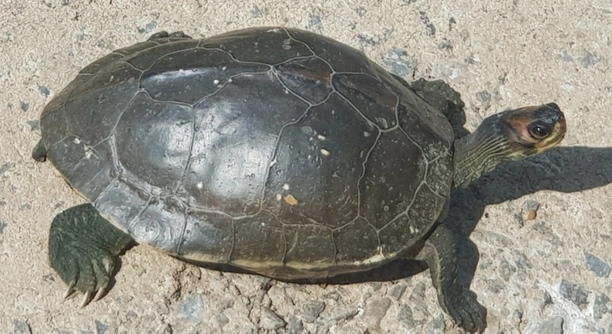
Indian roofed tortoises are fascinating creatures that require proper care to thrive. Keeping them active and healthy is essential for their overall well-being. This guide offers simple and effective tips to ensure your tortoise stays active and happy.
Maintaining an active and healthy Indian roofed tortoise requires providing a suitable environment, a balanced diet, and regular exercise. Ensure they have a spacious habitat, UVB lighting, and access to a proper temperature gradient for optimal health.
A few key habits can significantly improve their health. By providing the right habitat, diet, and care, your tortoise can live a longer, healthier life.
Provide a Spacious and Safe Habitat
The Indian roofed tortoise needs a spacious and safe environment to stay active and healthy. A large enclosure, preferably an outdoor setup with natural sunlight, is ideal. Ensure the space is clean, secure, and free from hazards. If an indoor habitat is necessary, provide a large tank with proper ventilation. Consider using a mix of substrate materials like coconut coir and sand to mimic their natural habitat.
A spacious environment allows your tortoise to move freely, promoting exercise and mental stimulation. Be sure the enclosure has areas for them to hide, explore, and bask.
It’s also essential to include areas for basking and hiding. The basking area should be warm enough for the tortoise to regulate its body temperature. A cooler area gives them space to retreat when needed. Regularly clean the habitat and check for any potential dangers, ensuring your tortoise has a safe and comfortable space to thrive.
Create the Right Temperature and Lighting
Providing the proper temperature and lighting is crucial for your tortoise’s health. UVB light is essential for calcium absorption and shell development. Use a combination of a heat lamp and UVB light to create a suitable temperature gradient, ensuring a warm basking spot and cooler areas for your tortoise to regulate its body temperature.
Indian roofed tortoises rely on natural sunlight to stay active and healthy. Without the right lighting, they may become lethargic and even suffer from health problems like metabolic bone disease. Ensure the light source is strong enough to penetrate the enclosure and provide adequate heat for basking.
A heat lamp should be placed above a designated basking area, where your tortoise can absorb the warmth. The ideal temperature for the basking spot should range between 90-100°F, while the cooler side should be around 70-80°F. Be mindful of both humidity levels and temperature to keep your tortoise active and content.
Feed a Balanced and Varied Diet
Feeding your Indian roofed tortoise a balanced diet is essential for its health. Offer a variety of leafy greens like dandelion greens, collard greens, and kale. Avoid feeding them too much fruit, as it can upset their digestive system. Ensure the diet is high in fiber to support digestion and maintain an active lifestyle.
Supplements like calcium powder should be added to their food a few times a week to support shell growth and overall health. Additionally, a mix of vegetables like squash, carrots, and bell peppers can be included to add variety. Fresh water should always be available to help with hydration.
It’s important to adjust their diet according to age. Juvenile tortoises require more protein, while adults thrive on high-fiber greens and vegetables. Avoid overfeeding, as excess weight can cause stress on their shell and joints, affecting their mobility. Always monitor their weight to ensure they stay at a healthy size.
Offer Regular Exercise and Exploration
Exercise is key to keeping your tortoise active and healthy. Give your tortoise the opportunity to roam outside their enclosure for a few hours each day in a safe, enclosed area. This encourages natural behaviors like foraging and exploring, which helps prevent boredom.
Be mindful of providing varied environments within their enclosure, such as ramps, hiding spots, and different textures to explore. A large outdoor pen is ideal, but if that’s not possible, ensure the indoor space allows for freedom of movement. If outdoor time is limited, incorporate daily activities like supervised walks in a secure area to promote exercise.
Tortoises enjoy digging and climbing, which helps to strengthen their muscles. Allowing them to express these behaviors will keep them physically engaged and mentally stimulated. Giving them an area to explore outside their regular habitat can reduce stress and keep them healthy.
Maintain Proper Humidity Levels
Humidity plays a significant role in your tortoise’s health, especially when it comes to shedding their skin and maintaining hydration. Aim for humidity levels between 50% and 70%. Too little humidity can lead to dehydration, while excessive humidity can cause respiratory issues.
You can increase humidity by placing shallow water dishes in the habitat and misting the enclosure regularly. Be sure to monitor humidity with a hygrometer to ensure it stays within the proper range. Proper humidity helps your tortoise stay hydrated and supports healthy skin and shell shedding.
Maintaining the right level of humidity is essential for their overall well-being. Adjusting the humidity as needed keeps your tortoise comfortable and active.
Provide a Safe and Stimulating Environment
A stimulating environment encourages activity and prevents boredom. Add various elements to the enclosure, such as logs, rocks, and plants. These features not only provide hiding spots but also promote physical exercise and exploration. The more enriched the environment, the more active your tortoise will be.
Make sure the enclosure has enough space for your tortoise to roam and explore without any barriers. If you have an outdoor setup, natural landscaping will provide plenty of opportunities for foraging. A varied environment promotes mental stimulation and can reduce stress for your tortoise.
Creating a space where your tortoise can be physically and mentally active is crucial for its long-term health.
FAQ
What is the best way to feed an Indian roofed tortoise?
Feeding an Indian roofed tortoise involves offering a mix of leafy greens such as dandelion, collard greens, and kale. You can also include some vegetables like carrots, bell peppers, and squash. Avoid too much fruit, as it can lead to digestive issues. Supplement their diet with calcium powder several times a week to support healthy shell growth. Fresh water should always be available. Adjust their diet based on their age, offering more protein to juveniles and focusing on fiber-rich greens for adults. It’s important not to overfeed and monitor their weight to prevent obesity.
How much space does an Indian roofed tortoise need?
Indian roofed tortoises need a spacious environment to stay active. For an indoor habitat, a large tank or enclosure is required. Ideally, the enclosure should be at least 4-5 times the size of the tortoise itself, with enough room for it to move freely. If you can set up an outdoor pen, make sure it is secure and escape-proof. An outdoor environment with access to natural sunlight and a variety of textures will help keep your tortoise stimulated and active. A larger space will encourage movement and exercise, reducing stress and promoting better health.
Can I keep my tortoise indoors?
Yes, it is possible to keep your Indian roofed tortoise indoors. However, you must create an environment that mimics their natural habitat. Use a large tank or enclosure with appropriate UVB lighting, a heat lamp for basking, and a cooler side for them to retreat to. Ensure proper humidity levels and provide them with varied textures like rocks and hides. The downside of keeping a tortoise indoors is that they won’t have the opportunity to roam and explore freely, so it’s essential to provide as much enrichment and space as possible to keep them active.
How often should I clean my tortoise’s enclosure?
It’s important to clean your tortoise’s enclosure regularly to prevent bacteria buildup. Spot clean daily by removing uneaten food, feces, and soiled substrate. A deep cleaning should be done every 2-4 weeks, depending on the size of the enclosure and the number of tortoises. During a deep clean, remove all substrate, wash the enclosure with non-toxic cleaners, and replace it with fresh bedding. Clean food and water dishes regularly to avoid contamination. Maintaining cleanliness will help prevent health issues and keep your tortoise comfortable.
What temperature should my tortoise’s habitat be?
Your tortoise’s habitat should have a temperature gradient to allow it to regulate its body temperature. The basking area should be between 90-100°F, while the cooler side should be between 70-80°F. This allows your tortoise to move between the warm and cool zones, ensuring it can regulate its temperature effectively. Use a heat lamp to provide the necessary warmth and a UVB light to support calcium absorption and shell health. Make sure to monitor the temperatures regularly with thermometers placed at both the basking area and cooler zone to maintain a proper environment.
How do I keep my tortoise active?
To keep your Indian roofed tortoise active, provide a large, enriched environment where it can explore and move freely. Offer a variety of hiding spots, rocks, logs, and different textures to encourage foraging and physical activity. You can also allow them to roam outside in a safe, enclosed area for a few hours each day. Exercise and mental stimulation are crucial for preventing boredom and ensuring good health. Keep in mind that regular outdoor time helps them exhibit natural behaviors like climbing, digging, and foraging, which promotes physical and mental well-being.
Is it necessary to give my tortoise a bath?
Yes, giving your tortoise a bath is important for hydration and shell health. A warm bath a few times a week can encourage hydration and help with shedding. Place your tortoise in a shallow dish of warm water, ensuring that it can easily stand. The bath should last for about 10-20 minutes. Never use soap or harsh chemicals in the water. If your tortoise shows signs of dehydration or difficulty shedding, a bath may help alleviate these issues. However, be sure to dry your tortoise thoroughly afterward to prevent any lingering moisture.
Can I let my tortoise roam outside?
Yes, letting your tortoise roam outside is a great way to provide exercise and mental stimulation. However, ensure that the area is secure and free from predators or hazards. Create an enclosed outdoor pen with access to natural sunlight. The environment should have areas for basking, hiding, and exploring. Be mindful of the temperature and ensure that the tortoise can retreat to a cool shaded area if it gets too hot. Always supervise your tortoise during outdoor time to prevent it from escaping or getting injured.
What should I do if my tortoise is not eating?
If your tortoise is not eating, it could be a sign of stress, illness, or improper environmental conditions. Check if the temperature, humidity, or lighting is incorrect, as these factors can affect their appetite. Ensure that the food you are offering is fresh and appropriate for their diet. If your tortoise continues to refuse food, it’s best to consult a veterinarian to rule out any underlying health problems. Sometimes, tortoises may also stop eating during periods of shedding or hibernation, so be aware of these natural behaviors.
How do I handle shedding in my tortoise?
Shedding is a natural process for tortoises, and Indian roofed tortoises shed their skin in pieces, typically over several weeks. Ensure that your tortoise stays hydrated and bathes regularly to help with the shedding process. If pieces of skin are stuck to the shell, gently soak your tortoise in warm water, which can help loosen the skin. Never force the shedding process, as this can cause injury. If shedding becomes irregular or problematic, consult a veterinarian for advice.
Do Indian roofed tortoises need social interaction?
Indian roofed tortoises are solitary creatures, and they do not require social interaction to thrive. However, they do benefit from an enriched environment where they can explore and engage with various elements like rocks, plants, and logs. Having another tortoise can sometimes cause stress or territorial behavior, especially in smaller enclosures. If you choose to house multiple tortoises, ensure that their living space is large enough to allow them to avoid each other and reduce stress.
Final Thoughts
Keeping an Indian roofed tortoise active and healthy requires attention to several key factors, including proper diet, habitat, and routine care. These tortoises thrive in environments where they have space to explore and natural elements that encourage movement. Maintaining a temperature gradient, ensuring adequate humidity, and providing a variety of textures within their enclosure can all contribute to their overall well-being. Additionally, feeding them a balanced diet that includes leafy greens, vegetables, and occasional protein will help maintain their health and energy levels.
Providing your tortoise with the right environment is essential for their physical and mental health. A spacious habitat, whether indoors or outdoors, is critical for allowing your tortoise to roam freely. Outdoor pens provide natural sunlight and allow for natural behaviors like foraging and digging, while indoor enclosures require artificial lighting to mimic the sun’s rays. Regular cleaning and keeping their space free of waste will also reduce the risk of infections or other health problems. In this way, a well-maintained habitat is vital for preventing stress and encouraging an active lifestyle.
Lastly, don’t forget the importance of monitoring your tortoise’s health. Regular baths, hydration, and ensuring that they are shedding properly are all part of keeping your tortoise healthy and happy. If you notice any changes in their behavior, such as a lack of appetite or abnormal shedding, it’s important to address the issue quickly. Consulting with a veterinarian who specializes in reptiles is always a good idea if you have concerns. With the right care and attention, your Indian roofed tortoise can lead a long, active, and healthy life.

Hello,
If you enjoy the content that we create, please consider saying a "Thank You!" by leaving a tip.
Every little bit helps us continue crafting quality advice that supports the health, happiness, and well-being of pets around the world, for pets of all shapes, sizes, and species.
We really appreciate the kindness and support that you show us!