
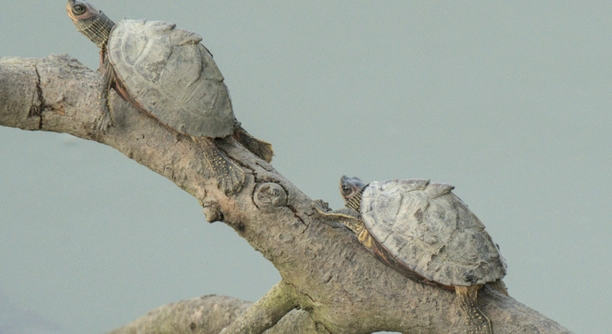
Indian Roofed Tortoises are fascinating creatures, but sometimes they display unusual behavior, such as biting their own feet. This action can be confusing, especially if you’re not familiar with the underlying causes. Understanding this behavior is essential for their well-being.
This behavior is often linked to stress, boredom, or health issues. A lack of stimulation, improper habitat conditions, or physical discomfort can lead to this compulsive action. Addressing these factors and making environmental adjustments can help prevent such behaviors.
Learning why this happens and how to prevent it can improve your tortoise’s life. A little knowledge can make a significant difference in keeping your pet healthy and happy.
Stress and Anxiety
Stress can be one of the main reasons for an Indian Roofed Tortoise to bite its own feet. Tortoises, like many animals, can become anxious due to environmental factors. A sudden change in their habitat, unfamiliar noises, or too much handling can cause stress. If the tortoise feels threatened or uncomfortable, it may start engaging in repetitive behaviors like biting itself. This behavior is a coping mechanism for the stress it’s experiencing.
Creating a stable and quiet environment can help reduce stress in your tortoise. Ensure they have a proper hiding spot, a consistent temperature, and a safe, secure enclosure.
Understanding the source of stress is key to preventing this behavior. It’s essential to create a peaceful environment where your tortoise can feel safe. This simple adjustment can go a long way in helping your pet feel at ease and reduce the likelihood of self-destructive habits.
Boredom and Lack of Stimulation
Tortoises are intelligent animals, and if they lack stimulation, they might start engaging in odd behaviors. If they don’t have enough space or things to interact with, they can develop habits like biting their feet out of boredom. Without enrichment, they may focus on repetitive actions to fill the void.
Providing toys, plants, or safe objects for them to explore can prevent this behavior. Ensure they have a variety of textures and items to interact with, which will give them mental stimulation.
A well-stimulated tortoise will be less likely to engage in self-biting. Keep your tortoise active and entertained to prevent these unwanted behaviors from taking hold. It’s important to remember that providing enrichment can make a big difference in their behavior.
Health Issues
If your Indian Roofed Tortoise is biting its feet, it could be a sign of an underlying health problem. Infections, skin irritations, or parasites can make your tortoise feel discomfort, leading it to nibble or bite.
Inspect your tortoise for any signs of injury, swelling, or unusual markings on its feet. Regular veterinary checkups can help identify these health issues early. If your tortoise continues to bite its feet despite environmental changes, it’s best to seek professional advice.
Infections or conditions like arthritis could cause pain that prompts your tortoise to bite. An accurate diagnosis from a veterinarian is important to address these problems before they worsen. The sooner you treat any health issue, the better for your tortoise’s well-being.
Environmental Factors
The environment where your tortoise lives plays a huge role in its behavior. If the temperature or humidity is not right, your tortoise may begin to show unusual actions, like foot-biting. A habitat that’s too hot or cold can cause discomfort, leading to stress.
Make sure your tortoise’s living area is properly heated, with a gradient temperature range that allows it to regulate its body temperature. Humidity levels should also be monitored, as incorrect humidity can affect its skin and overall health.
Proper lighting and a clean, spacious enclosure are also essential. Without the right environment, your tortoise will struggle, both physically and mentally. Taking the time to adjust these factors could prevent the foot-biting behavior and improve your tortoise’s overall health.
Improper Diet
An improper diet can contribute to your tortoise biting its feet. Nutritional imbalances can cause skin irritations, digestive issues, or discomfort, which may lead to self-biting. A lack of essential nutrients may affect its overall well-being.
Ensure your tortoise has a balanced diet rich in fiber, calcium, and vitamins. Offer a variety of leafy greens, vegetables, and some fruits. Avoid feeding it too much protein, as it can cause problems like shell deformities.
A well-rounded diet is crucial in preventing health issues that might make your tortoise uncomfortable and cause it to bite its feet.
Overhandling
Too much handling can stress out your Indian Roofed Tortoise, which may lead to foot-biting. Tortoises are sensitive creatures, and excessive human interaction can make them anxious.
Handle your tortoise gently and sparingly, ensuring it feels safe in its habitat. Keep interactions brief and avoid disturbing your tortoise when it is resting or eating.
Allow your tortoise to have plenty of alone time to prevent overexposure to stressors. This simple adjustment can significantly improve its behavior and overall well-being.
FAQ
Why is my Indian Roofed Tortoise biting its feet?
If your Indian Roofed Tortoise is biting its feet, it could be a sign of stress, boredom, or health issues. Environmental factors like improper temperature or humidity can also contribute to this behavior. Make sure your tortoise has a proper habitat, balanced diet, and a calm environment to help prevent foot-biting.
How can I stop my tortoise from biting its feet?
To stop your tortoise from biting its feet, first check for any health problems such as skin irritations or infections. Next, adjust its environment by ensuring proper temperature, humidity, and space. Offering enrichment and minimizing stress can also help prevent this behavior.
Is it normal for a tortoise to bite its own feet?
It’s not normal for a tortoise to bite its own feet, but it can happen due to stress, discomfort, or other health issues. It’s important to assess your tortoise’s living conditions, diet, and health to understand the cause and find a solution.
Can stress cause my tortoise to bite its feet?
Yes, stress is one of the common causes of foot-biting in tortoises. Stress can arise from environmental factors such as noisy surroundings, too much handling, or changes in its habitat. Reducing stress by creating a calm, stable environment can help prevent this behavior.
What can I do if my tortoise has an infection or injury on its feet?
If you notice any infection, swelling, or injury on your tortoise’s feet, it’s best to consult a veterinarian. The vet can provide treatment and guide you on how to care for the injury properly. Do not attempt to treat infections or injuries on your own without professional advice.
What type of diet should I provide to prevent foot-biting?
A balanced diet is key to preventing health issues that may lead to foot-biting. Offer your tortoise leafy greens, vegetables, and some fruits. Ensure it gets enough fiber, calcium, and vitamins. Avoid overfeeding protein, as it can cause health issues like shell deformities and digestive problems.
Can improper lighting cause my tortoise to bite its feet?
Yes, improper lighting can lead to stress or health problems in your tortoise, which may result in foot-biting. Your tortoise needs UVB light to synthesize vitamin D3 for healthy bone and shell development. Ensure proper lighting with both UVB and heat lamps to maintain your tortoise’s health.
How much space does my tortoise need to stop biting its feet?
If your tortoise feels cramped or confined, it may develop stress-related behaviors like biting its feet. Ensure its enclosure is large enough for it to move freely. A spacious habitat will help reduce stress and encourage more natural behavior, preventing foot-biting.
Is it safe for me to handle my tortoise frequently?
Frequent handling can cause stress, especially if done improperly. Tortoises are not like pets such as dogs or cats and prefer to be left undisturbed. If you handle your tortoise too much, it may lead to anxiety, which could trigger foot-biting. Limit handling to avoid unnecessary stress.
Can boredom cause foot-biting in tortoises?
Yes, boredom is a major cause of foot-biting in tortoises. Without proper stimulation, they may start to engage in repetitive behaviors like biting their own feet. To avoid this, provide your tortoise with enrichment, such as toys, plants, and safe objects to interact with. This can prevent boredom and reduce stress.
Should I change the bedding in my tortoise’s enclosure regularly?
Yes, changing the bedding regularly is essential for maintaining a clean and comfortable environment for your tortoise. Dirty bedding can lead to infections or skin irritations, which might cause your tortoise to bite its feet. Clean bedding helps maintain good health and hygiene, preventing such behaviors.
What are the signs of a health issue in my tortoise?
Signs of a health issue in your tortoise may include swelling, limpness, unusual markings, or changes in behavior, such as excessive biting of the feet. If you notice any of these symptoms, it’s important to consult a veterinarian as soon as possible to diagnose and treat the problem.
Can my tortoise bite its feet out of habit?
While foot-biting may start due to stress or health issues, it can develop into a habit if the underlying cause isn’t addressed. Over time, repetitive behaviors can become ingrained, so it’s crucial to identify and correct the cause to prevent the behavior from becoming habitual.
How can I tell if my tortoise is stressed?
Signs of stress in your tortoise can include excessive movement, hiding, or biting its feet. If it seems restless, aggressive, or unusually quiet, it may be stressed. Pay attention to its environment and routine to spot the causes of stress, and make necessary adjustments to help it feel safe.
What should I do if my tortoise continues biting its feet?
If your tortoise continues to bite its feet despite changes to its environment and diet, it may be best to take it to a vet for further examination. Persistent foot-biting could indicate a more serious health issue, and a professional can offer solutions to stop the behavior.
Final Thoughts
Understanding why your Indian Roofed Tortoise is biting its feet is essential to addressing the behavior and ensuring its well-being. There can be several reasons for this, ranging from stress and boredom to health problems or improper environmental conditions. Identifying the root cause of the issue is the first step in resolving it, and once you understand what’s causing the behavior, you can take the necessary steps to help your tortoise feel more comfortable. Regular monitoring of its environment, diet, and health will ensure that it remains in good condition and less likely to exhibit this behavior.
It is important to create a stable and stress-free environment for your tortoise. This includes providing enough space, maintaining the proper temperature and humidity levels, and limiting excessive handling. Enrichment can also play a big role in keeping your tortoise happy and preventing boredom. Offering a variety of objects and natural items in its habitat can encourage natural behaviors and keep your tortoise engaged. A proper diet and adequate lighting are equally crucial for its health, as poor nutrition and improper lighting can contribute to discomfort, which may lead to foot-biting.
If you have already made adjustments to its habitat and diet, and your tortoise continues to bite its feet, it may be time to consult a veterinarian. Persistent behavior could be a sign of an underlying health issue that requires professional attention. By addressing these factors and making the necessary changes, you can help prevent further foot-biting and ensure your tortoise’s overall health and happiness. Remember, regular care and attention to detail will keep your tortoise in optimal condition, free from stress, and comfortable in its environment.

Hello,
If you enjoy the content that we create, please consider saying a "Thank You!" by leaving a tip.
Every little bit helps us continue crafting quality advice that supports the health, happiness, and well-being of pets around the world, for pets of all shapes, sizes, and species.
We really appreciate the kindness and support that you show us!