
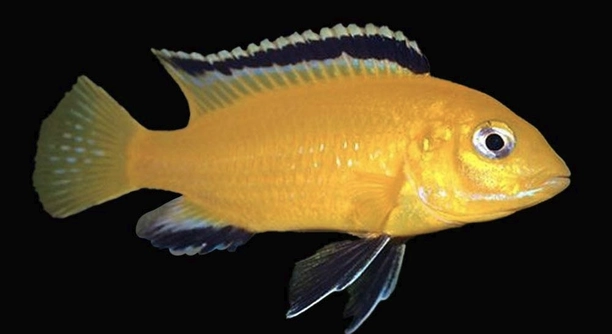
Do you often notice your cichlids resting near the bottom of their tank and wonder if they are sleeping? Fish behavior can be surprising, especially when they appear still in unusual spots. Understanding their rest habits can help you care for them better.
Cichlids do sometimes sleep on the tank bottom, but this behavior varies depending on the species and environment. Many cichlids prefer to rest in hiding spots or near the substrate, where they feel safe and secure during their sleep cycles.
Observing these patterns helps improve tank conditions and supports the well-being of your aquatic pets throughout their daily routines.
Why Do Cichlids Rest on the Tank Bottom?
Cichlids may rest on the tank bottom for several reasons, including comfort, security, and sleep. The bottom of the tank often provides a sense of safety, especially if there are rocks, plants, or caves nearby. These spots offer hiding places where cichlids can avoid stress or potential threats. Some species naturally prefer to stay near the substrate as part of their typical behavior. Additionally, resting on the tank bottom helps them conserve energy while they sleep or recover from activity. Water temperature and lighting also influence their resting habits. Cooler, dimmer areas encourage fish to be less active and find quiet places to rest. It is important to monitor their overall health, as lethargy or staying on the bottom constantly could indicate illness. Regular tank maintenance, including clean water and proper diet, supports their natural resting behaviors and keeps them healthy.
Resting on the bottom is normal behavior when cichlids have a safe and comfortable environment.
Cichlids’ preference for resting spots can vary widely depending on species and tank setup. Some like flat, open areas on the substrate, while others choose caves or crevices. Observing their habits can help you arrange the tank to meet their needs. Providing hiding places and soft substrate encourages natural resting behavior and reduces stress. It also allows you to spot unusual behavior early. Tank conditions like water quality, temperature, and light cycles play key roles in their rest. For example, brighter lights may push cichlids to seek shaded bottom areas. If they appear inactive for long periods or stay at the bottom without moving, it could signal health issues. In such cases, water testing and veterinary advice are important to maintain their wellbeing.
How to Support Healthy Sleep for Your Cichlids
Proper tank setup helps cichlids rest well and stay healthy.
To encourage good sleep patterns, maintain consistent light and dark cycles, ideally 10-12 hours of light followed by darkness. Avoid sudden changes that can stress your fish. Keep water parameters stable, including temperature, pH, and cleanliness, to create a comfortable environment. Providing natural hiding places like rocks, plants, and caves is important. These spots allow cichlids to rest without feeling exposed. Observe their behavior daily to identify any signs of distress or illness early. Feeding them a balanced diet supports overall health and energy levels, contributing to proper rest. Avoid overfeeding, as leftover food can harm water quality and fish health. Finally, regular tank maintenance and gentle handling reduce stress, making it easier for cichlids to establish healthy sleep routines. This care improves their lifespan and happiness in the tank.
Common Signs That Cichlids Are Sleeping
Cichlids often become still, reduce their movements, and may tuck themselves into a quiet corner when sleeping. Their fins are relaxed, and they show little response to surrounding activity. These signs help distinguish rest from illness or stress.
During sleep, cichlids typically hover or lie near the bottom or in hiding spots. They close their eyes or keep them partially open but unfocused. Breathing slows down, and their body appears calm without sudden twitches. Unlike illness, sleeping fish resume normal activity after a rest period. If they remain inactive for hours without change or show other symptoms like discoloration or rapid breathing, it may indicate a health issue. Noticing these subtle differences helps you ensure your cichlids are simply resting and not suffering.
Sleep patterns vary by species and environment. Some cichlids prefer short naps throughout the day, while others rest more deeply at night. Understanding these behaviors allows better care and tank setup.
Impact of Tank Environment on Cichlid Rest
A stable environment supports healthy rest for cichlids by reducing stress and encouraging natural behaviors.
Lighting schedules that mimic natural day and night cycles help regulate their sleep. Sudden changes in light can startle them and disrupt rest. Tank decorations, such as plants and rocks, offer safe places to hide and sleep. Water temperature and quality also play key roles; fluctuating or poor conditions can cause discomfort and restless behavior. Keeping a clean, balanced tank promotes normal activity and proper rest cycles. Noise and vibration outside the tank can disturb them, so placing the aquarium in a quiet area is ideal. Overall, the environment strongly affects how well your cichlids sleep and recover daily.
Do Cichlids Dream?
There is no clear scientific evidence that cichlids dream as mammals do. Their brain structure differs, and their sleep is more about rest than dreaming.
Fish enter restful states but likely do not experience dreams like humans or some mammals might.
How Often Do Cichlids Sleep?
Cichlids usually rest during the night but can take short naps throughout the day. Their sleep patterns depend on tank conditions and species. Regular sleep helps maintain their health and energy.
Signs of Poor Sleep in Cichlids
Poor sleep often shows as unusual lethargy, loss of appetite, or erratic swimming. These symptoms require attention to water quality and tank setup.
Adjusting Tank Conditions for Better Rest
Improving water quality and providing hiding spots can promote healthier sleep habits in cichlids.
How do cichlids sleep?
Cichlids sleep by becoming still and resting in safe spots within the tank. They often reduce their movements and may tuck themselves into caves, plants, or near the bottom where they feel secure. Their fins relax, and they show minimal response to external stimuli. Unlike mammals, cichlids don’t have eyelids, so their eyes usually remain open or partially open but unfocused during rest. Their breathing slows, and their body appears calm as they conserve energy. This restful state is crucial for their health and recovery.
Do cichlids sleep at night or during the day?
Most cichlids are diurnal, meaning they are active during the day and sleep at night. However, some species may take short naps during daylight hours as well. The lighting in the tank plays a significant role in regulating their sleep patterns. Consistent light and dark cycles help cichlids establish a routine. Sudden changes in lighting can confuse or stress them, causing irregular rest. Ensuring a stable day-night schedule mimics their natural habitat and supports healthy sleep behavior.
Is it normal for cichlids to rest on the tank bottom?
Yes, it is normal for many cichlid species to rest on the tank bottom. This behavior often occurs in quiet, shaded areas where they feel protected. The tank bottom provides a stable, safe environment to relax or sleep. Some species prefer sandy or soft substrate, while others use rocks or caves nearby. Resting on the bottom does not necessarily mean the fish is sick or stressed unless it is accompanied by other symptoms like lethargy or unusual breathing.
What does it mean if my cichlid stays on the bottom all the time?
If a cichlid remains on the tank bottom for long periods without moving much, it might signal a health issue. Common problems include poor water quality, illness, or stress. It’s important to check water parameters like temperature, pH, ammonia, and nitrite levels. Additionally, observe the fish for signs of disease such as discoloration, labored breathing, or loss of appetite. If these appear, consider consulting a vet or experienced aquarist. Sometimes, behavior changes also happen during molting or after fighting with other fish.
Can cichlids sleep without hiding?
Cichlids can sleep without hiding, but they prefer sheltered spots to feel safe. In a well-set tank with adequate decorations and plants, they choose protected areas to rest. Without hiding places, some cichlids might feel vulnerable and become stressed, leading to poor sleep and health problems. Providing caves, rocks, or plants helps mimic their natural environment and encourages restful behavior.
How long do cichlids sleep each day?
Cichlids typically sleep for 8 to 12 hours a day, mostly during the night. They may also take short naps throughout the day, especially in quiet moments. The exact duration varies by species and tank conditions. A consistent light-dark cycle helps regulate their sleep. Proper sleep is essential for immune function, growth, and overall well-being.
Do cichlids dream like mammals?
There is no evidence that cichlids dream as mammals do. Their brains are different and lack the structures associated with dreaming. Fish sleep is more about rest and energy conservation rather than the complex brain activity mammals experience during REM sleep. While they enter restful states, these are unlikely to involve dreams or similar mental activity.
Can poor water quality affect cichlid sleep?
Yes, poor water quality can negatively impact cichlid sleep. High levels of ammonia, nitrites, or nitrates, as well as incorrect pH or temperature, cause stress and discomfort. This makes it harder for cichlids to rest properly and can lead to erratic behavior or illness. Regular water testing and maintenance are essential to maintain a healthy environment that supports normal sleep patterns.
What can I do to improve my cichlid’s sleep?
To improve cichlid sleep, maintain stable water conditions, including temperature, pH, and cleanliness. Provide adequate hiding places like caves, plants, or rocks for security. Keep a consistent light cycle, ideally 10-12 hours of light followed by darkness. Avoid sudden loud noises or vibrations near the tank, as these can disturb resting fish. Feed a balanced diet and avoid overfeeding, which can degrade water quality. Monitoring behavior regularly helps catch sleep disturbances early.
Are there differences in sleep habits between cichlid species?
Yes, sleep habits vary among cichlid species. Some are more active and prefer resting in open areas, while others favor hiding spots or the tank bottom. Environmental factors and natural behaviors influence these differences. For example, aggressive species may be more alert and sleep less deeply, while shy species require more secure places. Understanding your specific cichlid species helps tailor tank setup to their needs.
How can I tell if my cichlid’s resting behavior is a health concern?
If your cichlid stays motionless on the bottom for extended periods, shows rapid or labored breathing, loses appetite, or develops unusual spots or discoloration, it may be a health concern. These signs suggest illness or stress rather than normal rest. Prompt water testing, tank maintenance, and, if needed, veterinary care can help address these issues before they worsen.
Do cichlids need complete darkness to sleep?
Complete darkness is not always necessary, but low light or dim conditions help cichlids rest better. In the wild, they experience gradual changes in light from dusk to night. Sudden darkness or bright lights may startle them and interrupt sleep. Using timers for aquarium lights ensures predictable light cycles, promoting restful behavior and reducing stress.
Caring for cichlids involves understanding their natural behaviors, including how and where they sleep. It is normal for many cichlids to rest on the tank bottom or in sheltered spots. These resting places provide safety and comfort, allowing them to conserve energy and maintain health. Observing your fish regularly helps you recognize when their behavior is typical or when something may be wrong. Knowing that resting on the bottom is often a natural behavior can ease concerns for many fish owners.
Creating a proper environment is key to supporting healthy sleep habits in cichlids. Stable water conditions, consistent lighting schedules, and suitable hiding places help fish feel secure and promote restful sleep. Avoiding sudden changes in light or water quality reduces stress and allows your cichlids to rest naturally. Feeding them a balanced diet and maintaining a clean tank also contribute to their overall well-being. These steps ensure your cichlids can sleep peacefully, recover from daily activities, and stay healthy.
While cichlids do not dream like mammals, their rest is essential to their health. Watching for signs of poor sleep or illness is important. Changes in activity, appetite, or appearance may indicate a problem that needs attention. By paying attention to your cichlids’ sleep behavior and environment, you can provide the best care possible. Healthy rest helps cichlids thrive and enjoy their time in the tank, making them a rewarding part of your home aquarium.

Hello,
If you enjoy the content that we create, please consider saying a "Thank You!" by leaving a tip.
Every little bit helps us continue crafting quality advice that supports the health, happiness, and well-being of pets around the world, for pets of all shapes, sizes, and species.
We really appreciate the kindness and support that you show us!