
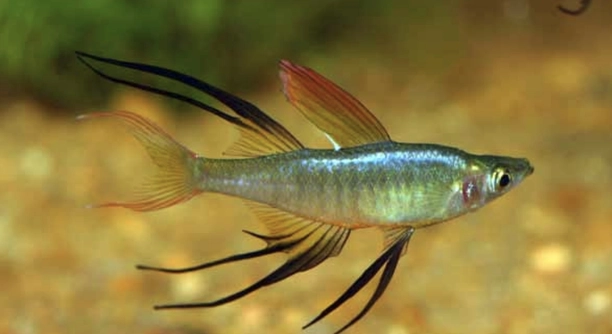
Have you recently started raising threadfin fry and want to ensure they grow healthy and strong? Providing proper nutrition from the very beginning is crucial for their development and overall survival in a controlled environment.
Maintaining a balanced diet for growing threadfin fry involves offering a variety of high-quality feed that meets their protein, lipid, and vitamin requirements. Regularly monitoring feeding schedules and adjusting portions according to growth stages ensures optimal development and reduces mortality.
Ensuring your fry receive proper nutrition early on sets the foundation for their future growth. This article will guide you through practical steps for feeding success.
Understanding Nutritional Needs of Threadfin Fry
Growing threadfin fry require a diet rich in protein, essential fatty acids, vitamins, and minerals to support rapid development. At the early stages, protein is particularly important as it promotes growth, strengthens muscles, and improves survival rates. Lipids provide energy, which is crucial for active fry swimming and for supporting metabolic functions. Vitamins, especially A, D, and E, contribute to proper organ development, immune system strength, and overall vitality. Minerals like calcium and phosphorus support skeletal development and maintain healthy physiological processes. Young fry are more sensitive to nutritional imbalances, so providing a well-rounded diet ensures they develop uniformly and reduces the risk of deformities or stunted growth. Feeding should start small and frequent, mimicking natural feeding patterns, and gradually increase as fry grow. Observing feeding behavior helps adjust portion sizes to prevent overfeeding, which can affect water quality and fry health. Using high-quality commercial feeds or live feed enhances nutrient availability for optimal development.
Early attention to nutrition prevents deficiencies that could hinder fry growth and health. Consistent monitoring ensures their needs are met.
Balancing nutrients is not just about offering high-protein feed. Fry benefit from variety, including finely crushed pellets, live feed like brine shrimp, and enriched microalgae. Each feed type contributes specific nutrients that support different aspects of development. Rotating feed types helps reduce nutrient gaps and encourages natural foraging behaviors. Water quality directly affects nutrient absorption, so regular monitoring of ammonia, nitrite, and pH levels is essential. Poor water conditions can undermine even the best feeding practices. Temperature also impacts metabolism; maintaining optimal temperature ranges ensures fry digest and utilize nutrients efficiently. Documenting growth rates and observing fry behavior daily allows early detection of issues. Gradual adjustments to diet as fry grow prevent overfeeding or nutrient deficiencies. Combining feed quality, quantity, and environmental management ensures threadfin fry develop healthily and reach desired sizes efficiently.
Choosing the Right Feed Types
High-protein feeds form the foundation of a balanced diet for fry. Live feed enhances growth by offering digestible nutrients in natural forms.
Selecting feed requires considering fry size, digestibility, and nutrient content. Initially, micro-particle feed is suitable, while larger fry can transition to formulated pellets. Live feed like brine shrimp or rotifers provides natural stimulation and improves survival rates. Fortified feeds enriched with essential vitamins and fatty acids support immune system development and organ growth. Rotating between live feed and formulated pellets ensures comprehensive nutrient coverage, preventing gaps that may affect growth or cause deficiencies. Feeding frequency should align with fry activity levels, typically multiple small feedings per day. Observing consumption helps prevent overfeeding, which can pollute water and stress fry. Storage of feed is also critical; keeping feed dry and cool preserves nutrient content. Regularly reviewing feed choices based on fry performance and water conditions allows fine-tuning, ensuring fry continue to thrive under optimal dietary conditions.
Proper feed selection directly impacts growth rates and overall health. Using a combination of live and formulated feed supports balanced development effectively.
Feeding Frequency and Portion Control
Consistent feeding helps fry grow steadily. Overfeeding can harm water quality, while underfeeding slows growth. Small, frequent meals are most effective for young threadfin fry.
Feeding frequency should match the fry’s size and activity. Newly hatched fry benefit from 4–6 small feedings daily to ensure constant nutrient availability. As fry grow, the frequency can gradually decrease while portion size increases. Observing how quickly fry consume their feed helps determine if portions are appropriate. Uneaten feed should be removed to prevent water contamination. Proper portion control reduces stress, maintains water quality, and ensures fry absorb nutrients efficiently, supporting healthy growth and development.
Portion size must be adjusted regularly as fry grow. Begin with amounts that fry can finish in minutes, gradually increasing to match their growth. Monitoring feeding response allows fine-tuning. Combining this approach with water quality checks ensures fry remain healthy.
Monitoring Growth and Health
Tracking fry growth identifies issues early. Healthy fry are active, evenly sized, and free from deformities.
Regular measurement of fry helps maintain uniform growth and prevents stunted development. Weighing or visually estimating size weekly provides insight into whether the diet meets nutritional needs. Uneven growth may indicate insufficient feed, poor water quality, or disease. Daily observation of behavior, coloration, and swimming patterns helps detect stress or illness before it becomes severe. Addressing these issues promptly, such as adjusting diet or improving water conditions, supports overall health and reduces mortality. Maintaining detailed records allows long-term assessment of feeding practices and growth trends.
Monitoring health extends beyond growth. Water quality, feeding response, and disease signs must be consistently checked. Early intervention improves survival rates. Nutrition, environment, and hygiene together determine fry success.
Water Quality and Its Impact
Maintaining clean water is essential for fry growth. Poor water quality reduces nutrient absorption, stresses fry, and increases susceptibility to disease. Regular water changes and monitoring parameters prevent harmful buildup.
Ammonia, nitrite, and pH levels should be checked frequently. Clear, well-oxygenated water supports digestion and promotes healthy activity. Consistent water maintenance directly improves fry survival and growth.
Supplementing with Vitamins and Minerals
Adding vitamins and minerals enhances fry development. Fat-soluble vitamins like A, D, and E support organ growth, while essential minerals aid skeletal formation. Supplementing ensures fry receive nutrients that may be lacking in standard feed. It also strengthens immune responses, reducing disease risks. Regular, measured supplementation maintains balance without overloading the system.
Observing Behavior Patterns
Behavioral observation reveals health and feeding effectiveness. Active, alert fry indicate proper nutrition and water conditions. Lethargy or erratic swimming may signal stress, nutritional gaps, or environmental issues. Regularly watching fry behavior helps identify problems early, allowing timely adjustments to diet or habitat, ensuring consistent growth and survival.
FAQ
What is the best feed for threadfin fry?
The best feed depends on the fry’s age and size. Newly hatched fry thrive on live feed such as rotifers or newly hatched brine shrimp, which are easily digestible and nutrient-rich. As fry grow, finely crushed pellets or formulated micro-particle feed can be gradually introduced. A combination of live feed and enriched formulated feed ensures balanced nutrition, supporting healthy growth, strong immunity, and proper skeletal development. Using high-quality commercial feed helps maintain consistent nutrient levels, while live feed encourages natural foraging behavior and activity. Rotating feed types prevents deficiencies and ensures all essential nutrients are provided.
How often should I feed growing threadfin fry?
Feeding frequency is critical for fry development. Young fry require 4–6 small feedings per day to maintain steady nutrient intake. As they grow, the frequency can gradually decrease to 2–3 times daily while increasing portion size. Observing how quickly fry consume their feed helps determine whether adjustments are necessary. Overfeeding can reduce water quality and stress fry, while underfeeding slows growth and weakens immune systems. Maintaining consistent feeding schedules ensures fry receive adequate nutrition while supporting water quality and overall health.
How can I prevent overfeeding and water pollution?
Portion control is essential. Feed only what fry can consume in a few minutes and remove uneaten feed promptly. Regular water changes and monitoring of ammonia, nitrite, and pH levels help maintain a safe environment. Overfeeding leads to uneaten food decomposing, which increases ammonia and other harmful compounds, stressing fry and reducing nutrient absorption. Keeping water clean also reduces the risk of disease. Observing fry behavior during feeding gives insight into portion adjustments. Small, frequent meals are preferable to large, infrequent ones, balancing nutrition and water quality effectively.
When should I introduce pellets to the fry’s diet?
Pellets can be introduced gradually once fry reach a size where they can consume small particles without difficulty. Initially, pellets should be finely crushed to match fry mouth size. Continuing live feed during the transition ensures nutrient coverage while fry adapt to the new diet. Over time, formulated feed can replace live feed entirely, providing a balanced combination of protein, lipids, vitamins, and minerals. Monitoring fry growth and activity helps determine the timing of this transition. Ensuring pellets are high-quality and appropriate for fry reduces digestive stress and supports uniform development.
How important is water quality for growth?
Water quality is directly linked to fry health and nutrient absorption. Poor water conditions, such as high ammonia, nitrite, or unbalanced pH, stress fry and reduce growth rates. Clear, well-oxygenated water allows fry to feed efficiently and digest nutrients properly. Regular monitoring and water changes are essential, especially during early growth stages. Temperature consistency also affects metabolism, influencing how efficiently fry utilize nutrients. Maintaining stable, clean water ensures fry develop properly, remain active, and resist disease. Proper water management is as critical as diet in ensuring healthy, balanced growth.
Can I supplement vitamins and minerals?
Yes, supplements can enhance growth and development, especially if live feed or formulated feed lacks specific nutrients. Fat-soluble vitamins A, D, and E support organ and skeletal development, while minerals like calcium and phosphorus aid bone formation. Supplements also improve immune response, reducing disease risks. Care must be taken to follow recommended dosages, as over-supplementation can cause imbalances or toxicity. Incorporating supplements in small, controlled amounts during early stages of growth ensures fry receive complete nutrition, complementing their regular diet. Regular monitoring ensures supplementation is effective and safe.
What signs indicate my fry are healthy?
Healthy fry are active, swim smoothly, and respond promptly to feed. Uniform growth, clear coloration, and steady appetite indicate proper nutrition and water conditions. Signs of stress or illness include lethargy, erratic swimming, stunted growth, or discoloration. Regular observation allows early intervention to adjust diet, improve water quality, or address environmental factors. Maintaining detailed records of growth and feeding response helps track progress and ensures consistent, healthy development. Early detection of issues improves survival rates and prevents long-term growth problems.
How can I manage uneven growth among fry?
Uneven growth often results from competition for food, inconsistent feeding, or varying nutritional uptake. Separating fry by size or providing multiple feeding points reduces competition. Ensuring water quality, balanced nutrition, and proper feeding schedules supports more uniform growth. Observing feeding behavior allows targeted adjustments, such as offering additional feed to smaller fry or redistributing fry to prevent overcrowding. Regular monitoring and minor adjustments maintain consistency in development, increasing survival and reducing stress among the population.
Is it necessary to monitor behavior daily?
Yes, daily observation helps detect issues early. Active swimming, feeding response, and even distribution in the tank indicate healthy conditions. Lethargy, erratic swimming, or refusal to feed may signal environmental stress, nutritional gaps, or disease. Timely adjustments based on behavior prevent long-term health problems and support consistent growth. Monitoring behavior alongside water quality and feeding ensures fry remain on track for healthy development. Regular attention allows proactive management rather than reactive fixes.
How long should I continue specialized feeding for fry?
Specialized feeding continues until fry reach juvenile stages and can efficiently consume standard formulated feed. During early growth, frequent small feedings with nutrient-dense, digestible options are essential. Gradually, as fry increase in size and digestive capacity, feeding frequency decreases while portion size increases. Transitioning to standard feed ensures continued balanced nutrition without the labor-intensive process of frequent small feedings. Observing growth and behavior helps determine when fry no longer need specialized feeding, ensuring optimal health and development without waste or overfeeding.
This FAQ section provides practical answers to common concerns, ensuring threadfin fry grow efficiently with balanced nutrition, proper care, and healthy environmental management.
Final Thoughts
Providing a balanced diet for growing threadfin fry is essential for their survival and long-term health. From the earliest stages, proper nutrition ensures strong muscles, healthy organs, and robust immune systems. It is important to understand that fry have specific dietary requirements that change as they grow. High-protein feeds are critical in the initial stages, supporting rapid growth, while lipids and essential fatty acids supply the energy needed for swimming and metabolism. Vitamins and minerals contribute to proper development of skeletal structures and organ systems. Neglecting any aspect of nutrition can lead to slower growth, deformities, or increased mortality. Consistency in feeding schedules, careful portion control, and monitoring how the fry respond to different feeds all help ensure a healthy start. Using a combination of live feed and high-quality formulated feed can provide the nutrients that young fry need while also encouraging natural foraging behaviors. Observing the fry’s behavior during feeding can provide valuable insights into whether adjustments are necessary, allowing for better growth outcomes.
Water quality plays a role that is just as important as diet. Even the best feed will not be effective if the water environment is poor. High levels of ammonia, nitrites, or unbalanced pH can stress fry, reduce nutrient absorption, and slow growth. Regular water changes, filtration, and monitoring of water parameters are necessary to maintain a safe environment. Temperature stability is also important because it affects metabolism and feeding efficiency. Clean, well-oxygenated water helps fry digest nutrients properly and remain active. Combining good feeding practices with careful water management creates conditions where fry can thrive. Monitoring growth and health is an ongoing process, and keeping records of size, feeding behavior, and general activity allows early detection of potential issues. Small, timely interventions can prevent problems from becoming serious and help maintain uniform growth across the entire population.
Observing fry behavior and adjusting care accordingly are key to successful rearing. Healthy fry are active, alert, and show consistent growth patterns. Any signs of lethargy, uneven growth, or abnormal swimming behavior should be addressed promptly. Supplements with vitamins and minerals can be used to correct deficiencies and support overall development, but these should be used carefully and in measured amounts. Feeding frequency and portion control must be adapted as fry grow, reducing overfeeding while maintaining adequate nutrition. Ultimately, the combination of proper nutrition, clean water, consistent observation, and responsive care ensures that threadfin fry grow into strong, healthy juveniles. Paying attention to these details early on sets a foundation for long-term success in raising threadfin, making the effort invested in their care highly rewarding.

Hello,
If you enjoy the content that we create, please consider saying a "Thank You!" by leaving a tip.
Every little bit helps us continue crafting quality advice that supports the health, happiness, and well-being of pets around the world, for pets of all shapes, sizes, and species.
We really appreciate the kindness and support that you show us!