
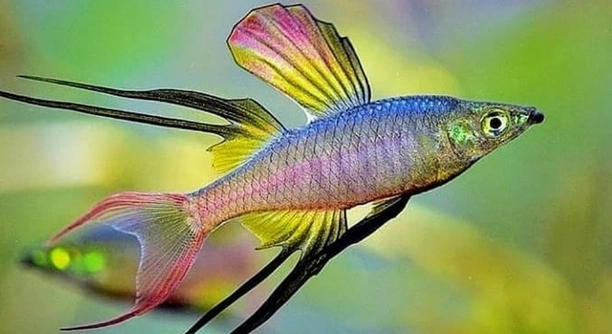
Are your threadfin swimming actively and exploring every corner of the tank? Observing your fish daily can reveal subtle signs of wellness. Healthy threadfin display behaviors that reflect their comfort, energy, and overall condition in their environment.
Healthy threadfin exhibit consistent swimming patterns, respond promptly to feeding, maintain vibrant coloration, display clear eyes, interact socially with other fish, and engage in natural foraging behaviors. These indicators collectively signify optimal physiological and behavioral health.
Recognizing these behaviors allows you to support your threadfin effectively and maintain a thriving aquatic environment for your fish. Proper observation ensures their well-being is consistently monitored.
Active Swimming Patterns
Threadfin that swim actively across the tank are generally showing good health. They explore their environment with curiosity, glide smoothly through the water, and rarely remain stationary for long periods. Consistent movement indicates strong muscle function, proper oxygen intake, and a balanced energy level. Active swimming also helps maintain their cardiovascular system and promotes natural behaviors. Observing how your threadfin navigate the tank provides insight into their overall well-being. Sudden changes in movement, like sluggishness or erratic swimming, may signal stress, illness, or environmental issues. Regular activity suggests your fish are comfortable with water temperature, pH levels, and tank mates. A lively fish is often easier to feed and monitor for changes, allowing you to respond quickly if anything seems off. By paying attention to these patterns, you can ensure the tank conditions support your threadfin’s physical and behavioral needs, contributing to a longer, healthier life. Maintaining cleanliness and appropriate tank size further encourages consistent activity.
Active swimming is a clear indicator of a healthy and well-adjusted threadfin. Consistent movement reflects proper energy and environmental comfort.
Monitoring swimming habits daily ensures early detection of potential issues. Adjusting tank conditions or diet can quickly restore normal behavior, keeping your fish thriving.
Social Interaction and Group Behavior
Threadfin are naturally social and often show clear group dynamics in the tank.
Healthy threadfin interact by swimming together, mirroring movements, and occasionally coordinating feeding activity. They establish mild hierarchies but generally avoid aggressive behaviors unless stressed. Observing how they respond to each other reveals both mental and physical health. Social interaction encourages exercise, reduces boredom, and prevents isolation-related stress. Fish that isolate themselves or show frequent aggression may be experiencing discomfort, illness, or inadequate tank conditions. By maintaining a balanced population, providing enough space, and ensuring compatible tank mates, you can promote positive social behavior. Proper lighting, hiding spots, and feeding routines also support interaction and reduce territorial disputes. Group swimming and synchronized activity are strong signs that your threadfin feel secure, have sufficient energy, and exhibit normal behavioral patterns. Over time, these behaviors create a stable environment where your fish can thrive, respond appropriately to changes, and maintain overall health and vitality in the aquarium.
Vibrant Coloration
Threadfin that display vibrant, consistent coloration are generally in good health. Dull or faded colors often indicate stress, poor diet, or illness. Healthy pigmentation reflects proper nutrition, strong immune function, and suitable tank conditions, including lighting and water quality.
Consistent vibrant colors show that your threadfin are thriving. Adequate protein and essential vitamins in their diet support their natural pigmentation. Proper water temperature and pH levels prevent stress-related color fading. Sudden changes in coloration should be addressed quickly, as they can signal health problems. Observing color patterns regularly helps you track overall well-being. Fish with strong, vivid colors are often more active and responsive, making them easier to care for and monitor.
Maintaining vibrant coloration also reflects stable social and environmental conditions. Stress from overcrowding or aggressive tank mates can dull color. Clean water and minimal fluctuations in temperature support skin health. High-quality food and occasional supplements, like carotenoids, can enhance natural hues. Lighting intensity and duration also influence how colors appear. Healthy fish are visually striking, and their consistent brightness indicates balanced metabolism, proper digestion, and strong immunity. Regular observation ensures early detection of any changes that could affect both health and appearance.
Clear Eyes and Fins
Threadfin with clear, bright eyes and intact fins demonstrate strong health and proper care. Cloudy eyes or frayed fins often indicate infection, injury, or poor water conditions.
Clear eyes and well-maintained fins indicate the absence of disease and physical damage. Cloudiness may suggest bacterial or parasitic infections, while frayed fins can result from aggression or rough surfaces. Proper tank hygiene, gentle handling, and avoiding overcrowding help maintain eye and fin health. Monitoring for subtle changes allows quick intervention before problems worsen. Regular water changes and stable conditions support tissue regeneration, reduce stress, and maintain overall well-being. Fish with clear eyes and intact fins are more likely to display normal behaviors, including feeding, swimming, and social interactions, which are essential indicators of vitality.
Fin and eye health also reflect long-term environmental stability. Sudden damage often correlates with rapid changes in water quality, temperature, or pH. Ensuring smooth tank surfaces prevents accidental tears, while separating aggressive individuals minimizes stress. Balanced nutrition contributes to tissue repair and strengthens immune function. Vitamins and minerals from high-quality diets support eye clarity, fin regeneration, and resistance to infections. Regular observation allows you to detect even minor issues early, preventing serious health concerns. Fish with clear eyes and strong fins are visually alert, active, and more likely to thrive in a properly maintained tank.
Consistent Feeding Response
Threadfin that respond quickly to feeding times are usually healthy. Hesitation or refusal to eat can indicate stress, illness, or poor water conditions.
Observing how your fish approach food helps monitor their energy levels. Eager feeding reflects proper metabolism, strong appetite, and overall vitality.
Natural Foraging Behavior
Healthy threadfin actively search for food in the tank, picking at substrate, plants, or decorations. This behavior demonstrates curiosity, energy, and proper mental stimulation. Lack of foraging can indicate boredom, stress, or dietary deficiencies. Encouraging natural feeding through varied diets and occasional live or frozen foods supports both physical health and behavioral enrichment. Maintaining an environment that allows exploration promotes normal patterns, helping your threadfin stay engaged, active, and resilient. Observing these behaviors ensures your fish are thriving and prevents long-term issues associated with inactivity or poor nutrition.
Smooth and Controlled Movement
Threadfin with smooth, controlled swimming are physically fit. Jerky or unsteady movements often signal health problems or water quality issues.
FAQ
How can I tell if my threadfin is healthy?
A healthy threadfin swims actively, maintains vibrant coloration, and responds promptly to feeding. Clear eyes, intact fins, and natural foraging behavior are also strong indicators. Observing social interactions and group dynamics helps confirm overall wellness, as healthy fish are usually curious and engaged with their environment.
Why is my threadfin swimming erratically?
Erratic swimming often signals stress, poor water quality, or illness. Sudden changes in behavior may be caused by rapid temperature fluctuations, high ammonia or nitrite levels, or overcrowding. Providing a stable environment, clean water, and proper tank mates usually restores normal swimming patterns.
What should I do if my threadfin refuses to eat?
Refusal to eat can indicate stress, illness, or improper diet. First, check water conditions, temperature, and tank cleanliness. Offering a variety of foods, including live or frozen options, can stimulate appetite. Monitoring for other symptoms like faded coloration or lethargy helps determine if veterinary attention is needed.
How often should I observe my threadfin?
Daily observation is ideal. Even brief check-ins allow you to notice changes in swimming, coloration, or social behavior. Consistent monitoring helps detect early signs of stress or illness, ensuring timely intervention and long-term health.
Can social behavior indicate health problems?
Yes. Healthy threadfin engage with each other, swim in groups, and sometimes mimic movements. Isolation, aggression, or lack of interaction may signal stress, injury, or illness. Maintaining compatible tank mates, adequate space, and proper hiding spots encourages normal social behavior.
What role does diet play in threadfin health?
Diet directly affects coloration, energy levels, immune function, and growth. Balanced nutrition with high-quality protein, vitamins, and minerals supports overall vitality. Feeding small, frequent portions helps maintain consistent energy and prevents digestive issues or obesity.
How important is water quality for my threadfin?
Water quality is crucial. Parameters like temperature, pH, ammonia, nitrite, and nitrate levels must remain stable. Poor water conditions can cause stress, fin damage, illness, and behavioral changes. Regular testing, water changes, and filtration maintenance ensure a healthy environment.
Why are my threadfin’s fins fraying?
Frayed fins may result from physical damage, aggression, or bacterial/fungal infections. Check for sharp objects, incompatible tank mates, or poor water conditions. Prompt attention with proper care, water maintenance, and, if necessary, treatments prevents further deterioration and supports recovery.
How can I encourage natural foraging?
Provide substrate, plants, and tank decorations to simulate natural habitats. Scatter food or use feeding tools to encourage exploration. Varied diets with live, frozen, or high-quality pellets promote mental stimulation, physical activity, and natural behavior patterns.
Is it normal for threadfin to change color?
Minor color shifts can occur due to lighting, diet, or mood, but sudden or dull changes may indicate stress, illness, or poor water conditions. Monitoring consistently helps distinguish normal variations from potential health issues, ensuring timely intervention when needed.
How can I tell if my threadfin is stressed?
Signs of stress include lethargy, erratic swimming, faded color, clamped fins, or hiding frequently. Common causes are overcrowding, poor water quality, aggressive tank mates, or sudden environmental changes. Addressing these factors promptly reduces stress and promotes recovery.
Should I separate sick threadfin from others?
Yes. Isolating sick or injured fish prevents the spread of disease and allows for targeted care. Use a quarantine tank with clean water and proper nutrition to support healing while protecting healthy tank mates.
How do I maintain long-term health for threadfin?
Provide a balanced diet, maintain stable water conditions, observe daily for behavioral changes, and ensure adequate space and compatible tank mates. Regular cleaning, monitoring, and enrichment activities support both physical and mental well-being. Preventive care is key to sustaining vitality and longevity.
Can environmental enrichment affect health?
Absolutely. Hiding spots, plants, and decorations allow exploration and reduce stress. Simulating natural conditions encourages activity, normal foraging, and social behavior, contributing to overall physical and mental health.
When should I consult a professional?
Consult a veterinarian or aquatic specialist if your threadfin shows prolonged lethargy, unusual swimming patterns, persistent color changes, fin deterioration, or loss of appetite. Early intervention improves recovery chances and prevents serious complications.
This FAQ provides practical guidance on observing, maintaining, and promoting threadfin health, emphasizing consistent care, proper nutrition, stable environmental conditions, and attentive monitoring. Following these practices ensures your fish remain active, vibrant, and resilient in the tank.
Final Thoughts
Observing your threadfin closely is the most effective way to ensure its health and well-being. Small details, like consistent swimming, vibrant coloration, and natural foraging behavior, provide clear indicators of how your fish is doing. Paying attention to these behaviors allows you to identify potential issues early, whether they stem from water quality, diet, or social interactions. Consistent monitoring helps maintain a stable environment, which is essential for keeping your threadfin active, stress-free, and thriving. Even minor changes, such as a slight decrease in activity or a small fade in color, can be an early signal that adjustments are needed. Taking note of these subtleties and addressing them promptly ensures your threadfin continue to display their natural behaviors and maintain strong health.
Maintaining proper tank conditions is another critical factor in supporting your threadfin’s health. Water quality, temperature, pH, and tank size all play a role in their physical and behavioral well-being. Regular cleaning, water changes, and monitoring of chemical levels prevent stress and disease. Tank decorations, plants, and hiding spots provide environmental enrichment, encouraging natural behaviors such as foraging and social interaction. Balanced nutrition is equally important, as it affects coloration, energy levels, immunity, and growth. Providing a variety of high-quality foods, including proteins, vitamins, and minerals, ensures your threadfin receive the nutrients necessary for optimal health. Combined with proper care and attentive observation, these measures create an environment where your fish can flourish consistently.
Social behavior, feeding patterns, and physical condition should all be observed regularly to gauge overall health. Healthy threadfin interact with their tank mates, swim actively, respond quickly to food, and maintain clear eyes and intact fins. Any significant deviations from these patterns can indicate stress, illness, or unsuitable conditions. Responding to these changes promptly prevents long-term problems and supports recovery. By understanding and monitoring these behaviors, you can create a tank that meets the physical and mental needs of your fish. Consistent attention, proper care, and thoughtful observation allow your threadfin to live a full, vibrant life, showing their natural behaviors and maintaining strong health over time.

Hello,
If you enjoy the content that we create, please consider saying a "Thank You!" by leaving a tip.
Every little bit helps us continue crafting quality advice that supports the health, happiness, and well-being of pets around the world, for pets of all shapes, sizes, and species.
We really appreciate the kindness and support that you show us!