
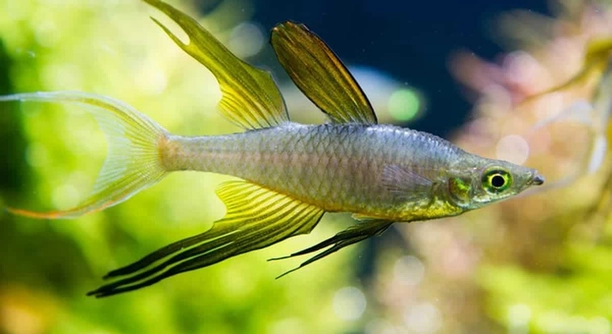
Threadfins are known for their sleek bodies and delicate fins, moving gracefully through the water. Their intelligence and curiosity often lead them to explore their surroundings in unexpected ways, sometimes simply for entertainment or discovery.
Threadfins engage in exploratory behaviors that may include examining unfamiliar objects, investigating light or movement changes, and interacting with environmental features. Such activities are motivated by curiosity, cognitive stimulation, and the natural drive to understand their habitat.
Observing these behaviors can reveal surprising aspects of their personality and intelligence. Their playful interactions show that even small fish can have complex interests and habits.
Investigating New Objects
Threadfins often show interest in new items placed in their tank or natural environment. When a small object appears, they approach cautiously, circling it and sometimes nudging it with their fins. This behavior is not aggressive but exploratory, allowing them to gather information through touch and sight. Changes in water flow or the object’s reflection can also attract attention, encouraging repeated investigation. Over time, threadfins may develop preferences for certain textures or shapes, returning to them frequently. Their interest in objects can be a sign of mental stimulation, helping to keep them active and engaged. Providing safe, varied items can enrich their environment and support their natural curiosity. Watching them interact can be quietly rewarding, revealing how even simple creatures notice small changes and react in ways that seem almost playful. Such behaviors emphasize the intelligence inherent in these fish.
Introducing new items can enhance a threadfin’s engagement and prevent boredom in captivity.
Regularly changing and monitoring the items ensures their environment remains stimulating while maintaining safety and cleanliness for healthy development.
Following Movement Patterns
Threadfins are highly attentive to motion in their surroundings. Small shifts in light, the ripple of water, or the movement of other fish can catch their attention. They may follow objects for minutes, demonstrating focused tracking behavior. This is often part of their natural hunting and foraging instincts, even if food is not involved. Observing these reactions helps to understand how threadfins process visual cues and adapt to environmental changes. Repeated exposure to moving objects can sharpen their reflexes and improve coordination, which is important for their overall well-being.
Tracking movement reveals their natural responsiveness to stimuli and helps them develop better spatial awareness.
In addition to simple curiosity, movement tracking is closely tied to survival instincts. In the wild, threadfins rely on detecting small shifts in their environment to locate prey or avoid predators. Their eyes are adapted for clarity and sensitivity, allowing them to detect even subtle changes in light and motion. Watching their reactions in a controlled environment can offer insight into their problem-solving skills and attention span. Fish that actively engage with moving objects tend to display higher levels of activity and general health. Providing opportunities for motion observation, such as floating items or gentle water currents, supports mental stimulation. Over time, these behaviors may become part of daily routines, reflecting both instinctual and learned patterns. Careful observation can help caretakers understand individual differences, preferences, and even social behaviors when multiple fish are present. Monitoring these interactions encourages a deeper appreciation for their intelligence and adaptability.
Playing with Shadows
Threadfins often interact with shadows cast in their environment, moving toward or away from them. These reactions can be a sign of curiosity, as they try to understand the source and shape of the shadow.
Shadows create a simple form of visual stimulation for threadfins. They may follow shifting patterns caused by light or objects outside the tank, occasionally touching the shadowed area with their fins. This behavior allows them to practice coordination and spatial awareness. In some cases, threadfins treat shadows as temporary obstacles or playthings, pushing and circling them repeatedly. Tracking shadows may also simulate hunting exercises, sharpening attention and response. Consistent exposure can encourage mental engagement, preventing lethargy. Observing these interactions provides insight into how threadfins perceive light and motion, revealing a surprisingly complex thought process.
Interaction with shadows is not purely random. Threadfins often anticipate changes, adjusting their movements to match the shift. This suggests a level of planning and recognition. Over time, certain lighting conditions may become preferred, as the fish learn which areas provide the most interesting shadow patterns. Engaging with shadows may also reduce stress, offering both entertainment and comfort. Their attention to subtle changes highlights intelligence and curiosity, making these behaviors important for enrichment. Tracking these patterns helps maintain an environment that encourages natural instincts and daily activity.
Investigating Water Currents
Threadfins actively explore water currents, swimming against or along them to test strength and direction. This helps them understand their environment and exercise control over their movements.
Currents stimulate both physical and mental activity. Threadfins may repeatedly swim through different speeds and directions, observing how water flow affects motion and balance. This interaction aids in strengthening muscles and refining coordination, which is essential for navigating complex habitats. Currents can also mimic natural conditions, offering subtle challenges that engage their problem-solving abilities. By observing changes in water movement, threadfins learn patterns that assist with foraging and predator avoidance. This exploration reflects an instinctive need to assess environmental conditions, while also serving as a form of entertainment. Regular exposure encourages healthy activity, improving overall vitality and responsiveness.
Water currents also provide sensory feedback. Threadfins sense subtle shifts through their lateral line system, which detects vibrations and pressure changes. This allows them to adjust posture, speed, and direction efficiently. Repeated interactions strengthen these skills, improving swimming precision and reaction time. Currents may also influence social behavior, as multiple threadfins navigate together, coordinating movements in response to the flow. Understanding and experimenting with currents demonstrates adaptability and intelligence, reflecting natural instincts even in captivity. Providing controlled currents offers stimulation while promoting both mental engagement and physical fitness.
Exploring Plant Life
Threadfins often swim around plants, brushing against leaves and stems. They seem to enjoy the texture and the way plants move in the water, showing a natural curiosity toward their environment.
Interaction with plants can provide mental stimulation and physical activity. Threadfins may weave through foliage, testing space and agility. Observing them shows how they use their fins to navigate delicate areas without causing harm. Plants also offer hiding spots, encouraging natural behaviors like peeking and darting. This exploration can reduce stress and promote a sense of security, while keeping them active. Watching threadfins engage with plants highlights their playful nature and attention to detail.
Observing Tank Mates
Threadfins pay close attention to the behavior of other fish in their vicinity. They watch movements, mimic actions, and respond to gestures, indicating social awareness and interaction skills.
Testing Boundaries
Threadfins often approach tank edges and corners to test limits. This behavior helps them understand spatial constraints, avoid obstacles, and adjust swimming patterns for efficiency.
What types of objects do threadfins prefer to investigate?
Threadfins are attracted to small, lightweight objects that move slightly or cast reflections in the water. Items with varied textures, shapes, or gentle movement tend to hold their attention longer. Smooth surfaces may be nudged and pushed, while irregular or reflective objects often spark repeated investigation. Providing safe, non-toxic items helps encourage natural exploration without causing harm. Objects that float or drift with the current can also be particularly engaging, as threadfins can chase or track them, mimicking natural foraging behaviors. Regularly rotating these items keeps interest high and prevents boredom.
How do threadfins respond to shadows?
Shadows in the tank or habitat can capture a threadfin’s attention for minutes at a time. They may follow a shadow’s movement, circle around it, or touch it gently with their fins. These behaviors appear to be a mix of curiosity and practice, helping them refine coordination and spatial awareness. Shadows can simulate objects passing overhead in the wild, providing subtle stimulation. Threadfins may even anticipate shifts in lighting and move in response, indicating recognition and pattern observation. Consistent exposure can keep them mentally engaged and physically active, supporting overall well-being.
Do threadfins interact with water currents for fun?
Yes, threadfins frequently explore currents by swimming with or against the flow. This behavior strengthens muscles and helps them practice control over movement. Currents provide constant variation, which encourages problem-solving as the fish adjust their speed and direction. In multi-fish tanks, currents can also influence social behaviors, as threadfins coordinate movement in response to others. Repeated engagement with varying currents can improve reflexes and spatial awareness, simulating natural conditions. Providing controlled water flow in captivity ensures both mental stimulation and physical exercise, keeping threadfins active and attentive.
Why do threadfins investigate other fish?
Threadfins are social and naturally curious, often watching tank mates closely. They observe movements, mimic actions, and sometimes follow other fish to learn about their behavior. This social investigation can help them establish a hierarchy or understand potential threats and opportunities. Interaction with other fish also stimulates their mind and encourages physical activity through chasing or coordinated swimming. By observing these patterns, caretakers can gauge social dynamics and identify any signs of stress or dominance issues. Providing ample space and environmental complexity supports healthy interactions and prevents conflict.
Are plants important for threadfin exploration?
Plants are highly engaging for threadfins. They provide texture, hiding spots, and varying movement in water currents. Fish weave through leaves, brush against stems, and use plants as temporary cover while exploring. This interaction supports natural behaviors, encourages movement, and reduces stress. Plants can also mimic conditions found in their natural habitat, offering both mental and physical enrichment. Observing threadfins among plants highlights their attention to detail, playfulness, and ability to navigate complex environments. Regular maintenance and rotation of plants help maintain cleanliness while keeping exploration stimulating.
How can I safely encourage exploration in threadfins?
Providing a variety of safe, non-toxic objects, controlled currents, and live or artificial plants encourages natural exploration. Items should be rotated periodically to maintain interest. Observing their reactions helps tailor enrichment to their preferences. Ensuring the tank is appropriately sized and free from hazards allows freedom of movement while minimizing stress. Avoid overcrowding to prevent competition or territorial aggression, which can reduce exploration. Introducing subtle changes in light patterns, shadows, or gentle currents can further stimulate curiosity. Consistent care and observation help threadfins remain engaged, active, and mentally sharp over time.
Do threadfins show signs of boredom without stimulation?
Yes, threadfins may become less active, swim aimlessly, or repeatedly bump into objects when bored. Lack of environmental variety or interaction can lead to reduced activity and increased stress. Regular enrichment, such as objects, currents, and social interaction, helps prevent this. Active engagement encourages natural behaviors, keeping them healthy and alert. Observing subtle changes in movement or attention can indicate when additional stimulation is needed. Boredom can be mitigated with safe, varied challenges that encourage curiosity, exploration, and physical exercise, promoting both mental and physical health over the long term.
How do threadfins react to light changes?
Threadfins respond quickly to changes in light, moving toward brighter areas or avoiding sudden shadows. Gradual light shifts often encourage exploration of previously unnoticed spots. Controlled lighting can simulate natural conditions, offering stimulation without causing stress. Observing reactions provides insight into their sensory perception and attention to detail. Light changes can enhance visual tracking behaviors, encouraging focus and coordination. Using adjustable lighting schedules helps maintain a balanced environment. Sudden or harsh changes should be avoided, as they may trigger stress responses. Proper light management supports activity, curiosity, and overall well-being.
Can exploration behaviors indicate health issues?
Yes, changes in normal exploration can signal health concerns. Reduced curiosity, lethargy, or erratic movements may indicate stress, illness, or environmental discomfort. Monitoring how threadfins interact with objects, currents, plants, and other fish provides valuable information about their condition. Sudden disinterest or abnormal patterns should prompt a review of water quality, diet, and tank conditions. Early detection of unusual behavior can prevent more serious problems. Ensuring consistent enrichment and a safe habitat supports both mental stimulation and physical health. Active and engaged threadfins typically reflect optimal well-being and proper care.
How often should enrichment items be changed or rotated?
Enrichment should be varied regularly, approximately every one to two weeks, to maintain interest. Rotating objects, altering currents, or rearranging plants prevents habituation and keeps exploration engaging. Consistent observation allows adjustment based on preferences or activity levels. Providing a dynamic environment encourages mental stimulation, physical exercise, and natural behaviors. Over time, careful rotation can highlight individual preferences and improve overall engagement. Avoid sudden or drastic changes, as gradual adjustments maintain comfort while still promoting curiosity. This approach ensures threadfins remain active, healthy, and mentally sharp without overwhelming them.
Threadfins are fascinating creatures that show curiosity in many ways. Their interest in objects, shadows, plants, and currents reflects a natural intelligence that is often overlooked. Observing how they investigate their surroundings can be rewarding, as it reveals small details about their behavior and preferences. Each threadfin may have unique habits, such as following a shadow for several minutes, testing a water current repeatedly, or exploring a particular plant. These behaviors are not just random; they demonstrate how the fish interact with their environment and adapt to changes. Even subtle actions, like nudging an object or swimming along a new pathway, provide insight into their perception and learning ability. Providing varied enrichment, safe spaces, and gentle environmental changes encourages these natural behaviors, helping threadfins stay active and mentally engaged. Over time, regular observation allows caretakers to understand the nuances of each fish, including favorite objects, preferred hiding spots, or tendencies in social interaction. These small insights contribute to better care and a more stimulating environment that mimics natural conditions.
The interaction of threadfins with their surroundings also highlights the importance of mental and physical stimulation in captivity. Items that move, currents that shift, and plants that sway all serve as opportunities for exploration and exercise. Through these interactions, threadfins practice coordination, balance, and spatial awareness, which are crucial for their overall health. A tank without enrichment can lead to inactivity or stress, while a dynamic environment encourages natural instincts and curiosity. Even social behaviors, such as watching or mimicking other fish, are enhanced when the environment is engaging and varied. Providing consistent yet safe challenges helps threadfins develop both physically and cognitively. This engagement also allows caretakers to notice subtle changes in behavior that may indicate health issues, stress, or preferences, which can guide improvements in care. Understanding the motivations behind these behaviors helps create a habitat that supports their needs, encourages activity, and reduces boredom or lethargy.
Finally, caring for threadfins requires attention to detail, observation, and a willingness to adapt their environment to meet their needs. Enrichment should be rotated regularly, currents monitored, plants maintained, and light changes introduced gradually to support exploration. Each behavior, from testing tank boundaries to following moving shadows, provides insight into their intelligence and adaptability. By paying attention to these natural tendencies, caretakers can promote both mental stimulation and physical exercise, ensuring the fish remain healthy and active. Observing threadfins at play demonstrates that even small fish can have complex interests and habits, reflecting intelligence and curiosity in subtle ways. Creating an environment that balances safety, stimulation, and comfort encourages them to explore and engage with their surroundings, supporting long-term well-being. These considerations make caring for threadfins a rewarding experience, as their natural behaviors and subtle personalities become more apparent with thoughtful attention and observation.

Hello,
If you enjoy the content that we create, please consider saying a "Thank You!" by leaving a tip.
Every little bit helps us continue crafting quality advice that supports the health, happiness, and well-being of pets around the world, for pets of all shapes, sizes, and species.
We really appreciate the kindness and support that you show us!