
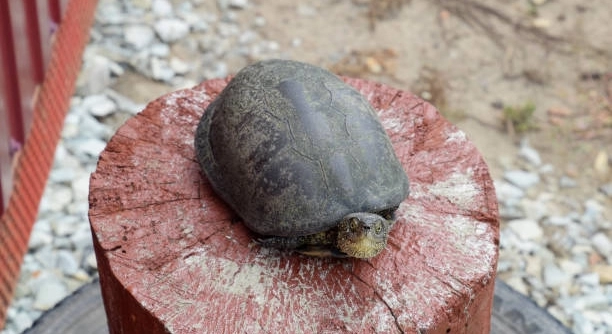
Musk turtles are unique creatures with specific preferences when it comes to their diet. While they are often thought to enjoy a variety of fruits, there are reasons why some fruits are rejected. Understanding these reasons can help owners make better dietary choices for their pets.
Musk turtles reject certain fruits due to their acidity, sugar content, and texture. These factors can cause discomfort, digestive issues, or simply fail to appeal to their natural feeding instincts. Turtles have specific preferences and tolerances when it comes to food.
Identifying the right fruits for your turtle is essential for its health. There are several ways to adjust their diet to meet their needs and keep them happy. We will explore solutions to address these feeding challenges effectively.
Why Musk Turtles Are Picky Eaters
Musk turtles have a selective nature when it comes to food. They are not as willing to accept just any fruit offered to them. Their digestive systems are sensitive, and certain fruits can cause discomfort or even harm. High-acid fruits like citrus can upset their stomachs, while sugary fruits may lead to digestive imbalances. Additionally, the texture of some fruits may not be to their liking. Musk turtles naturally prefer foods that are closer to their natural diet, which consists mainly of aquatic plants, insects, and small fish. When they reject certain fruits, it’s their way of protecting themselves from potential harm.
Despite their picky eating habits, finding the right fruits can still be beneficial. It’s about understanding their preferences and limitations. By choosing fruits with the right balance of nutrients, you can help your turtle stay healthy without causing digestive stress. Experimenting with different textures and flavors can help narrow down what works best for your turtle’s diet.
Musk turtles are creatures of habit. Once they find a fruit they like, they’ll tend to eat it regularly. With the right approach, you can introduce healthy options while keeping them satisfied.
Solutions for Feeding Musk Turtles
Offering the right variety of fruits can make a significant difference. Consider introducing soft, mild fruits like melon or berries, which are lower in acid and easier on their digestion. Always ensure that the fruits are ripe and fresh to avoid any added risks from spoiled or overripe produce.
To help your turtle enjoy more fruits, try pairing them with some of their favorite treats, like aquatic plants or insects. This way, they may associate the fruit with something they already enjoy. Start small and observe their reactions. The key is to gradually increase the amount without overwhelming their system. You can also chop the fruit into small, manageable pieces to make it easier for your turtle to consume. Adjust the fruit offerings as needed, based on how your turtle reacts to different types. This can help you discover which fruits work best for them.
Identifying the Right Fruits for Musk Turtles
Choosing the right fruit is crucial for your turtle’s health. Fruits like apples, melons, and berries are generally safe and well-tolerated by most musk turtles. Always avoid fruits with too much acid, like citrus, as they can upset their digestive system. Keep in mind that fruit should be given in moderation.
Fruits should be fresh and ripe, as overripe or spoiled fruits can cause issues. For instance, watermelon and cantaloupe are soft, easy to digest, and often preferred. They provide a good balance of hydration and nutrients. Berries like strawberries or blueberries also offer antioxidants and are often gentle on their stomach.
Introducing new fruits gradually is key. If you’re unsure whether your turtle will accept a fruit, offer a small piece and observe their reaction. Watch for any signs of digestive discomfort, like bloating or a lack of interest. By testing different fruits, you can find the right balance for your turtle’s diet.
When to Avoid Certain Fruits
There are times when even safe fruits should be avoided. If your turtle is ill, stressed, or going through a shedding phase, you should refrain from introducing new fruits. The added sugars and acidity can worsen their condition. Stick to more neutral foods like aquatic plants and protein sources.
When your turtle shows signs of discomfort after eating certain fruits, it’s best to avoid them in the future. This might include excessive hiding, lethargy, or a change in their eating behavior. Keep an eye on their overall health, and adjust their diet accordingly. It’s always important to listen to your turtle’s needs.
How to Prepare Fruits for Musk Turtles
Preparing fruit for your turtle is simple. Wash the fruit thoroughly to remove any pesticides or chemicals that could harm your turtle. Cut it into small, bite-sized pieces, making it easier for them to consume. For larger fruits like melons, remove the seeds before feeding them.
Avoid adding any sweeteners or artificial flavorings to the fruit. These can upset their delicate digestive system and cause long-term health problems. It’s important to maintain the natural taste and freshness of the fruit. Preparing the fruit correctly helps ensure your turtle gets the full nutritional benefits.
Incorporating Fruits into a Balanced Diet
Fruits should complement your turtle’s diet, not replace it. Musk turtles need a variety of foods, including protein and plant-based options. Offer fruits as an occasional treat rather than a primary food source. A balanced diet will help keep your turtle healthy and active in the long term.
A diet that includes both fruits and vegetables provides essential vitamins and minerals. Adding insects or small fish occasionally ensures they get the protein they need for growth and energy. By diversifying their diet, you support their overall well-being and keep them interested in eating.
FAQ
Why do musk turtles reject certain fruits?
Musk turtles may reject certain fruits because of their acidity, high sugar content, or texture. Some fruits can irritate their sensitive digestive systems, while others may not match their natural feeding habits. Turtles prefer softer, less sugary options that are closer to what they would eat in the wild.
Can I feed musk turtles citrus fruits?
Citrus fruits, such as oranges and lemons, should be avoided. They are high in acidity, which can lead to stomach upset or digestive discomfort in musk turtles. It’s best to stick with milder, less acidic fruits like melons, berries, and apples.
How often should I feed my musk turtle fruits?
Fruits should be given as an occasional treat, not a regular part of their diet. Offering fruits once or twice a week is ideal. Too much fruit can cause an imbalance in their diet, especially with the high sugar content. Stick to a varied diet to maintain their health.
Are there any fruits that are dangerous for musk turtles?
Some fruits, such as grapes, can be harmful to musk turtles. Grapes contain high levels of sugar and can lead to digestive problems. Additionally, fruits with large seeds, like cherries or peaches, should be avoided as the seeds can be a choking hazard.
Can musk turtles eat bananas?
Bananas can be fed to musk turtles in moderation. They are high in sugar, so they should not be a regular part of their diet. Offering a small slice once in a while is okay, but always balance their diet with other more suitable foods like vegetables and protein.
How can I make fruits more appealing to my turtle?
If your turtle is picky about fruits, try offering a variety of textures. For example, chop or blend soft fruits into small pieces or puree them. Mixing fruit with their favorite foods, like small fish or aquatic plants, can also encourage them to eat it.
Can musk turtles eat fruits with skin?
It’s generally safe for musk turtles to eat fruits with skin, as long as the skin is not too thick or tough. For example, they can eat apple or melon skin. Just make sure to wash the fruit thoroughly to remove any chemicals or pesticides.
Should I peel fruits before feeding them to my turtle?
Peeling fruits is optional and depends on the type of fruit. For example, you can peel thick-skinned fruits like bananas or oranges, but fruits with thinner skins, like apples, can be fed with the skin on after proper washing. It’s important to avoid any toxic or harmful residues.
Can I feed my musk turtle dried fruits?
Dried fruits are not recommended for musk turtles. They are often high in sugar and lack the hydration that fresh fruits provide. Fresh, water-rich fruits like watermelon or berries are a better choice for your turtle’s health and digestion.
Is it okay to feed my musk turtle fruit every day?
Feeding your musk turtle fruit every day is not a good idea. Too much fruit can lead to weight gain and digestive problems due to the high sugar content. Fruits should be offered as an occasional treat, with the focus on a balanced diet of vegetables, protein, and water-based plants.
What are some fruits that musk turtles enjoy?
Musk turtles generally enjoy fruits that are soft and not too acidic. Some good options include melon, strawberries, blueberries, and apples. These fruits are more digestible and provide nutrients that complement their natural diet. Always cut them into small, manageable pieces to make eating easier.
Can I feed my musk turtle fruits in the winter?
Yes, you can feed musk turtles fruits in the winter as long as the fruit is fresh. However, during colder months, turtles tend to eat less and may enter a semi-hibernation state. Focus on offering nutrient-rich foods that are easier for them to digest and keep their energy up during this time.
How can I tell if my musk turtle is not liking the fruit?
If your musk turtle rejects fruit, they might push it away, avoid it, or refuse to eat it. Some turtles may even show signs of discomfort like bloating or lethargy after eating certain fruits. If this happens, try switching to a different fruit or offering a smaller amount.
Can musk turtles eat fruit along with other foods?
Yes, musk turtles can eat fruit along with other foods. Just ensure that the fruit is part of a balanced diet. Pairing fruit with vegetables, small fish, or aquatic plants can give your turtle a variety of nutrients. However, be cautious about giving too much fruit at once.
Are there any fruits that help with my turtle’s hydration?
Watermelon, cantaloupe, and cucumbers are excellent fruits to help keep your turtle hydrated. These fruits have high water content, which can aid in hydration, especially if your turtle is not swimming much or eating water-based plants. These fruits provide hydration without causing digestive upset.
How can I make sure my turtle is getting the right nutrients from fruit?
While fruit offers vitamins and minerals, it should be a part of a larger, well-balanced diet. Include leafy greens, protein sources, and aquatic plants in their meals. By balancing fruit with other essential foods, you’ll make sure your turtle gets all the nutrients it needs for optimal health.
Final Thoughts
Musk turtles, like many pets, have specific dietary needs. While they may enjoy some fruits, it’s important to be mindful of which ones to offer. Fruits like melons, berries, and apples are often well-accepted because they are easier on their digestive systems. However, fruits that are too acidic or high in sugar should be avoided. Overfeeding fruits can lead to digestive issues, weight gain, or imbalances in their diet. It’s essential to strike a balance between fruit and other essential foods like vegetables, protein, and water-based plants.
By offering a variety of fruits and monitoring your turtle’s reactions, you can determine which options are best for them. Each turtle has its own preferences, and it might take some trial and error to find what works. Be patient and cautious when introducing new foods. Always wash fruits thoroughly and remove any seeds or pits that might pose a choking hazard. While fruits can provide hydration and vitamins, they should always complement a well-rounded diet rather than replace more necessary foods.
Taking the time to understand your musk turtle’s dietary needs will help ensure they stay healthy and happy. It’s not just about feeding them; it’s about giving them the right nutrition for a long, healthy life. Fruits should be treated as an occasional treat, not a primary food source. By providing a variety of options and sticking to the foods that best suit your turtle’s natural diet, you’ll be setting them up for success. Whether you’re introducing new fruits or sticking to old favorites, paying attention to their preferences and health will help guide your feeding decisions.

Hello,
If you enjoy the content that we create, please consider saying a "Thank You!" by leaving a tip.
Every little bit helps us continue crafting quality advice that supports the health, happiness, and well-being of pets around the world, for pets of all shapes, sizes, and species.
We really appreciate the kindness and support that you show us!