
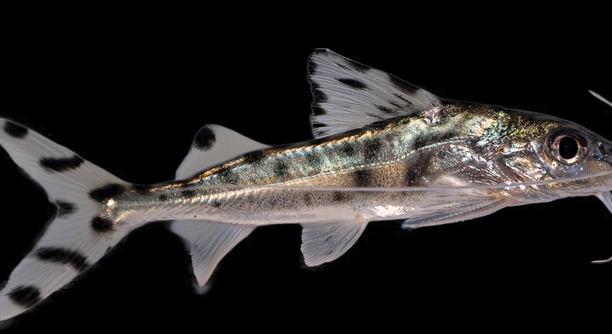
Pictus catfish are popular choices for freshwater tanks because of their peaceful nature and active behavior. Many aquarium owners want to know how these fish interact with plants in their environment. Understanding their eating habits can help maintain a balanced tank setup.
Pictus catfish primarily eat small invertebrates and leftover food, but they may occasionally nibble on soft plants. They do not rely on plants for nutrition, so choosing hardy plant species is recommended to prevent damage in the aquarium.
Knowing how pictus catfish affect plants can guide you in creating a healthy and attractive tank. Proper selection and care of plants ensure both fish and vegetation thrive together.
Do Pictus Catfish Eat Plants?
Pictus catfish are mainly bottom feeders that prefer protein-based foods like insects, larvae, and detritus. Their natural diet rarely includes plants, but they might occasionally nibble on soft or delicate leaves if food is scarce or out of curiosity. Hardier plants tend to withstand their mild grazing better. In a well-maintained tank, they focus mostly on scavenging leftovers and small prey rather than actively eating vegetation. This behavior makes them compatible with many types of live plants, especially those with tougher leaves or stems. Plant species such as Java fern, Anubias, and Amazon sword are usually safe choices. However, weak or young plants might suffer if left unprotected. Monitoring the tank environment and ensuring a balanced diet for the fish can help prevent unwanted plant damage. This way, both the catfish and plants can coexist comfortably in a shared space.
Pictus catfish do not generally rely on plants for food, but tank conditions affect their behavior.
Tank setup should include robust plants that can endure occasional nibbling and ensure enough food sources are provided to keep catfish from turning to plants out of hunger.
Best Plants for a Pictus Catfish Tank
Choosing the right plants is key when setting up a pictus catfish tank. Hard-leaved plants are the best option because they resist damage better than soft-leaved species. Java fern is a popular choice because it attaches to rocks and driftwood, making it harder for fish to uproot. Anubias also does well due to its sturdy leaves and slow growth. Amazon swords are larger plants with thick leaves that withstand mild grazing. Avoid delicate plants like mosses or floating species that can be easily disturbed or eaten. Adding plenty of hiding places with driftwood or rocks benefits the fish and protects the plants. Proper lighting and nutrient management support healthy plant growth, reducing the chance that fish will nibble out of hunger. Balancing fish care with plant needs creates a stable and appealing aquarium environment.
Plants with tougher leaves offer better protection against nibbling.
Selecting hardy plants and creating natural hiding spots help maintain a healthy, balanced tank for pictus catfish and vegetation alike.
Feeding Habits of Pictus Catfish
Pictus catfish mainly eat protein-rich foods like insects, worms, and leftover pellets. They are opportunistic feeders but do not depend on plants for nutrition.
Providing a balanced diet with sinking pellets and occasional live or frozen foods keeps them satisfied. This reduces the chance they will nibble on plants. They use their barbels to search the tank bottom for food, cleaning up uneaten bits efficiently. Pictus catfish are active at night, which is when they do most of their feeding.
Avoid overfeeding to prevent leftover food from decaying and harming water quality. Keeping the tank clean and feeding appropriate amounts ensures both fish health and plant survival. Well-fed catfish show less interest in plants and focus on their natural diet.
Tank Setup Tips for Healthy Plants
Using a substrate that supports plant roots is important. Fine gravel or sand works well for many aquatic plants. Nutrient-rich substrate or root tabs help plants grow strong.
Good lighting is necessary but avoid intense light that encourages algae growth. Moderate light for 8 to 10 hours daily supports plant photosynthesis without stressing the fish. Adding filtration with gentle water flow prevents damage to delicate plants while maintaining clean water.
Adding driftwood or rocks creates natural hiding spots and protects plants from being uprooted. Regular water changes and monitoring water parameters help maintain a healthy environment for both plants and pictus catfish. This balance keeps the tank thriving.
Common Plant Damage Signs
Yellowing or torn leaves can indicate plant stress or nibbling. Watch for uprooted plants or damaged stems as well. These signs show plants may need extra care or protection in the tank.
Improving plant health and providing enough food for pictus catfish usually reduces damage. Observing how fish interact with plants helps identify any issues early.
How to Protect Plants from Pictus Catfish
Using plant pots or placing plants in less accessible areas can limit damage. Attaching plants to driftwood or rocks helps keep them safe from uprooting. Dense planting also discourages nibbling by making it harder for fish to reach individual leaves. Protecting delicate plants early gives them a chance to establish and thrive alongside pictus catfish.
Choosing the Right Tank Size
A tank size of at least 30 gallons is ideal for pictus catfish. This provides enough space for swimming and hiding, reducing stress that might lead to plant damage. Larger tanks help maintain stable water conditions and accommodate more plants safely. Proper space contributes to a balanced and healthy aquarium environment.
Water Conditions for Pictus Catfish Tanks
Stable water parameters improve fish and plant health. Aim for a temperature between 72-79°F and a pH of 6.5-7.5. Regular testing helps maintain these conditions and supports long-term tank success.
FAQ
Do pictus catfish eat live plants?
Pictus catfish rarely eat live plants as part of their diet. They focus mostly on insects, small invertebrates, and leftover food. However, they might nibble on soft or weak plant leaves if they are very hungry or curious. Choosing tough, hardy plants helps reduce this risk.
Can pictus catfish damage aquarium plants?
Yes, pictus catfish can sometimes cause minor damage to plants by nibbling on soft leaves or uprooting them while searching for food. This is usually limited and avoidable by selecting strong-leafed plants and providing enough food. Adding decorations like driftwood helps protect plants from being disturbed.
What plants are best for a pictus catfish tank?
The best plants for pictus catfish tanks are those with sturdy leaves like Java fern, Anubias, and Amazon sword. These plants are less likely to be eaten or damaged. Avoid delicate or thin-leafed plants since they are more vulnerable to nibbling and uprooting.
How can I protect my plants from pictus catfish?
To protect plants, anchor them to rocks or driftwood, and use pots if needed. Planting densely or in groups helps keep fish from focusing on one plant. Providing plenty of hiding spots and feeding your catfish a balanced diet also reduces plant damage.
What should I feed pictus catfish to keep them healthy?
A balanced diet includes sinking pellets designed for catfish, frozen or live foods like bloodworms or brine shrimp, and occasional vegetable treats. Feeding a variety of foods prevents boredom and ensures proper nutrition, lowering the chance they will nibble on plants.
How large should the tank be for pictus catfish?
A tank size of at least 30 gallons is recommended. This provides enough space for swimming and plants while helping maintain stable water conditions. Larger tanks also reduce stress, which can lead to healthier fish and plants.
What water conditions do pictus catfish prefer?
Pictus catfish thrive in temperatures between 72°F and 79°F and prefer slightly acidic to neutral pH, around 6.5 to 7.5. Clean, well-filtered water with regular changes supports their health and the wellbeing of plants.
How often should I feed pictus catfish?
Feeding once or twice a day is usually sufficient. Only offer what they can eat within a few minutes to avoid leftover food spoiling the tank. Proper feeding habits help keep water quality high and reduce stress on fish.
Will pictus catfish uproot plants?
They might accidentally uproot plants while searching for food, especially if the substrate is loose or plants are not well anchored. Using heavier substrates and securing plants can prevent this issue.
Do pictus catfish need live plants to be happy?
No, pictus catfish do not require live plants, but plants can improve tank aesthetics and provide hiding places. Including hardy plants can create a more natural environment and offer extra comfort for the fish.
Can pictus catfish live with other plant-eating fish?
Yes, but monitoring is important. Some plant-eating species may cause more damage, so choosing compatible fish and protecting plants with tougher leaves is key to a peaceful tank.
How do I know if my pictus catfish are hungry?
Signs include increased activity during feeding times, searching the substrate actively, or nibbling on plants. Ensuring a consistent feeding schedule helps prevent hunger-driven behaviors.
Is it necessary to use fertilizers in a pictus catfish tank?
Fertilizers can help plants grow strong, especially in tanks with limited natural nutrients. However, excess fertilizers might affect water quality, so use them carefully and monitor fish health.
Can pictus catfish eat algae?
While they may occasionally nibble on algae, pictus catfish are not effective algae eaters. Algae control is better handled with dedicated species like plecos or snails.
What kind of substrate is best for plants and pictus catfish?
Fine gravel or sand works well, allowing plants to root securely and making it easy for catfish to forage. Avoid sharp or rough substrates that could harm the catfish’s barbels.
Final Thoughts
Pictus catfish are fascinating and active fish that bring life to freshwater tanks. Their eating habits mainly focus on protein sources such as insects, small invertebrates, and leftover food. While they may occasionally nibble on soft plants, they do not depend on vegetation for nutrition. Understanding this helps aquarium owners choose suitable plants that can survive alongside these fish. By selecting hardy species like Java fern, Anubias, and Amazon sword, it is easier to maintain a balanced tank where both plants and fish thrive. Paying attention to how your catfish interact with the plants can also prevent unwanted damage and keep your aquarium looking its best.
Tank setup plays an important role in supporting both pictus catfish and live plants. Using a nutrient-rich substrate and providing moderate lighting creates a healthy environment for plants to grow strong. Adding decorations like driftwood and rocks offers natural hiding spots for the fish and protects plants from being uprooted. Regular water changes and stable water conditions are essential for the wellbeing of both fish and vegetation. Feeding your pictus catfish a balanced diet with sinking pellets and occasional live or frozen foods reduces their interest in nibbling on plants. These simple steps help maintain a peaceful, attractive aquarium where fish and plants coexist naturally.
In the end, caring for pictus catfish with live plants is about balance and attention. Providing the right plants, proper tank conditions, and suitable food creates an environment where your fish remain healthy and plants stay intact. While pictus catfish might nibble on soft leaves occasionally, most plant damage can be prevented with proper care. Watching your tank regularly allows you to spot any issues early and make adjustments as needed. With thoughtful planning and maintenance, your pictus catfish tank can be a beautiful, lively, and sustainable habitat for both fish and plants.

Hello,
If you enjoy the content that we create, please consider saying a "Thank You!" by leaving a tip.
Every little bit helps us continue crafting quality advice that supports the health, happiness, and well-being of pets around the world, for pets of all shapes, sizes, and species.
We really appreciate the kindness and support that you show us!