
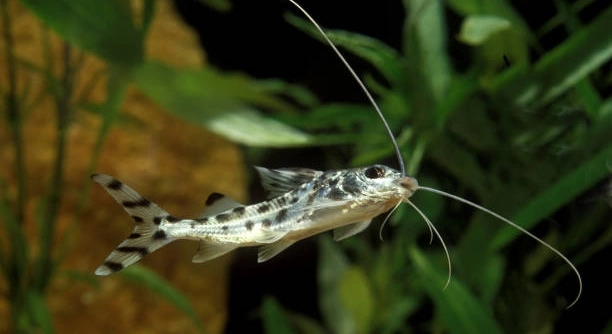
Introducing new Pictus catfish to your aquarium can be both exciting and challenging. These active fish need proper care when joining an established tank to avoid stress and conflict. Making the transition smooth helps keep your aquarium peaceful and healthy.
Introducing new Pictus catfish without chaos requires careful acclimation, maintaining water quality, and observing their behavior closely. Gradual introduction minimizes territorial disputes and stress, ensuring a stable environment for both new and existing fish populations.
Knowing how to introduce your catfish calmly will protect their health and your tank’s balance. Following simple steps can make all the difference for a peaceful aquarium experience.
Preparing the Tank for New Pictus Catfish
Before bringing new Pictus catfish home, it is important to prepare the tank properly. Start by checking the water parameters such as temperature, pH, and hardness. These should match the new fish’s natural needs to reduce stress. Clean the tank thoroughly but avoid changing all the water at once, as stable conditions help fish settle. Adding plenty of hiding spots with plants, rocks, or driftwood is essential because Pictus catfish like to explore but also need places to retreat. Make sure the tank size is adequate, as these fish grow fairly large and swim actively. Removing aggressive tank mates or separating fish that show signs of bullying will protect the newcomers. This preparation creates a calm environment, which helps new catfish adjust more easily and reduces the chance of aggression.
A well-prepared tank makes the introduction smoother and helps the new fish feel safe from the start.
Taking time to set up the tank carefully avoids common problems like stress, injury, or territorial fights. Ensuring stable water quality and enough hiding spaces encourages peaceful behavior and supports healthy fish development. With everything ready, you can focus on a gradual introduction that respects both the new Pictus catfish and the existing inhabitants.
Proper Acclimation Techniques
Acclimating Pictus catfish slowly is vital to their well-being. This process helps them adjust to new water conditions and reduces shock.
To start, float the sealed bag containing the new fish in the tank for about 20 minutes. This equalizes the temperature inside the bag and the tank. Next, gradually add small amounts of tank water to the bag every 10 minutes for about an hour. This step slowly introduces the fish to the new water chemistry. Avoid pouring the bag water directly into the tank, as it may carry unwanted contaminants. Once acclimated, gently release the fish using a net rather than pouring. Keeping the process slow and gentle lowers stress levels, improving survival chances and helping the fish settle quickly.
Proper acclimation is a simple step that ensures your Pictus catfish start their new home with less trauma and better health.
Monitoring Behavior After Introduction
Watch your new Pictus catfish closely in the first few days. Look for signs of stress, such as hiding constantly or refusing to eat.
If aggression appears, separate the fish quickly to avoid injury. Keep feeding small amounts regularly to encourage normal behavior. Avoid sudden changes in light or water during this period. Observe how they interact with tank mates to spot any territorial disputes early.
Keeping an eye on their activity helps catch problems before they escalate. Early detection allows you to make changes that keep your fish safe and comfortable, making their transition easier for everyone in the tank.
Maintaining Water Quality
Consistently good water quality is crucial for Pictus catfish health. Perform partial water changes regularly, about 20% each week, to remove waste and toxins. Use a reliable water testing kit to monitor ammonia, nitrites, and nitrates, as these can quickly affect your fish. Keep filters clean but avoid washing them too thoroughly to preserve beneficial bacteria. Stable temperature and pH levels are also key to reducing stress. Adding a gentle aeration source helps maintain oxygen levels, especially if the tank is heavily stocked. By maintaining these conditions, your catfish will be more resistant to disease and adapt better to their environment. Consistency in water quality is one of the best ways to avoid problems and keep your aquarium thriving over time.
Feeding Tips for New Pictus Catfish
Feed your new Pictus catfish small amounts several times a day. They prefer sinking pellets and live or frozen foods like bloodworms.
Avoid overfeeding to prevent water quality issues. Remove uneaten food promptly to keep the tank clean and reduce stress for all fish.
Creating a Stress-Free Environment
Keep the tank lighting soft during the first week to help the catfish feel secure. Loud noises and sudden movements should be minimized near the aquarium.
Soft lighting and calm surroundings reduce stress, making it easier for your new Pictus catfish to explore and settle in their new home.
Handling Health Concerns Early
Watch for signs like faded color, clamped fins, or lethargy. Early detection of illness allows prompt treatment, preventing serious problems.
Prompt action helps keep your fish healthy and maintains harmony within your tank.
FAQ
How long should I acclimate new Pictus catfish before releasing them into the tank?
Acclimation should take at least one hour. Start by floating the sealed bag in your tank for 20 minutes to equalize temperature. Then, gradually add small amounts of tank water to the bag every 10 minutes. This slow process helps your catfish adjust to water chemistry changes and reduces stress.
Can I introduce multiple Pictus catfish at once?
Yes, but it’s best to acclimate them together if they come from the same source. Introducing multiple catfish simultaneously helps reduce aggression because they settle as a group rather than a single new fish facing the established inhabitants alone.
What tank size is suitable for Pictus catfish?
A minimum of 30 gallons is recommended for a few Pictus catfish. They grow up to 5 inches and are active swimmers, so a spacious tank allows them to explore without stress. A larger tank also helps spread out territories and reduce conflicts.
How do I recognize if Pictus catfish are stressed?
Common signs include hiding constantly, loss of appetite, clamped fins, and erratic swimming. Stress can result from poor water quality, overcrowding, or aggressive tank mates. Addressing these issues quickly can prevent illness.
What foods are best for Pictus catfish?
They prefer a varied diet including sinking pellets, live or frozen bloodworms, brine shrimp, and tubifex worms. Feeding small portions multiple times a day supports their metabolism and keeps water quality stable.
Can Pictus catfish live with other fish?
Yes, they are generally peaceful but active. Avoid housing them with overly aggressive or much larger fish. Ideal tank mates are similarly sized, calm species that occupy different tank levels.
How often should I clean the tank when introducing new catfish?
Perform regular partial water changes, about 20% weekly, to keep water clean and stable. Avoid drastic changes when new fish are settling in, as they need steady conditions to reduce stress.
What are common diseases to watch for in Pictus catfish?
Ich, fin rot, and bacterial infections are common. Early signs include white spots, ragged fins, or unusual behavior. Maintaining good water quality and a stress-free environment helps prevent these issues.
How do I reduce territorial behavior among Pictus catfish?
Provide plenty of hiding spots and visual barriers like plants and decorations. Spacing out these shelters reduces direct confrontations. Introducing fish slowly and in groups can also help lower aggression.
Is it necessary to quarantine new fish before adding them to the main tank?
Quarantining is highly recommended to avoid introducing diseases. Keep new fish in a separate tank for 2-3 weeks, monitor their health, and treat any issues before moving them to your main aquarium.
These answers aim to make introducing new Pictus catfish easier and safer, helping both you and your fish enjoy a calm and healthy tank environment.
Final Thoughts
Introducing new Pictus catfish to your aquarium takes careful planning and patience. By preparing the tank properly, acclimating the fish slowly, and monitoring their behavior, you create a calmer environment for everyone involved. This helps reduce stress, which is one of the main causes of illness and aggression in fish. Paying attention to water quality and maintaining a stable environment also plays a big role in keeping your catfish healthy and happy. When the conditions are right, your new Pictus catfish will settle in more easily and become active, interesting additions to your tank.
It is important to remember that every aquarium is different, so the process might take some time. Being patient and watching how your fish adjust will help you know when to step in and make changes. Providing enough hiding spaces and keeping the tank environment peaceful reduces territorial disputes. Feeding small amounts regularly and keeping the water clean will support their overall health. These simple steps can prevent many common problems and make life better for your Pictus catfish and other tank inhabitants. Keeping stress low is key to a smooth introduction and long-term success.
Ultimately, introducing new fish is about balance. Taking the time to acclimate your Pictus catfish carefully shows that you care about their well-being. When done right, this process brings more enjoyment to your aquarium. Watching your fish explore their new home and interact calmly is rewarding. Following the guidelines in this article can help make the experience positive for both you and your catfish. With steady care and attention, your tank can stay peaceful and healthy, creating a great place for your Pictus catfish to thrive.

Hello,
If you enjoy the content that we create, please consider saying a "Thank You!" by leaving a tip.
Every little bit helps us continue crafting quality advice that supports the health, happiness, and well-being of pets around the world, for pets of all shapes, sizes, and species.
We really appreciate the kindness and support that you show us!