
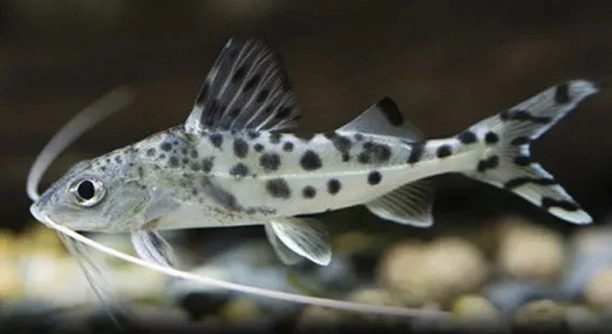
Pictus catfish are popular aquarium fish known for their active nature and unique appearance. Many owners try feeding them pellets as a convenient food source. However, some of these catfish may refuse to eat pellets for several reasons.
Pictus catfish might reject pellets due to stress, improper water conditions, or dietary preferences. They often favor live or frozen foods, and unfamiliar pellet textures or flavors can cause hesitation or refusal to eat. Adjusting diet and environment may help.
Understanding why your catfish avoids pellets can improve their health and feeding habits. Learning about their needs will help you provide a better home for these lively fish.
Common Reasons Pictus Catfish Refuse Pellets
Pictus catfish may refuse pellets for several practical reasons. Stress is a major factor—if the fish feels threatened or uncomfortable in its tank, it may stop eating. Poor water quality can also affect appetite, making fish less willing to try new foods. Another common reason is diet preference; these catfish often favor live or frozen foods like bloodworms or brine shrimp over dry pellets. The texture and smell of pellets might not appeal to them initially. Sometimes, pellets sink too fast or crumble, making it harder for the fish to eat comfortably. It’s also possible that the pellets being offered don’t meet their nutritional needs, causing disinterest. Observing your fish’s behavior and tank conditions can help identify which of these issues may be causing the refusal. Small changes to water parameters or introducing different food types may encourage your catfish to accept pellets over time.
Adjusting the environment and food presentation can increase acceptance of pellets. Patience is key when making these changes.
Knowing the exact cause of refusal allows you to make informed changes that support your catfish’s health and well-being. Feeding success often depends on balancing their natural preferences with practical care.
How to Encourage Pellet Eating
Offering pellets in a calm, stable environment increases the chances your pictus catfish will accept them.
Start by slowly mixing pellets with live or frozen food to create familiarity. This gradual transition helps your fish get used to the pellet texture and taste. Feeding smaller amounts more frequently can also improve acceptance, as it reduces waste and keeps pellets fresh. Ensure the pellets sink slowly or break into manageable pieces, making it easier for your catfish to eat. Checking water parameters regularly supports appetite by keeping fish comfortable. Sometimes, trying different pellet brands or formulas can make a difference, as some are better suited for carnivorous fish like the pictus catfish. Avoid sudden changes in feeding habits and monitor your fish’s response carefully. Consistency and observation will help you find the best way to get your catfish eating pellets regularly.
Signs Your Pictus Catfish Is Not Eating Pellets
If your pictus catfish avoids pellets, you might notice it swimming away or ignoring food during feeding time. It may also show signs of lethargy or lose weight if its diet is insufficient.
Watching your catfish closely can help identify feeding issues. Refusal to eat pellets often means the fish prefers other food types or is stressed. Sometimes, pellets can fall apart quickly, making it difficult for the fish to eat. Other times, the fish might be hiding or spending more time at the bottom of the tank, showing disinterest in food. Pay attention to these behaviors to understand when a change in feeding approach is needed.
Consistent refusal may also point to health issues. If your fish loses color, appears thin, or behaves unusually, it might be time to check water conditions or consult a specialist.
Nutritional Needs of Pictus Catfish
Pictus catfish require a protein-rich diet, usually found in live or frozen foods like bloodworms, brine shrimp, and small fish. Pellets must match these nutritional needs to be accepted.
Choosing the right pellets means finding formulas designed for carnivorous or omnivorous fish. These pellets typically contain high protein levels and attractants that mimic natural prey. If pellets lack these qualities, your fish may refuse them. Additionally, variety is important; offering occasional live or frozen foods alongside pellets keeps your catfish interested and healthy. Balancing nutrition with variety prevents dietary boredom and ensures all nutritional requirements are met. Using high-quality pellets can also reduce water pollution and promote better health.
By understanding these nutritional needs, you can make better feeding choices that support your catfish’s well-being over time.
Tank Environment and Feeding Habits
A clean and stable tank environment helps pictus catfish feel safe enough to eat pellets. Regular water changes and proper filtration are essential.
Bright lights or sudden movements can stress your fish, causing refusal to eat. Keeping the tank dim and calm during feeding encourages natural behavior.
Pellet Size and Texture
Pellets that are too large or hard can be difficult for pictus catfish to eat. Smaller, softer pellets tend to be more appealing and easier to consume.
If pellets crumble too quickly, they may create a mess that deters your fish. Finding a pellet that holds its shape in water while being easy to chew improves feeding success.
Introducing Pellets Gradually
Switching to pellets suddenly can cause refusal. Mixing pellets with familiar foods helps your catfish adjust slowly.
Start with a small amount of pellets mixed into live or frozen food. Gradually increase pellets while decreasing other foods over several days. This method builds acceptance without stressing the fish.
FAQ
Why won’t my pictus catfish eat pellets at all?
There are a few common reasons why your pictus catfish may completely refuse pellets. Stress from a new tank, poor water quality, or changes in the environment can cause a loss of appetite. Sometimes the pellets don’t smell or taste like the foods they prefer, such as live or frozen items. The texture might feel strange to them as well. It’s also possible the pellets sink too fast or crumble, making them less appealing. To fix this, try improving tank conditions, offering smaller or different pellets, and mixing pellets with foods they already like. Patience is important when encouraging new eating habits.
Can pictus catfish live only on pellets?
Pictus catfish can survive on high-quality pellets formulated for carnivorous fish, but they usually thrive with a varied diet. These fish naturally prefer live or frozen foods like bloodworms, brine shrimp, or small fish, which provide essential nutrients and variety. Feeding only pellets might limit their nutrition and interest in food, potentially leading to health problems. Supplementing pellets with occasional live or frozen treats helps maintain their appetite and overall well-being. Choosing pellets rich in protein and designed for predatory fish is also critical if you rely mostly on pellets.
How can I make pellets more appealing to my pictus catfish?
Mixing pellets with live or frozen foods is the most effective way to introduce them. Start by crushing pellets slightly or soaking them in water or fish-safe broth to soften the texture and release smell. Feeding smaller amounts more often helps keep pellets fresh and easier to eat. Ensuring the pellets sink slowly gives the catfish time to notice and eat them. Experimenting with different pellet brands can help find one that matches your fish’s preferences. Keeping the tank calm and dim during feeding encourages natural foraging behavior.
Is it normal for pictus catfish to refuse food for a few days?
Yes, it can be normal, especially if they are adjusting to a new environment or recovering from stress or illness. Pictus catfish may skip eating briefly without serious issues, but prolonged refusal can be a warning sign. Always monitor your fish for other symptoms like weight loss, unusual swimming, or changes in color. Maintaining good water quality and offering familiar foods can help encourage eating. If refusal lasts more than a week, consider testing water parameters or consulting an expert.
Do pellets affect the water quality in the tank?
Pellets can affect water quality if they are not eaten quickly or if they break apart easily. Uneaten pellets decompose and increase ammonia and nitrate levels, which stress fish and harm their health. Choosing high-quality pellets that sink slowly and hold together helps reduce waste. Feeding smaller portions more often prevents excess food from polluting the water. Regular tank maintenance, including water changes and filtration, is necessary to keep water clean and your catfish healthy.
Can I train my pictus catfish to eat pellets?
Yes, with time and consistency, pictus catfish can be trained to accept pellets. The key is to introduce pellets slowly alongside familiar foods and be patient. Avoid sudden changes in diet, which can cause stress or refusal. Feeding pellets at the same time every day and reducing other foods gradually helps your fish adapt. Keeping a calm feeding environment also encourages eating. Some fish adapt faster than others, so watch their reactions and adjust your approach as needed.
What are some signs that my pictus catfish is hungry but refusing pellets?
If your catfish swims actively during feeding time, searches the tank bottom, or shows interest in live or frozen food but ignores pellets, it may be hungry but refusing pellets. Restlessness and following your hand or food source are other signs. Lack of appetite combined with lethargy or hiding could indicate stress or illness instead. Observing these behaviors helps determine if the issue is purely dietary or related to health or environment. Offering different pellet types or mixing foods often stimulates feeding interest.
Are homemade pellet alternatives better for pictus catfish?
Homemade foods can sometimes be tailored to meet a pictus catfish’s nutritional needs and preferences. Many aquarists prepare mixtures of fish meat, shrimp, and supplements blended into soft pellets or frozen cubes. These alternatives can be fresher and more natural, reducing the chance of rejection. However, making balanced homemade pellets requires careful research to avoid nutrient deficiencies. For convenience and consistency, many prefer commercial pellets designed for carnivorous fish. Using homemade options occasionally as a supplement can provide variety and improve appetite.
When pictus catfish refuse to eat pellets, it can feel frustrating, especially when you want to provide easy and healthy food. Understanding their behavior and needs helps to reduce this problem. These fish have natural preferences that lean toward live or frozen foods, which are closer to what they eat in the wild. Pellets, while convenient, might not always meet these expectations at first. Their refusal to eat pellets often comes from factors like stress, water quality, or the pellet’s size and texture. Recognizing these reasons allows you to make small changes that can encourage better eating habits. Taking time to observe your fish closely gives valuable clues about their health and preferences.
Adjusting the tank environment and feeding methods plays a big role in success. Pictus catfish are sensitive to sudden changes and bright lights, which can make them shy away from food. Keeping the tank calm and stable helps them feel secure enough to try new foods. Gradually mixing pellets with live or frozen options can make the transition smoother. Feeding smaller amounts several times a day also keeps pellets fresh and more appealing. Choosing pellets made especially for carnivorous fish, with proper nutrition and slow sinking qualities, increases the chance your catfish will accept them. Remember, patience is important—these changes do not happen overnight, but consistent effort often leads to better results.
Overall, caring for pictus catfish means paying attention to their natural behaviors and providing the right conditions. Feeding pellets is possible, but it requires understanding their needs and making adjustments where needed. By improving water quality, offering suitable pellet types, and slowly introducing pellets alongside preferred foods, you can help your catfish enjoy a balanced diet. This attention to detail supports their health and happiness in your tank. Taking these steps shows how thoughtful care can make feeding time less stressful for both you and your fish.

Hello,
If you enjoy the content that we create, please consider saying a "Thank You!" by leaving a tip.
Every little bit helps us continue crafting quality advice that supports the health, happiness, and well-being of pets around the world, for pets of all shapes, sizes, and species.
We really appreciate the kindness and support that you show us!