
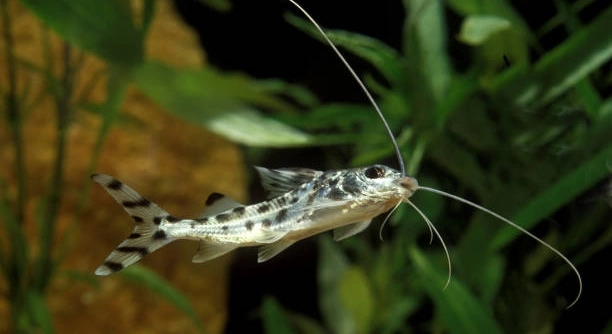
Are your Pictus catfish showing signs of sensitivity to their surroundings? These lively fish are known for their active swimming and alert behavior in home aquariums. Understanding how they react to vibrations can improve their care and comfort.
Pictus catfish are sensitive to vibrations due to their lateral line system, which detects changes in water movement and pressure. This sensitivity helps them respond quickly to environmental stimuli, making vibrations a significant factor in their behavior and stress levels.
Knowing how vibrations affect these fish can help maintain a calm aquarium environment. This insight is important for both beginner and experienced fish keepers seeking to provide optimal care.
How Pictus Catfish Detect Vibrations
Pictus catfish rely heavily on their lateral line system to detect vibrations in the water. This sensory organ runs along the sides of their bodies and helps them sense movements and changes in water pressure. In their natural habitat, this ability allows them to spot predators, prey, or nearby activity without relying solely on sight. Vibrations from external sources such as aquarium equipment, tapping on the glass, or sudden movements in the tank can trigger a reaction. These fish tend to swim away quickly or hide when they detect strong vibrations. Providing a stable environment with minimal disturbances helps reduce stress for Pictus catfish. Avoid placing tanks near heavy foot traffic or noisy appliances. Gentle filtration systems and secure tank covers can also lessen vibrations, making the environment more comfortable for these sensitive fish.
Proper care involves understanding these sensory needs to keep Pictus catfish calm.
Vibration sensitivity influences their daily behavior and interaction within the aquarium.
Maintaining a low-vibration environment is key to ensuring their well-being. Fishkeepers should focus on reducing sudden movements around the tank and using quiet equipment. The lateral line system makes them alert to subtle changes, so gentle handling and steady water conditions support their health. Regular observation can help identify if vibrations cause stress, such as erratic swimming or hiding. Adjusting tank placement away from noisy areas and stabilizing water flow can greatly improve their comfort. Being mindful of vibration sources helps create a peaceful home where Pictus catfish can thrive.
Managing Vibrations in Your Aquarium
Controlling vibrations in your aquarium is essential for keeping Pictus catfish stress-free.
Start by choosing quiet filters and pumps designed to minimize water disturbance. Place the tank on a sturdy, vibration-absorbing stand to reduce transmission from floors or furniture. Avoid tapping the glass or sudden movements near the aquarium, as these actions create waves and vibrations that the fish can detect. Using foam pads or mats under equipment can also help dampen vibrations. Additionally, keep heavy appliances like washing machines or speakers away from the tank area to prevent vibration transfer. Simple changes can make a significant difference in the comfort of your Pictus catfish.
Regularly monitoring their behavior will help you understand if vibration management is effective.
Vibrations can increase stress in Pictus catfish, leading to health problems such as weakened immune response or reduced appetite. Stress may also cause these fish to become more reclusive, hiding more often and reducing activity. By minimizing vibrations, you help maintain a stable environment where fish feel secure and behave naturally. Quiet equipment and careful tank placement are important for this. Ensuring smooth water flow without strong currents also reduces unnecessary movement that could trigger sensitivity. Small adjustments like placing soft materials under the tank or away from busy household areas help lessen vibration impact. Managing this aspect is vital for long-term health and wellbeing. Your attention to these details supports a calm and balanced aquarium that promotes natural behavior in Pictus catfish.
Signs of Stress from Vibrations
Pictus catfish often show signs of stress when exposed to constant or sudden vibrations. These signs include rapid swimming, hiding frequently, and loss of appetite. Recognizing these behaviors early helps prevent long-term health issues.
When vibrations disturb Pictus catfish, they may become restless and swim erratically. Stress can make them more prone to diseases because their immune systems weaken. Hiding more than usual or avoiding feeding times indicates discomfort. Over time, continuous exposure to vibrations can reduce their lifespan. It is important to observe your fish regularly to spot these changes. Taking action to reduce vibrations improves their well-being and keeps their behavior normal.
Adjusting the aquarium environment by stabilizing water flow and limiting external disturbances often calms stressed fish. Quieting the area around the tank and avoiding tapping on the glass are effective steps. Creating hiding spots with plants or decorations also helps fish feel secure when vibrations occur.
Equipment Choices to Reduce Vibrations
Choosing the right equipment can significantly reduce vibrations in your aquarium. Quiet filters and pumps are available that operate with minimal noise and water disturbance.
Using external filters rather than internal ones often reduces vibrations inside the tank. Placing equipment on soft pads or foam mats absorbs shocks and prevents vibration from spreading. Regular maintenance of equipment ensures it runs smoothly and quietly. Avoid overcrowding the tank with heavy or vibrating accessories. Proper equipment placement, combined with vibration-dampening materials, creates a peaceful environment. This reduces stress on Pictus catfish and promotes healthy behavior.
Balancing effective filtration with low vibration is important. It ensures water quality remains high without sacrificing fish comfort. Careful selection and setup of equipment make a noticeable difference in creating a calm tank environment.
Tank Placement and Vibration Control
Placing your tank on a stable surface reduces vibrations significantly. Avoid locations near heavy foot traffic or loud appliances.
Positioning the aquarium away from doors or windows where vibrations and noise are common also helps keep the environment calm.
Using Plants and Decorations to Absorb Vibrations
Adding plants and decorations can help absorb some vibrations in the tank. They break up water movement, providing fish with sheltered areas to retreat when disturbed. Dense plant growth and stable decorations reduce the impact of sudden waves, creating a more secure environment for Pictus catfish.
Monitoring Fish Behavior Closely
Careful observation of your fish’s reactions to vibrations helps identify stress early. Watching how they respond guides necessary adjustments to their environment.
Avoiding Loud Noises Near the Aquarium
Loud sounds near the tank create vibrations that disturb Pictus catfish. Keeping noise levels low around the aquarium is important for their comfort.
FAQ
Are Pictus catfish harmed by vibrations?
Pictus catfish are not usually harmed by moderate vibrations, but constant or strong vibrations can cause stress. Stress affects their immune system and behavior. Prolonged exposure to vibrations may lead to illness or a shorter lifespan if not managed properly. It is important to keep vibrations low to maintain their health.
How can I tell if my Pictus catfish is stressed by vibrations?
Look for signs such as erratic swimming, hiding more than usual, or refusing food. Stressed fish may also display rapid gill movements or become lethargic. These behaviors often indicate discomfort caused by vibration or other environmental stressors. Regular observation helps catch these signs early.
What causes vibrations in an aquarium?
Common causes include aquarium equipment like filters, pumps, and air stones. External factors such as footsteps, nearby appliances, or tapping on the tank glass also create vibrations. Even loud noises or heavy furniture movements can transfer vibrations to the aquarium.
Can I use foam or padding to reduce vibrations?
Yes, placing foam pads or mats under the tank stand and equipment helps absorb vibrations. These materials act as buffers, preventing vibrations from traveling through hard surfaces and into the water. This simple method can make a noticeable difference.
Is it better to use an external filter to reduce vibrations?
External filters typically produce fewer vibrations inside the tank compared to internal filters. By moving noisy parts outside the aquarium, vibrations in the water are reduced. External filters also allow for quieter operation and easier maintenance.
Do plants help with vibration sensitivity?
Plants and decorations can absorb some water movement caused by vibrations. They create calmer zones where Pictus catfish feel safe. Dense plant growth reduces the reach of waves and helps break up vibrations inside the tank.
Should I avoid placing the tank near heavy foot traffic?
Yes, placing the tank away from heavy foot traffic or noisy appliances reduces external vibrations. Vibrations travel through floors and furniture, disturbing sensitive fish like Pictus catfish. A quiet, stable location is best.
How often should I check for vibrations?
Regular daily observation of your fish and equipment helps detect vibration issues early. Checking for unusual fish behavior or noisy equipment keeps the aquarium environment stable. Prompt adjustments prevent long-term stress.
Can vibrations affect other fish in my tank?
Yes, many fish are sensitive to vibrations, especially species with well-developed lateral lines like Pictus catfish. Vibrations can cause stress, erratic swimming, or hiding behavior in various fish, not just Pictus catfish. Minimizing vibrations benefits the entire tank community.
Are sudden vibrations worse than constant vibrations?
Sudden, sharp vibrations tend to startle fish more than constant, low-level vibrations. Unexpected disturbances can cause immediate stress responses such as quick swimming or hiding. Constant vibrations may cause chronic stress, but sudden shocks often provoke stronger reactions.
What should I do if my Pictus catfish seems stressed from vibrations?
First, reduce sources of vibration by checking equipment and tank placement. Add plants or decorations for hiding spots. Ensure the tank stand absorbs vibrations. Maintain steady water conditions and avoid tapping on the glass. If stress persists, consider consulting a fish health specialist.
Can vibration sensitivity change as Pictus catfish grow?
Younger fish may be more sensitive to vibrations because they are still adapting to their environment. Adult Pictus catfish usually tolerate small vibrations better but still react to strong disturbances. Sensitivity levels can vary between individual fish.
Does water temperature affect vibration sensitivity?
Water temperature does not directly affect vibration sensitivity, but stable temperature supports overall fish health. Sudden temperature changes combined with vibrations can increase stress. Keeping consistent conditions helps reduce overall stress factors.
Is there a way to train Pictus catfish to ignore vibrations?
Fish cannot be trained like pets to ignore vibrations, but over time they may become accustomed to constant low-level disturbances. However, it is best to minimize vibrations to avoid unnecessary stress rather than relying on adaptation.
Are there any special tank setups recommended for vibration-sensitive fish?
Setting up the tank on vibration-absorbing stands, using quiet filtration equipment, and including plenty of plants and decorations helps create a low-vibration environment. Soft substrates and secure lids reduce external disturbances. Choosing a calm, low-traffic location is key.
Can loud music or sounds near the aquarium cause problems?
Yes, loud sounds create vibrations that transmit through floors and walls into the tank. This can disturb sensitive fish like Pictus catfish. Keeping noise levels low around the aquarium promotes a stress-free environment.
How do I maintain equipment to reduce vibrations?
Regular cleaning and inspection prevent buildup or wear that causes equipment to vibrate more. Tighten loose parts and replace worn components promptly. Smooth-running equipment generates fewer vibrations and noise.
Are certain brands better for low-vibration aquarium equipment?
Some brands specialize in quiet, low-vibration filters and pumps. Researching product reviews and choosing equipment designed for silent operation helps reduce vibrations. Investing in quality gear pays off for fish comfort.
What is the best way to test if my tank has excessive vibrations?
Gently tap the tank or nearby surfaces and observe fish behavior. If Pictus catfish dart or hide suddenly, vibrations might be a problem. You can also feel for vibrations on the tank stand or use vibration-damping materials to see if fish calm down.
Pictus catfish are sensitive creatures that respond noticeably to vibrations in their environment. Their lateral line system allows them to detect even small changes in water movement. This sensitivity helps them survive in the wild but can cause stress in an aquarium if vibrations are too strong or constant. Understanding this aspect of their biology is important for anyone keeping these fish. By minimizing vibrations, fishkeepers can help Pictus catfish feel more secure and behave naturally, which promotes better health.
Managing vibrations involves several practical steps. Placing the aquarium on a stable surface away from heavy foot traffic or loud appliances reduces external disturbances. Using quiet equipment designed to operate with minimal vibration, such as external filters and soft pads, also makes a significant difference. Adding plants and decorations inside the tank helps absorb water movement and offers the fish safe places to hide when they feel unsettled. Regular observation of fish behavior is key to noticing any stress signs early and adjusting the environment as needed.
Overall, providing a calm and stable environment supports the well-being of Pictus catfish. Attention to vibration control is a simple but effective way to reduce stress and improve their quality of life in captivity. While some vibrations are unavoidable, minimizing them as much as possible helps maintain the natural behavior and health of these active fish. Taking these measures reflects good care practices and creates a more enjoyable aquarium experience for both the fish and the keeper.

Hello,
If you enjoy the content that we create, please consider saying a "Thank You!" by leaving a tip.
Every little bit helps us continue crafting quality advice that supports the health, happiness, and well-being of pets around the world, for pets of all shapes, sizes, and species.
We really appreciate the kindness and support that you show us!