
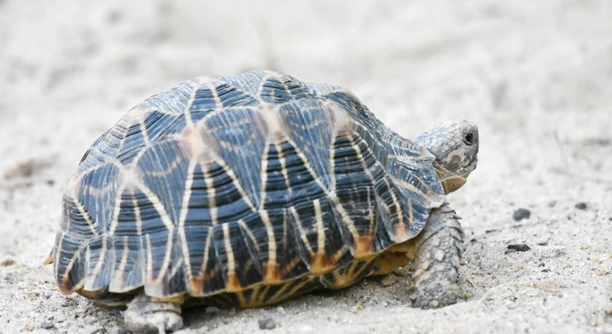
Indian Star Tortoises are wonderful pets, but like all animals, they can get sick. It’s important to keep an eye on their health to ensure they stay happy and comfortable. Being aware of any changes in behavior can help you spot potential issues early.
There are several warning signs to watch for to determine if your Indian Star Tortoise might be ill. These include changes in appetite, difficulty moving, abnormal breathing, or shell issues. Early detection is key to providing the proper care.
Recognizing these signs early can make all the difference in your tortoise’s health. Continue reading to learn about these warning signs and how to care for your Indian Star Tortoise effectively.
1. Change in Appetite or Eating Habits
When your Indian Star Tortoise stops eating or drastically changes its eating habits, it could be a sign of illness. Healthy tortoises enjoy a variety of leafy greens, vegetables, and sometimes fruits. If your tortoise suddenly refuses food or seems uninterested in its usual meals, it might be struggling with something. This can be due to digestive issues, stress, or even internal parasites. A decreased appetite often signals discomfort or health problems.
Not eating for a few days can be normal, especially if the tortoise is adjusting to new surroundings or temperature changes. However, prolonged loss of appetite is something to monitor closely.
You can try offering different types of food or changing feeding times to see if your tortoise’s interest picks up. If there’s no improvement, it’s crucial to check for other symptoms or consult a vet. Timely intervention can prevent more severe health issues from developing. Monitoring your tortoise’s eating habits regularly will help you catch these problems early.
2. Difficulty Moving or Weakness
Weakness and difficulty moving can be serious signs that your Indian Star Tortoise is not feeling well. If it’s reluctant to walk, move its limbs, or spend too much time lying down, there could be an underlying issue. This might be due to a number of factors such as dehydration, poor diet, or a bacterial infection affecting its muscles and bones.
Sometimes, a tortoise might also show signs of lethargy, not responding to its usual environment or routines. This can indicate an energy imbalance or internal discomfort. It’s important to assess the tortoise’s surroundings, including the temperature and humidity, which play a key role in its overall health.
An injured tortoise may also display such behaviors, and sometimes it could be an issue of a vitamin deficiency, especially if they’re not getting enough calcium. Calcium is essential for their bone strength, and a lack of it can lead to trouble moving. Keep a watchful eye on your tortoise’s activity levels and consult a vet if you notice consistent issues.
3. Abnormal Breathing Sounds
Abnormal breathing is another clear warning sign that something may be wrong with your tortoise. If you notice wheezing, coughing, or noisy breathing, it could be an indication of respiratory issues. These problems can arise from infections, poor ventilation, or environmental stress. Respiratory infections are quite common in reptiles, especially when the humidity and temperature are not ideal.
Respiratory issues can cause other symptoms like nasal discharge, lethargy, or even open-mouth breathing. If these symptoms are present, it’s important to act quickly. Respiratory infections can progress rapidly and be life-threatening if not treated. It’s also essential to check if the tortoise’s habitat is humid enough and not too cold, as sudden temperature changes can stress the respiratory system.
If your tortoise shows any signs of abnormal breathing, take it to a reptile vet immediately. The sooner the issue is addressed, the better the chances for a full recovery. Make sure the environment is consistently warm and well-ventilated to avoid future breathing problems.
4. Shell Issues or Deformities
The condition of your tortoise’s shell can reveal a lot about its health. A healthy shell is hard, smooth, and free from cracks or discoloration. If your Indian Star Tortoise’s shell begins to look soft, cracked, or has abnormal growths, it could be a sign of nutritional deficiencies or even an infection. This could also indicate issues such as metabolic bone disease or shell rot.
If you notice any unusual changes, such as bulging or softening of the shell, it’s important to examine the cause. Sometimes, a poor diet, lack of calcium, or insufficient UVB light exposure can lead to these problems. In addition, incorrect humidity and temperature levels can contribute to shell deformation.
A proper diet rich in calcium and exposure to UVB light can help maintain a healthy shell. If you suspect a more serious issue, consult a veterinarian who specializes in reptiles. These conditions require quick action to prevent permanent damage to your tortoise’s health. Regular checks of the shell and overall condition of the tortoise will help detect any early warning signs.
5. Swelling or Puffiness
Swelling, particularly around the limbs or neck, could be a sign that your Indian Star Tortoise is unwell. Any unexpected puffiness may be related to an injury, infection, or internal problems. Swelling might also indicate fluid retention, which could stem from kidney issues or poor circulation.
If your tortoise’s body or limbs appear swollen, it’s crucial to assess its environment and health. Ensure it’s not too hot or cold, as improper temperatures can affect fluid retention. Swelling can also result from an injury or bite. Sometimes the cause might be more internal, such as an infection, which can require immediate attention.
If the swelling doesn’t go down, it’s important to get a vet’s opinion. Fluid retention in tortoises can sometimes lead to serious conditions, like kidney failure. Regularly observing your tortoise’s physical state can help you spot signs early, ensuring the proper care is given quickly.
6. Discoloration of Skin or Shell
Discoloration in the skin or shell can be an alarming sign that your Indian Star Tortoise may be sick. It could signal a variety of issues such as fungal or bacterial infections, poor diet, or even stress. Fading or dark patches on the skin and shell often require immediate attention.
The tortoise’s shell should be consistent in color, and the skin should be free from noticeable patches or abrasions. If you see these changes, check if the environment is right for your tortoise. Improper temperature or humidity levels can cause stress and skin discoloration. Additionally, a lack of proper UVB light exposure may lead to weakened shells or fading skin.
Discoloration may also be a symptom of internal health problems, such as metabolic bone disease or fungal infections. If you notice this symptom, consult a veterinarian as soon as possible. The quicker you address skin or shell discoloration, the better your tortoise’s chances of recovery. Regular checkups and maintaining a healthy environment are essential for preventing this issue.
7. Unusual Feces or Lack of Feces
Changes in your Indian Star Tortoise’s feces can indicate that something isn’t right. Unusually runny, dry, or discolored stool may signal digestive issues, dehydration, or illness. A healthy tortoise should produce firm, dark brown feces.
If there is a sudden change in fecal consistency, consider what could have affected its diet or environment. Stress, temperature changes, or improper food can impact digestion. If your tortoise isn’t defecating regularly or has abnormal feces, it could be a sign of an underlying health problem.
Monitor the frequency and appearance of your tortoise’s stool. A vet can help diagnose potential infections or digestive issues. Keeping a close eye on what your tortoise eats and adjusting its environment can help prevent problems.
8. Lethargy or Lack of Energy
Lack of energy or excessive lethargy can point to a number of health issues in your tortoise. If your Indian Star Tortoise is unusually tired, not moving around, or staying in one spot for too long, it could be a sign of illness.
A tortoise that isn’t as active as usual might be experiencing stress, a respiratory infection, or a metabolic issue. Sometimes, they may not feel well enough to roam, or their body might be dealing with something that requires rest.
You should assess your tortoise’s environment, ensuring it’s not too cold or too hot, as temperature fluctuations can make your tortoise sluggish. If no environmental factor is involved and lethargy persists, it’s essential to consult with a vet to address any underlying health conditions.
9. Odd or Abnormal Behavior
If your Indian Star Tortoise displays odd behavior, such as hiding more than usual, being overly aggressive, or showing uncharacteristic fear, this might suggest an issue. Behavioral changes can often point to stress, discomfort, or illness. Tortoises are creatures of habit, and any significant changes in behavior can be linked to health problems.
Tortoises are sensitive to their environment, and stressors like changes in temperature, humidity, or handling can impact their behavior. Aggression or excessive hiding might indicate pain or discomfort. Pay attention to any signs that suggest they are not acting like their usual self.
In some cases, it might be an infection or even a digestive issue that causes a change in behavior. Make sure to keep the habitat calm, and if the behavior continues, consulting a vet can help rule out medical conditions and provide peace of mind.
FAQ
What should I do if my Indian Star Tortoise is not eating?
If your tortoise isn’t eating, first check the environment. Ensure the temperature and humidity are appropriate. A sudden change in either can cause stress, leading to a loss of appetite. You can also try offering different types of food to see if your tortoise is more interested in something new. If there are no improvements after a few days, or if other symptoms are present, a vet visit may be necessary. Lack of appetite can be a sign of digestive issues or internal parasites.
How can I tell if my Indian Star Tortoise is dehydrated?
Dehydration in tortoises can be subtle but dangerous. A dehydrated tortoise may become lethargic and not show much interest in food. You can test for dehydration by gently pinching the skin on the back of its neck or legs. If the skin doesn’t return to normal quickly, dehydration might be an issue. Offering fresh water daily and soaking the tortoise in shallow, lukewarm water for 10-15 minutes can help with rehydration. If dehydration persists, it’s best to consult a vet.
Why is my tortoise’s shell soft or deformed?
A soft or deformed shell is often due to nutritional deficiencies, most commonly calcium or vitamin D3. Tortoises need a calcium-rich diet and exposure to UVB light to keep their shells strong. A lack of these essentials can lead to soft, weak shells. Poor living conditions, such as low temperatures or improper humidity, can also contribute to shell problems. Make sure your tortoise has a proper UVB light setup, a balanced diet, and the correct temperature to prevent shell issues.
What temperature and humidity are best for my Indian Star Tortoise?
Indian Star Tortoises thrive in warm environments. The basking area should be between 90-95°F, and the cooler end of the enclosure should range from 75-85°F. Humidity levels should be kept between 50-60%. Too much humidity can cause respiratory issues, while too little can lead to dehydration and skin problems. Regularly check the temperature and humidity levels in your tortoise’s enclosure to ensure they remain within the ideal range.
How do I know if my Indian Star Tortoise has a respiratory infection?
Respiratory infections are common in tortoises and can cause symptoms like wheezing, coughing, nasal discharge, and open-mouth breathing. If your tortoise is showing these signs, it’s essential to take it to a vet as soon as possible. Respiratory infections can progress quickly and become life-threatening if not treated. Keeping the environment at the proper temperature and humidity can help prevent respiratory problems. Avoid drafts or sudden temperature changes that could stress your tortoise’s respiratory system.
What do I do if my Indian Star Tortoise has a swollen leg or body?
Swelling in the legs or body can be caused by various factors, including injury, infection, or fluid retention. If the swelling appears sudden or doesn’t go away, it’s important to have your tortoise examined by a vet. Fluid retention could be a sign of kidney issues or infection. Swelling from an injury could be treated with rest and care, but if it worsens, medical attention is necessary. Make sure your tortoise’s living conditions aren’t contributing to stress or health problems.
Is it normal for my Indian Star Tortoise to burrow or hide?
Tortoises tend to burrow and hide, especially if they feel stressed or uncomfortable. This behavior is perfectly normal and can be seen in response to changes in temperature, humidity, or even handling. However, excessive hiding or burrowing can also be a sign of illness, particularly if accompanied by other symptoms like loss of appetite or lethargy. Make sure your tortoise has a comfortable and secure environment with plenty of hiding spots. If hiding becomes excessive, consult a vet to rule out any health concerns.
What are the signs of a vitamin deficiency in an Indian Star Tortoise?
A vitamin deficiency, especially in calcium or vitamin A, can cause a range of problems in Indian Star Tortoises. Symptoms of calcium deficiency include soft shells, lethargy, and weak limbs. Vitamin A deficiency may lead to eye problems, swollen eyelids, or respiratory infections. A well-balanced diet rich in leafy greens, vegetables, and occasional fruit can help prevent these deficiencies. Supplementing with calcium and providing access to UVB light can also ensure your tortoise gets the nutrients it needs.
How often should I feed my Indian Star Tortoise?
Feeding frequency depends on your tortoise’s age and size. Young tortoises require more frequent feedings, about once or twice a day, while adults can be fed every other day. Offer a variety of leafy greens, vegetables, and occasional fruits. It’s important to avoid overfeeding and provide a balanced diet to maintain a healthy weight. Remove any uneaten food from the enclosure to prevent bacteria buildup and ensure your tortoise is getting the proper nutrients.
Can I keep my Indian Star Tortoise with other reptiles?
It’s generally not recommended to house your Indian Star Tortoise with other reptiles, as they may have different temperature, humidity, and dietary needs. Additionally, some species of reptiles can transmit diseases to tortoises. If you do choose to keep them together, make sure the enclosure is large enough to provide ample space for each animal and that their individual needs are met. Always monitor for signs of stress or aggression among the animals. If any issues arise, it’s best to separate them immediately.
Taking care of an Indian Star Tortoise requires paying close attention to their health and well-being. Like all pets, they have specific needs when it comes to diet, temperature, humidity, and overall care. If you notice any changes in their behavior or physical appearance, it’s important to act quickly. Early detection of any issues will give you the best chance to help your tortoise recover and continue to thrive. Being observant and proactive is key to ensuring a long and healthy life for your pet.
Regular checks of your tortoise’s environment and health can help you spot potential problems before they become serious. Keep their habitat clean and ensure the temperature and humidity are at optimal levels. Providing a proper diet, including calcium and UVB light, is essential for their growth and shell health. By keeping track of how your tortoise is eating, moving, and acting, you can catch any early signs of illness. Don’t hesitate to consult a vet if something doesn’t feel right. A small change in their behavior can sometimes be the first sign of a health issue that can be treated if addressed in time.
Ultimately, caring for an Indian Star Tortoise involves understanding their needs and being responsive to any changes in their health. By being a responsible and attentive owner, you’ll help your tortoise live a happy, healthy life. While some issues may arise, most can be prevented or treated with the right care. Keep your tortoise’s environment stable, provide proper nutrition, and monitor their behavior regularly. Doing so will ensure that your tortoise remains a vibrant and active companion for years to come.

Hello,
If you enjoy the content that we create, please consider saying a "Thank You!" by leaving a tip.
Every little bit helps us continue crafting quality advice that supports the health, happiness, and well-being of pets around the world, for pets of all shapes, sizes, and species.
We really appreciate the kindness and support that you show us!