
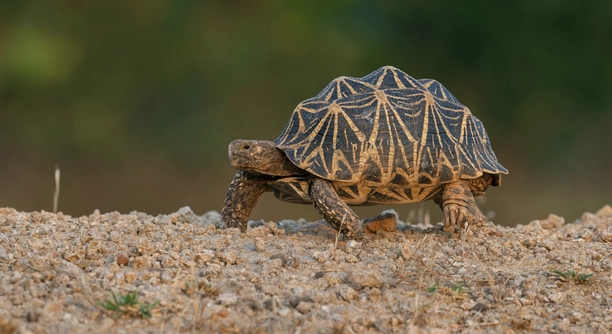
Indian Star Tortoises are unique pets, but just like any other animal, they can experience stress. Understanding how to spot signs of stress is important for their well-being. Here’s how to identify stress in your pet.
Stress in Indian Star Tortoises can be identified through several physical and behavioral symptoms. These may include changes in eating habits, lethargy, erratic movement, and changes in their shell appearance. Monitoring these signs is crucial for their health.
Recognizing stress early can help improve the quality of life for your tortoise. By understanding key symptoms and taking appropriate action, you can prevent further health issues and support your pet’s well-being.
Common Causes of Stress in Indian Star Tortoises
Stress in Indian Star Tortoises can happen due to various reasons. Environmental factors like extreme temperatures or sudden changes in habitat conditions are common stressors. Tortoises need a stable and controlled environment to feel safe and comfortable. If the tank is too cold or too hot, they can become stressed. Inadequate humidity can also affect them, leading to dehydration or respiratory issues. It’s important to regularly check the enclosure’s temperature and humidity levels to avoid such stressors.
If you’ve recently moved your tortoise to a new home or altered its habitat setup, these changes might also trigger stress. Tortoises take time to adapt to new surroundings and may react by hiding or becoming lethargic.
Ensuring the enclosure offers enough space is another key factor. If your tortoise is confined to a small, cramped space, it may become stressed. A larger enclosure allows for more natural behavior, reducing the risk of stress. Proper light, food, and room to roam are essential to creating a balanced environment for your tortoise.
Recognizing Stress Symptoms in Indian Star Tortoises
Stress can manifest in many ways. One of the first signs to look out for is loss of appetite. If your tortoise refuses to eat or drink for an extended period, it’s time to assess the conditions in its habitat. Stress can also make them more lethargic than usual, spending excessive time hiding in their shell.
Their behavior may become more erratic too. If your tortoise starts pacing or moving around aimlessly, it’s a clear sign it is not at ease. Similarly, changes in shell appearance, such as discoloration or softness, could indicate that your tortoise is stressed.
A stressed tortoise may also start to breathe more heavily or develop labored breathing. This can be linked to environmental changes or health issues, so it’s crucial to investigate further. If any of these symptoms appear, it’s time to take action. Addressing the cause of stress early on can prevent more serious health issues from developing.
How to Prevent Stress in Indian Star Tortoises
Maintaining a stable environment is key to preventing stress. Regularly check the temperature and humidity levels in the enclosure to ensure they stay within the ideal range. A consistent habitat will help your tortoise feel secure.
Provide your tortoise with enough space to move freely. Overcrowding in their enclosure can cause stress, so aim for a large enough setup with room for exploration. Natural hiding spots, like plants or shelters, will help them feel safe. Regular cleaning of the habitat ensures no buildup of harmful bacteria that could affect their health.
Feeding your tortoise the right diet also plays a role in stress prevention. Offer a variety of fresh, leafy greens and some fruits. A healthy diet boosts their immune system and overall well-being. Avoid offering too much protein, as this can cause health issues. Also, ensure the water provided is fresh and clean at all times.
Importance of Routine Care for Tortoises
Routine care can make a significant difference in the comfort of your tortoise. Maintaining a regular schedule for feeding, cleaning, and bathing helps your tortoise feel secure. They thrive on consistency and will adjust better to their environment if these activities happen regularly.
Bathing your tortoise helps with hydration and provides enrichment. It’s important to offer a shallow dish of water or mist them during warm weather. If the tortoise is reluctant to bathe, don’t force it. Instead, ensure the humidity levels are ideal. Make sure they always have access to fresh water for hydration, especially in dry conditions.
Recognizing Environmental Stressors
Environmental stressors, like poor lighting or incorrect temperatures, are common triggers for stress in Indian Star Tortoises. These factors disrupt their natural behavior and make them feel unsafe. Keeping their habitat conditions in check is the best way to minimize these stressors.
Proper lighting is essential for their well-being. Tortoises need UVB lighting to help them absorb calcium and maintain healthy bones. Inadequate lighting can lead to metabolic bone disease, which is a serious health concern. Make sure the light is on a regular schedule to mimic natural day-night cycles. Also, avoid placing their habitat in direct sunlight for long periods, as it can overheat and stress them out.
Handling Stressful Situations for Your Tortoise
Sometimes, stressful situations may arise, like when your tortoise has to be moved or transported. It’s important to keep the process as calm as possible. Avoid sudden handling, which can startle them. Place them in a quiet, comfortable container with enough space for them to feel secure during the move.
Stress can also result from excessive noise or chaotic environments. Keep their living area quiet and peaceful to minimize outside disturbances. If you notice your tortoise is responding nervously to loud sounds or a busy atmosphere, consider relocating the enclosure to a more serene spot in your home.
Health Concerns Linked to Stress
Stress can often lead to health issues in tortoises, such as respiratory infections or shell deformities. These conditions can worsen if stress is not addressed. If you notice changes in their behavior or appearance, take your tortoise to the vet for a checkup.
FAQ
What are the signs that my Indian Star Tortoise is stressed?
Stress in Indian Star Tortoises can manifest in several ways. Common signs include loss of appetite, excessive hiding, lethargy, erratic movements, and labored breathing. Changes in shell color, texture, or softening are also key indicators. If you notice these signs, it’s essential to examine their habitat and overall health.
How can I create the ideal environment for my Indian Star Tortoise?
The ideal environment includes proper temperature, humidity, and lighting. Keep the enclosure at 85-90°F during the day and 70-75°F at night. Humidity should be between 50-70%. Use UVB lighting to mimic natural sunlight and encourage healthy growth. The enclosure should also offer enough space for the tortoise to roam and hide.
Can I feed my Indian Star Tortoise fruits regularly?
Fruits should only be given as an occasional treat. While they are a source of vitamins, they are also high in sugar, which can cause digestive issues if given too frequently. Stick to offering leafy greens, grasses, and other high-fiber plants as the main part of their diet.
How often should I clean my Indian Star Tortoise’s enclosure?
The enclosure should be cleaned at least once a week. Remove uneaten food, waste, and soiled bedding regularly. It’s important to disinfect the tank and replace bedding or substrate every two to four weeks to prevent bacteria buildup, which could stress or harm your tortoise.
What should I do if my Indian Star Tortoise isn’t eating?
If your tortoise stops eating, first check the habitat conditions. Stress from improper lighting, temperature, or humidity can cause a loss of appetite. If the environment is correct, and your tortoise still refuses to eat, it might be unwell. In this case, consult a vet to rule out any underlying health problems.
Is it normal for my Indian Star Tortoise to be inactive at times?
Yes, tortoises can be inactive, especially during cooler months when they enter a more dormant state. However, if inactivity lasts for an extended period and is paired with other signs of stress or illness, it may be cause for concern. Make sure they have a proper day-night cycle with adequate warmth to avoid hibernation-like behavior in warmer months.
How can I prevent my Indian Star Tortoise from becoming stressed when I handle it?
Handling should be done gently and infrequently. Too much interaction can cause stress, as tortoises prefer to be left alone to roam. When you do handle your tortoise, ensure it is calm and avoid sudden movements. Support its body well to make it feel secure.
What causes my Indian Star Tortoise to have soft spots on its shell?
Soft spots on the shell can be a sign of metabolic bone disease, often caused by inadequate UVB light or improper calcium intake. It’s important to ensure your tortoise has access to UVB light for 10-12 hours a day and that its diet includes calcium-rich foods.
Can Indian Star Tortoises be kept with other pets?
Indian Star Tortoises can be kept with other reptiles or tortoises, but it’s important to consider their temperament and size differences. Avoid housing them with aggressive or much larger animals. If you have other pets, monitor interactions carefully to prevent stress or harm to your tortoise.
How do I know if my Indian Star Tortoise is dehydrated?
Signs of dehydration include lethargy, dry or cracked skin, sunken eyes, and refusal to eat. Dehydration can occur if they don’t have access to fresh water or proper humidity. Bathing your tortoise in lukewarm water can help rehydrate it, but consult a vet if symptoms persist.
Why does my Indian Star Tortoise try to escape its enclosure?
Tortoises may try to escape if they feel stressed or their habitat isn’t suitable. Make sure the enclosure is large enough, provides hiding spots, and has appropriate temperature and humidity. They may also escape if they’re bored or under-stimulated. Provide enrichment by adding different textures and objects to their environment.
Is it okay to bathe my Indian Star Tortoise?
Yes, bathing can be beneficial for hydration, especially during dry conditions. Use shallow, lukewarm water and allow your tortoise to soak for 10-15 minutes. This also helps with shedding, keeping the skin healthy and supple. Ensure they’re supervised during the bath to avoid drowning.
How can I help my Indian Star Tortoise if it shows signs of stress?
First, assess the environment—ensure it’s the right temperature, humidity, and lighting. Reduce handling and give the tortoise a quiet space to recover. If stress continues or worsens, consult a vet for further advice. Addressing stress early on can prevent serious health problems later.
Are Indian Star Tortoises prone to any specific illnesses due to stress?
Yes, prolonged stress can lead to various health issues, including respiratory infections, metabolic bone disease, and digestive problems. Stress weakens their immune system, making them more susceptible to illness. Regular vet checkups and maintaining an ideal habitat can help prevent these problems.
Can stress affect the lifespan of my Indian Star Tortoise?
Chronic stress can shorten the lifespan of your tortoise by weakening its immune system and contributing to long-term health issues. By ensuring a stable, stress-free environment, you can significantly improve your tortoise’s health and longevity. Regular monitoring of behavior and habitat conditions can help prevent unnecessary stress.
Final Thoughts
Understanding stress in Indian Star Tortoises is essential for their overall well-being. These tortoises can be sensitive to changes in their environment, and stress can lead to a variety of health issues if not addressed early on. Ensuring that your tortoise has a stable, comfortable environment is the first step in preventing stress. By providing the right temperature, humidity, lighting, and enough space for them to move around, you can reduce the chances of your tortoise becoming stressed. Regular checks of the habitat conditions will help keep things in balance and promote a healthier life for your tortoise.
Pay close attention to your tortoise’s behavior and any signs of stress. Loss of appetite, erratic movement, and shell changes are all key indicators that something might be wrong. If you notice these signs, it’s important to assess their surroundings and make necessary adjustments. Sometimes, stress is caused by something as simple as a slight temperature change or improper lighting. In these cases, making small corrections can make a big difference. If the stress persists despite these adjustments, it’s always a good idea to consult a vet to ensure your tortoise’s health is not compromised.
Stress can affect the lifespan and overall health of your Indian Star Tortoise. By understanding the signs and knowing how to prevent and manage stress, you can provide the best care possible. A healthy and stress-free environment will help your tortoise thrive and enjoy a long, comfortable life. Regular maintenance of their habitat, proper diet, and gentle handling are key factors in keeping your tortoise happy and stress-free. Keep an eye out for any changes in behavior and act quickly to address any issues, ensuring a healthy, stress-free life for your pet.

Hello,
If you enjoy the content that we create, please consider saying a "Thank You!" by leaving a tip.
Every little bit helps us continue crafting quality advice that supports the health, happiness, and well-being of pets around the world, for pets of all shapes, sizes, and species.
We really appreciate the kindness and support that you show us!