
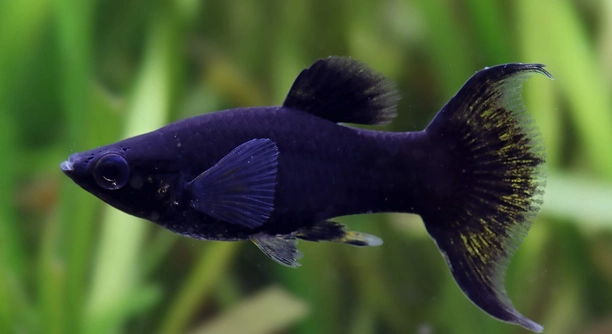
Black Molly fish are lively and social, often swimming in groups that showcase their shimmering black colors. Watching them interact can be enjoyable, but it is important to notice subtle signs of tension and stress among the fish.
Aggression in Black Molly groups is usually identified through chasing, nipping, or cornering behaviors. Dominant fish may repeatedly target weaker individuals, leading to visible damage or stress. Close observation of body posture, fin displays, and group dynamics is essential for detection.
Recognizing these warning signs early helps maintain a peaceful tank environment and ensures all fish can thrive without unnecessary stress or harm.
Understanding Black Molly Behavior
Black Mollies are naturally active fish that enjoy swimming in groups. They establish a hierarchy to maintain order, which can sometimes appear as aggression. Observing how they interact is key. Dominant fish often chase or nip at others to assert their place. This behavior is more noticeable in crowded tanks or when food is scarce. Aggressive interactions can escalate if hiding spaces or plants are limited. Fin displays, gill flaring, and rapid darting are common signals of dominance. Over time, weaker fish may become stressed, show faded colors, or avoid open areas. Even small signs of chasing should be taken seriously to prevent injury. Adjusting tank setup, providing enough space, and ensuring balanced feeding can reduce tension. Paying attention to group dynamics allows you to anticipate conflicts before they intensify. With consistent observation, the environment can remain calm and safe for all Mollies. Understanding each fish’s personality helps predict potential friction.
Aggression often peaks during breeding or feeding times, so careful timing of observation can reveal patterns.
Regular monitoring and slight adjustments in the tank can prevent minor squabbles from turning into serious harm, helping maintain healthy social interactions among the fish.
Signs of Aggression to Watch
Aggression shows through repeated chasing, nipping, and cornering.
Nipping at fins or tails is one of the earliest signs of tension among Black Mollies. Fish may flare their gills, chase each other across the tank, or repeatedly block access to hiding spots. Color changes can indicate stress, and damaged fins are a physical indicator of ongoing conflict. These behaviors often increase during feeding or when new fish are introduced. Observing where and when aggression occurs helps identify patterns and potential triggers. Providing more plants, decorations, and hiding areas can give weaker fish refuge. Adjusting feeding routines or distributing food in multiple spots can also reduce competition. Keeping group sizes balanced, with attention to gender ratios, further minimizes conflict. Stress from aggression can make fish more susceptible to illness, so early intervention is critical. By closely watching their interactions, it is possible to maintain harmony and reduce injury, allowing the tank environment to remain stable and healthy for all inhabitants.
Preventing Aggression in Black Molly Groups
Maintaining enough space is key to reducing aggression. Overcrowding increases stress and chasing behavior. A well-planted tank with hiding spots allows fish to retreat, lowering tension and preventing injury.
Providing a variety of plants and decorations creates natural barriers. Black Mollies feel safer when they can hide or escape from dominant fish. Open swimming areas are important, but hiding spots reduce confrontations. Observing fish behavior regularly helps identify if adjustments are needed. Rearranging decorations occasionally can prevent territories from becoming too rigid, reducing long-term stress. Balanced group composition, including gender ratios, also minimizes dominance struggles. Regular monitoring ensures weaker fish are not being harassed, keeping the tank peaceful and healthy for all Mollies.
Feeding practices influence aggression levels. Overfeeding or offering food in one location can trigger chasing and competition. Splitting feeding across multiple areas helps distribute attention evenly. Fast-moving fish often dominate slower eaters, so observation is essential. Adjusting portions and timing prevents unnecessary fights. Stress from repeated chasing can weaken fish immunity. Using floating or sinking foods encourages natural foraging without crowding. Maintaining clean water and stable conditions reduces stress, which also lowers aggressive behavior.
Managing Conflicts Once They Arise
Isolation of aggressive individuals may be necessary to protect weaker fish. Short-term separation allows the tank to regain balance.
Monitor interactions closely after isolation. Return aggressive fish gradually while observing behavior. Introduce new hiding spots to give submissive fish safe zones. Adjust feeding and tank layout if aggression resumes. Some dominance behaviors may persist, but minimizing physical harm should remain the priority. Avoid frequent rearrangements, as this can increase stress. Tracking which fish trigger repeated aggression helps determine if permanent separation is needed. Consistent observation and intervention maintain overall tank health and reduce long-term conflicts.
Long-term management includes maintaining proper group size and composition. Avoid overcrowding, and ensure a mix of males and females that prevents dominance spikes. Introduce new fish carefully, monitoring interactions closely. Keep water quality stable, as poor conditions increase tension. Regularly trim plants and adjust decorations to balance hiding spots with open swimming areas. Tracking patterns of aggression over time allows for strategic adjustments. A calm environment encourages natural behaviors without constant fighting. Balancing space, resources, and observation keeps the tank safe and enjoyable for all Black Mollies, ensuring they thrive together over time.
Environmental Adjustments
Adding plants and decorations reduces aggression by providing hiding spots. Open swimming areas combined with dense plant clusters allow fish to feel safe while maintaining social interaction.
Temperature and water conditions influence behavior. Stable, clean water lowers stress levels and reduces the chance of fights among Black Mollies.
Observing Social Dynamics
Pay attention to which fish dominate and which are submissive. Tracking interactions helps identify persistent aggressors and vulnerable fish. Adjusting tank layout or group composition based on these observations can prevent injuries and maintain a balanced environment.
Feeding Strategies
Distribute food in multiple areas to reduce competition. Avoid overfeeding in one spot, as it can trigger chasing and dominance behaviors among the fish.
Long-Term Monitoring
Regular observation ensures aggression is kept in check. Watching interactions over time allows for timely interventions, maintaining harmony in the tank.
FAQ
How can I tell if my Black Mollies are stressed from aggression?
Signs of stress in Black Mollies include faded colors, frayed fins, hiding more than usual, and reduced appetite. Fish may swim frantically or dart around the tank when chased. Observing these behaviors over time helps identify persistent tension and allows you to take action to reduce stress.
What should I do if one fish is being bullied?
If a fish is consistently chased or nipped, provide additional hiding spots or rearrange decorations to break up established territories. In severe cases, temporarily isolating the aggressive fish in a separate tank or divider can prevent injury and allow the bullied fish to recover.
Does tank size affect aggression?
Yes, overcrowding increases stress and chasing behavior. Black Mollies need enough space to swim freely while still having areas to hide. A larger tank reduces the likelihood of frequent confrontations, and adding plants and decorations helps fish feel secure.
Are male Mollies more aggressive than females?
Males tend to display more dominance behaviors, especially when competing for mates. Too many males in one tank can escalate aggression. Balancing the number of males and females and providing ample space reduces these conflicts.
How often should I monitor fish behavior?
Daily observation is ideal. Watching for chasing, nipping, or gill flaring helps catch problems early. Monitoring allows you to make small adjustments to feeding, tank layout, or group composition before aggression escalates into injury.
Can introducing new fish trigger aggression?
Yes, adding new fish can disrupt established hierarchies. Introduce newcomers slowly, preferably using a tank divider initially, so existing fish can adjust. Observe interactions closely and ensure hiding spots are available to reduce tension.
Does diet influence aggressive behavior?
Feeding practices impact aggression. Overfeeding or placing food in a single location can cause competition. Spread food in multiple areas to ensure all fish eat comfortably. Providing a balanced diet also reduces stress and supports overall health.
How do I prevent long-term aggression?
Maintain proper group size, monitor social interactions, and adjust tank layout as needed. Regular cleaning and stable water conditions reduce stress, while plants and decorations provide hiding spaces. Balancing male-to-female ratios and observing dominant fish allows for timely interventions.
What are signs that aggression is causing health problems?
Physical signs include torn fins, scale damage, and pale coloration. Behavioral changes like hiding constantly, refusing food, or lethargy indicate stress. Early detection and intervention are essential to prevent illness and maintain a healthy group dynamic.
Is separating aggressive fish a permanent solution?
Separation can be temporary or long-term depending on the fish. Sometimes aggressive behavior decreases after isolation, allowing safe reintroduction. Persistent aggressors may need permanent separation to protect weaker individuals. Careful observation ensures the decision supports overall tank harmony.
How can I encourage peaceful interactions?
Provide ample space, hiding spots, and evenly distributed food. Avoid overcrowding and introduce new fish gradually. Tracking behavior patterns over time helps anticipate conflicts, and minor adjustments in layout or group composition maintain a calm environment for all Black Mollies.
Does tank decor influence aggression levels?
Yes, plants, rocks, and decorations create barriers and territories, reducing chasing and stress. Rearranging items occasionally prevents dominance from becoming rigid. A well-structured environment balances open swimming areas with protective spaces, allowing submissive fish to avoid repeated confrontations.
Can water quality changes trigger aggression?
Fluctuations in temperature, pH, or ammonia levels can increase stress, making fish more likely to act aggressively. Maintaining stable, clean water conditions reduces tension and supports overall health, contributing to a calmer, more harmonious tank environment.
What is the best way to reintroduce fish after separation?
Gradually reintroduce the isolated fish, ideally with visual contact first using a divider. Observe interactions carefully. Adjust hiding spots and feeding strategies to prevent immediate conflict. If aggression persists, consider longer separation or permanent relocation to maintain tank balance.
How do I know when my Black Mollies are truly comfortable?
Peaceful swimming in open areas, vibrant coloration, regular feeding, and minimal chasing indicate a balanced group. Submissive fish using hiding spots without constant harassment also shows the tank environment is supportive and reduces stress. Consistent observation ensures these conditions are maintained.
Total word count: 519
Final Thoughts
Keeping Black Mollies in a peaceful group requires attention to both their behavior and their environment. These fish are social but can show aggression when stressed or competing for resources. Observing how they interact daily helps you identify small problems before they become serious. Signs like chasing, nipping, or hiding indicate that adjustments are needed. Providing enough space, hiding spots, and decorations can reduce tension and give weaker fish a chance to retreat safely. Even small changes, such as adding plants or rearranging the tank layout, can make a big difference in maintaining harmony. Consistent monitoring allows you to understand the personality of each fish and respond appropriately to aggression.
Feeding and group composition also play a key role in managing conflicts. Overcrowding or unequal gender ratios can increase dominance struggles, especially among males. Splitting food across multiple areas ensures that all fish can eat without being chased or blocked. A balanced diet supports overall health, which can also reduce aggressive tendencies. Introducing new fish should be done carefully, ideally using a divider or slow acclimation process to prevent immediate fights. Watching for signs of stress, such as faded colors, frayed fins, or excessive hiding, allows for timely interventions. These steps not only prevent injuries but also create a calmer environment where all fish can thrive. Paying attention to these details makes caring for a Black Molly group more manageable and enjoyable.
Long-term success in maintaining a peaceful tank comes from understanding the natural behavior of Black Mollies and being proactive. Water quality, temperature, and stable conditions directly impact aggression levels. Poor conditions can heighten stress and make fish more likely to chase or nip. Regular cleaning, monitoring of water parameters, and maintaining a comfortable environment all contribute to calmer interactions. Observing fish over time helps identify patterns of dominance and stress, allowing adjustments in tank layout, feeding routines, or group composition. When aggression is managed carefully, the fish display natural behaviors without constant conflict. By focusing on observation, careful management, and gradual adjustments, it is possible to maintain a healthy, balanced group of Black Mollies that coexist peacefully in a shared space.
Word count: 418

Hello,
If you enjoy the content that we create, please consider saying a "Thank You!" by leaving a tip.
Every little bit helps us continue crafting quality advice that supports the health, happiness, and well-being of pets around the world, for pets of all shapes, sizes, and species.
We really appreciate the kindness and support that you show us!