
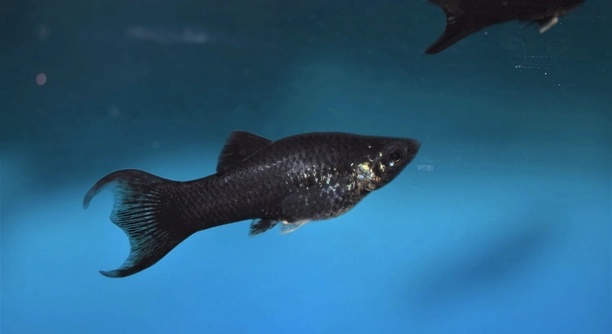
Black Molly Fry can be delicate and prone to stress, especially in a new environment or crowded tank. Many owners notice sudden darting, hiding, or clumping behaviors, which often signals fear or discomfort among the fry population.
Reducing Black Molly Fry fear involves controlling environmental stressors, providing appropriate hiding spaces, maintaining stable water conditions, ensuring consistent feeding routines, minimizing sudden movements, using gentle lighting, and monitoring interactions with other fish. These steps collectively promote a safer, calmer habitat.
Applying these strategies consistently can improve the fry’s confidence and growth, supporting a healthier and more balanced aquarium environment for your young mollies.
Understanding the Causes of Black Molly Fry Fear
Black Molly Fry are highly sensitive to their surroundings. Sudden changes in water temperature, lighting, or tank decorations can trigger stress responses. Even small disturbances like tapping on the glass or moving equipment near the tank can startle them. Fry often react by hiding, freezing, or clustering tightly together. Overcrowding is another common factor, as limited space can make fry feel threatened and anxious. Poor water quality, such as elevated ammonia or nitrate levels, also contributes to fear. Predatory or aggressive tankmates increase stress levels and may inhibit normal feeding or swimming behavior. Recognizing these triggers is the first step in reducing fear, allowing owners to create a more stable environment. Proper tank maintenance, gentle handling, and observation of behavior patterns help identify specific stressors. Addressing each factor gradually ensures fry feel safe and secure, improving overall growth and development. Consistency in the tank’s conditions is key for long-term well-being.
Controlling these factors early can prevent fear from escalating and keep your fry healthier and more active.
Consistent monitoring of tank conditions allows you to catch subtle stress signs before they worsen. Maintaining stable water parameters, providing sufficient hiding spots, and ensuring appropriate spacing between fry can drastically reduce anxiety. Regular feeding and avoiding sudden movements near the tank create a calmer environment. When fry show signs of distress, small adjustments—like dimming lights slightly or rearranging decorations gradually—can have a significant impact. Observing interactions among tankmates is essential to prevent bullying or accidental harm. Over time, these measures not only reduce fear but encourage natural behavior, such as exploring, feeding, and swimming confidently. Establishing a stable routine helps fry adapt to their environment while building resilience to minor changes. Even small, consistent efforts in managing the tank can lead to noticeable improvements in the fry’s comfort and overall health, ensuring they develop without unnecessary stress or fear.
Providing Safe Hiding Spaces
Fry need plenty of areas to retreat when stressed or scared. Plants, moss, and small caves work well to give them security.
Dense vegetation, floating plants, and soft substrates allow fry to hide comfortably. Avoid overcrowding hiding spots to ensure every fry has access. Hiding spaces reduce direct exposure to more active fish and decrease fear responses. A tank with proper refuges encourages exploration while providing safety, letting fry gradually build confidence in their surroundings.
Creating these areas can involve live plants, artificial moss, or small ornaments with gentle edges. Position decorations strategically, leaving open swimming areas while offering protection. Floating plants can diffuse light and reduce visibility from aggressive fish. Ensure hiding spots are easily accessible without blocking filtration or movement. Over time, fry learn to navigate their environment safely, returning to shelters when anxious and venturing out when comfortable. Proper hiding options contribute to natural development, lower stress levels, and foster social interactions among fry without fear. By balancing open spaces and shelters, the tank becomes both stimulating and secure, promoting healthier growth and more confident swimming behavior for all fry.
Maintaining Stable Water Conditions
Consistent water parameters are essential for fry comfort. Sudden changes in temperature, pH, or hardness can trigger fear and hiding behaviors. Regular testing and gradual adjustments keep the tank environment stable and secure.
Monitoring water quality daily helps prevent stress. Use a reliable test kit to check ammonia, nitrite, nitrate, and pH levels. Water changes should be small and frequent to avoid shocking the fry. Keep temperature steady using a quality heater, and avoid placing the tank near drafts or direct sunlight. Stability in water conditions reduces anxiety, encourages normal swimming patterns, and promotes healthy growth.
Filtration and aeration should be gentle to prevent strong currents that might overwhelm fry. Avoid overfeeding, as decaying food can harm water quality. Maintaining clean, stable water allows fry to explore the tank safely, reduces mortality rates, and fosters more confident, active behavior. Over time, these practices create a secure environment where fry can thrive without constant stress.
Gentle Feeding Routines
Fry respond well to predictable feeding schedules. Offering small portions at consistent times reduces fear and encourages healthy eating habits.
Feed fry multiple times a day with tiny amounts they can consume quickly. Overfeeding can lead to poor water quality, increasing stress. Use high-quality fry food, such as finely crushed flakes, micro pellets, or specialized liquid fry food. Observing how fry eat helps identify stressed or weaker individuals who may need extra attention. Consistent feeding reinforces routine, reduces anxiety, and ensures proper growth.
Varying the diet slightly keeps fry engaged and supports development. Avoid sudden introduction of new food types without gradual acclimation. Maintaining a calm, predictable feeding environment allows fry to eat without fear of sudden movements or disturbances. Careful portioning prevents leftover food from fouling the tank, maintaining stability in water conditions. Over time, regular feeding routines build fry confidence, encourage active swimming during meals, and strengthen overall health. Predictable feeding combined with stable water and hiding spaces ensures fry feel safe, promoting a balanced, thriving community.
Minimizing Sudden Movements
Fry are easily startled by abrupt activity near the tank. Avoid tapping the glass, reaching suddenly, or moving decorations quickly. Gentle, slow movements help maintain a calm environment.
Position equipment and perform maintenance calmly. Consistent routines reduce startle responses. Even small adjustments done gradually prevent unnecessary stress and allow fry to remain confident while exploring the tank.
Using Gentle Lighting
Bright or flickering lights can frighten fry. Use dim or diffused lighting to create a soothing environment. Low light levels mimic natural conditions, helping fry feel secure. Regular day-night cycles support normal behavior, reducing hiding and erratic swimming caused by fear or stress.
Observing Interactions with Tankmates
Fry may experience fear when housed with aggressive or larger fish. Monitor tankmate behavior to ensure they are not harassing the fry. Removing or separating threatening fish can prevent injury and reduce stress, fostering a safer and calmer environment for young mollies.
Regular Monitoring and Adjustments
Frequent observation of fry behavior is key to reducing fear. Check water quality, tank layout, and feeding routines. Small, gradual adjustments based on behavior allow fry to adapt without becoming stressed, promoting healthier growth and increased confidence in their environment.
FAQ
How can I tell if my Black Molly Fry are scared?
Signs of fear include hiding frequently, clustering in one corner, darting quickly, or refusing to eat. Fry may freeze when approached or remain at the bottom of the tank. These behaviors often indicate stress due to sudden changes, aggressive tankmates, or inadequate hiding spaces. Observing patterns helps identify specific triggers so adjustments can be made promptly.
What is the best tank size for reducing fry fear?
A larger tank provides more space to swim and explore, reducing stress. Overcrowding increases fear responses and competition for food. A 20-gallon or larger tank is ideal for a reasonable number of fry, allowing room for plants, decorations, and hiding spots while maintaining stable water conditions. Proper spacing between fry helps minimize aggression and promotes calm behavior.
How often should I check water parameters?
Daily testing is recommended for ammonia, nitrites, nitrates, and pH. Small fluctuations can cause stress, so frequent monitoring ensures stability. Gradual water changes and careful adjustments prevent shocking the fry. Consistent water quality maintains a secure environment, reducing fear and supporting healthy growth.
What type of hiding spaces work best for fry?
Dense plants, moss, small caves, and floating vegetation are effective. They provide shelter from larger fish and reduce exposure to stressors. Hiding spaces should be evenly distributed so every fry can retreat when frightened. Avoid overcrowding these areas to ensure accessibility. Rotating decorations slightly can also prevent boredom while maintaining safety.
How should I feed Black Molly Fry to reduce fear?
Feed small portions multiple times a day, using finely crushed flakes, micro pellets, or liquid fry food. Overfeeding can foul water and increase stress. Consistent feeding schedules help fry feel secure. Observe weaker fry and offer additional care if needed. Gradually introducing new foods prevents sudden disruptions in routine.
Can tankmates cause fear in fry?
Yes, aggressive or larger fish can frighten fry. Monitor interactions carefully and separate threatening fish if necessary. Peaceful tankmates are preferable, as they allow fry to explore and feed without constant stress. A calm community environment supports confidence and natural behavior development.
Does lighting affect fry stress levels?
Bright, flickering, or inconsistent lighting can cause fear. Use dim or diffused lights to mimic natural conditions. Maintaining a regular day-night cycle helps fry feel secure. Avoid sudden changes in lighting, which can startle fry and increase hiding behavior. Proper lighting encourages exploration and reduces anxiety.
How do I know if water changes are helping?
Fry should appear more active, explore the tank, and feed normally after gradual water changes. Sudden improvements in water quality, such as reduced ammonia or nitrate levels, correlate with calmer behavior. Monitoring behavior alongside test results ensures adjustments are effective. Consistent maintenance prevents long-term stress and fear.
What if fry continue to hide despite all adjustments?
Persistent hiding may indicate a more serious stressor or health issue. Check for water quality problems, illness, overcrowding, or unsuitable tankmates. Sometimes additional shelters or minor layout changes are necessary. Observing behavior closely and addressing subtle triggers gradually helps fry gain confidence over time.
Are there long-term benefits to reducing fry fear?
Yes, calmer fry grow faster, feed better, and develop more naturally. Reduced stress lowers the risk of disease and mortality. Providing a secure, stable environment from the start builds confidence and promotes social behavior, making future growth and integration with other fish smoother. Consistent care ensures healthier, more active Black Molly Fry.
How can I gradually introduce new fry to the tank?
Acclimate new fry slowly using a drip method or floating bag to match water temperature and parameters. Avoid sudden mixing, which can trigger fear and aggression. Gradual introduction allows fry to explore safely, build confidence, and adapt without stress. Proper acclimation ensures smoother integration and reduces anxiety.
Is there a specific diet to help fry feel secure?
Balanced nutrition with small, frequent meals supports growth and reduces competition-related stress. Include high-quality fry food and occasional natural foods like infusoria or baby brine shrimp. Predictable feeding routines combined with a variety of nutrients improve confidence, ensuring fry are active, healthy, and less fearful.
How important is tank maintenance for reducing fear?
Regular cleaning, water changes, and equipment checks prevent sudden changes that scare fry. Stable conditions reduce stress and promote consistent behavior. Monitoring filter performance, substrate, and decorations ensures a safe environment. Consistent maintenance builds a reliable habitat where fry can thrive confidently.
Can stress from fear affect fry growth?
Yes, prolonged fear increases energy expenditure, reduces feeding efficiency, and can stunt growth. High stress also weakens immunity, making fry susceptible to disease. Minimizing fear through stable water, safe hiding spaces, gentle feeding, and calm surroundings supports healthy development and long-term survival.
How can I tell if a tank setup is effective for fry?
Fry should swim confidently, feed regularly, and use hiding spaces without excessive clustering or freezing. Observing these behaviors over time indicates that water quality, hiding spots, lighting, and tankmates are suitable. A properly set-up tank encourages natural exploration and reduces fear consistently.
Are there ways to socialize fry safely?
Introduce fry gradually to each other or to calm tankmates, avoiding overcrowding and aggression. Observe interactions and provide sufficient hiding spots. Gradual exposure allows fry to build social confidence, encouraging normal swimming patterns and feeding behavior without inducing fear. Socialization in a controlled environment promotes healthier development.
How does temperature stability affect fry behavior?
Sudden temperature shifts can startle fry and trigger hiding or erratic swimming. Maintaining a consistent temperature reduces stress and supports metabolic balance. Use a reliable heater and monitor with a thermometer to prevent fluctuations, ensuring fry feel secure and maintain normal activity levels.
What role does observation play in reducing fear?
Careful, consistent observation helps identify stressors, track progress, and adjust tank conditions. Monitoring fry behavior daily allows quick response to problems before they escalate. Early intervention, based on observation, ensures fry remain confident, healthy, and less fearful over time.
Can overcrowding be reversed if fry are stressed?
Yes, redistributing fry into multiple tanks or reducing numbers in a single tank lowers competition and fear. Overcrowding increases aggression, reduces access to food, and causes hiding. Proper spacing allows fry to explore safely, encourages natural behavior, and reduces chronic stress effectively.
How long does it take for fry to feel less fearful?
With stable conditions, proper hiding spaces, gentle feeding, and calm tankmates, fry usually start showing confidence within a few weeks. Consistent care gradually reduces fear, allowing them to explore, feed, and swim naturally. Patience and observation are essential during this adjustment period.
Are there signs of long-term fear in fry?
Persistent hiding, refusal to eat, slow growth, or avoidance of open areas indicate chronic fear. Long-term stress can lead to weakened immunity and increased mortality. Identifying these behaviors early and making environmental adjustments can help fry recover and develop normally.
What is the most important factor in reducing Black Molly Fry fear?
Consistency in water quality, safe hiding spaces, gentle feeding routines, calm tankmates, and observation are key. Combining these measures creates a stable, secure environment, reduces stress, and allows fry to grow confidently and healthily while displaying natural behavior patterns.
Final Thoughts
Reducing fear in Black Molly Fry is essential for their overall health and development. Fry are naturally delicate and respond strongly to stressors in their environment. Sudden changes in water conditions, aggressive tankmates, or even bright lighting can trigger hiding, darting, or clustering behaviors. By recognizing these signs early, it is possible to create a safer and more stable environment where fry feel secure. Consistency is the key factor in maintaining this sense of safety. Providing gentle lighting, stable water parameters, and plenty of hiding spaces helps fry adjust and explore their tank with confidence. Observing behavior regularly allows small issues to be addressed before they escalate, ensuring fry remain active and healthy. Over time, these consistent measures reduce anxiety and encourage normal swimming, feeding, and social behaviors.
Proper feeding routines are equally important in managing fear. Black Molly Fry are sensitive to sudden movements and irregular schedules, which can increase stress and reduce appetite. Offering small portions multiple times a day with finely crushed flakes, micro pellets, or specialized fry food ensures they receive adequate nutrition without overwhelming the tank. Predictable feeding routines not only support growth but also create a sense of security. Fry begin to associate mealtime with safety and stability, reducing anxiety and improving confidence. Watching fry during feeding times can also help identify weaker or more fearful individuals who may need extra attention or shelter. A calm, structured approach to feeding reinforces other environmental measures, such as stable water and gentle tankmates, allowing fry to thrive in a more balanced and stress-free habitat.
Maintaining a calm and secure environment for Black Molly Fry requires attention, patience, and consistency. Reducing fear is not a single task but an ongoing process that involves observing behavior, adjusting tank conditions, and responding to stress triggers. Small changes, such as adding plants, rearranging decorations gradually, or monitoring interactions with other fish, can have a significant impact on fry confidence. The combined effect of hiding spaces, gentle lighting, stable water, careful feeding, and appropriate tankmates creates a supportive environment where fry can grow naturally. Consistency in these practices fosters healthy development, reduces mortality rates, and encourages natural behavior. By investing time and care in managing fry fear, the tank becomes a secure space where young Black Mollies can flourish, swim confidently, and reach their full potential.

Hello,
If you enjoy the content that we create, please consider saying a "Thank You!" by leaving a tip.
Every little bit helps us continue crafting quality advice that supports the health, happiness, and well-being of pets around the world, for pets of all shapes, sizes, and species.
We really appreciate the kindness and support that you show us!