
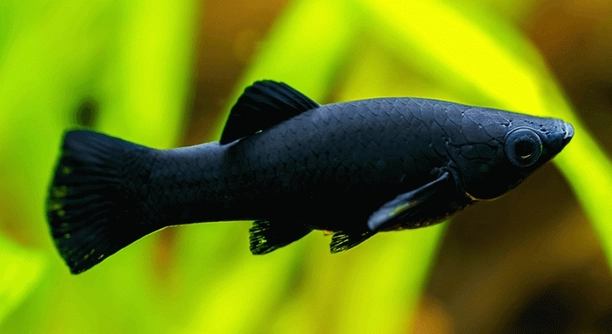
Black Molly fish are lively and beautiful additions to any aquarium, but feeding them properly can be challenging. Ensuring they receive the right nutrition at consistent times helps maintain their health, vibrant colors, and active behavior in the tank.
Establishing a structured feeding schedule is essential for Black Mollies. Feeding small portions two to three times daily, alternating between high-quality flakes, frozen foods, and occasional live treats, supports growth, prevents overfeeding, and maintains water quality in their aquatic environment.
Following these feeding practices will improve your fish’s health and behavior while keeping your aquarium clean and balanced for long-term enjoyment.
Morning Feeding Routine
Feeding Black Mollies in the morning sets a healthy rhythm for their day. I usually start with a small portion of high-quality flake food. It is important to avoid overfeeding at this time because uneaten food can quickly pollute the tank. Observing their behavior while eating helps me notice any changes in appetite or activity, which can indicate stress or illness. Morning feedings also stimulate their metabolism and encourage them to be active throughout the day. I prefer feeding for about five minutes, ensuring every fish gets a bite. If some flakes remain, I remove them immediately. This keeps water parameters stable and reduces the risk of algae growth. Feeding them in a calm, quiet environment prevents sudden stress. Using a consistent routine also trains the fish to anticipate feeding times, which helps maintain order in the tank. Over time, this practice has made the tank environment healthier and the fish more vibrant.
Morning feedings should be brief, consistent, and carefully measured to avoid excess food and maintain clean water conditions.
A good morning routine helps Black Mollies stay healthy and active. Offering the right portion size ensures all fish get their share while preventing leftover food from contaminating the tank. Watching their behavior closely during feeding can reveal early signs of stress or illness. Consistency in timing makes them more responsive and orderly. By sticking to a short, calm morning feeding, I’ve noticed my fish are more vibrant and energetic. Removing uneaten food immediately reduces waste and supports water quality. Over time, the fish adapt well, showing predictable activity patterns. Morning feeding also sets the tone for the day, keeping them engaged and less aggressive. I often pair this routine with a quick check of water parameters to ensure the tank remains balanced. These small steps contribute significantly to the long-term well-being of Black Mollies.
Afternoon Snack
A light afternoon feeding keeps energy levels stable without overloading the tank. Small portions of frozen or live food work best.
Afternoon snacks provide variety and maintain activity. Offering occasional treats like brine shrimp or daphnia supports digestion and keeps the fish interested in feeding. This feeding should be smaller than morning portions to avoid uneaten leftovers. It is also an opportunity to monitor their behavior and appetite during the day. I usually limit this snack to once daily, adjusting the type of food based on their needs. Alternating between frozen and live food helps provide essential nutrients that flakes alone might lack. Keeping this feeding short ensures water quality remains intact while giving the fish a boost in energy. By observing which foods they prefer, I can tailor their diet for better health. Small, consistent snacks also prevent sudden hunger, reducing stress. These midday feedings contribute to a balanced routine, making the fish more active and interactive in the aquarium.
Evening Feeding
Evening feeding should be light to avoid leftover food overnight. Small flakes or micro pellets work best, ensuring the tank stays clean and the fish are not overfed.
Feeding in the evening helps maintain a consistent schedule and prepares the fish for nighttime activity. I usually give only what they can consume in about three to five minutes. Overfeeding in the evening can lead to water quality issues, which affect their health and tank stability. Observing how they respond to the last meal of the day shows me if any adjustments are needed. Some fish finish quickly while others are slower, so I make sure every Black Molly has a chance to eat. Removing any remaining food immediately prevents ammonia spikes and keeps the aquarium environment healthy. Evening feedings also help the fish settle down, reducing stress and promoting restful periods.
Evening meals should be controlled and carefully monitored. Proper portioning prevents water problems and keeps fish healthy while reinforcing their feeding routine.
Alternate Day Feeding
Alternate day feeding can help prevent overfeeding and maintain ideal weight for Black Mollies. This method works well with adult fish that have stable activity levels.
Skipping one day between main meals reduces the risk of bloating and obesity, which is common in fish fed multiple times daily without portion control. I usually combine this schedule with a mix of flakes and occasional frozen foods. Observing their activity on non-feeding days ensures they remain energetic and healthy. Alternate day feeding also encourages natural foraging behavior, making them more active as they explore the tank for food. On feeding days, I slightly increase portion sizes while keeping them balanced to ensure nutritional needs are met. Tracking their growth and weight over time allows me to adjust portions and feeding frequency accordingly. This approach has helped my Black Mollies stay lean, active, and visually vibrant without stressing their digestive systems.
Small Frequent Meals
Feeding Black Mollies small amounts several times a day prevents overfeeding and supports steady energy. I usually divide their daily portion into three or four small feedings to keep them active and healthy.
Frequent meals help maintain water quality by reducing uneaten food. Each feeding is brief, allowing the fish to consume what they need without leftovers. I find this method encourages consistent growth and keeps their metabolism steady, which is particularly useful for young or growing Black Mollies. Dividing portions also allows me to monitor individual fish, ensuring all receive adequate nutrition.
Weekend Feeding Variation
Occasionally changing the weekend feeding routine introduces variety. I like to offer frozen or live foods in slightly larger portions.
Seasonal Feeding Adjustment
During warmer months, Black Mollies’ metabolism increases, requiring slightly more frequent feeding. I adjust portions to match activity levels.
Fasting Day
Including one fasting day weekly can improve digestion and overall health. It gives their system a rest while keeping them energetic and balanced.
FAQ
How often should I feed Black Mollies?
Black Mollies thrive on a consistent feeding schedule. Typically, feeding two to three times a day works well for adult fish. Juveniles may need smaller portions more frequently to support growth. Observing their activity and appetite helps determine if adjustments are needed. Avoid overfeeding, as leftover food can pollute the tank.
What type of food is best for Black Mollies?
A balanced diet of high-quality flake food forms the foundation of nutrition. Supplementing with frozen or live foods, such as brine shrimp or daphnia, adds essential proteins and nutrients. Occasional vegetable-based flakes or blanched vegetables provide fiber. Variety ensures health, color vibrancy, and proper growth.
Can I feed them only once a day?
Feeding once daily is possible for adult Black Mollies but not ideal. They may become less active or aggressive in competition for food. Multiple smaller feedings prevent overeating and help maintain water quality. For optimal health, two to three small meals are recommended.
Is it safe to give treats like bloodworms?
Yes, treats like bloodworms can be offered occasionally. They should be given in very small portions, no more than once or twice per week. Treats are rich in protein and help maintain activity levels but can quickly foul water if overfed. Balance is key.
How do I know if my fish are overfed?
Signs of overfeeding include uneaten food accumulating on the substrate, cloudy water, and bloated fish. Fish may become sluggish or show abnormal swimming. Monitoring portion size and removing leftovers promptly helps prevent these issues. Proper feeding amounts keep the fish healthy and the tank environment stable.
Can Black Mollies go a day without food?
Yes, skipping a single day occasionally is generally safe, especially for adults. A fasting day can help their digestion and prevent bloating. Young fish, however, should not fast for long periods as they require frequent nutrition to support growth and development.
Should feeding change during temperature changes?
Yes, temperature impacts metabolism. In warmer water, metabolism increases, requiring slightly more food. In cooler water, feeding should be reduced because fish eat less and digestion slows. Observing behavior and adjusting portions ensures fish remain healthy without overloading the tank.
What portion size is appropriate for each feeding?
Portion size should be what the fish can consume in three to five minutes. This prevents leftover food from contaminating the tank. A general guideline is a pinch of flakes per small group of fish, adjusted based on tank population and individual appetite.
How do I handle picky eaters?
Picky eaters can be encouraged by offering variety. Mixing flakes, frozen foods, and small amounts of vegetables usually stimulates interest. Feeding in small, frequent amounts and observing which foods they prefer helps ensure all fish receive adequate nutrition. Avoid sudden large changes in diet.
Is live food necessary for Black Mollies?
Live food is not strictly necessary but is beneficial. It adds enrichment, stimulates natural hunting behavior, and provides nutrients that flakes alone may lack. Feeding live food occasionally enhances activity and overall well-being, but it should complement a balanced diet rather than replace staple foods.
Can overfeeding affect water quality?
Absolutely. Excess food decomposes and increases ammonia and nitrite levels, harming fish and promoting algae growth. Regularly removing uneaten food and maintaining a proper feeding routine is crucial for clean water and the overall health of Black Mollies.
Are there signs my feeding schedule needs adjustment?
Yes, reduced activity, loss of color, or sudden aggression can indicate dietary or schedule issues. Observing behavior and adjusting meal frequency, portion size, or food type helps maintain consistent health and energy levels. Regularly monitoring the tank ensures the feeding routine remains effective.
How important is feeding consistency?
Consistency is very important. Black Mollies thrive on routine, which reduces stress and promotes steady growth. Feeding at roughly the same times each day keeps them active, encourages natural behavior, and helps maintain water quality by controlling leftover food.
Final Thoughts
Feeding Black Mollies correctly is one of the most important steps in maintaining their health and ensuring they thrive in your aquarium. Establishing a structured feeding schedule allows these fish to receive the right nutrients at consistent times, which helps their growth, activity, and overall well-being. Overfeeding can quickly lead to poor water quality, stress, and potential health issues, while underfeeding can stunt growth and reduce energy levels. I have found that dividing their daily food into smaller portions throughout the day keeps them active, encourages natural foraging behaviors, and reduces leftover food that can pollute the tank. Consistency in timing and portion size is key, and observing how your fish respond to each feeding can guide adjustments to maintain balance in the aquarium environment.
Choosing the right type of food is equally important. High-quality flake food provides a solid nutritional foundation, while supplementing with frozen or live foods like brine shrimp or daphnia offers essential proteins and variety. Occasionally including vegetable-based flakes or blanched vegetables supports digestion and adds fiber. Providing a mix of food types ensures that Black Mollies receive a well-rounded diet, which promotes vibrant coloration and steady growth. I also include occasional treats, like bloodworms, in very small amounts to keep them stimulated and active, but I am careful not to overfeed. Monitoring their appetite and behavior during and after feedings allows me to fine-tune portions and maintain healthy activity levels. Adjusting feeding routines seasonally or based on water temperature helps manage metabolism and ensures that fish are neither underfed nor overfed.
Maintaining a proper feeding schedule also supports the aquarium’s stability. Uneaten food is a major source of waste, which can quickly lead to elevated ammonia levels, cloudy water, and algae growth. Removing leftovers immediately, observing fish during feedings, and keeping a consistent routine are all small but important steps in keeping the tank clean and safe. Fasting days, occasional portion adjustments, and varying food types contribute to healthier digestion and long-term vitality. Over time, these practices create a balanced environment where Black Mollies can remain active, colorful, and healthy. Paying attention to their needs, following a structured feeding schedule, and maintaining water quality are essential practices that ensure these fish not only survive but thrive in their aquatic home. By keeping feedings consistent, portion-controlled, and nutritionally varied, you can support the long-term health and vibrancy of Black Mollies while maintaining a clean, balanced aquarium environment.

Hello,
If you enjoy the content that we create, please consider saying a "Thank You!" by leaving a tip.
Every little bit helps us continue crafting quality advice that supports the health, happiness, and well-being of pets around the world, for pets of all shapes, sizes, and species.
We really appreciate the kindness and support that you show us!