
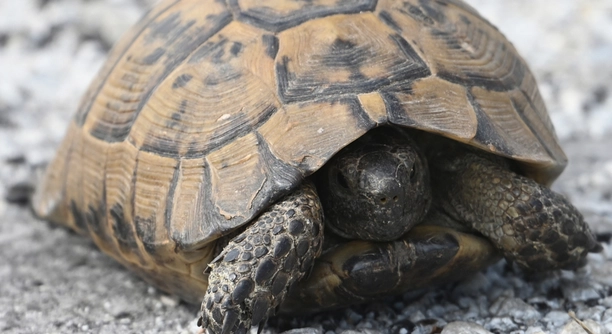
Is your Russian Tortoise not acting like its usual self during handling? Sometimes, they can become uncomfortable, and it’s important to know the signs. Understanding your tortoise’s body language can help you identify when they need space.
Your Russian Tortoise may show signs of discomfort if it retreats into its shell, becomes aggressive, or seems unusually still. These reactions indicate that it is not enjoying the handling experience and may need a break or less interaction.
There are a few signs that can help you spot if your tortoise is stressed or uncomfortable. Recognizing these will help you make handling sessions more enjoyable for both you and your pet.
Your Tortoise Pulls Into Its Shell
One of the most common signs that your Russian Tortoise is uncomfortable with handling is when it pulls into its shell. This is a natural defense mechanism that they use when they feel threatened or uneasy. While some tortoises may retreat when startled or nervous, frequent withdrawal during handling means your tortoise feels insecure. It’s important to pay attention to the way it behaves when you approach or pick it up. If your tortoise tends to stay in its shell for long periods after being handled, it’s a clear indication that it is not enjoying the experience.
When your tortoise pulls its head and limbs into its shell, it is telling you it doesn’t feel safe. Understanding this behavior helps you know when to give your pet more space. Continuing to handle a tortoise while it’s in its shell may cause unnecessary stress.
Make sure to approach your tortoise slowly and gently. Avoid overwhelming it with sudden movements, and allow it to feel in control of its environment. If your tortoise stays in its shell even after a calm approach, consider reducing the frequency or length of your handling sessions.
Your Tortoise Becomes Aggressive
If your Russian Tortoise begins to display signs of aggression, such as biting or hissing, it’s a clear sign of discomfort. This behavior often stems from fear or frustration.
Aggressive behavior usually arises when a tortoise feels trapped or unable to escape. If your pet is reacting aggressively during handling, it’s important to assess how you are interacting with it. Make sure you are not holding it too tightly or too long. Allowing your tortoise to move freely in a controlled space is key.
Your Tortoise Stays Completely Still
When your Russian Tortoise becomes unusually still or motionless during handling, it may be a sign of stress or discomfort. While it’s normal for tortoises to be calm, excessive stillness can be a form of distress. If your tortoise isn’t moving at all, it could be trying to avoid interaction or simply doesn’t feel comfortable.
It’s important to note that a tortoise’s lack of movement can also indicate fear. Being still allows the tortoise to feel like it’s blending into the surroundings, making it less noticeable to potential threats. If your tortoise is unresponsive or seems “frozen” during handling, it’s best to gently put it back in its enclosure to help reduce stress.
When handling your tortoise, try to keep interactions short and gentle. Avoid holding it in the same position for too long, and give it time to explore freely if it wishes. This way, your tortoise is more likely to feel secure and less likely to freeze up.
Your Tortoise Makes No Eye Contact
If your Russian Tortoise avoids making eye contact or seems uninterested in you, it’s a clear sign that it’s not comfortable. Eye contact is one way animals establish trust and connection, so a lack of eye contact could signal unease.
When a tortoise looks away or seems to avoid your gaze, it’s often a sign that it feels threatened. If you’re trying to interact and your tortoise turns its head or focuses elsewhere, it’s best to stop and let it relax. Forcing interactions with a tortoise that refuses to make eye contact can worsen the situation, increasing the discomfort.
Allow your tortoise to set the pace during interactions. If it wants to move away or show disinterest, respect that. Providing a calm and safe environment will encourage your tortoise to feel more comfortable and gradually engage with you in a way that feels natural for both of you.
Your Tortoise Looks Tense
If your Russian Tortoise is displaying signs of tension, such as stiff limbs or a tightly drawn neck, it’s an indication that it is uncomfortable. These signs show that the tortoise is on high alert, feeling threatened or anxious.
Tense movements are often accompanied by other signs of stress, like rapid breathing or quick, jerky movements. If your tortoise seems rigid during handling, stop and give it a moment to relax. The more relaxed you can make the environment, the easier it will be for your tortoise to feel comfortable.
Your Tortoise Keeps Trying to Escape
If your Russian Tortoise is constantly trying to escape or climb away from your hands, it’s a clear sign that it feels uncomfortable with the handling. Tortoises generally prefer to have their space and may try to run away when they feel trapped.
This behavior shows that your tortoise is trying to remove itself from a stressful situation. You may notice your pet attempting to climb out of your hands or squirming in your grip. To ease this, make sure to hold your tortoise gently and avoid holding it for too long.
Your Tortoise Starts Panting
Panting or rapid breathing is another indicator that your Russian Tortoise is not comfortable with handling. It’s often a sign of distress and may indicate that your tortoise is feeling overheated or frightened.
When a tortoise starts panting, it’s best to immediately return it to its enclosure, allowing it to cool down and calm its nerves. Prolonged panting can lead to additional stress, so it’s important to ensure your tortoise feels safe and at ease during interactions.
Why Is My Russian Tortoise Hiding When I Handle It?
Hiding is a natural response for a tortoise when it feels threatened or stressed. If your Russian Tortoise hides when you handle it, it could be trying to escape the situation. This behavior is common in many animals that feel vulnerable, and for a tortoise, retreating into its shell or trying to hide is a way of protecting itself. To avoid causing more stress, try to approach your tortoise slowly and gently. Gradually build trust by offering space and allowing it to explore at its own pace.
It’s also possible that your tortoise is just not used to being handled. If it’s still adjusting to you or its new environment, hiding might be its default behavior. Be patient and give your tortoise time to get comfortable with its surroundings before attempting to handle it again. If hiding persists over time, make sure the environment is calm and secure, as external stressors could contribute to this behavior.
How Can I Tell If My Tortoise Is Stressed?
Stress in a tortoise can manifest in various ways. If your Russian Tortoise becomes unusually withdrawn, aggressive, or shows signs of physical discomfort, it’s likely stressed. Other signs include excessive hiding, loss of appetite, and lethargy. It’s important to watch for these behaviors because stress can have a negative impact on your tortoise’s health. Make sure the enclosure is set up properly with proper lighting, temperature, and humidity levels to minimize environmental stressors.
Handling is another area where stress can occur. If your tortoise is not comfortable being held or is handled too roughly, it may respond with signs of stress like pulling into its shell or becoming aggressive. To reduce stress, handle your tortoise gently and for short periods. Giving it time to acclimate to being touched can help build comfort and trust.
Should I Be Handling My Tortoise Often?
It’s important to strike a balance when it comes to handling your tortoise. While occasional handling can be good for bonding and socialization, it’s essential not to overdo it. Too much handling can cause stress, especially if your tortoise isn’t used to being picked up or handled frequently. Ideally, handling should be limited to short, calm sessions to avoid overwhelming your pet.
Russian Tortoises are naturally independent animals, and they may not enjoy being handled as much as other pets. Allowing your tortoise to explore its environment on its own will help it feel more comfortable. Providing a stable, safe environment with enough space for your tortoise to move freely will help reduce the need for frequent handling.
How Can I Make My Tortoise Feel More Comfortable When Handling?
To make your Russian Tortoise more comfortable during handling, it’s essential to approach it calmly and gently. Start by holding it for short periods and observe its reactions. If it begins to show signs of stress, such as withdrawing into its shell, gently put it back in its enclosure to allow it to calm down. Ensure that the room temperature is comfortable, as too much heat or cold can add to its stress.
Another way to make handling easier is by using slow, controlled movements. Avoid sudden grabs, as quick motions can make your tortoise feel threatened. Additionally, create positive associations with handling by offering treats or giving it a chance to roam after a calm session. Over time, your tortoise may become more tolerant of handling.
What Are the Signs of Illness in My Russian Tortoise?
Illness in a Russian Tortoise can be tricky to spot, as these animals tend to hide symptoms until they are very sick. Common signs of illness include lethargy, loss of appetite, unusual discharge from the eyes or nose, and difficulty breathing. If your tortoise is suddenly more aggressive, withdrawn, or seems to be in pain when touched, these can be signs that something is wrong.
Changes in behavior, such as a reluctance to move, can also be an indicator of illness. If you notice any of these signs, it’s crucial to seek advice from a reptile veterinarian as soon as possible. Prompt medical attention can help prevent more severe complications.
Can Stress Affect My Tortoise’s Health?
Yes, stress can have a serious impact on your Russian Tortoise’s health. Long-term stress can lead to a weakened immune system, making your tortoise more susceptible to infections and illnesses. Prolonged stress can also lead to behavioral issues, such as aggression or refusal to eat, both of which can harm its overall well-being.
To reduce stress, ensure that your tortoise’s habitat is optimal and free from constant changes. Provide it with a comfortable temperature range, clean water, and a balanced diet. Minimize excessive handling, especially when your tortoise is still adjusting to its environment, and allow it plenty of time to rest and hide when it feels the need.
Understanding the signs that your Russian Tortoise is not comfortable with handling is crucial for maintaining its well-being. Tortoises are naturally independent and can become stressed or anxious if they feel threatened or unsafe. Recognizing behaviors such as retreating into the shell, becoming overly still, or showing signs of aggression can help you determine when your tortoise is not enjoying being handled. By observing these signs and making adjustments to your approach, you can create a more comfortable environment for your tortoise, making interactions more enjoyable for both of you.
It’s important to remember that each tortoise has its own personality. Some may tolerate handling better than others, while some might prefer to stay in their enclosure and observe from a distance. It’s essential to respect their preferences and never force interaction. If your tortoise shows signs of discomfort, it’s best to let it be and give it time to acclimate. Regular, gentle handling sessions can help build trust, but overdoing it or forcing too much contact may cause unnecessary stress.
In the end, creating a safe and comfortable environment is key to your tortoise’s happiness. Ensure that your tortoise’s habitat is quiet, clean, and properly set up to meet its needs. Pay attention to the temperature, humidity, and lighting conditions in the enclosure. When handling your tortoise, be gentle and allow it to move freely, ensuring that each interaction is a positive one. By observing your tortoise’s reactions, being patient, and respecting its boundaries, you can foster a trusting relationship and provide the best care for your pet.

Hello,
If you enjoy the content that we create, please consider saying a "Thank You!" by leaving a tip.
Every little bit helps us continue crafting quality advice that supports the health, happiness, and well-being of pets around the world, for pets of all shapes, sizes, and species.
We really appreciate the kindness and support that you show us!