
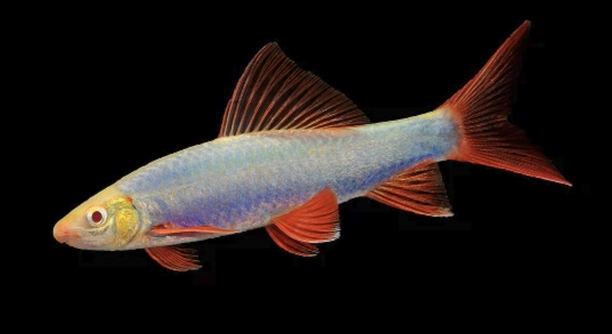
Rainbow sharks are popular freshwater fish known for their striking colors and active behavior. However, they can become territorial, especially in home aquariums. Managing this behavior is important to keep a peaceful tank environment for all your aquatic pets.
Handling rainbow shark territorial behavior involves understanding their natural instincts and creating a suitable environment. Providing enough space, hiding spots, and compatible tank mates helps reduce aggression and promotes harmonious coexistence in community tanks.
Following simple tips can improve your tank’s balance and ensure your rainbow sharks live comfortably alongside other fish.
Understanding Rainbow Shark Territorial Behavior
Rainbow sharks naturally defend their space, especially as they mature. In smaller tanks, this instinct becomes more noticeable because their territory is limited. They mark areas with subtle body movements and by chasing away other fish that come too close. This behavior helps them feel secure but can cause stress for other tank inhabitants. Recognizing these signs early is important to prevent ongoing aggression and injury. Observing your fish closely lets you know when it’s time to adjust their environment. Creating clear boundaries within the tank reduces conflict and promotes calm interactions. It’s a balance between giving your rainbow shark enough room to feel safe without letting it dominate the entire space. Awareness of their natural tendencies makes it easier to manage their behavior in captivity and keep a peaceful aquarium.
Rainbow sharks protect their space to feel secure, which can lead to conflict in confined environments.
By knowing how they behave, you can create a habitat that respects their needs and maintains harmony among your fish. Using decorations like plants and rocks helps define separate areas. Keeping enough open swimming space also reduces competition. Tank size plays a big role — larger tanks allow more room for everyone to spread out. Regularly changing the layout can also prevent boredom and reduce territorial disputes. Remember, peaceful coexistence depends on how well the environment suits all its residents.
Providing Adequate Space and Hiding Spots
Providing plenty of space is essential for controlling territorial aggression. Rainbow sharks do best in tanks that are at least 30 gallons, giving them room to establish personal zones. Without enough space, stress increases and aggressive behavior worsens. Adding hiding spots with caves, plants, or driftwood creates safe retreats for all fish. These shelters reduce confrontations by breaking up sightlines and allowing shy fish to avoid direct encounters. It’s important to arrange these features thoughtfully so they form distinct territories while maintaining open swimming areas. Regular cleaning and tank maintenance also help fish feel secure. A well-planned aquarium respects the needs of rainbow sharks and their tank mates, promoting a peaceful environment and healthier fish.
Territorial behavior decreases when fish have enough room and safe places to hide.
Designing your aquarium with plenty of hiding spots and enough swimming space limits aggressive encounters. This reduces stress and helps all fish thrive together. Consistent care and thoughtful layout adjustments keep the environment comfortable and balanced.
Choosing Compatible Tank Mates
Choosing the right tank mates is key to reducing rainbow shark territorial issues. Avoid small or slow-moving fish that can be easily bullied. Instead, select species that are fast, robust, and can hold their own without provoking aggression.
Fast-swimming fish like danios or barbs can coexist well with rainbow sharks. These species are active enough to avoid constant chasing, which lowers stress for all fish. Avoid overly aggressive fish, as this can increase fighting and injuries. Balancing the temperament of all tank residents helps maintain peace. When introducing new fish, watch closely for signs of tension or bullying to address problems early.
It’s important to provide enough space and hiding spots for all species. Each fish needs room to retreat, especially in mixed tanks. Compatibility also depends on water parameters, so keep conditions stable and suitable for all inhabitants. Proper research ensures your fish community stays healthy and calm, preventing territorial disputes.
Monitoring and Managing Aggression
Consistent observation is necessary to manage rainbow shark aggression effectively. Watch for signs like frequent chasing, fin nipping, or hiding, which indicate stress or dominance issues. Early detection helps you intervene before injuries occur.
If aggression becomes a problem, consider rearranging the tank layout to disrupt established territories. Changing decorations or moving hiding spots can break territorial boundaries and reduce fights. In some cases, increasing tank size or removing overly aggressive individuals may be needed. Feeding your fish regularly and evenly also prevents competition over food, which can trigger aggressive behavior. Keeping water clean and maintaining proper conditions supports overall fish health, which lowers stress and reduces aggression.
Proactive management helps maintain a peaceful aquarium where rainbow sharks and other fish coexist comfortably. Taking action at the first signs of trouble keeps your tank balanced and enjoyable to watch.
Feeding to Reduce Aggression
Feeding your rainbow shark properly can help lower territorial behavior. Providing food at multiple spots prevents competition and reduces chasing during mealtime.
A balanced diet with quality pellets, flakes, and occasional live or frozen foods keeps your fish healthy and less likely to act aggressively out of hunger or stress.
Using Visual Barriers
Visual barriers like plants or decorations break the line of sight between fish. This reduces confrontations and gives shy fish places to hide.
By limiting visibility, territorial disputes decrease because fish don’t feel the need to defend the entire tank.
Maintaining Water Quality
Clean water supports calm, healthy fish. Poor water quality increases stress and triggers aggression.
Regular water changes and filtration keep the environment stable, making territorial behavior easier to manage.
How aggressive are rainbow sharks toward other fish?
Rainbow sharks can be moderately aggressive, especially when they feel their territory is threatened. They often chase or nip at other fish that come too close, particularly in smaller tanks. However, aggression varies depending on tank size, layout, and the species of tank mates. Providing enough space and hiding spots usually reduces aggressive behavior, allowing rainbow sharks to coexist peacefully with other fish.
Can rainbow sharks be kept with other fish?
Yes, rainbow sharks can live with other fish if tank mates are chosen carefully. They do best with fast-moving, similarly sized fish that won’t be easily bullied. Avoid slow or timid species, as rainbow sharks may chase them repeatedly. Good companions include danios, barbs, and some larger tetras. Always observe new tank mates for signs of stress or aggression to ensure compatibility.
What tank size is ideal for rainbow sharks to reduce territorial behavior?
A tank of at least 30 gallons is recommended to give rainbow sharks enough room to establish their own space. Larger tanks allow more room for multiple territories, which lowers the chance of frequent conflicts. Overcrowding or small tanks increase stress and territorial disputes. The more space available, the better the chances for a peaceful community.
How often should I rearrange the tank to manage aggression?
Rearranging the tank every few months can help disrupt established territories and reduce aggression. Changing decorations, plants, or hiding spots forces rainbow sharks to explore new boundaries, which lowers dominance issues. Avoid frequent changes that cause excessive stress, but occasional rearrangement helps keep territorial behavior in check.
What are signs of excessive territorial aggression in rainbow sharks?
Signs include constant chasing of tank mates, torn or nipped fins, fish hiding excessively, and visible wounds. If one fish is frequently cornered or stressed, it indicates aggressive dominance. Aggression during feeding or territorial displays that escalate can also be warning signs. Early recognition lets you intervene before injuries occur.
Can feeding habits influence territorial behavior?
Yes, feeding impacts aggression significantly. If food is limited or concentrated in one area, fish may compete aggressively. Feeding at multiple locations and providing enough food reduces competition. A balanced diet with varied nutrients also keeps fish healthier and less prone to stress-related aggression.
Do rainbow sharks need hiding spots in their tank?
Absolutely. Hiding spots reduce stress and break lines of sight, which lowers territorial disputes. Using plants, caves, or driftwood creates areas where fish can retreat. This is essential in community tanks to protect less aggressive species and give rainbow sharks safe zones within their territory.
Is it possible to train or tame a rainbow shark to reduce aggression?
Rainbow sharks are generally wild in behavior, so “taming” them isn’t really possible. However, consistent care, proper feeding, and a well-designed tank environment can help minimize aggressive tendencies. They may become less reactive over time if their needs are met and stress is kept low.
What should I do if aggression gets out of control?
If aggression becomes severe, first try rearranging the tank or adding more hiding spots. Increasing tank size or separating the aggressive fish may be necessary in extreme cases. Removing the most aggressive individuals can protect the rest of the community. Always monitor fish health and stress during this process.
How does water quality affect rainbow shark behavior?
Poor water quality increases stress, which can worsen territorial aggression. Maintaining clean, stable water conditions with regular changes and proper filtration supports fish health and calm behavior. Monitoring water parameters like ammonia, nitrite, and nitrate is essential to avoid problems related to poor water quality.
Can multiple rainbow sharks be kept in the same tank?
It’s possible but tricky. Multiple rainbow sharks may become territorial toward each other unless the tank is large and well-structured with plenty of hiding places. Conflicts are more likely in small tanks. If housing multiple rainbow sharks, ensure at least 55 gallons or more, and arrange plenty of visual barriers.
How do I know if a fish is stressed from territorial aggression?
Stress signs include hiding more than usual, loss of appetite, faded colors, and sluggish movement. Injuries from chasing or nipping also indicate stress. Watching behavior closely helps catch problems early so you can make adjustments to reduce aggression and improve tank harmony.
Managing rainbow shark territorial behavior requires attention to their natural instincts and careful planning of their environment. These fish are known to be somewhat territorial, especially in confined spaces. By understanding how they mark and defend their space, it becomes easier to create a tank setup that minimizes conflict. Offering enough space, hiding spots, and compatible tank mates helps reduce aggressive interactions. This approach supports a calmer atmosphere where your rainbow sharks and other fish can live comfortably.
Taking steps such as feeding your fish properly and maintaining good water quality also plays a significant role in managing territorial behavior. Providing food in multiple locations reduces competition during feeding times, which is often a trigger for aggression. Keeping water clean and stable lowers stress for all fish, which helps prevent escalation of aggressive acts. Regular monitoring of fish behavior and tank conditions allows for early detection of problems, making it easier to intervene before serious issues develop. Small adjustments to tank layout or population can have a big impact on maintaining harmony.
Ultimately, managing territorial behavior in rainbow sharks is about balance. There is no one-size-fits-all solution, as each tank and fish may behave differently. Experimenting with tank size, décor, and fish combinations will help you find what works best in your specific setup. Patience and observation are key to keeping your aquarium peaceful and healthy. With the right care and environment, rainbow sharks can thrive without causing undue stress to themselves or their tank mates.

Hello,
If you enjoy the content that we create, please consider saying a "Thank You!" by leaving a tip.
Every little bit helps us continue crafting quality advice that supports the health, happiness, and well-being of pets around the world, for pets of all shapes, sizes, and species.
We really appreciate the kindness and support that you show us!