
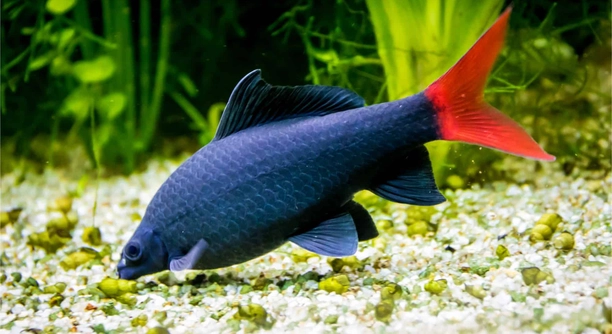
Rainbow sharks are popular aquarium fish known for their bright colors and active swimming. They need the right care to stay healthy, and feeding them properly is a key part of that. Overfeeding can cause problems that affect their well-being.
Overfeeding a rainbow shark leads to health issues such as bloating, poor water quality, and increased waste. These signs often result from excessive food intake, disrupting the fish’s digestive system and their tank environment. Careful feeding is essential to prevent these problems.
Recognizing these signs early can help you maintain a healthy tank and keep your rainbow shark happy for a long time.
Bloated Belly and Swollen Appearance
A rainbow shark that is overfed often shows a bloated belly. This swelling happens because too much food sits in their stomach and doesn’t digest properly. When fish eat more than they need, their digestive system can struggle to process it all. This can cause discomfort and make the fish look puffed up. Sometimes, the swelling might seem worse after feeding times. It is important to feed only the right amount to avoid this condition. Over time, constant bloating can lead to serious health problems like constipation or swim bladder issues, which affect the fish’s ability to swim normally. Watching your fish’s belly size regularly helps catch this sign early and act quickly.
A swollen belly is one of the easiest signs to spot when your rainbow shark is overfed. This simple observation can prevent bigger health issues.
If you notice your rainbow shark looks rounder or heavier than usual, it is time to adjust feeding amounts. Feeding smaller portions more frequently or reducing the amount of food per feeding helps. Ensuring a balanced diet with appropriate pellet size also supports better digestion. This will improve your fish’s overall health and energy levels. Avoid overfeeding to keep your rainbow shark active and comfortable.
Poor Water Quality and Increased Waste
When you overfeed a rainbow shark, extra food sinks to the bottom of the tank and begins to decay. This decay raises ammonia and nitrate levels, harming your fish and other tank inhabitants. The leftover food causes cloudy water and algae growth, making the tank less healthy. Frequent water changes become necessary to keep the environment safe. High waste levels can stress your fish, making them more vulnerable to illness. It is vital to control feeding to maintain clean water and a balanced ecosystem in your aquarium.
Careful feeding routines help protect your tank’s water quality and your fish’s health.
Water quality directly affects your rainbow shark’s well-being. Overfeeding produces more waste, which leads to poor water conditions. As excess food breaks down, harmful substances build up and create toxic conditions. These substances can damage your fish’s gills and skin, leading to infections or respiratory problems. To avoid these issues, remove uneaten food promptly and avoid overfeeding. Using a good filter and testing water regularly will also support a healthy tank. A clean environment encourages your rainbow shark to thrive, showing brighter colors and more active behavior. Managing feeding properly is one of the simplest ways to ensure a stable, healthy aquarium for your fish.
Lethargy and Reduced Activity
Overfeeding can cause your rainbow shark to become lethargic and less active. When fish digest too much food, they often feel sluggish and swim less. This change in behavior can signal an unhealthy feeding routine.
Lethargy in rainbow sharks often results from discomfort or poor water quality caused by excess food. When their system is overloaded, energy is directed toward digestion instead of swimming or exploring. This lack of activity can make the fish vulnerable to disease and stress. Monitoring your fish’s movement after feeding helps identify if overfeeding is the cause. If your shark appears tired or hides more than usual, try reducing the feeding amount. Proper portion control supports energy levels and encourages natural, lively behavior.
Maintaining a regular feeding schedule and avoiding too many treats will keep your rainbow shark energetic. Active fish tend to have stronger immune systems, better health, and show their bright colors more clearly.
Uneaten Food and Tank Debris
Uneaten food is a clear sign of overfeeding. When your rainbow shark doesn’t finish its meal, the leftovers settle on the tank floor, contributing to debris buildup and water pollution. This not only wastes food but also harms the tank environment.
Food waste left in the tank breaks down and creates toxic substances that lower water quality. It encourages algae growth and adds to the waste load your filtration system must handle. If you see uneaten food regularly, it’s time to adjust feeding amounts or feeding times. Smaller, more frequent feedings can reduce leftovers and keep the tank cleaner. Removing excess food quickly prevents water issues and protects the health of your rainbow shark and other tank inhabitants. Proper feeding habits promote a balanced, healthy tank environment where your fish can thrive.
Faded Colors
Overfeeding can dull the vibrant colors of your rainbow shark. Excess food can stress the fish and affect its natural brightness. When a fish is healthy and well-fed in moderation, its colors are more vivid and clear.
Dull colors may also indicate poor water quality from leftover food. Keeping feedings controlled helps maintain your fish’s striking appearance.
Frequent Hiding
Rainbow sharks may hide more when overfed. Discomfort from digestive issues or stress from poor water conditions can cause them to seek shelter. Hiding often signals that something in the tank isn’t right for your fish.
Rapid Breathing
Rapid or heavy breathing is a common sign of overfeeding. When fish consume too much food, waste build-up reduces oxygen levels in the water. This forces the fish to breathe faster in an attempt to get enough oxygen.
Weight Gain
A noticeable increase in weight is another sign of overfeeding. Your rainbow shark might appear bulkier or less streamlined. Maintaining balanced feeding prevents excessive weight gain and supports long-term health.
FAQ
How much should I feed my rainbow shark daily?
Feeding a rainbow shark once or twice a day is usually enough. Offer only what they can eat within two to three minutes. Too much food can cause overfeeding and harm both the fish and tank environment. Small portions spread out through the day help maintain healthy digestion.
What types of food are best for rainbow sharks?
Rainbow sharks do well with a mix of sinking pellets, flakes, and occasional live or frozen foods like bloodworms or brine shrimp. A varied diet helps provide necessary nutrients without overloading their system. Avoid overfeeding high-protein treats often, as these can contribute to digestive issues.
Can overfeeding cause diseases in my fish?
Yes. Overfeeding often leads to poor water quality, which increases the risk of bacterial and fungal infections. Excess waste can stress the fish, weakening their immune system and making them more prone to illness. Keeping feeding amounts moderate helps prevent these health problems.
How do I know if my rainbow shark is eating too much?
Signs of overeating include bloating, lethargy, faded colors, and leftover food in the tank. You might also notice rapid breathing or frequent hiding. Monitoring these behaviors after feeding helps you adjust portions before problems worsen.
What should I do if I overfeed my fish?
If overfeeding occurs, remove any uneaten food quickly to prevent water pollution. Perform partial water changes to improve water quality and reduce toxins. Adjust feeding amounts going forward, and consider feeding smaller portions more often instead of large meals.
Can I feed my rainbow shark treats?
Treats can be given occasionally but should be limited. Too many treats can cause digestive problems and encourage overfeeding. Stick to balanced daily meals and use treats sparingly to keep your fish healthy and avoid weight gain.
How often should I clean the tank if I accidentally overfeed?
If overfeeding happens, increase the frequency of water changes temporarily—every two to three days if needed. Remove uneaten food and clean the substrate to prevent ammonia buildup. Once feeding is back to normal, regular weekly maintenance is usually sufficient.
Is it okay to skip a feeding to help with overfeeding?
Yes, skipping a feeding or two can help your fish digest excess food and reduce waste buildup. Many fish, including rainbow sharks, tolerate occasional fasting well. This break helps reset their digestive system and maintain better overall health.
Why does my rainbow shark hide more after feeding?
Hiding after feeding can signal discomfort from overeating or stress due to water quality issues. If food is not consumed quickly, it can pollute the tank and cause stress, prompting your fish to seek shelter more often.
How can I encourage my rainbow shark to eat less?
Feed smaller portions and avoid overfeeding high-protein foods. Use a feeding schedule with consistent times and amounts. Removing uneaten food promptly teaches your fish to eat only what is given. Providing enough tank space and hiding spots can also reduce stress and overeating tendencies.
Can overfeeding affect other fish in the tank?
Yes. Uneaten food and waste affect water quality, impacting all tank inhabitants. High ammonia and nitrate levels can stress or harm other fish. Controlling feeding helps maintain a balanced ecosystem, keeping all fish healthier.
What signs mean I need to change my feeding routine?
Signs include bloating, leftover food, lethargy, faded colors, rapid breathing, and more hiding. If you see these often, it’s time to reduce food amounts or change feeding frequency. Adjusting your routine supports better fish health and tank conditions.
Does feeding frequency matter for rainbow sharks?
Yes. Feeding once or twice a day with moderate amounts works best. Too frequent feeding can lead to overeating and poor water quality. Spacing meals allows proper digestion and helps keep the tank clean.
Are there special foods to prevent overfeeding?
Foods that sink slowly and are nutrient-rich help control feeding. Slow-release pellets or wafers encourage your fish to eat at a steady pace. Avoid overfeeding with highly digestible flakes or snacks that fish consume too quickly.
How can I improve water quality if overfeeding has damaged it?
Regular partial water changes, using a good filtration system, and removing uneaten food help improve water quality. Testing water parameters like ammonia, nitrite, and nitrate is important. Balancing feeding amounts prevents further damage and keeps the tank stable.
Overfeeding your rainbow shark can lead to several problems that affect both the fish and the tank environment. It’s important to feed your fish the right amount of food, not too much or too little. Giving too much food causes leftover waste that pollutes the water, making the tank unhealthy. This can result in health issues like bloating, lethargy, and faded colors for your fish. Watching your rainbow shark closely and adjusting how much you feed will help keep it healthy and active.
Maintaining good water quality is just as important as feeding the right amount. Uneaten food and excess waste cause ammonia and nitrate levels to rise, which harms fish and other tank inhabitants. Regular water changes and cleaning help keep the water safe. It’s also important to have a proper filtration system that can handle the tank’s waste load. By controlling feeding and cleaning the tank regularly, you create a balanced environment where your rainbow shark can thrive.
Feeding your rainbow shark with care helps avoid stress and disease. Sticking to a feeding schedule with small portions encourages natural behavior and supports good digestion. Treats and snacks should be given sparingly to prevent weight gain and digestive problems. If you ever notice signs like bloating, lethargy, or hiding, it’s a sign to review your feeding routine. Taking simple steps to prevent overfeeding ensures your rainbow shark stays healthy, colorful, and lively for a long time.

Hello,
If you enjoy the content that we create, please consider saying a "Thank You!" by leaving a tip.
Every little bit helps us continue crafting quality advice that supports the health, happiness, and well-being of pets around the world, for pets of all shapes, sizes, and species.
We really appreciate the kindness and support that you show us!