
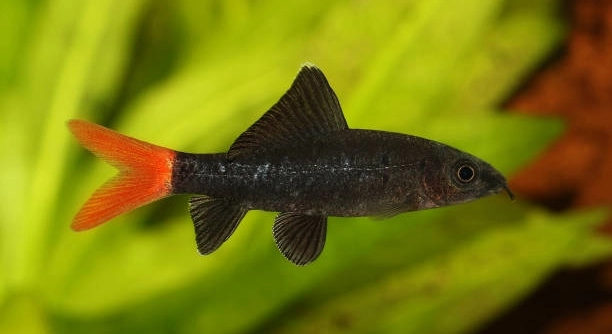
A Rainbow Shark Tank can brighten any room with its lively colors and active fish. Setting up the right environment is essential for keeping these fish healthy and happy. Proper care ensures they thrive and display their natural beauty.
To maintain a happy Rainbow Shark Tank, several key elements are required. These include adequate tank size, clean water with stable parameters, suitable hiding spots, proper diet, compatible tank mates, and regular maintenance routines. Each factor plays a vital role in the fish’s well-being.
Knowing what to provide your Rainbow Shark helps prevent stress and illness. This article will guide you through the essential needs for a thriving aquatic habitat.
Adequate Tank Size and Environment
Rainbow Sharks need enough space to swim freely and establish their territory. A tank of at least 30 gallons is recommended for one adult Rainbow Shark. Larger tanks help reduce aggression and allow them to display natural behavior. The tank should have a secure lid since these fish are known to jump. Maintaining a stable temperature between 72 and 79 degrees Fahrenheit supports their health. Use a substrate of fine gravel or sand to mimic their natural habitat. Including plants and decorations creates hiding spots, reducing stress. Proper lighting helps regulate their activity but avoid overly bright lights. A well-planned environment promotes a calm and active Rainbow Shark, improving its longevity and appearance.
Keeping the tank spacious with natural elements fosters a comfortable habitat. This prevents territorial disputes and encourages healthy behavior.
Tank size directly impacts the fish’s health and stress levels. Overcrowding can lead to aggression and poor water quality. By providing ample room, you create a more balanced ecosystem where your Rainbow Shark thrives.
Water Quality and Filtration
Maintaining clean water is crucial for Rainbow Sharks. They are sensitive to poor water conditions and need a reliable filtration system. The filter should handle at least four times the tank’s volume per hour to ensure efficient cleaning. Regular water changes, about 25% weekly, help remove waste and keep nitrate levels low. Testing water parameters regularly, such as pH, ammonia, nitrites, and nitrates, ensures a stable environment. The ideal pH range is 6.5 to 7.5. Avoid sudden changes in water chemistry, which can stress the fish. A consistent cleaning and maintenance routine reduces the risk of disease and promotes healthy behavior.
Clean water prevents illnesses and supports overall health. Filtration and regular water changes maintain a balanced aquatic environment.
Inadequate water quality can cause stress and weaken the immune system, making Rainbow Sharks prone to infections. Using a strong filter and performing routine water changes keep harmful substances in check. Keeping an eye on parameters allows you to react early to potential problems. Avoid overcrowding and overfeeding, as these increase waste and harm water quality. Combining filtration with biological, chemical, and mechanical cleaning methods provides the best results. Clear water with stable conditions encourages natural activity and vibrant colors. This attention to water care creates a safe home that supports the fish’s long-term well-being.
Suitable Hiding Spots
Rainbow Sharks need places to retreat and feel safe. Hiding spots reduce stress and aggression. Use caves, driftwood, or dense plants to create these areas.
Hiding places help Rainbow Sharks establish territories without constant conflict. Decorations like rocks and artificial caves also work well. Plants provide natural cover and improve water quality by absorbing nitrates. When designing the tank, distribute hiding spots evenly to prevent dominance by one fish. This helps maintain peace and allows shy individuals to rest.
Providing varied hiding areas encourages natural behaviors and reduces stress-related health issues. It also creates a more interesting environment for the fish to explore and interact within their space.
Proper Diet and Feeding
Rainbow Sharks are omnivores and need a balanced diet. Feed them high-quality flakes, pellets, and occasional live or frozen foods. This mix supports their energy and color.
Feeding should be done once or twice daily, with only as much food as they can eat in a few minutes. Overfeeding can pollute the water and cause health problems. Supplement their diet with vegetables like blanched zucchini or peas to provide fiber and variety. Avoid feeding solely on one type of food, as this can lead to nutritional deficiencies. Observing their feeding behavior helps identify if they are getting enough or if changes are needed.
Maintaining a proper diet supports growth, coloration, and overall health. Balanced nutrition ensures your Rainbow Shark remains active and vibrant in the tank.
Compatible Tank Mates
Rainbow Sharks can be territorial, so choosing tank mates carefully is important. Avoid aggressive or very small fish that might be bullied or eaten.
Peaceful, similarly sized fish that occupy different tank levels work best. Examples include larger tetras, barbs, and danios. Keeping the tank spacious also helps reduce conflicts.
Regular Maintenance Routine
Consistent tank maintenance is essential to keep the environment healthy. This includes cleaning the tank walls, checking equipment, and performing water changes. Monitoring water quality and adjusting care as needed prevents issues before they arise.
Lighting and Temperature
Proper lighting and stable temperature contribute to a Rainbow Shark’s well-being. Avoid sudden light changes and keep the temperature steady between 72 and 79 degrees Fahrenheit.
Observation and Care
Regularly observe your Rainbow Shark’s behavior and appearance. Early detection of illness or stress helps with timely treatment and care.
FAQ
How often should I feed my Rainbow Shark?
Feeding once or twice a day is enough for a Rainbow Shark. Offer only as much food as they can finish in about two to three minutes. Overfeeding can lead to poor water quality and health problems. A balanced diet with flakes, pellets, and occasional live or frozen food keeps them healthy.
Can Rainbow Sharks live with other fish?
Yes, but tank mates should be chosen carefully. Rainbow Sharks are territorial and can be aggressive toward smaller or slower fish. Ideal companions are peaceful, active fish of similar size that occupy different tank levels, such as barbs, danios, or larger tetras. Avoid aggressive or very small species.
What tank size is best for a Rainbow Shark?
A minimum of 30 gallons is recommended for one adult Rainbow Shark. Larger tanks help reduce aggression and provide enough swimming space. Overcrowding often causes stress and fighting. Bigger tanks create a more stable environment and allow for proper hiding spots.
How do I maintain water quality in the tank?
Use a filter that circulates the tank water at least four times per hour. Perform weekly water changes of about 25% to remove waste. Test water regularly for pH, ammonia, nitrites, and nitrates. Keep pH between 6.5 and 7.5. Avoid sudden changes in water chemistry to reduce stress.
What temperature is ideal for Rainbow Sharks?
Keep the tank temperature stable between 72 and 79 degrees Fahrenheit. Sudden temperature changes can stress the fish and lower their immunity. Use a reliable heater with a thermostat to maintain a steady temperature, especially in cooler climates.
Do Rainbow Sharks need hiding places?
Yes, hiding spots reduce stress and territorial aggression. Provide caves, driftwood, dense plants, or artificial decorations evenly throughout the tank. These areas help Rainbow Sharks feel secure and encourage natural behavior, which contributes to their overall health.
How long do Rainbow Sharks live?
With proper care, Rainbow Sharks can live between 8 to 10 years. Their lifespan depends on tank conditions, diet, and how well their environment is maintained. Consistent care and a stress-free habitat improve their longevity.
What signs show a Rainbow Shark is stressed or sick?
Signs include loss of color, lethargy, hiding excessively, or refusing food. Look for unusual swimming patterns, clamped fins, or white spots. Early detection of illness is crucial. Regular observation and prompt action help prevent serious health issues.
Is it okay to keep multiple Rainbow Sharks in one tank?
Keeping multiple Rainbow Sharks in one tank can be challenging due to their territorial nature. If attempted, ensure the tank is very large—60 gallons or more—and has plenty of hiding places to reduce conflict. Even then, aggression might occur, so monitor closely.
What should I feed if live food is not available?
If live food isn’t an option, high-quality pellets and flakes designed for omnivorous fish work well. Supplement their diet with frozen or freeze-dried options like bloodworms, brine shrimp, or daphnia. Occasionally, add blanched vegetables for fiber and nutrients.
How often should I clean the tank?
Perform partial water changes weekly, removing about 25% of the water. Clean algae off the tank walls and check equipment regularly. Deep cleaning the substrate can be done monthly. Regular maintenance keeps the environment healthy and supports the fish’s well-being.
Can Rainbow Sharks jump out of the tank?
Yes, Rainbow Sharks are known to jump. Always use a secure lid to prevent escapes. Keeping water levels slightly below the tank’s rim can reduce the risk. Sudden disturbances or stress can trigger jumping behavior.
Do Rainbow Sharks need special lighting?
Standard aquarium lighting is sufficient. Avoid very bright or flashing lights, as this can stress the fish. Lighting should simulate a natural day-night cycle. Plants in the tank can benefit from appropriate light, which also helps create hiding spots and a natural environment.
How can I encourage natural behavior in my Rainbow Shark?
Provide enough swimming space, hiding spots, and compatible tank mates. Maintain stable water conditions and a varied diet. Avoid overcrowding and sudden changes in environment. These steps help Rainbow Sharks display their active and territorial nature in a healthy way.
What do I do if my Rainbow Shark is aggressive?
Aggression often results from stress, overcrowding, or lack of hiding places. Increase tank size if possible, add more decorations, or separate aggressive individuals. Check water quality, as poor conditions can increase stress. Introducing compatible tank mates carefully can help balance behavior.
Are Rainbow Sharks compatible with live plants?
Yes, they do well with live plants. Plants provide hiding spots and improve water quality. Choose sturdy species like Java fern or Anubias, which can tolerate the fish’s activity. Avoid delicate plants that can be easily uprooted or damaged.
Final Thoughts
Taking care of a Rainbow Shark requires attention to several important factors. Providing a large enough tank with stable water conditions is the foundation for their well-being. When the environment meets their needs, Rainbow Sharks are less stressed and more likely to live longer, healthier lives. Clean water, proper filtration, and regular maintenance are essential to prevent common health problems and keep the tank balanced. Overcrowding and poor water quality often lead to illness and aggressive behavior, which can be avoided with proper care.
Diet also plays a crucial role in maintaining a happy Rainbow Shark. Feeding a balanced diet that includes high-quality flakes, pellets, and occasional live or frozen foods helps the fish stay active and show vibrant colors. Including vegetables occasionally supports their digestive health. Avoiding overfeeding protects water quality and prevents health issues like bloating or swim bladder problems. Observing feeding habits closely helps ensure the fish receives the right amount of food and allows early detection of any changes in appetite.
Finally, attention to tank mates and decorations contributes to a peaceful and stimulating environment. Choosing compatible fish that are peaceful and occupy different tank levels minimizes conflicts. Creating hiding spots with plants, rocks, and caves reduces stress and gives the Rainbow Shark places to rest. Stable temperature and proper lighting complete the setup, ensuring the fish feels safe and comfortable. Following these guidelines helps create a thriving habitat where your Rainbow Shark can display natural behaviors and bring enjoyment for many years.

Hello,
If you enjoy the content that we create, please consider saying a "Thank You!" by leaving a tip.
Every little bit helps us continue crafting quality advice that supports the health, happiness, and well-being of pets around the world, for pets of all shapes, sizes, and species.
We really appreciate the kindness and support that you show us!