
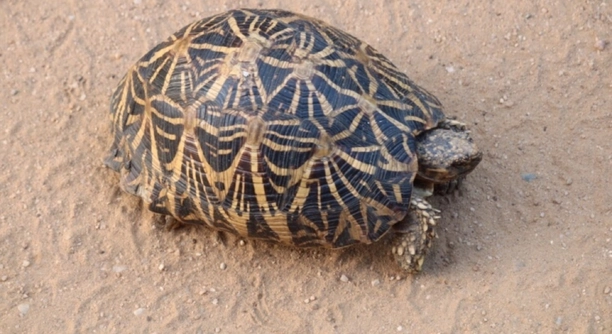
Indian star tortoises are becoming increasingly popular as pets due to their unique appearance and manageable size. These tortoises are known for their attractive shell patterns and relatively calm nature, making them a great choice for many pet owners.
Indian star tortoises are well-suited for life as pets due to their friendly temperament, low maintenance needs, and impressive lifespan. Their moderate size allows them to thrive in both indoor and outdoor environments, provided proper care and attention are given.
Learning how to properly care for an Indian star tortoise is essential for a long-lasting bond. Their gentle nature makes them ideal for those looking for a peaceful companion.
Low Maintenance Care Requirements
Indian star tortoises are known for being relatively easy to care for. Their care routine doesn’t require excessive time or attention, making them an appealing choice for many. They are not overly demanding, and their needs are simple to meet with the right setup. Providing them with a proper diet, clean water, and a suitable habitat is all that is required. These tortoises are quite resilient, and once their environment is properly established, they do well without constant supervision.
Their care primarily involves maintaining a proper enclosure, which should include enough space for them to roam. It’s essential to keep their habitat at the right temperature and humidity levels. You’ll also need to provide them with a diet of fresh vegetables and some occasional fruit. Regular cleaning of their living area ensures they stay healthy. They are not high-maintenance animals but still need consistent care to thrive.
Setting up their environment properly is key to keeping them happy and healthy. Their basic needs are easy to meet with minimal effort.
Unique Appearance and Personality
One of the most attractive features of Indian star tortoises is their unique and striking appearance. Their shells feature beautiful, star-like patterns that make them stand out. These markings are often considered a symbol of good luck in many cultures. Beyond their appearance, Indian star tortoises are known for their calm and gentle personalities. They are not aggressive, and many owners find their peaceful nature quite soothing.
The patterns on their shells can vary, making each tortoise unique. They also have a tendency to be curious and enjoy exploring their surroundings. While they can be shy at times, they warm up to their environments and people once they feel secure. This combination of appearance and temperament makes them highly sought after.
Their natural behavior also adds to their charm. Watching them slowly roam around their enclosures or bask in the sun is often a calming and rewarding experience.
Long Lifespan
Indian star tortoises are known for their impressive lifespan, often living for over 50 years when properly cared for. This makes them an ideal pet for those looking for a long-term companion. Their longevity means they can be part of your life for many decades, offering consistent company.
Caring for them over such a long time requires dedication, but it can also be incredibly rewarding. As they age, they require less active interaction, and their calm demeanor only deepens. Their long lives allow pet owners to form a true bond over the years. With proper care, they remain active and healthy throughout their lives.
This long lifespan can make the experience of owning an Indian star tortoise a deeply fulfilling one. The commitment required to keep them healthy for many years is well worth it for the companionship they offer.
Suitable for Various Living Spaces
These tortoises adapt well to both indoor and outdoor environments. Their small to medium size makes them versatile in terms of housing options. As long as they have space to roam and a warm environment, they are content. You can keep them in a garden or a spacious indoor enclosure, depending on your living situation.
In an indoor setup, providing ample space and access to sunlight or UV lamps is essential for their health. They thrive in areas where they can bask in warmth and retreat to cooler spots when needed. This versatility makes them an ideal pet for many living arrangements, whether in apartments or homes with gardens.
Outdoor spaces also allow them to roam freely, as long as they are kept safe from predators and the weather. A secure garden with controlled access is perfect for them. Their adaptability makes them a convenient choice for many different lifestyles.
Minimal Health Issues
Indian star tortoises are generally healthy pets with few common health concerns. They are not prone to many illnesses if their environment and diet are properly managed. Their strong immune systems make them resilient and able to recover quickly from minor health issues.
Providing them with a clean habitat and balanced diet is the best way to keep them in top condition. Proper care ensures they stay healthy and live long, fulfilling lives. While they may need occasional check-ups, their natural resilience often prevents the need for extensive veterinary visits.
Their easy-to-maintain health makes them a low-stress pet option.
Simple Feeding Requirements
The feeding routine for Indian star tortoises is straightforward. They require a diet primarily made up of fresh vegetables, leafy greens, and occasional fruit. Their digestive system is well-suited to handle these foods, and they are relatively low-maintenance in terms of feeding.
Proper portion control and avoiding overfeeding are essential for maintaining their health. Additionally, ensuring they have access to fresh water at all times is crucial for their well-being. With their uncomplicated feeding needs, they are easy to care for and can adapt to a variety of food options.
Low Noise and Disruption
Indian star tortoises are silent and calm, creating little disturbance in their environment. They do not make loud noises or require constant attention, making them ideal for quieter households. Their low-key presence makes them a great choice for those seeking a pet that does not disrupt their daily routine.
FAQ
How big do Indian star tortoises get?
Indian star tortoises typically grow to about 12 to 14 inches in length, although some may reach up to 18 inches in rare cases. Their moderate size makes them manageable for most living spaces, whether indoors or in a secure outdoor environment. While they grow steadily, they do not become overwhelmingly large, making them suitable for most households.
How long do Indian star tortoises live?
Indian star tortoises have a lifespan of 50 years or more, which is one of their most appealing characteristics. With proper care, including a balanced diet, appropriate habitat, and regular health checks, these tortoises can live for many decades. Their long life makes them great companions for those looking for a pet with staying power.
What do Indian star tortoises eat?
Indian star tortoises eat a diet primarily made up of fresh greens, such as dandelion leaves, clover, and grasses. They also enjoy vegetables like squash, bell peppers, and carrots. Occasional fruits like papaya or melon can be given as a treat. It’s important to avoid feeding them too much fruit as it can lead to digestive issues.
How should I set up an enclosure for an Indian star tortoise?
Setting up an enclosure for an Indian star tortoise involves ensuring they have enough space to roam and bask. A suitable enclosure should have both a warm area (around 85-90°F) and a cooler area (around 75-80°F). You’ll need a UVB light for indoor setups to ensure they get enough sunlight exposure. Outdoor enclosures should be secure, protecting them from predators while offering space to roam freely.
Do Indian star tortoises need a lot of space?
Although Indian star tortoises do not require excessive space, they do need room to roam and explore. A large enclosure is important for their well-being. For an indoor setup, aim for at least 4×4 feet of space, but more is always better. Outdoor setups should be secure, with plenty of room for them to roam without restrictions.
Can Indian star tortoises live outside year-round?
In warmer climates, Indian star tortoises can live outdoors year-round as long as their enclosure is secure from predators and provides a shelter to escape from extreme weather. If you live in a cooler area, they may need to be brought indoors during colder months to maintain their health.
How often should I clean my Indian star tortoise’s enclosure?
The enclosure should be cleaned regularly to maintain a healthy environment. Remove waste daily to keep the area clean, and do a full cleaning of the enclosure once a week. This involves disinfecting surfaces, changing the substrate, and making sure the water bowl is refreshed with clean water. Regular cleaning prevents the buildup of bacteria and parasites.
Do Indian star tortoises need a special diet?
Indian star tortoises do require a specialized diet, but it’s not overly complicated. Their diet should focus on high-fiber, low-protein foods. Fresh leafy greens, grasses, and vegetables are ideal. Providing a calcium supplement once or twice a week is also recommended to support their shell health. Avoid feeding them processed foods or excessive fruit.
Are Indian star tortoises friendly pets?
Indian star tortoises are generally calm and gentle, but they are not as interactive or affectionate as some other pets. They can become accustomed to their owners, but they do not seek out physical interaction. They enjoy exploring their environment and basking in the sun but are not typically the type of pet that demands attention.
Do Indian star tortoises need companionship?
Indian star tortoises do not require companionship and can thrive on their own. While they are social creatures by nature, they do not depend on the presence of another tortoise to feel secure or happy. If you choose to keep more than one, make sure their enclosure is large enough to avoid territorial issues.
What temperature should an Indian star tortoise’s habitat be?
The ideal temperature range for an Indian star tortoise is between 75°F and 90°F. They need a basking spot with temperatures around 90°F to mimic the warmth of their natural habitat. A cooler area in their enclosure (around 75°F) allows them to regulate their body temperature by moving between warm and cool zones.
What kind of lighting does an Indian star tortoise need?
Indian star tortoises need UVB lighting to ensure they can properly process calcium and maintain healthy shells. A 10-12 hour cycle of light and dark mimics the natural day-night rhythm. If they are kept outdoors, they can benefit from natural sunlight, but indoor enclosures require UVB bulbs to meet their needs.
Do Indian star tortoises need to hibernate?
Indian star tortoises do not need to hibernate in captivity, as they are typically kept at a consistent temperature. In the wild, they may experience periods of dormancy during the colder months, but this is not necessary for pet tortoises. Keeping their environment stable year-round is best for their health.
Can Indian star tortoises be trained?
Indian star tortoises are not trainable in the same way as dogs or birds, but they can become accustomed to their environment and routine. They can recognize their owners and become comfortable with regular handling, though they are not particularly interactive. Their behavior is more about exploration than following commands.
How do I know if my Indian star tortoise is healthy?
A healthy Indian star tortoise will have clear eyes, a strong, smooth shell, and active behavior. They should be eating well, drinking water regularly, and moving about their habitat. If you notice any signs of lethargy, weight loss, or shell deformities, it’s important to consult a vet for advice.
Can I handle my Indian star tortoise?
Indian star tortoises can be handled gently, but they are not particularly fond of frequent physical interaction. They may tolerate short periods of handling, but it’s important to avoid excessive stress. Always ensure you handle them carefully to prevent injury and stress. Avoid grabbing them by their legs or tail.
What is the best substrate for an Indian star tortoise’s enclosure?
The best substrate for an Indian star tortoise’s enclosure is a mixture of organic soil, sand, and coconut coir. This combination mimics their natural habitat and allows them to dig and burrow. Avoid using pine or cedar wood shavings, as they can be harmful to tortoises. Make sure the substrate is kept dry to prevent bacterial growth.
Are Indian star tortoises expensive to care for?
Indian star tortoises are not extremely expensive to care for, but they do require a proper setup. The cost of their enclosure, UVB lighting, heating, and a balanced diet should be considered. While they don’t require constant veterinary care, periodic check-ups are a good idea to ensure they stay healthy.
Do Indian star tortoises shed their shells?
No, Indian star tortoises do not shed their shells. Their shells grow gradually over time, and old, damaged scutes naturally wear off and are replaced by new growth. Unlike reptiles that molt their skin, the shell of a tortoise expands and strengthens throughout its life. Regular care helps maintain the health of their shells.
Final Thoughts
Indian star tortoises make wonderful pets for those who are prepared to care for them. Their long lifespan, calm nature, and relatively manageable size make them a great option for both new and experienced pet owners. However, it’s important to remember that they require a consistent and balanced environment to thrive. From providing a secure enclosure to offering a well-rounded diet, every aspect of their care is crucial to their well-being.
Owning an Indian star tortoise also comes with a responsibility to educate yourself on their specific needs. While they are low-maintenance in some ways, such as their lack of need for constant interaction, they do require attention in other areas, like maintaining the right temperature, lighting, and humidity. Their diet needs to be carefully monitored to ensure they get the nutrients they need for healthy shell growth and overall vitality. The investment of time and effort into understanding these needs will pay off with a healthy, happy pet that can be part of your family for decades.
In conclusion, if you are looking for a pet that is both unique and low-maintenance, the Indian star tortoise is an excellent choice. Their gentle nature and longevity make them a rewarding pet for the right person. Just ensure that you are ready to meet their environmental, dietary, and medical needs. With the right care, they can thrive and become a treasured companion for many years to come.

Hello,
If you enjoy the content that we create, please consider saying a "Thank You!" by leaving a tip.
Every little bit helps us continue crafting quality advice that supports the health, happiness, and well-being of pets around the world, for pets of all shapes, sizes, and species.
We really appreciate the kindness and support that you show us!