
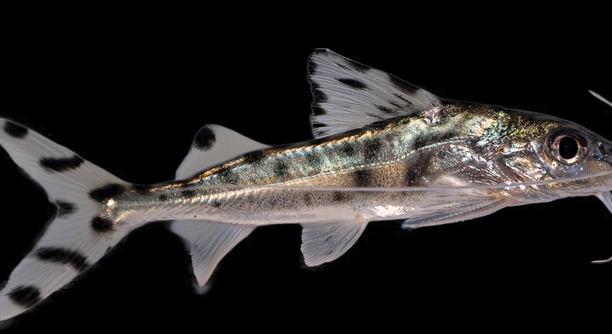
Grouped Pictus Catfish are popular in home aquariums due to their peaceful nature and interesting behavior. However, they can sometimes show signs of aggression when kept together. Understanding how to handle this aggression is important for maintaining a healthy tank environment.
Aggression in grouped Pictus Catfish typically arises from competition for space, food, or dominance within the group. Proper tank size, sufficient hiding spots, and balanced feeding routines help reduce aggressive behavior and promote harmony among the fish.
Learning to manage these factors will improve the well-being of your Pictus Catfish and create a more peaceful aquarium community.
Common Causes of Aggression in Pictus Catfish
Aggression in grouped Pictus Catfish can happen for several reasons. One main cause is overcrowding. When the tank is too small, fish compete for space and become territorial. This leads to chasing and nipping. Another factor is competition for food. If feeding is inconsistent or food is scarce, the fish may fight to get their share. Stress from sudden changes in water temperature or quality can also trigger aggressive behavior. Lastly, lack of hiding spots makes the fish feel exposed and more likely to act defensively. Providing enough room, regular feeding, and a stable environment helps keep aggression low and ensures the fish stay calm and healthy.
Pictus Catfish need at least 30 gallons of tank space for a small group to avoid overcrowding and reduce tension among them.
It’s important to observe your catfish closely to notice early signs of aggression. Minor chasing can be normal, but constant attacks or visible injuries require action. Adding plants, caves, or driftwood can help create territories and safe spaces, reducing conflicts. Also, feeding small amounts several times a day prevents competition. Keeping water parameters steady supports their health and lowers stress, which helps the fish get along better. Making these adjustments makes a big difference in creating a peaceful tank.
How to Manage Aggression Effectively
Managing aggression means adjusting the environment and care to meet the catfish’s needs. Start by increasing tank size or reducing the number of fish if space is tight. This alone often calms the group significantly. Adding decorations and plants creates hiding spots where shy fish can escape dominant ones. Regular feeding schedules with balanced portions reduce fights over food.
It’s also useful to monitor water quality carefully. Frequent water changes and proper filtration reduce stress and aggression. When aggression continues despite these steps, separating the most aggressive individuals temporarily can help restore balance. Observation and patience are key. With time, Pictus Catfish often settle into a peaceful social order, especially when their environment supports natural behaviors and reduces competition.
Signs of Aggression to Watch For
Aggression in Pictus Catfish shows through chasing, nipping, and sometimes hiding. Injuries or torn fins are clear signs. Watch how often fish dart after each other or if one is isolated and stressed.
Frequent chasing and biting can lead to injuries that cause infections or stress, weakening the fish. Aggressive behavior often increases during feeding times or if the tank is overcrowded. Sometimes, dominant fish will block access to hiding spots or food, making others nervous and more likely to fight back. If you notice a pattern of certain fish being targeted, it may be time to intervene to prevent serious harm. Early detection helps maintain peace and protects the health of the whole group.
Aggression can also affect the overall harmony in the tank. Constant fighting stresses all fish, lowering their immune response and sometimes causing illness. Reducing aggression improves not only individual fish health but also the enjoyment of watching a calm, active group of Pictus Catfish.
Tips for Creating a Peaceful Environment
Space is key to reducing aggression, so provide a tank large enough for your group. Adding plenty of plants and decorations creates natural barriers and hiding spots that break up sightlines and reduce tension.
Soft lighting and consistent water conditions also help fish feel secure. When the environment is stable and enriched, Pictus Catfish show less aggression and display more natural, relaxed behaviors. Avoid sudden changes in water temperature or chemistry, as these can cause stress and increase conflict. Proper filtration and regular water changes keep the tank clean and reduce irritants that might upset the fish. Making small changes to the environment goes a long way in supporting peaceful group dynamics.
Feeding Practices to Reduce Aggression
Feeding Pictus Catfish small amounts multiple times a day helps prevent competition. Avoid large, infrequent feedings that cause fighting.
Offering a balanced diet with high-quality sinking pellets and occasional live or frozen foods keeps them satisfied and less likely to act aggressively over food.
When to Separate Aggressive Fish
Separation is necessary if aggression causes injury or stress that disrupts the group. Use a temporary tank or divider to isolate the aggressive fish until behavior improves.
Early intervention prevents long-term harm and helps maintain a calm, healthy community.
Choosing Compatible Tank Mates
Select peaceful fish that occupy different tank levels. Avoid aggressive or territorial species that may provoke your Pictus Catfish.
Good tank mates help keep stress low and reduce chances of conflict in the aquarium.
Monitoring and Adjusting Over Time
Aggression levels can change with time as fish settle or grow. Regular observation is important to catch problems early.
Adjust tank setup, feeding, or group size as needed to maintain harmony and fish well-being.
FAQ
Why do Pictus Catfish become aggressive in groups?
Pictus Catfish can become aggressive when they feel crowded or stressed. Limited space makes them compete for territory, which can lead to chasing or nipping. Changes in water quality or temperature can also cause stress and increase aggression. When food is scarce or unevenly distributed, they may fight to get their share. Providing enough room, hiding spots, and consistent feeding helps reduce these issues and keeps aggression at a minimum.
How much space do Pictus Catfish need to avoid aggression?
A group of Pictus Catfish needs at least 30 gallons of tank space to reduce aggression. Larger tanks allow the fish to spread out and avoid direct competition. Overcrowding causes tension and fights, so increasing tank size or reducing the number of fish improves their behavior. Adding decorations and plants also helps by creating natural barriers where the fish can retreat and avoid conflict.
What are the early signs of aggression in Pictus Catfish?
Early signs include chasing and occasional nipping. Fish may hide more often or seem stressed. Look for torn fins or scratches, which indicate aggressive encounters. If you notice one fish constantly being chased or isolated, it’s a sign that aggression might be increasing. Addressing these signs quickly helps prevent injuries and keeps the group peaceful.
Can feeding schedule affect aggression levels?
Yes, feeding schedule plays a big role. Feeding small amounts several times a day prevents competition over food. Large, infrequent feedings can cause aggressive behavior as fish rush to get enough to eat. A balanced diet with sinking pellets, plus occasional live or frozen food, keeps Pictus Catfish satisfied and less likely to fight.
Are certain tank mates better for Pictus Catfish?
Peaceful fish that swim in different areas of the tank make the best companions. Avoid aggressive or territorial species that could provoke fights. Good tank mates help reduce stress and aggression by sharing the space without competing directly. Examples include small tetras or peaceful bottom dwellers.
When should aggressive Pictus Catfish be separated?
Separation is needed if fights cause injuries or ongoing stress. Use a temporary tank or divider to isolate aggressive individuals until their behavior improves. Early separation prevents harm and helps restore calm. After some time, you can try reintroducing the fish carefully, monitoring their interactions closely.
How important is water quality in managing aggression?
Water quality is very important. Poor water conditions cause stress, which increases aggression. Regular water changes, proper filtration, and stable temperature keep the fish healthy and calm. Testing water parameters often helps catch problems early before fish become aggressive.
Can adding plants and decorations reduce aggression?
Yes, plants and decorations create hiding spots and break up the tank visually. This helps fish establish territories and avoid direct confrontations. Natural cover also makes shy fish feel safer. A well-decorated tank reduces stress and aggression among Pictus Catfish by giving them space to retreat.
Does aggression change as Pictus Catfish grow?
Aggression can fluctuate as fish mature. Younger fish may chase more while establishing social order, but often settle down with time. Larger or older fish might become more dominant. Regular observation helps you notice changes early and adjust tank conditions or group size accordingly.
What is the best way to introduce new Pictus Catfish to an existing group?
Introduce new fish slowly and carefully. Quarantine new arrivals to ensure they are healthy. Add them during feeding times so attention is divided, and keep decorations in place to give everyone hiding spots. Watch closely for aggression and be ready to separate fish if needed. Patience during introductions helps maintain harmony.
Handling aggression in grouped Pictus Catfish requires attention and care. These fish are generally peaceful, but when kept together in a tank that is too small or lacks enough hiding spaces, they can become aggressive. It is important to provide them with enough room to swim freely and to reduce competition for resources like food and shelter. Paying close attention to their behavior will help catch any signs of aggression early before it causes harm. Creating a stable and comfortable environment plays a big role in keeping these fish calm and happy.
Feeding practices are also a key part of managing aggression. Pictus Catfish do best when fed smaller amounts multiple times a day rather than one large feeding. This helps reduce fights over food and makes sure all fish get their share. A balanced diet that includes sinking pellets and occasional live or frozen foods keeps them healthy and satisfied. Along with proper feeding, maintaining good water quality is essential. Regular water changes and proper filtration lower stress, which in turn lowers aggression. Keeping the tank clean and stable helps the fish feel safe and less likely to act out aggressively.
Sometimes, even with the best care, a few fish may still show dominant or aggressive behavior. In these cases, separating the aggressive fish temporarily can help restore peace to the tank. Providing plenty of hiding spots and choosing peaceful tank mates further supports a calm environment. Over time, most Pictus Catfish will settle into a peaceful social group if their needs are met. Being patient and observant is important. With the right setup and care, grouped Pictus Catfish can live together calmly, making them a rewarding addition to any aquarium.

Hello,
If you enjoy the content that we create, please consider saying a "Thank You!" by leaving a tip.
Every little bit helps us continue crafting quality advice that supports the health, happiness, and well-being of pets around the world, for pets of all shapes, sizes, and species.
We really appreciate the kindness and support that you show us!