
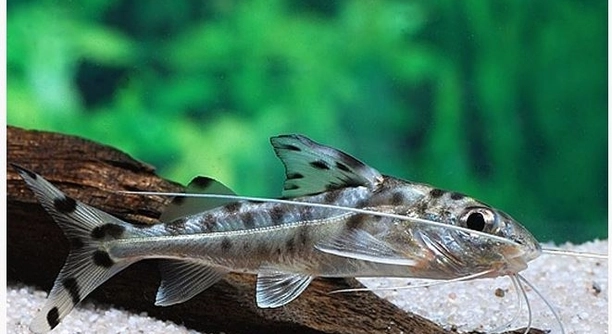
Many fishkeepers enjoy watching their Pictus catfish as they swim quietly in the tank. These fish have unique behaviors that often make owners wonder how they respond to everyday sounds. Understanding their reactions can improve the care and connection between fish and owner.
Pictus catfish do show some reaction to human voices, primarily through changes in movement or alertness. These fish detect vibrations and sound waves in the water, which may cause them to become more active or cautious when voices are nearby.
Learning about how Pictus catfish respond to sound can help owners create a more comfortable environment for their pets. This knowledge encourages better interaction and care for these interesting aquatic companions.
How Pictus Catfish Hear and Sense Sounds
Pictus catfish do not have ears like humans, but they can sense vibrations and changes in water pressure. Their lateral line system helps them detect these subtle movements around them. When a person talks near the tank, the sound waves travel through the air and water. The catfish may pick up on these waves and become alert. Sometimes, they will swim toward or away from the source of the sound. This behavior shows that they notice the voices, even if they don’t fully understand them. Unlike mammals, their hearing is less about recognizing sounds and more about feeling vibrations. These responses can vary depending on the fish’s mood or environment. A calm tank and gentle voices may lead to different reactions compared to loud or sudden noises. Learning to observe these signs can help owners know when their catfish are comfortable or stressed.
Pictus catfish mainly respond to vibrations, not the actual words spoken near the tank.
Understanding their sensitivity helps create a peaceful environment for them.
Signs Your Pictus Catfish Is Reacting to You
When a Pictus catfish reacts to human voices, you might notice small changes in behavior. They may stop swimming and look in your direction or swim closer to the glass. Sometimes, they twitch their fins or flick their barbels, the whisker-like feelers near their mouths. These signs show curiosity or caution. If the fish moves quickly away, it might be startled by the noise. Paying attention to these reactions is important for reading their mood. Quiet and calm speech is less likely to stress them out. Over time, they might even become used to your voice and show less reaction. This adaptation means they feel safer and more at home. Watching how your catfish behaves when you talk nearby can improve your connection and help you care for them better. Gentle interaction makes a positive difference for their well-being.
Creating a Calm Environment for Your Catfish
Keeping noise levels low around the tank helps Pictus catfish stay calm. Sudden loud sounds can stress them. Soft voices and gentle movements encourage comfort and natural behavior.
A calm environment benefits the health of Pictus catfish. These fish are sensitive to vibrations, so excessive noise or rapid movements nearby can make them hide or swim erratically. Keeping the room quiet and avoiding tapping on the glass reduces stress. It also helps them explore and feed more confidently. Regular, gentle interaction without loud noises can build their trust. Over time, they may respond less nervously to human voices. This peaceful setup supports their well-being and helps maintain a stable tank environment.
Lighting and tank decoration also play a role. Dim lights and plenty of hiding spots make the catfish feel safe. Combining these with quiet surroundings creates a perfect habitat for calm and happy fish.
Can Pictus Catfish Recognize Their Owners?
Pictus catfish may not recognize individual humans like pets such as dogs, but they can learn to associate certain people with food or care. Familiar voices and routines help build this recognition.
Repeated interaction can create a form of recognition in Pictus catfish. When owners consistently feed them or clean the tank, the fish begin to connect those actions with specific sounds or movements. This learning process means the fish might swim closer or become more active when their regular caretaker approaches. They react more to familiar routines than faces or voices alone. This behavior shows their ability to adapt and feel secure with people who care for them regularly. While not the same as recognizing a person by sight, this connection still adds value to daily care and bonding with the fish.
Common Misconceptions About Pictus Catfish and Sound
Many people think Pictus catfish can hear like humans, but they mainly sense vibrations. Their reactions to voices are not about understanding words. They respond to changes in their environment instead.
Some believe talking to their fish helps build a bond. While Pictus catfish don’t recognize speech, gentle sounds and calm movements can reduce their stress and encourage natural behavior.
How to Safely Test Your Catfish’s Response to Sound
To see if your Pictus catfish reacts to your voice, speak softly near the tank. Observe their movement without sudden noises. Repeat this a few times over days to note any pattern or change.
When to Be Concerned About Noise Stress
If your catfish hides often or stops eating, loud or frequent noises may be stressing it. Reducing sound around the tank can improve its comfort and health. Watch for changes to know when to adjust.
Using Voice Interaction to Improve Care
Talking gently near the tank can help your catfish feel less startled. Soft voices signal calmness, which encourages the fish to explore and feed confidently.
FAQ
Do Pictus catfish respond differently to male and female voices?
Pictus catfish do not distinguish between male and female voices because they mainly react to vibrations and sound waves, not the specific qualities of a voice. Their responses depend more on the volume, tone, and suddenness of sounds than who is speaking. Soft, calm tones from anyone nearby tend to cause less stress and more curiosity.
Can Pictus catfish get used to loud noises over time?
Repeated exposure to loud noises may cause some fish to become less reactive, but this does not mean the noise isn’t stressful. Constant loud sounds can harm their health and increase stress levels. It’s best to keep noise low and avoid sudden loud noises to protect their well-being.
Is tapping on the tank harmful to Pictus catfish?
Yes, tapping on the tank creates strong vibrations that can frighten Pictus catfish. These vibrations can cause stress, making the fish hide or swim erratically. Avoid tapping or banging on the glass to maintain a calm environment and keep your catfish comfortable.
How can I tell if my catfish is stressed by sounds?
Signs of stress include hiding more often, loss of appetite, erratic swimming, or sluggish behavior. If your Pictus catfish reacts negatively when you talk loudly or when there is sudden noise nearby, it may be stressed. Watching these signs helps you adjust the environment to reduce stress.
Do Pictus catfish prefer silence or soft background noise?
These catfish are generally more comfortable with soft, consistent background noise than complete silence or sudden loud sounds. Gentle ambient sounds mimic natural water movement and can help keep them relaxed. Complete silence or very loud noises might cause discomfort or anxiety.
Will playing music affect my Pictus catfish?
Playing music at a low volume with a steady rhythm is unlikely to harm Pictus catfish. However, loud or sudden changes in music, especially with heavy bass or fast beats, can stress them due to vibrations. It’s safest to keep music quiet and steady if you want to play it near the tank.
Can Pictus catfish hear human speech clearly?
No, they cannot hear speech clearly like humans. They detect vibrations through water, so they sense the movement of sound waves but do not understand words or language. Their reactions come from sensing changes in pressure and vibration rather than the meaning of speech.
Does talking to my Pictus catfish help it recognize me?
Talking regularly near your catfish may help it associate your presence with feeding or care. This can make the fish less nervous and more likely to swim near you. While they don’t recognize voices like pets do, this routine helps build a form of familiarity and comfort.
Are some Pictus catfish more sensitive to sound than others?
Yes, individual fish can vary in sensitivity to sound and vibrations. Factors like age, health, tank conditions, and past experiences affect how a catfish reacts. Some may be more curious and less easily startled, while others may be shy or sensitive to noise changes.
What should I do if my Pictus catfish seems scared by voices?
Try speaking softly and calmly near the tank. Avoid sudden loud noises or tapping. Give your fish time to adjust and create a quiet, stable environment. Providing hiding places and stable water conditions also helps reduce fear and stress caused by noise.
Can Pictus catfish respond to other household sounds?
Yes, they can detect many household sounds as vibrations through water. Sounds like footsteps, doors closing, or appliances running may cause reactions. Their responses depend on how strong and sudden these vibrations are. Minimizing loud household noises near the tank helps keep them calm.
Does tank size affect how much noise stresses Pictus catfish?
Smaller tanks transmit vibrations more strongly, so noise and tapping can be more stressful in these tanks. Larger tanks may absorb some vibrations, reducing the impact. Regardless of size, it’s important to keep noise low and avoid disturbing the tank to protect your catfish’s comfort.
Are there tools to measure noise levels around my fish tank?
Yes, smartphone apps and dedicated sound meters can measure noise levels near your tank. Keeping sound under 50 decibels is generally safe for most fish. Monitoring noise helps you create a quiet environment that supports your Pictus catfish’s health.
How does water quality affect noise sensitivity in Pictus catfish?
Poor water quality can increase stress, making catfish more sensitive to noises and vibrations. Clean, stable water conditions support their health and reduce nervous reactions. Regular maintenance improves their ability to cope with everyday sounds.
Is it better to feed my catfish when it hears my voice?
Feeding near the time you speak softly can help your catfish associate your voice with positive experiences. This may encourage them to come closer and feel more comfortable. Consistent feeding routines improve their sense of security and trust.
Can Pictus catfish become stressed by too much silence?
Complete silence isn’t usually harmful, but sudden changes from a noisy to a completely silent environment can be unsettling. A stable environment with gentle background vibrations mimics natural conditions best and helps your catfish feel secure.
Final Thoughts
Caring for Pictus catfish means learning how they respond to the world around them. They do not understand human voices the way dogs or cats might, but they do react to the sound waves and vibrations that voices create. This sensitivity helps them stay alert and aware in their environment. When you speak near the tank, your catfish may become more active, pause, or swim away. These small changes can tell you a lot about how they feel. Over time, they may grow used to the sounds you make and respond with more calmness. Even if they don’t recognize your voice like a familiar friend, they can still form a sense of safety from your consistent care.
Creating a peaceful space is important. Loud noises, fast movements, or tapping on the glass can easily startle a Pictus catfish. A calm environment allows them to eat, explore, and rest without fear. Soft lighting, hiding spots, and steady water quality all help with this. So does speaking in a gentle tone near the tank. Many owners find that their fish slowly become more relaxed around them. This trust builds over time and can make feeding and caring for your fish easier. When your Pictus catfish feels safe, it is more likely to show its natural, active behavior.
Understanding your fish’s reactions can help you take better care of them. Watching for signs of stress—like hiding too often, swimming in a panic, or ignoring food—can guide you in making changes. You might need to lower the volume in the room, change how you approach the tank, or adjust the lighting. These small changes make a big difference. While Pictus catfish won’t ever truly “listen” to you, they can still respond in their own way. Paying attention to how they act around sound and movement helps you support their health. With quiet surroundings, regular routines, and calm voices, your catfish can feel secure. That’s what makes a strong, lasting connection—one built on care and comfort, not words.

Hello,
If you enjoy the content that we create, please consider saying a "Thank You!" by leaving a tip.
Every little bit helps us continue crafting quality advice that supports the health, happiness, and well-being of pets around the world, for pets of all shapes, sizes, and species.
We really appreciate the kindness and support that you show us!