
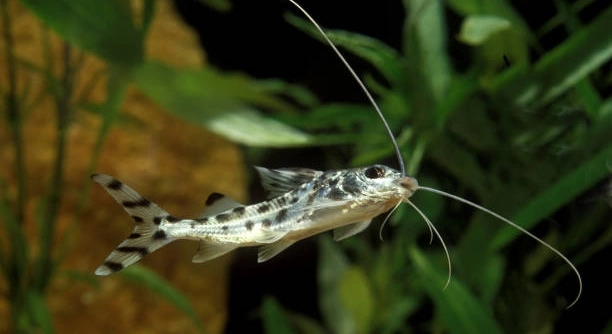
Many fish owners wonder about the best environment for their pictus catfish. These lively freshwater fish have specific needs that help them thrive. Knowing their preferences can improve their comfort and health in an aquarium.
Pictus catfish prefer moderate water movement rather than complete stillness. They are naturally found in rivers with gentle currents, which help oxygenate the water and simulate their natural habitat, promoting better health and activity levels.
Understanding their preference for flowing water can help you create a better tank environment and keep your pictus catfish happy and healthy.
Natural Habitat and Water Movement
Pictus catfish are native to the rivers and streams of South America, where water currents are usually gentle but consistent. These currents help bring fresh oxygen into the water, which is essential for their survival. In their natural habitat, the water flow varies depending on the season, but they rarely live in completely still waters. This means that they have adapted to swim comfortably in moderate currents. In an aquarium setting, replicating this environment is important. Providing a filter that creates mild water movement can mimic the gentle flow of their natural habitat. This also helps prevent waste buildup, keeping the water cleaner. Too strong a current can stress pictus catfish, making them hide more and become less active. Observing how they respond to different flow levels can guide adjustments. Finding the right balance ensures they remain healthy and display their natural, energetic behavior.
Pictus catfish need moderate water movement to feel secure and stay active. Still water can make them uncomfortable and less lively.
In tanks with little to no water flow, pictus catfish may become sluggish or hide frequently. Moderate flow supports their breathing and swimming habits. Adding a sponge filter or an adjustable powerhead can help create a steady but gentle current. This flow should be strong enough to circulate the water but not so powerful that the fish struggle to swim. Positioning the filter output near rocks or plants can help break the flow, making it less intense. Maintaining good water circulation also supports beneficial bacteria growth, improving water quality. Keeping the water oxygenated with movement prevents common health issues related to stagnant water. Overall, understanding the balance between movement and calm is key to a happy pictus catfish. Adjustments can be made by observing their behavior and making small changes to water flow as needed.
Tank Setup for Optimal Water Flow
Creating the right tank setup involves choosing equipment that promotes moderate water movement. Filters with adjustable flow rates are ideal. Positioning decorations to direct water gently can enhance circulation without stressing the fish. Plants and rocks can help break up the current while providing hiding spots. This balance supports both activity and relaxation. It also mimics the catfish’s natural environment, encouraging natural behaviors. Clean water and proper circulation help maintain healthy oxygen levels. Regular maintenance of filters ensures consistent flow and water quality. This simple attention to detail makes a big difference in the wellbeing of pictus catfish.
Good tank setup improves water quality and supports healthy fish behavior. Proper flow and decorations create a comfortable space for pictus catfish.
Tank size also matters for water movement. Larger tanks often need stronger filters to maintain flow, but this should still be moderated for the catfish’s comfort. Smaller tanks might require gentler flow to avoid overwhelming the fish. Regular water changes combined with suitable equipment keep conditions stable. Monitoring fish behavior helps identify if the current is too strong or too weak. If pictus catfish hide excessively or struggle to swim, adjusting the flow or rearranging tank elements may help. The goal is to create a natural, balanced environment where the fish feel secure and energetic. By managing water movement carefully, you support their health and showcase their lively personality.
How Water Movement Affects Pictus Catfish Behavior
Pictus catfish are naturally active swimmers that enjoy exploring their environment. Moderate water movement encourages this behavior, keeping them engaged and healthy.
When water moves gently, pictus catfish feel more secure and stimulated. The flow helps oxygenate the water, which supports their breathing and overall well-being. They often swim in and out of currents, using them to explore different parts of the tank. Too little movement can cause boredom or stress, while too much can tire them out or make them hide. Observing their swimming patterns can reveal how they respond to the flow. Adjusting water movement to match their activity levels promotes a balanced, happy fish.
Water flow also impacts how pictus catfish interact with tank mates. In a well-flowing environment, they are more likely to be visible and active, avoiding hiding spots. The right current helps distribute food evenly and prevents debris buildup. This creates a cleaner, healthier habitat. It also reduces the chances of aggressive behavior or stress caused by poor water conditions. Overall, proper water movement supports positive social and environmental interactions for pictus catfish.
Tips for Adjusting Water Flow in Your Aquarium
Adjusting water flow starts with choosing the right filter and placement. Positioning the filter output carefully can create a gentle, consistent current.
Using an adjustable filter or powerhead allows fine-tuning of the flow speed. Adding decorations like plants or rocks near the filter output breaks the flow, softening the current. If the water feels too strong, try redirecting the output or lowering the flow rate. Small changes can make a big difference in how pictus catfish respond. Regularly check their behavior to ensure they are comfortable and active. Remember, their ideal environment has steady movement without causing fatigue or hiding. Experimenting with flow adjustments will help create a balanced tank where your fish can thrive.
Signs Your Pictus Catfish Is Uncomfortable
When pictus catfish dislike water movement, they often hide or stay still. Watch for unusual sluggishness or stress signs.
If they cling to the tank bottom or hide behind decorations more than usual, the current might be too strong. Adjusting flow can improve their comfort and behavior.
Best Equipment for Creating Moderate Water Flow
Choosing the right equipment helps control water movement effectively. Sponge filters, adjustable powerheads, and canister filters offer good flow control options. These tools provide oxygenation without overwhelming the fish.
Filters with adjustable flow rates let you find the perfect balance. Positioning the output near tank plants or rocks can soften strong currents, creating a more natural environment for pictus catfish.
Common Mistakes to Avoid
Overpowering filters can stress pictus catfish, causing hiding or erratic swimming. Avoid placing filter outlets directly where fish rest.
FAQ
Do pictus catfish need a strong water current?
No, pictus catfish do not need a strong current. They thrive in moderate water movement that simulates their natural river habitat. Strong currents can stress them out, causing them to hide or struggle to swim. Gentle water flow keeps them active and healthy without overwhelming them.
Can pictus catfish live in still water?
While pictus catfish can survive in still water, it is not ideal. Still water often has less oxygen, which can affect their health over time. They prefer some water movement to keep oxygen levels up and mimic their natural environment. Lack of flow may lead to sluggish behavior or health issues.
How do I know if the water flow is too strong?
If your pictus catfish hide frequently, swim awkwardly, or seem exhausted, the water flow might be too strong. You may also notice them clinging tightly to surfaces or staying at the bottom to avoid the current. Adjust the filter or powerhead to create a gentler flow.
What type of filter is best for pictus catfish tanks?
Filters with adjustable flow rates are best. Sponge filters, hang-on-back filters, and canister filters often allow you to control the water movement. Choosing a filter that creates gentle but consistent flow helps mimic the natural habitat of pictus catfish and supports their wellbeing.
Is it okay to use a powerhead in a pictus catfish tank?
Yes, using a powerhead can be helpful if it is adjustable and set to low or moderate flow. Powerheads help circulate water and oxygenate the tank, but the flow should never be too strong. Positioning the powerhead output near plants or decorations helps soften the current.
How can decorations affect water movement?
Decorations like rocks, plants, and driftwood can break up water flow, reducing strong currents. They create sheltered areas where pictus catfish can rest without fighting the flow. Properly placed decorations help balance water movement and provide hiding spots, making the tank more comfortable.
Does water movement affect feeding behavior?
Yes, moderate water movement can help distribute food evenly throughout the tank, allowing pictus catfish to find food easily. However, strong currents may push food away from them or make feeding stressful. Keeping flow balanced ensures they can feed without difficulty.
How often should I check water flow in my tank?
Regularly observing your pictus catfish’s behavior is the best way to check water flow. If you notice changes like hiding, sluggishness, or stress signs, it’s time to adjust flow. Routine tank maintenance and filter cleaning also keep water circulation effective and safe.
Can changing water flow help with fish health?
Yes, improving water movement can reduce harmful waste buildup and increase oxygen levels, which benefits overall fish health. Good flow supports beneficial bacteria growth and prevents stagnant spots, lowering the risk of infections and illnesses in pictus catfish.
What if my pictus catfish hide all the time?
Hiding can be a sign of stress caused by strong currents, poor water quality, or other environmental factors. If hiding is excessive, try lowering the flow rate and improving tank conditions. Providing plenty of hiding spots also helps fish feel secure without being forced into constant hiding.
Final Thoughts
Understanding the water movement needs of pictus catfish is important for their health and happiness. These fish prefer moderate water flow that mimics the gentle currents of their natural river habitats. Too little movement can cause the water to become stale and low in oxygen, which may affect their activity and wellbeing. On the other hand, too strong a current can stress them, making them hide or struggle to swim. Finding the right balance of water movement helps pictus catfish stay active, healthy, and comfortable in their tank.
Creating the ideal water flow starts with the right equipment and tank setup. Filters with adjustable flow rates are useful because they let you control the speed of the current. Positioning the filter output near plants, rocks, or decorations can break up the flow and reduce strong currents. These natural barriers help create calm areas where pictus catfish can rest or hide when they want. It’s important to regularly observe your fish and adjust the water movement if you notice signs of stress, such as hiding, sluggish swimming, or erratic behavior. Small changes in flow can make a big difference in how your catfish feel.
Maintaining good water circulation also supports water quality. Moving water helps oxygenate the tank and prevents buildup of waste and harmful toxins. Healthy water conditions contribute to stronger immune systems and reduce the risk of illness. Taking time to learn and meet the water flow preferences of pictus catfish will improve their overall wellbeing. This attention to detail ensures they live in an environment that feels natural and safe. With proper water movement, pictus catfish can show their lively personalities and thrive in your care.

Hello,
If you enjoy the content that we create, please consider saying a "Thank You!" by leaving a tip.
Every little bit helps us continue crafting quality advice that supports the health, happiness, and well-being of pets around the world, for pets of all shapes, sizes, and species.
We really appreciate the kindness and support that you show us!