
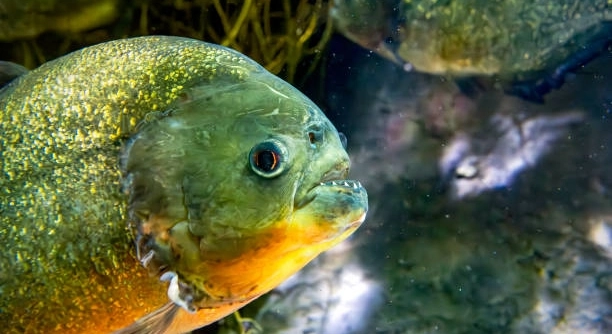
Piranhas require consistent rest cycles to stay healthy and active. Many common tank habits can unintentionally interrupt their natural sleep patterns. Understanding these disruptions can help maintain a stable environment for your piranhas.
Seven specific tank habits often disturb piranha rest cycles. These include improper lighting schedules, excessive noise, frequent tank disturbances, inadequate hiding spots, inconsistent water quality, overfeeding, and unsuitable tank mates. Each factor impacts their ability to rest properly and recover.
Maintaining good tank habits supports piranha well-being and promotes a peaceful, balanced aquatic environment for these unique fish. The following details explain how to improve their rest cycles effectively.
Improper Lighting Schedules
Piranhas need a regular day-night cycle to maintain their natural rhythms. Constant or overly bright lighting can confuse their internal clocks, leading to disrupted rest. In many tanks, lights remain on for too long or are too intense, which prevents piranhas from settling down properly. A consistent schedule with about 10 to 12 hours of light per day is ideal. Dimming the lights gradually or using a timer can help simulate natural conditions. Avoid placing tanks near windows where sunlight may cause irregular lighting. Adjusting the light schedule supports healthy behavior and reduces stress.
Light timing directly affects piranha rest patterns. Too much or too little light disrupts their ability to sleep.
Keeping lighting consistent with a proper day-night cycle helps piranhas regulate their rest. Using a timer and avoiding sudden changes allows them to maintain calm and normal activity patterns. It also reduces erratic behavior often caused by overstimulation.
Excessive Noise and Vibrations
Piranhas are sensitive to vibrations and noise around their tanks. Loud sounds from speakers, appliances, or heavy foot traffic create disturbances that interrupt their rest. These noises cause stress, making piranhas alert or agitated when they should be resting. Tank placement in quieter areas is important. Vibrations from tapping or knocking on the glass also affect their comfort and sleep quality. Even low-level, constant noise can reduce rest efficiency. Keeping the tank environment calm ensures that piranhas can enter deep rest cycles and maintain better overall health.
A quiet environment reduces stress and helps piranhas rest better.
Minimizing noise near the tank is crucial for piranha well-being. Excessive sound causes continuous alertness and disrupts their ability to rest. Using soundproofing materials or moving the tank away from noisy rooms can help. Avoid tapping the glass or sudden loud noises during their rest period. Creating a stable, calm environment supports healthy sleep cycles. This stability reduces stress hormones and promotes natural behaviors, allowing piranhas to recover properly during rest. Regular observation will reveal if noise is impacting them, as restless or erratic swimming often signals disturbance. Ensuring peace around the tank is a simple, effective step to protect their rest quality.
Frequent Tank Disturbances
Constant movement around the tank unsettles piranhas. Regular tapping, cleaning, or rearranging interrupts their rest. They need a stable environment to relax and feel secure.
Disturbing the tank often causes stress. Piranhas react to vibrations and sudden changes by becoming alert or hiding, which reduces rest time. Frequent cleaning or rearranging during their resting hours prevents them from reaching deep sleep. It is best to perform tank maintenance during their active periods and keep interactions minimal at night. This approach preserves their natural resting behavior and helps maintain their health.
Limiting tank disturbances also improves water clarity and quality indirectly by encouraging calmer fish. Stress from constant interruptions can weaken their immune system. Creating a quiet, stable space supports normal rest cycles and reduces aggressive behavior. Consistency is key to helping piranhas settle and rest well over time.
Inadequate Hiding Spots
Piranhas rely on hiding places to feel secure and rest properly. Without sufficient cover, they stay on alert and cannot relax fully.
Lack of hiding spots in the tank leads to prolonged stress, which interrupts rest cycles. Plants, rocks, or caves provide shelter and create shaded areas where piranhas can retreat. These spaces mimic their natural environment and reduce anxiety. When they feel protected, piranhas are more likely to rest deeply and regularly. Adding multiple hiding options encourages natural behaviors and helps distribute fish to avoid crowding.
Proper shelter also lowers aggressive encounters, which can increase if piranhas feel exposed or threatened. Secure hiding spots are essential for balanced social dynamics and improved overall well-being. Maintaining these conditions supports healthier rest and reduces disruptive behavior.
Inconsistent Water Quality
Poor water quality directly affects piranha rest. Fluctuations in temperature, pH, or ammonia levels cause stress and disrupt their sleep.
Maintaining stable water parameters is crucial. Sudden changes force piranhas to stay alert and use energy to cope, preventing proper rest.
Overfeeding
Overfeeding leads to poor water conditions and digestive issues, both of which affect rest. Excess food decomposes and raises toxin levels.
Feeding piranhas the right amount once or twice daily helps maintain water quality and keeps them healthy.
Unsuitable Tank Mates
Piranhas need compatible tank mates to rest well. Aggressive or overly active species cause constant disturbance and stress.
Choosing peaceful or similar species reduces conflict and allows piranhas to relax and rest properly.
FAQ
How do lighting schedules affect piranha rest cycles?
Lighting schedules regulate piranhas’ internal clocks. When the light stays on too long or is too bright, piranhas struggle to differentiate between day and night. This confusion interrupts their rest, leading to stress and erratic behavior. A consistent light cycle, ideally 10 to 12 hours of light followed by darkness, helps them maintain natural rhythms. Using a timer to control lighting ensures regularity. Gradually dimming lights can also mimic natural sunsets, which supports restful periods. Avoid placing tanks near windows to prevent irregular sunlight exposure.
What are the signs that noise is disturbing piranhas?
When exposed to loud or constant noise, piranhas often become restless or swim erratically. They may also hide more than usual or display increased aggression. Vibrations from tapping on the tank glass can cause similar stress. Persistent noise keeps piranhas alert, preventing them from settling into deep rest. Placing the tank in a quiet area and minimizing loud activities nearby improves their comfort. If noise cannot be avoided, soundproofing around the tank or moving it away from noisy appliances can help.
Why are hiding spots essential for piranha rest?
Hiding spots give piranhas a sense of security. Without them, piranhas remain alert, unable to relax fully. Natural hiding places such as caves, dense plants, or rocks create shaded, secluded areas where piranhas can rest without feeling threatened. These shelters reduce stress and promote natural behavior. Multiple hiding spots prevent crowding and reduce aggression among tank mates. The more comfortable piranhas feel, the better their rest quality will be. Neglecting hiding spots often leads to restless, stressed fish.
Can frequent tank disturbances really affect piranha sleep?
Yes, frequent disturbances disrupt piranha rest cycles. Regular tapping, cleaning, or rearranging causes vibrations and sudden changes, which make piranhas alert or stressed. Performing maintenance during their active periods and keeping the tank environment stable at night minimizes these interruptions. Consistency in tank conditions helps piranhas establish a normal rest routine, improving overall health and behavior.
How does overfeeding disrupt rest cycles?
Overfeeding increases waste buildup, which degrades water quality and stresses piranhas. Excess food decomposes, raising ammonia and other toxins that can irritate fish and affect their breathing. Digestive issues from overeating also cause discomfort, reducing rest quality. Feeding piranhas appropriate amounts once or twice daily maintains better water conditions and keeps them healthier, supporting uninterrupted rest cycles.
What tank mates are best for piranhas to ensure good rest?
Choosing compatible, peaceful tank mates is important for piranha rest. Aggressive or highly active species cause continuous disturbance, preventing piranhas from relaxing. Species that share similar activity patterns and temperaments reduce conflict and stress. Keeping the tank community balanced helps piranhas feel secure and rest well. Always research compatibility before introducing new fish.
How often should water parameters be checked to support piranha rest?
Regular water testing is vital for maintaining stable conditions. Checking pH, ammonia, nitrite, and nitrate levels at least once a week helps detect harmful changes early. Temperature should be monitored daily or with a reliable heater thermostat. Stable water parameters reduce stress and support normal rest cycles. Sudden fluctuations make piranhas restless and affect their health.
Can stress from disrupted rest cycles affect piranha health long-term?
Chronic stress from poor rest cycles weakens the immune system, making piranhas more prone to disease. It can cause loss of appetite, aggression, and lethargy. Long-term sleep disruption affects growth and lifespan. Ensuring proper tank conditions and minimizing disturbances are crucial to maintaining piranha health and longevity.
Final Thoughts
Maintaining proper rest cycles for piranhas is essential for their health and well-being. Their natural behavior depends on a calm and stable environment where they can feel safe and undisturbed. Disruptions such as frequent tank disturbances, poor water quality, and inadequate hiding spots create stress, which affects their ability to rest properly. When piranhas do not get enough rest, their immune system weakens, making them more vulnerable to illness. Ensuring the right conditions in the tank helps them maintain a balanced lifestyle and reduces aggressive behavior.
Creating a suitable habitat means paying attention to multiple factors. Proper lighting schedules that mimic natural day and night cycles help regulate their internal clocks. Avoiding sudden noises and vibrations keeps them calm, while stable water parameters prevent unnecessary stress. Overfeeding and unsuitable tank mates also play a significant role in disrupting rest cycles. Feeding the right amount and choosing compatible species contributes to a peaceful environment where piranhas can rest deeply. These measures collectively support their health and promote natural behaviors.
Overall, managing these tank habits requires consistent care and attention. The small actions taken daily, such as careful feeding, timely cleaning, and providing enough hiding places, add up to a more comfortable life for piranhas. Keeping their environment as close to natural conditions as possible benefits their rest and overall well-being. Rest is not just about inactivity; it is a vital part of their health. A well-rested piranha is more active during the day, less stressed, and more likely to thrive in captivity.

Hello,
If you enjoy the content that we create, please consider saying a "Thank You!" by leaving a tip.
Every little bit helps us continue crafting quality advice that supports the health, happiness, and well-being of pets around the world, for pets of all shapes, sizes, and species.
We really appreciate the kindness and support that you show us!