
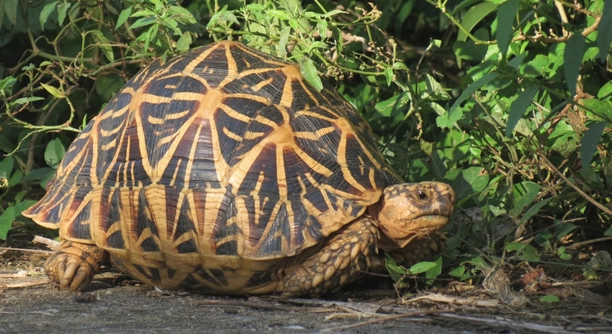
A warped shell in an Indian Star Tortoise can be concerning for pet owners. Understanding the causes and remedies can ensure your tortoise stays healthy and comfortable.
A warped shell may occur due to various factors such as poor diet, incorrect humidity levels, or inadequate UVB exposure. To fix this, addressing the root cause and using proper care techniques is essential for the tortoise’s overall well-being.
By following the right steps, you can help restore your tortoise’s shell. Keep reading to find out more about the solutions that work best for fixing a warped shell.
Causes of a Warped Shell in Indian Star Tortoises
A warped shell in an Indian Star Tortoise can happen for several reasons. One of the main factors is improper diet, which can lead to malnutrition. If a tortoise doesn’t get the right balance of calcium, vitamin D3, and other nutrients, the shell may start to soften or warp. Another major cause is insufficient UVB exposure. UVB light is crucial for calcium metabolism and shell health. Without it, the tortoise can develop metabolic bone disease, which can distort the shape of the shell. Lastly, humidity levels play a big role. If the environment is too dry, it can cause the shell to lose its elasticity, making it more prone to deforming.
Inadequate diet, lack of UVB, and incorrect humidity can all contribute to shell deformation. Understanding these causes is essential to addressing the problem.
To provide the proper care, ensure your tortoise has access to a balanced diet of leafy greens, calcium supplements, and UVB light. Consider using a UVB bulb designed for reptiles, and keep the humidity level in the enclosure stable. A proper environment is key to preventing further shell damage. Additionally, regular health checks can help spot early signs of shell issues, allowing you to take corrective action promptly.
Solutions for a Warped Indian Star Tortoise Shell
Once the cause is identified, there are several ways to fix the shell. Start by adjusting your tortoise’s diet and improving its habitat.
One solution is to provide a proper calcium supplement, along with a variety of nutritious foods that will support shell health. Ensure the environment is equipped with a UVB light to promote proper calcium absorption. Proper humidity levels are also crucial to preventing further shell damage.
Providing Proper UVB Light
UVB light is essential for your tortoise to absorb calcium and maintain a healthy shell. Without it, the shell may become weak and start warping.
Make sure your tortoise’s enclosure has a UVB light source that mimics natural sunlight. Use a high-quality bulb designed specifically for reptiles, as regular bulbs don’t emit the proper UVB radiation. Position the light so that it’s not too far away from your tortoise, ensuring they receive adequate exposure. The light should be on for around 10 to 12 hours daily, and be sure to replace the bulb every six months, as UVB output diminishes over time.
If you’re using a fluorescent bulb, be sure it covers a large portion of the enclosure so your tortoise can bask in different areas. In addition, avoid using heat lamps without UVB, as they do not provide the necessary light for shell health. If you can, create a basking area where your tortoise can get both heat and UVB light, allowing it to get the benefits of both in a single spot.
Correcting Humidity Levels
A proper humidity level in the enclosure is vital for shell health and overall well-being.
If the humidity is too low, it can cause your tortoise’s shell to lose moisture, which could lead to cracks or deformities. To improve this, use a hygrometer to measure the humidity level and adjust it accordingly. Aim for a humidity range of 50-70% for Indian Star Tortoises. You can increase the humidity by adding a shallow water dish or using a misting system to lightly spray the enclosure. Make sure to monitor the humidity levels consistently to avoid drastic changes.
In addition, it’s important to provide a humid hide or area within the enclosure, where your tortoise can retreat if it needs more moisture. Be cautious about going too high with humidity, as that could lead to other health problems. Finding the right balance will keep your tortoise’s shell healthy and prevent further warping.
Diet Adjustments for Shell Health
A balanced diet is crucial for preventing and fixing a warped shell. Without proper nutrition, your tortoise’s shell may lack the strength and structure it needs.
Feed your tortoise a variety of dark leafy greens like kale, collard greens, and dandelion greens. Include high-fiber plants and fruits in moderation, avoiding foods high in oxalates or phosphorus. Adding a calcium supplement can be beneficial, especially if your tortoise is not getting enough from food alone. Always ensure that the tortoise has access to fresh water.
Shell Repair Using Vitamin D3
Vitamin D3 helps your tortoise absorb calcium and repair any shell damage caused by malnutrition. If you suspect a deficiency, adding a D3 supplement to their diet can be a helpful solution.
Using a UVB light will also help the body naturally produce Vitamin D3.
FAQ
How do I know if my tortoise’s shell is warped?
A warped shell will show visible signs like uneven growth, bulges, or a misshapen appearance. The shell may also appear soft or have areas that seem too thin. You might notice your tortoise having trouble moving, or its shell may feel warmer than usual due to stress. If you’re unsure, a visit to a reptile vet can help confirm the condition.
Can a warped shell be fixed?
Yes, a warped shell can be improved if the underlying cause is addressed early. By adjusting your tortoise’s diet, UVB exposure, and humidity levels, the shell can regain some of its former shape over time. However, severe deformities might not fully recover, but maintaining proper care will prevent further damage.
What causes a tortoise’s shell to warp?
A warped shell is typically caused by malnutrition, lack of UVB light, improper humidity levels, or a combination of these factors. A poor diet with insufficient calcium or Vitamin D3 can cause the shell to soften and become deformed. Without UVB light, your tortoise may not be able to properly absorb calcium, further affecting its shell. Improper humidity, especially if too low, can dry out the shell and lead to cracks or warping.
How much UVB light does my tortoise need?
Tortoises need about 10 to 12 hours of UVB light every day. Make sure to use a high-quality UVB bulb designed for reptiles, and replace it every six months. The UVB light should be placed at the correct distance from your tortoise, ensuring they can absorb enough light for calcium metabolism. Having a timer to regulate the light cycle can help maintain consistency.
Can I use a regular light bulb for UVB exposure?
No, regular light bulbs do not emit UVB rays. You will need to purchase a specialized UVB bulb for reptiles. These bulbs provide the necessary UVB radiation that tortoises need for calcium absorption and healthy shell growth. Be sure to choose a bulb that fits the size of your enclosure and provides the correct UVB output for your tortoise’s species.
How do I keep the humidity at the right level?
To maintain the right humidity, use a hygrometer to measure moisture levels in the enclosure. A humidity range of 50-70% is ideal for Indian Star Tortoises. You can increase humidity by adding a shallow water dish, misting the enclosure lightly with water, or using a humidifier. Be careful not to go overboard, as excessive moisture can lead to respiratory issues or mold growth.
Is it normal for a tortoise’s shell to grow unevenly?
While some uneven growth can occur naturally, significant warping or uneven growth is a sign of an underlying issue, such as poor diet or environmental conditions. If you notice the shell growing at different rates or in irregular patterns, it’s important to adjust the care regimen immediately. Consult a reptile vet if you’re concerned.
Should I take my tortoise to the vet for a warped shell?
If you notice signs of shell deformation, it’s a good idea to see a vet, especially if the problem doesn’t improve with dietary or environmental adjustments. A vet can assess whether the shell’s condition is reversible and provide guidance on treatment. In severe cases, a vet may recommend specific interventions to help the shell recover.
How long does it take to fix a warped shell?
The time it takes to fix a warped shell depends on the severity of the damage and how quickly the right changes are made. With proper diet, UVB exposure, and humidity control, you might start to see improvement within a few weeks to months. However, full recovery can take longer, especially for tortoises with more severe deformities.
Can a warped shell affect my tortoise’s health?
Yes, a warped shell can impact a tortoise’s overall health. It can cause discomfort, difficulty in movement, and increase the risk of injury. A deformed shell can also affect the tortoise’s ability to regulate its body temperature and hydration. In extreme cases, it may lead to infections or other complications. Addressing the cause of the warping is crucial to improving both the shell and overall health.
What should I do if my tortoise’s shell is soft?
If your tortoise’s shell feels soft or pliable, it could indicate a lack of calcium, a Vitamin D3 deficiency, or improper UVB exposure. Start by improving the diet, ensuring that calcium is included in the tortoise’s food or through supplements. Adjust the UVB lighting and humidity levels accordingly. If the softness continues, consult a vet to rule out any serious conditions like metabolic bone disease.
Taking care of an Indian Star Tortoise with a warped shell can feel overwhelming, but it’s important to remember that the right steps can help improve its condition. Addressing the root causes like diet, UVB exposure, and humidity is crucial in supporting the tortoise’s health. Making adjustments to their environment, like providing adequate light and proper humidity, can prevent further issues from developing. Offering a well-balanced diet with the necessary nutrients, especially calcium, will also play a big role in supporting shell recovery.
It’s important to note that while changes to diet and care can help fix a warped shell to some extent, severe deformities may not fully heal. The key is to take action as soon as you notice any signs of shell issues. Regular health checks, maintaining a consistent care routine, and observing your tortoise closely for any changes will help catch problems early. Even if the shell doesn’t return to its original shape, these efforts will still help improve your tortoise’s overall quality of life, making sure they’re comfortable and healthy.
Remember, patience is necessary when dealing with a tortoise’s shell condition. It can take time for the tortoise’s shell to show signs of improvement. Along with the physical adjustments you make, keep in mind that the environment you provide plays a big role in your tortoise’s well-being. The more you invest in understanding their needs and responding to any signs of trouble early on, the better their chances of living a healthy, happy life.

Hello,
If you enjoy the content that we create, please consider saying a "Thank You!" by leaving a tip.
Every little bit helps us continue crafting quality advice that supports the health, happiness, and well-being of pets around the world, for pets of all shapes, sizes, and species.
We really appreciate the kindness and support that you show us!