
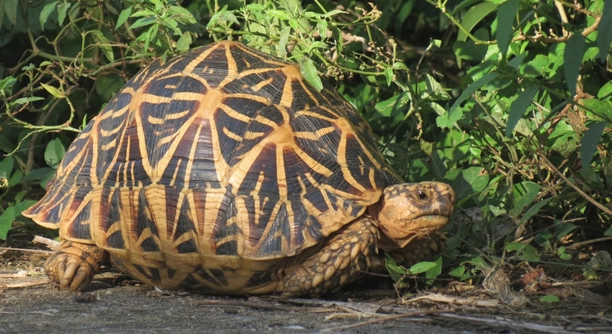
If you have an Indian Star Tortoise, you may notice that it sometimes avoids interaction. This behavior can be puzzling, especially when you’re hoping for a closer connection with your pet. Understanding this behavior is important.
There are several reasons why your Indian Star Tortoise might avoid interaction, including stress, health issues, or a need for space. It’s also possible that they simply prefer their own company or feel more comfortable in solitude at certain times.
By learning the causes of this behavior, you can create a more comfortable environment for your tortoise. Knowing how to handle the situation will help improve your bond with your pet in the long run.
Common Reasons for Avoidance
There are a few common reasons why your Indian Star Tortoise might be avoiding you. Stress is one of the leading causes. If your tortoise feels threatened or out of place, it may retreat into its shell to protect itself. This could be due to sudden changes in its environment, like a new enclosure or loud noises. Another factor could be health issues. A sick tortoise will often try to avoid interaction as a way to conserve energy or reduce discomfort. In some cases, they might just need a little more time to adjust to their surroundings or to become more familiar with you.
Stress might be caused by things such as changes in temperature, lighting, or even its diet. A sudden shift in habitat or routine can trigger this response. Sometimes, they may simply be feeling unwell and are keeping to themselves for recovery.
To minimize stress, try to keep their environment consistent and quiet. Make sure your tortoise has plenty of space and a proper setup. If you suspect illness, consult a vet right away. A comfortable, stress-free environment will encourage your tortoise to engage with you more over time.
Social Behavior of Indian Star Tortoises
While it may seem like your tortoise is avoiding you, it’s important to know that they are naturally solitary creatures. They are not typically as social as some other pets, like dogs or cats. In fact, Indian Star Tortoises are often independent and enjoy being left alone, especially in their own space. This doesn’t mean they don’t trust you, but they don’t necessarily seek out interaction like some pets might.
Indian Star Tortoises do not require constant companionship, and their behavior may simply reflect their natural instincts. When they are not actively seeking food or water, they often prefer to stay in one spot and focus on their own needs.
Understanding this natural preference can help set realistic expectations for how much interaction your tortoise will want. It also encourages you to respect their space, which will help create a stronger and more relaxed bond. Just be patient and let them initiate contact when they feel comfortable.
Health Issues to Consider
If your tortoise is avoiding interaction, it could be a sign of health problems. They may hide more than usual when they are unwell or in pain. Common health issues, such as respiratory infections, parasites, or shell damage, can make them feel vulnerable and seek solitude. It’s important to observe for signs like lethargy, lack of appetite, or unusual behavior, as these can signal a problem.
A visit to a reptile veterinarian is recommended if you notice any concerning symptoms. They will perform a thorough check-up to rule out any illnesses or conditions. If it turns out that your tortoise is healthy, then its behavior might be linked to stress or other environmental factors.
Remember that tortoises can be good at hiding their discomfort, which is why paying close attention to their behavior and physical condition is crucial. If you’ve ruled out other factors, giving them time to rest and recover can help. Keep their environment calm and secure during this period to encourage healing.
Environmental Factors Affecting Behavior
Your Indian Star Tortoise’s environment plays a significant role in its behavior. If their habitat isn’t right, they may feel unsettled and avoid interaction. Factors like temperature, humidity, and lighting can all influence their comfort level. A tank that’s too hot or too cold can stress your tortoise and make it withdraw. Similarly, improper lighting or low humidity may also create an uncomfortable environment.
Setting up the enclosure to closely mimic their natural habitat will go a long way in making them feel secure. Ensure the basking area is warm, and provide a cool spot for them to retreat. UVB lighting is also necessary for their health, as it helps them synthesize vitamin D3.
You should regularly monitor and adjust the environment to meet your tortoise’s needs. A stable, well-maintained habitat will encourage positive behaviors and help your tortoise feel safe, eventually making it more comfortable with interaction.
Mating Season Behavior
During mating season, your Indian Star Tortoise might display behaviors that make it seem like they’re avoiding interaction. They can become more territorial or reclusive, especially if they’re not interested in breeding. This is a natural response to hormonal changes that make them more focused on their instincts.
If your tortoise is avoiding you during this time, it’s likely because it’s distracted by the changes happening in its body. This behavior is temporary and usually subsides once mating season ends. Giving your tortoise some space and letting it focus on its needs will help ease the situation.
Time of Day
Tortoises are most active in the morning or late afternoon. If your pet is avoiding interaction during other parts of the day, it could simply be due to its natural sleep cycle. Tortoises tend to rest in the middle of the day when it’s too hot.
Understanding your tortoise’s natural rhythm can help you time interactions better. Offering food during active hours or creating a quiet time in the enclosure can encourage your pet to engage when it’s feeling more alert.
FAQ
Why is my Indian Star Tortoise hiding all the time?
Hiding is common behavior for tortoises, especially if they are feeling stressed or unwell. They might retreat into their shells or burrow in their enclosure to escape from loud noises or a new environment. Changes like temperature fluctuations, unfamiliar surroundings, or a recent move to a new home can cause them to seek solitude. If hiding persists, it could indicate a health issue, so it’s important to monitor their behavior closely. Ensure their habitat is stable, with the right temperature and lighting, to help them feel more secure.
Can I handle my Indian Star Tortoise every day?
Indian Star Tortoises are not naturally social animals and often prefer solitude. While it’s fine to handle them occasionally, it’s best not to do it every day. Overhandling can cause stress, especially if the tortoise doesn’t feel comfortable with it. Instead, focus on observing and letting your tortoise come to you on its own terms. If your tortoise does enjoy interaction, it may approach you when it feels safe. Keep handling sessions short and gentle, and always allow your tortoise the option to retreat when it feels the need.
What should I do if my tortoise seems lethargic?
Lethargy can be a sign of several issues, including health problems or improper environmental conditions. If your tortoise is sluggish, first check its habitat. Ensure the temperature and humidity are correct, as tortoises are highly sensitive to these factors. If the environment is fine, lethargy could indicate a health problem such as a respiratory infection or parasites. In this case, it’s important to visit a reptile vet for a proper diagnosis. Prompt attention can help prevent further complications.
How can I tell if my Indian Star Tortoise is stressed?
Signs of stress in tortoises can vary, but common behaviors include hiding, reduced activity, and a lack of interest in food. Stress can be caused by changes in their environment, like a new enclosure or unfamiliar noises. Other factors, such as improper lighting, temperature extremes, or being handled too much, can also contribute. If your tortoise is showing these signs, try to identify any recent changes that could be stressing it out and correct them. Providing a quiet, stable environment can help reduce stress and encourage more natural behavior.
Can I keep more than one Indian Star Tortoise together?
While Indian Star Tortoises can coexist with others, it’s important to monitor their interactions closely. These tortoises are not particularly social and may become territorial, especially if housed with others of the same species. When introducing multiple tortoises, ensure they have plenty of space to avoid fighting or stressing each other. It’s also essential to provide separate areas for each tortoise, including food and water, so they don’t feel threatened or compete for resources.
What should I feed my Indian Star Tortoise?
Indian Star Tortoises are herbivores and thrive on a diet of leafy greens, grasses, and flowers. A varied diet is important to ensure they get all the necessary nutrients. You can offer them dandelion greens, clover, collard greens, and other safe, edible plants. Occasionally, adding fruits like melon or berries can be a treat. Avoid feeding them high-protein foods like meat or dairy, as this can cause health problems. Additionally, providing calcium supplements is important for their shell development.
How can I make my Indian Star Tortoise feel more comfortable in its enclosure?
Creating a comfortable environment for your tortoise is essential for its well-being. Start by ensuring the enclosure has the proper temperature gradient, with a warm basking area and a cooler area for them to retreat to. A UVB light is also crucial for their health, helping them produce vitamin D3. Provide plenty of hiding spots, like logs or caves, to give them the option to retreat when needed. A clean and safe environment will help your tortoise feel secure and less likely to avoid interaction.
Why does my Indian Star Tortoise eat so little?
If your tortoise is eating less than usual, it could be due to several factors. Changes in its environment, such as temperature or lighting, can affect its appetite. Seasonal changes also play a role; tortoises often eat less during cooler months. If your tortoise is still active but eating less, it’s likely adjusting to its surroundings. However, if it shows signs of illness, such as lethargy or changes in its behavior, it’s important to consult a vet. Offering fresh, varied foods and making sure the habitat is ideal can encourage a healthy appetite.
What is the best way to handle my tortoise?
Handling your tortoise gently and with care is important to avoid causing stress. Always support their body and avoid picking them up by the legs or tail. Let your tortoise approach you on its own terms, and keep handling sessions short. Be mindful of their comfort and avoid excessive handling, as it can lead to stress or fear. If you need to transport them, use a safe, enclosed container that offers stability. Handling them too often can lead to them avoiding interaction, so ensure that their space is respected.
Final Thoughts
Understanding why your Indian Star Tortoise might be avoiding interaction is an important part of caring for it. These reptiles have their own ways of responding to their environment, and it’s essential to recognize the signs that they need space. While it can be frustrating to feel like you’re not connecting with your pet, it’s important to remember that tortoises are naturally more solitary animals. They may not seek out interaction in the same way other pets, like dogs or cats, do. This behavior doesn’t mean they don’t trust you; they just prefer to keep to themselves at times.
There are many factors that can influence your tortoise’s behavior. Stress, health issues, and environmental conditions are some of the most common reasons why your tortoise might avoid interaction. If you’ve recently made changes to its habitat, such as a new enclosure or temperature adjustments, your tortoise might need time to adapt. Similarly, any signs of illness or discomfort should be addressed immediately. If your tortoise continues to avoid interaction despite a stable environment, it’s always a good idea to consult with a veterinarian to rule out any health issues that could be affecting its behavior.
Patience is key when it comes to interacting with your Indian Star Tortoise. These animals move at their own pace, and it’s important to respect their boundaries. By providing a calm and consistent environment, you can help your tortoise feel more comfortable and confident. Over time, as your tortoise becomes more familiar with its surroundings and trusts you, it may become more willing to interact. Understanding their needs and behaviors is essential for fostering a positive relationship with your pet. The more you learn about your tortoise’s habits, the better equipped you’ll be to support its well-being.

Hello,
If you enjoy the content that we create, please consider saying a "Thank You!" by leaving a tip.
Every little bit helps us continue crafting quality advice that supports the health, happiness, and well-being of pets around the world, for pets of all shapes, sizes, and species.
We really appreciate the kindness and support that you show us!