
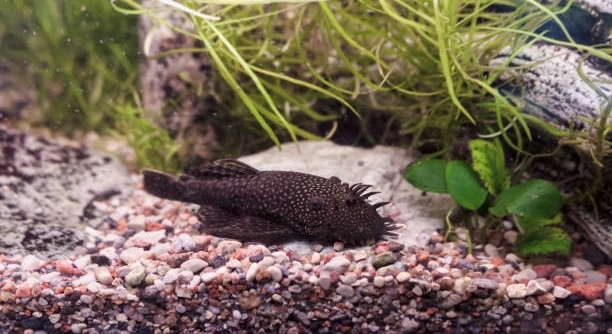
Do you ever find yourself staring at your bristlenose pleco and wondering if you are feeding it correctly? Many fish owners encounter conflicting advice about what, when, and how much to feed these popular aquarium pets. Understanding proper feeding habits ensures their health and longevity.
Many misconceptions exist regarding bristlenose pleco diets, ranging from overfeeding to the types of food they require. Correct knowledge of their nutritional needs and natural behavior is essential for maintaining their well-being in captivity.
Clarifying these common feeding myths will help you provide a healthier and more balanced diet for your plecos. Proper guidance leads to happier, thriving fish in your aquarium.
Myth 1: Bristlenose Plecos Only Eat Algae
Many people assume bristlenose plecos survive solely on algae growing in the tank. While algae is a natural part of their diet, it is not enough for long-term health. Plecos require a balanced diet including vegetables, sinking pellets, and occasional protein supplements. Relying only on algae can lead to malnutrition, stunted growth, and weakened immunity. Observing your pleco’s behavior can help identify dietary deficiencies. Fresh vegetables like zucchini, cucumber, and spinach are easy to offer and provide essential vitamins. Commercial sinking pellets ensure consistent nutrient intake. It is also important to rotate food types to avoid monotony and ensure all nutritional needs are met. In addition, plecos may eat leftover fish food or biofilm, but this should supplement, not replace, a proper diet. Proper feeding routines maintain their health, improve coloration, and support natural behavior such as grazing and hiding. Understanding these basics helps prevent common mistakes in aquarium care.
Offering a variety of food supports healthy growth and prevents nutritional deficiencies in your pleco. Balanced feeding is essential.
Including fresh vegetables and pellets encourages natural feeding habits while ensuring your pleco receives all necessary nutrients. Overfeeding or underfeeding can both cause long-term issues. Careful observation and consistent routines improve their overall well-being and longevity.
Myth 2: Plecos Don’t Need Vegetables
Some keepers believe that bristlenose plecos can thrive on algae wafers alone. While these wafers provide convenience, they lack sufficient fiber and essential vitamins. Vegetables such as zucchini, peas, or lettuce supply important nutrients. Offering vegetables helps maintain a healthy digestive system and encourages natural grazing behavior. Plecos enjoy chewing on fibrous foods, which keeps their teeth from overgrowing. Ignoring this need can cause health problems over time. Introducing a variety of plant-based foods also supports color vibrancy and activity levels. In addition, occasional blanched vegetables are easy to prepare and digest. Pairing vegetables with sinking pellets ensures a complete diet. Observing which foods your pleco prefers helps refine your feeding routine. Properly prepared vegetables should be added regularly, not sporadically, to maintain consistent nutrient intake. A diet that combines algae, pellets, and vegetables closely mimics what they would find in the wild.
Providing vegetables daily strengthens your pleco’s health and supports proper digestion, making them more active and visually vibrant in your tank.
Including a mix of fresh vegetables, protein options, and algae wafers ensures your pleco receives a full range of nutrients. Preparing vegetables carefully by blanching or softening prevents choking and encourages consumption. Over time, varied feeding supports natural behaviors, reduces stress, and prevents common digestive problems. A consistent routine helps maintain stable water conditions, as uneaten food is minimized. Observing your pleco while eating allows adjustments to portion sizes and food types, helping them thrive. Prioritizing vegetables along with pellets ensures longevity and overall well-being.
Myth 3: Plecos Can Go Long Periods Without Food
Bristlenose plecos cannot survive extended periods without food. Skipping meals weakens their immune system, slows growth, and can lead to serious health issues. Regular feeding is necessary, even if algae is present in the tank.
Even though plecos are often thought of as low-maintenance, they require consistent feeding schedules. A few days without food may not show immediate effects, but over time, malnutrition sets in. Supplementing their diet with vegetables, sinking pellets, and occasional protein sources ensures steady energy and proper development. Plecos have small stomachs and need regular meals to maintain health. Observing their feeding behavior helps identify any signs of hunger or dietary imbalance. Ensuring they receive appropriate food daily promotes stronger immunity, better coloration, and overall vitality.
In addition to regular feeding, portion control is important. Overfeeding can cause water quality issues, while underfeeding risks malnutrition. Providing small, frequent meals allows the pleco to eat comfortably. Combining fresh vegetables, algae wafers, and pellets ensures a well-rounded diet. Monitoring their activity levels and physical appearance can indicate whether their diet is sufficient. Maintaining this balance prevents digestive problems and supports natural behavior, such as grazing on surfaces and hiding in caves. Proper feeding routines sustain health and longevity over time.
Myth 4: Plecos Only Eat at Night
Bristlenose plecos are not strictly nocturnal feeders. They may eat during the day, especially if the tank is quiet and they feel safe. Meal timing should match their natural behavior but remain flexible.
Feeding plecos only at night can limit their nutrient intake. Observations show that many plecos will graze during daylight hours if undisturbed. Offering food when the tank is calm encourages natural grazing and interaction. A mix of morning and evening feedings can prevent overeating and ensure they consume sufficient nutrition. They adjust to the tank environment and may develop a feeding routine based on the timing of other fish and household activity.
Providing food during both day and night ensures plecos receive adequate nutrition without stress. Allowing daytime feeding encourages natural foraging behavior. Fresh vegetables, algae wafers, and pellets should be available in measured portions. Monitoring which times your pleco prefers to eat can refine your feeding routine, improving overall health. Avoid crowding the tank during feeding, as plecos are shy and may hide if disturbed. A flexible feeding schedule supports digestive health and reduces competition with other fish. Properly timed meals maintain consistent energy levels and vitality.
Myth 5: Plecos Don’t Need Protein
Bristlenose plecos require some protein in their diet. Occasional protein sources like bloodworms or shrimp supplements support growth and overall health.
Excluding protein entirely can lead to slower growth and weakened immunity. Small amounts provided a few times a week are sufficient. Overfeeding protein, however, can harm water quality.
Myth 6: Algae Wafers Are Enough
Algae wafers are convenient but incomplete. They provide energy but lack fiber and essential vitamins that vegetables supply. A balanced diet requires supplementing with fresh vegetables and occasional protein to maintain proper nutrition and digestive health.
Myth 7: Plecos Will Eat Anything
Not all plecos will consume every type of food offered. Preferences vary, and some may refuse certain vegetables or wafers. Observing feeding behavior helps adjust the diet to meet individual needs. Regular variety ensures proper nutrition and keeps them healthy.
Feeding Frequency Matters
Feeding bristlenose plecos once daily is usually enough. Small, consistent portions prevent overfeeding, reduce waste, and maintain stable water conditions, supporting both the fish’s health and the tank environment.
How often should I feed my bristlenose pleco?
Bristlenose plecos generally do well with one feeding per day. Offering small portions prevents overfeeding and keeps the tank water clean. Observing your pleco’s behavior will help adjust the amount, as some may eat more or less depending on their size and activity level. Fresh vegetables, algae wafers, and occasional protein supplements should be included. Splitting the daily portion into two smaller feedings can work for busy tanks or larger aquariums, ensuring all fish have access to food without leaving excess uneaten. Consistency is key for maintaining a healthy routine and digestive balance.
Can plecos survive on just algae?
Algae alone does not meet all of a pleco’s nutritional needs. While bristlenose plecos naturally graze on algae, it lacks sufficient vitamins, minerals, and fiber. A diet supplemented with fresh vegetables such as zucchini, cucumber, and leafy greens is necessary. Commercial sinking pellets provide additional nutrients that algae cannot offer. Occasional protein sources like bloodworms or shrimp can support growth and overall health. Ignoring these supplements can lead to stunted growth, weakened immunity, and digestive issues. Balanced nutrition ensures proper coloration, activity, and longevity for your pleco.
What vegetables are best for bristlenose plecos?
Soft, fibrous vegetables work best. Zucchini, cucumber, spinach, and peas are easy to prepare and digest. Blanching or lightly steaming vegetables softens them and makes them easier for the pleco to consume. Avoid vegetables with strong chemicals or pesticides; always wash produce thoroughly. Rotating vegetable types provides a broader range of vitamins and prevents boredom. Vegetables can be offered daily, and they help maintain dental health by wearing down constantly growing teeth. Offering small, manageable portions prevents leftover food from polluting the tank and ensures the pleco consumes it efficiently.
Do plecos need protein in their diet?
Yes, protein is important but should be given in moderation. Occasional bloodworms, brine shrimp, or specially formulated pellets provide the necessary protein without overwhelming their system. Too much protein can degrade water quality and cause digestive issues. Protein supports growth, reproduction, and overall energy. It is best to provide these supplements a few times a week rather than daily. Combining protein with vegetables and algae wafers ensures a complete, balanced diet. Observing your pleco during feeding helps determine whether the portions and frequency are appropriate.
When is the best time to feed plecos?
Bristlenose plecos are often labeled as nocturnal, but they can eat during the day if they feel safe. Feeding them during quiet periods encourages natural grazing. Some plecos prefer feeding in the evening, while others will eat shortly after lights come on. Observing your tank and your fish’s habits allows you to choose optimal feeding times. Feeding once per day is sufficient for most plecos, with small portions. Consistent timing supports routine, reduces stress, and ensures adequate nutrition.
How much should I feed my pleco?
Portion size depends on the pleco’s size and tank setup. A slice of vegetable roughly the size of their head, combined with a small amount of algae wafer or pellets, is usually enough. Overfeeding can lead to excess waste and water quality issues, while underfeeding can cause malnutrition. Feeding small amounts daily allows them to eat gradually and maintain health. Observing consumption and adjusting portions over time ensures your pleco receives adequate nutrition without affecting tank conditions.
Will plecos eat all types of algae wafers?
Not all plecos will accept every brand or type. Some may prefer wafers made from specific ingredients or textures. Offering a few options and observing their preference helps ensure they are eating enough. Wafers should supplement vegetables and occasional protein rather than replace them entirely. Regularly rotating types prevents boredom and ensures a more complete nutrient intake.
How do I prevent overfeeding?
Provide only what your pleco can finish in a few hours. Remove uneaten food promptly to prevent decay and water quality issues. Using a feeding schedule, observing consumption, and splitting portions can prevent overfeeding. Combining vegetables, pellets, and protein in controlled amounts maintains balance. Overfeeding can cause bloating, digestive problems, and polluted water, all of which affect fish health. Monitoring feeding habits ensures your pleco stays healthy while the aquarium remains stable.
Can I feed my pleco leftover fish food?
Leftover fish food can supplement their diet but should not be the primary source of nutrition. It may not provide the proper fiber and vitamins. Plecos benefit more from vegetables, algae wafers, and occasional protein. Uneaten food should be removed promptly to maintain water quality. Using leftovers sparingly and observing consumption prevents malnutrition and digestive issues. Proper portioning is better than relying on leftovers.
How do I encourage picky plecos to eat?
Introduce new foods gradually and try softening vegetables through blanching. Offering a variety of textures and types can entice them. Some plecos need time to adapt to new foods, so patience is important. Observing behavior during feeding helps determine preferences. Feeding at quieter times in the tank and providing hiding spots can reduce stress and encourage them to eat. Consistency, variety, and careful observation are key to overcoming picky eating habits.
Bristlenose plecos are often seen as easy-to-care-for fish, but feeding them correctly requires understanding their natural needs. Many common myths about their diet can lead to health issues if left unaddressed. They do not survive on algae alone, nor can they thrive without regular meals. Providing a balanced diet that includes vegetables, algae wafers, and occasional protein ensures that they grow properly, maintain vibrant coloration, and remain active. Overfeeding or underfeeding both have consequences, and observing your pleco’s behavior during feeding is one of the best ways to know if their diet is meeting their needs. Small, consistent meals help support their digestive health while also preventing excess waste from affecting water quality. By paying attention to these basic dietary requirements, you can create a healthy environment that supports both the fish and the overall aquarium ecosystem.
Vegetables play a crucial role in a bristlenose pleco’s diet, offering essential vitamins, minerals, and fiber. Soft, fibrous vegetables such as zucchini, cucumber, peas, and spinach are easy for them to consume and help keep their teeth properly worn down. Algae wafers provide energy, but they are not enough on their own to meet all nutritional requirements. Occasional protein sources, like bloodworms or brine shrimp, support growth and vitality without overwhelming their system. Feeding schedules should be consistent but flexible enough to match your pleco’s natural habits. Some plecos prefer grazing during the day, while others may eat more at night. Observing their preferences allows you to offer meals at times they are most likely to eat, which reduces stress and encourages natural feeding behavior. Balanced nutrition, regular observation, and careful portion control are the keys to preventing common health problems in captivity.
Maintaining a proper diet also contributes to a stable aquarium environment. Uneaten food can pollute the water, leading to poor water quality and potential illness. Feeding small portions at regular intervals ensures that plecos eat what they need without leaving excess waste behind. Rotating the types of vegetables, wafers, and protein supplements provides variety and prevents dietary monotony, keeping the fish more engaged and active. Over time, consistent care and attention to feeding details result in healthier, longer-living plecos that display natural behaviors such as grazing, exploring, and hiding. Understanding these principles and dispelling common feeding myths allows you to provide your plecos with the care they require, ensuring a thriving aquarium environment for both the fish and all other inhabitants.

Hello,
If you enjoy the content that we create, please consider saying a "Thank You!" by leaving a tip.
Every little bit helps us continue crafting quality advice that supports the health, happiness, and well-being of pets around the world, for pets of all shapes, sizes, and species.
We really appreciate the kindness and support that you show us!