
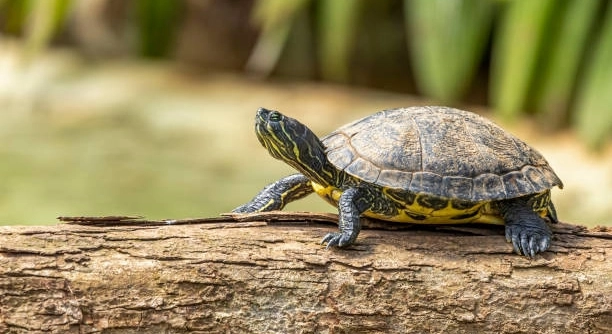
Yellow-bellied sliders are known for their basking habits, but sometimes they may not bask as often as desired. There are simple ways to encourage them to enjoy more time in the sun or under their basking lights.
To encourage yellow-bellied sliders to bask more often, provide an ideal basking spot with warmth and a safe environment. Ensure the basking area has a proper heat source and is easily accessible. The presence of UVB light is also crucial for their health.
Adjusting these elements can increase the chances of your turtle spending more time basking, which is important for their overall well-being.
Create a Comfortable and Accessible Basking Spot
A well-designed basking area is essential for encouraging your yellow-bellied slider to spend more time out of the water. Ensure the basking platform is large enough for your turtle to stretch out comfortably. The surface should be dry and rough enough to prevent slipping. A steady heat source, such as a basking light or heat lamp, is key. It’s important that the heat is not too intense but enough to allow your turtle to regulate its body temperature. The ideal basking temperature for yellow-bellied sliders is between 85°F and 95°F. Make sure there’s enough space between the heat source and the platform to avoid overheating.
A consistent temperature range, along with a comfortable basking spot, will encourage your turtle to feel secure and ready to bask.
Remember, yellow-bellied sliders rely on UVB light for proper calcium metabolism. Place a UVB light near the basking area to promote healthy bone growth and prevent metabolic bone disease.
Offer Variety in Basking Locations
Sometimes, turtles prefer different basking spots throughout the day. Offering variety, such as multiple platforms or adjustable basking areas, can cater to their need for different environments. Change the location of their basking areas periodically to give them more options.
Providing variety helps reduce stress and offers your turtle the freedom to choose where it feels most comfortable. Experiment with different angles or positions to see what works best.
Maintain Clean Water
Keeping the water clean is vital for your yellow-bellied slider’s overall health. Dirty water can discourage basking because turtles instinctively associate cleanliness with safety. Regular water changes and a good filtration system can make a big difference. You should also monitor water quality to ensure proper levels of pH and temperature.
A clean tank not only promotes basking but supports overall well-being. If the water remains murky or stagnant, your turtle may avoid coming out. Use a high-quality filter and clean the tank regularly to maintain water clarity. This simple step can make a huge difference in your turtle’s behavior.
If you’re using a water heater, make sure it maintains a steady temperature. This provides your turtle with an environment that feels secure enough for basking. Remember, water that’s too cold can drive your turtle to stay in the water longer, preventing basking.
Ensure Proper Lighting
Proper lighting is essential for encouraging your turtle to bask. UVB lighting helps with vitamin D3 production, which is necessary for calcium absorption. Without UVB light, your turtle may not feel the urge to bask. Position the light close enough to the basking spot to ensure proper exposure.
The duration of lighting is just as important. Aim for a consistent 10-12 hours of light during the day, simulating natural sunlight. Make sure the UVB light is replaced regularly, as the effectiveness of UVB bulbs diminishes over time. Your turtle will respond positively to a light schedule that mimics nature.
Adjust the basking light as needed, making sure it is bright enough to attract your turtle but not so intense that it causes stress. Your turtle will spend more time basking if it feels comfortable under the right lighting conditions.
Create a Stress-Free Environment
Your turtle needs to feel safe and calm to bask. Too much activity or noise can make it feel threatened, which might prevent it from basking. Make sure the area around its tank is quiet and undisturbed.
If you have other pets, keep them away from the turtle’s basking area. Stressful surroundings can interfere with its natural behavior. Place the tank in a quiet, low-traffic area to help your turtle feel secure enough to come out of the water.
Provide Adequate Space
Turtles need space to feel comfortable when basking. A crowded tank can make your yellow-bellied slider hesitant to bask. Ensure there’s enough room in the tank for your turtle to move between water and land freely. The more space, the better.
Proper tank size not only benefits basking but overall health. A cramped environment will increase stress, potentially leading to behavioral problems. Larger tanks allow your turtle to explore, encouraging natural basking behaviors.
FAQ
How long should my yellow-bellied slider bask each day?
Yellow-bellied sliders should bask for about 4 to 6 hours per day. This is essential for maintaining their health, as basking helps them regulate their body temperature and promotes proper digestion. Make sure they have access to UVB light during these hours for maximum benefit. If they’re not basking enough, check that their basking area has the right conditions, such as warmth and proper lighting.
Can yellow-bellied sliders bask at night?
Yellow-bellied sliders are diurnal, meaning they are active during the day and rest at night. They should not be exposed to bright lights at night, as it disrupts their natural cycle. Make sure their basking light turns off in the evening to simulate a day-night cycle. If your turtle is still trying to bask at night, it could be a sign that the tank temperature is too low, or the light schedule isn’t consistent.
What temperature should the basking area be for yellow-bellied sliders?
The ideal basking temperature for yellow-bellied sliders is between 85°F and 95°F. This range allows your turtle to properly regulate its body temperature and aids in digestion. Ensure that the basking spot is not too hot, as this can cause stress, or too cool, as it can discourage basking. A thermometer can help you maintain the right temperature.
How often should I clean the basking area?
Cleaning the basking area regularly is important for your turtle’s health. You should clean the platform and any other surfaces your turtle uses every week. Remove any waste, algae, or debris. Once a month, clean the entire tank, including the basking spot, to prevent any buildup of harmful bacteria. A clean tank encourages your turtle to bask more often.
Can I use a heat lamp for both basking and heating the water?
No, it’s best to have separate heat sources for the basking area and the water. The heat lamp should be directed toward the basking spot to create the ideal warmth for your turtle to bask comfortably. The water heater should be placed in the tank to maintain a stable water temperature, usually between 75°F and 80°F. Each temperature needs to be monitored separately to keep your turtle comfortable.
Should I use a UVB light for my yellow-bellied slider?
Yes, UVB light is crucial for your turtle’s health. It helps them produce vitamin D3, which is necessary for calcium absorption and bone health. Without UVB light, your turtle is at risk for metabolic bone disease. Use a UVB light designed for reptiles and replace it every 6 to 12 months, as its effectiveness decreases over time.
Can my turtle bask in the water?
Yellow-bellied sliders typically bask out of the water on a platform or basking area. While they may spend some time floating near the surface, they need a dry, elevated area to fully bask. A proper basking platform should be placed above the water level, where they can stretch out comfortably and absorb UVB light.
Why is my turtle not basking?
There are several reasons why your yellow-bellied slider might not be basking. The temperature of the basking area might not be ideal, or the lighting could be insufficient. Stress, an overcrowded tank, or an unclean environment can also discourage basking. Make sure the tank is quiet, the water is clean, and all temperatures are properly adjusted to create a comfortable environment.
Can I add more than one basking platform for my turtle?
Yes, adding more than one basking platform is a great idea, especially if you have multiple turtles or a larger tank. This provides them with options and reduces competition for space. Ensure the platforms are positioned so that all turtles can easily access them and they’re large enough for them to stretch out comfortably.
How do I know if my turtle is basking enough?
A healthy yellow-bellied slider should spend several hours basking each day. If your turtle is frequently in the water, it could be a sign that it’s not comfortable with the basking conditions. Check the temperature of the basking area and ensure there’s enough space. If necessary, adjust the setup to make it more appealing for your turtle to bask.
Final Thoughts
Encouraging your yellow-bellied slider to bask more often is not only about creating the right environment but also understanding its natural behaviors and needs. Proper lighting, a clean tank, and a well-maintained basking area are all essential elements to consider. Your turtle relies on these factors for its physical well-being and mental comfort. If your turtle seems reluctant to bask, it’s important to reassess the conditions around its habitat. Even small changes, such as adjusting the temperature or adding more space, can make a difference in encouraging basking.
Providing your yellow-bellied slider with a comfortable and stress-free environment should always be your top priority. Stress can quickly lead to health issues and behavioral changes, including reduced basking time. Keep noise levels down and make sure there are no disturbances in the tank’s area. If other pets are present, make sure they are not interfering with the turtle’s basking space. Over time, as the turtle begins to feel more secure and comfortable, it will likely start basking more regularly.
Remember that yellow-bellied sliders need time to adjust. Consistency is key when it comes to lighting and temperature. These turtles are creatures of habit and may take time to get used to any changes you make in their environment. Patience and attention to detail will help you create a better home for your slider, which will result in improved basking behavior. Healthy basking habits can lead to a happier, more active turtle, so ensure all factors are considered in their setup.

Hello,
If you enjoy the content that we create, please consider saying a "Thank You!" by leaving a tip.
Every little bit helps us continue crafting quality advice that supports the health, happiness, and well-being of pets around the world, for pets of all shapes, sizes, and species.
We really appreciate the kindness and support that you show us!