
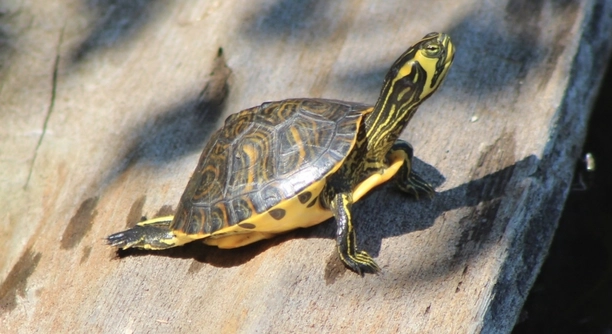
Yellow-bellied sliders are popular pets, known for their distinctive shell colors and lively personalities. However, when their shell starts to change color, it can be concerning. Understanding why this happens is key to their care.
The discoloration of a yellow-bellied slider’s shell can be caused by several factors, including poor diet, inadequate lighting, and improper water conditions. These issues can weaken the shell’s natural pigmentation, leading to dull or faded color.
Learning about these causes will help ensure the well-being of your pet and prevent further damage to its shell.
Common Causes of Yellow-Bellied Slider Shell Discoloration
Shell discoloration in yellow-bellied sliders can occur for a variety of reasons. One of the most common causes is improper diet. These turtles require a balanced diet of proteins, vegetables, and calcium to maintain a healthy shell. If they aren’t getting enough nutrients, their shells may lose their vibrancy or develop pale spots. Another factor is poor water conditions. Water that is too dirty or lacking in proper filtration can affect your slider’s health. Chlorine or harmful chemicals in the water can also weaken the shell’s color and structure.
The lighting in your pet’s environment plays a significant role too. If the turtle isn’t getting enough UVB light, it may not be able to properly absorb calcium. This can result in shell discoloration as well as other health problems. Without proper lighting, the turtle’s shell may appear dull or even show signs of deformity over time.
When addressing shell discoloration, it’s crucial to focus on these environmental and dietary factors. Providing the right balance of nutrients, clean water, and UVB light can greatly improve the appearance and overall health of your yellow-bellied slider.
How to Improve Shell Health
Improving the health of your turtle’s shell is about consistency and proper care. Maintaining a balanced diet is a good first step. Make sure your turtle has access to a mix of protein, greens, and calcium-rich foods.
Regular water changes and cleaning are essential. Ensure your turtle’s habitat is properly filtered, and use dechlorinated water to avoid any harmful effects. Introducing UVB light into your turtle’s habitat will also improve shell health by helping them metabolize calcium, keeping their shell vibrant and strong.
These changes might take time, but with consistent care, you will start to see a noticeable difference in your turtle’s shell color. Regular checkups will help catch any issues early and keep your slider happy and healthy.
The Role of Calcium in Shell Health
Calcium is essential for maintaining a yellow-bellied slider’s shell strength and color. A lack of calcium can cause soft or deformed shells. Providing a calcium supplement, such as cuttlebone, can help prevent this problem. Calcium helps in the formation of strong, colorful shells.
The right calcium supplementation ensures the turtle’s body has enough to support its shell growth. A calcium deficiency can lead to a condition called metabolic bone disease, which not only affects shell color but also overall health. Make sure your turtle’s diet includes enough calcium-rich food to support its shell.
Along with proper diet and supplements, adequate UVB lighting is key for calcium absorption. UVB rays help the turtle metabolize calcium properly, making it essential for their shell’s overall health. Without sufficient UVB exposure, calcium intake may not be as effective, causing weakness in the shell and potential discoloration.
Water Quality and Shell Appearance
Water quality is crucial for the well-being of yellow-bellied sliders. If the water is too dirty or contains harmful chemicals, the turtle’s shell can suffer. The quality of water impacts the turtle’s overall health, as contaminated water can lead to shell discoloration.
A proper filtration system ensures that your turtle’s habitat remains clean and free of pollutants. Regular water changes are also important to keep the environment healthy. When water becomes dirty, it can cause your turtle’s shell to fade or discolor. Additionally, be mindful of water temperature, as extreme fluctuations can also affect the shell’s appearance and integrity.
Keeping the water clean doesn’t just improve the shell’s look; it contributes to your turtle’s long-term health. By making water quality a priority, you’ll create a more stable and healthy environment that supports vibrant shell colors.
UVB Lighting and Its Importance
UVB lighting is essential for yellow-bellied sliders, as it helps them metabolize calcium properly. Without it, they may develop health issues, including discoloration of the shell. UVB exposure is necessary to support strong, healthy shells.
The best way to ensure proper UVB exposure is by using a high-quality UVB light source. This should be replaced every 6-12 months as the effectiveness of UVB bulbs decreases over time. Position the light properly in the habitat to allow your turtle to bask under it regularly, ensuring its shell stays vibrant and strong.
Impact of Stress on Shell Color
Stress can negatively affect your turtle’s shell color, causing it to become dull or discolored. Stress triggers can include improper tank setup, lack of hiding spots, or abrupt environmental changes. Keeping your turtle calm and relaxed is key to maintaining its shell health.
By minimizing stress and maintaining a stable environment, your turtle’s shell can retain its natural color. Consider creating a comfortable habitat with appropriate temperature, light, and space to reduce stress factors. This will not only help with shell appearance but also improve overall well-being.
Proper Diet for Vibrant Shells
A balanced diet is crucial for maintaining a yellow-bellied slider’s vibrant shell. Without the right nutrition, the shell can lose its natural color or become brittle. Feeding a variety of foods, including leafy greens, aquatic plants, and protein, will promote shell health.
A proper diet ensures that your turtle gets the necessary vitamins and minerals. Include foods rich in beta-carotene and calcium, which support shell growth and coloration. Protein sources such as insects or fish will also help keep your turtle strong and healthy, preventing discoloration.
FAQ
Why is my yellow-bellied slider’s shell turning yellow?
A yellow shell is common for a yellow-bellied slider, especially in younger turtles. However, if it turns yellow suddenly or unevenly, it could be a sign of stress, illness, or poor diet. Yellowing can happen when the turtle’s calcium intake is insufficient, or if it’s not getting enough UVB light to metabolize calcium properly. Check your turtle’s water conditions and lighting setup, and ensure it’s eating a balanced diet with enough calcium.
Can the water temperature affect the color of my turtle’s shell?
Yes, water temperature plays a significant role in the health of your yellow-bellied slider. If the water is too cold or too hot, it can stress your turtle and lead to discoloration or dullness in the shell. Maintain a consistent water temperature within the recommended range for yellow-bellied sliders (75°F – 85°F) to avoid any negative impact on their shell.
How can I tell if my turtle’s shell discoloration is a sign of illness?
If your turtle’s shell discoloration is accompanied by other symptoms, such as lethargy, loss of appetite, or abnormal behavior, it could indicate an underlying illness. Shell discoloration can be linked to fungal or bacterial infections, metabolic bone disease, or parasites. A visit to the vet is recommended to rule out these issues if the discoloration persists or worsens.
Should I be concerned if my yellow-bellied slider’s shell looks faded?
A faded shell can be caused by a number of factors, including poor water conditions, lack of UVB light, or an imbalanced diet. If the shell looks pale or faded but your turtle seems otherwise healthy, improving its diet and lighting should help restore its color. Ensure proper hydration, cleanliness of the tank, and adequate exposure to UVB rays for better shell health.
How can I prevent my yellow-bellied slider’s shell from becoming discolored?
To prevent discoloration, provide a balanced diet rich in calcium, vitamins, and minerals. Ensure proper water quality by using a good filtration system and performing regular water changes. Make sure your turtle is exposed to sufficient UVB light for calcium absorption. Additionally, avoid sudden temperature changes in their environment to reduce stress.
Can I fix my turtle’s shell discoloration at home?
Yes, many cases of shell discoloration can be fixed by improving your turtle’s diet, water conditions, and lighting. Start by assessing the turtle’s habitat and adjusting any areas that may be causing stress or malnutrition. If discoloration persists, it’s a good idea to consult with a vet for further diagnosis and treatment.
What type of UVB light should I use for my turtle?
For yellow-bellied sliders, use a high-quality UVB bulb that covers the proper spectrum of UVB light (UVB 5.0 or UVB 10.0 bulbs). These bulbs should be positioned 6 to 12 inches above your turtle’s basking area and replaced every 6-12 months, as their UVB output decreases over time. Make sure to provide at least 12 hours of UVB exposure daily.
Can my yellow-bellied slider’s shell discolor due to overfeeding?
Yes, overfeeding can lead to obesity, which can cause stress and poor health, potentially leading to shell discoloration. A proper feeding schedule with balanced portions is essential for maintaining your turtle’s health. Overfeeding high-protein foods or not providing enough variety can also affect the shell’s appearance.
What signs should I look for to ensure my turtle’s shell is healthy?
A healthy shell should be firm, smooth, and free from cracks or soft spots. It should have a consistent, vibrant color, with no unusual discoloration. Regularly check for any signs of damage, such as soft or pitted areas, which can indicate a lack of calcium or potential infection.
Why is my yellow-bellied slider’s shell turning dark or black?
Dark or black patches on the shell may be a sign of a fungal or bacterial infection, especially if the turtle’s shell becomes soft or mushy. In some cases, it could also be related to poor water quality. Consult a veterinarian to determine the cause and receive proper treatment.
Can I use aquarium salt to treat discoloration on my turtle’s shell?
Aquarium salt is often used for treating external wounds or infections, but it should be used with caution. If your yellow-bellied slider has discoloration due to infection, a salt bath may help, but it’s best to consult with a veterinarian before using any treatments. Salt baths can be drying for the skin if used incorrectly.
How long does it take for a turtle’s shell color to return to normal?
The time it takes for shell color to return to normal depends on the cause of the discoloration. If the discoloration is due to diet or lighting issues, it may take a few weeks to see improvement once the conditions are corrected. If the discoloration is caused by an illness or infection, it may take longer, especially with veterinary treatment.
Are there any supplements I can give my turtle to improve its shell color?
Calcium supplements, such as cuttlebone, and multivitamin supplements designed for reptiles can help improve shell health and color. Make sure to follow the recommended dosages to avoid over-supplementing. Offering calcium-rich foods, such as leafy greens, will also naturally support shell health.
Final Thoughts
Taking care of a yellow-bellied slider’s shell requires attention to a few key factors: diet, lighting, and water conditions. Shell discoloration is often a sign that something in their environment or care routine needs adjustment. If you notice a change in your turtle’s shell color, it’s important to identify the cause quickly so you can address the issue. Sometimes, simple changes like adjusting the UVB light, providing a more balanced diet, or reducing stress in their environment can make a noticeable difference. Consistency in their care routine is the best way to ensure their shell remains healthy and vibrant.
It’s also crucial to monitor your turtle for any additional symptoms that may indicate a more serious problem, such as illness or infection. While some changes in shell color are harmless and part of natural growth, others may signal underlying health concerns. If the discoloration persists or worsens, or if your turtle shows signs of discomfort, a visit to the vet can provide a clearer diagnosis. A veterinarian will be able to recommend treatment plans that address specific health issues, such as fungal infections, calcium deficiencies, or other medical conditions.
By maintaining a proper habitat, providing appropriate nutrition, and offering a calm, stress-free environment, your yellow-bellied slider will be better equipped to maintain a healthy shell. Regular check-ups and routine care are the foundation of long-term shell health. With the right care, you can help your turtle thrive and enjoy a long, happy life with a colorful, strong shell.

Hello,
If you enjoy the content that we create, please consider saying a "Thank You!" by leaving a tip.
Every little bit helps us continue crafting quality advice that supports the health, happiness, and well-being of pets around the world, for pets of all shapes, sizes, and species.
We really appreciate the kindness and support that you show us!