
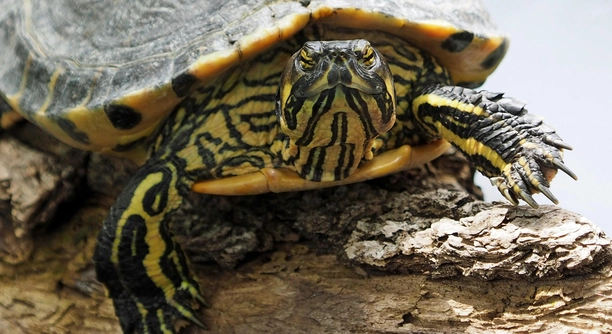
Yellow-bellied sliders are popular pet turtles, and their diets are often misunderstood. There are many myths surrounding what these turtles should eat. It’s important to separate fact from fiction when it comes to their nutritional needs.
Many misconceptions about yellow-bellied slider diets persist, including the belief that they can eat the same foods as other turtles. In reality, their diet should include a mix of protein, vegetables, and occasional fruits, with proper calcium and vitamin supplements.
Understanding the truth behind these myths will help ensure your yellow-bellied slider stays healthy and thrives in its environment.
Myth 1: Yellow-Bellied Sliders Only Eat Protein
A common myth is that yellow-bellied sliders should primarily eat protein, such as fish or insects. While they are omnivores and need protein, this should only be a small part of their diet. Overfeeding protein can cause health issues like kidney problems and shell deformities. A well-rounded diet for these turtles should include both plant and animal matter. Ideally, they should consume protein, leafy greens, aquatic plants, and fruits in a balanced ratio.
Protein is essential, but it’s crucial to provide a mix of foods. Too much protein can lead to obesity and other long-term health issues. By offering a variety of options, you support their overall well-being.
Their diet should be adjusted as they grow, and regular monitoring is essential. Providing a mix of foods helps maintain a healthy turtle and avoids dietary imbalances. A balanced diet can also improve their energy levels and activity, making for a healthier, more active turtle.
Myth 2: They Can Survive on Lettuce Alone
Another myth is that yellow-bellied sliders can thrive on lettuce alone. While lettuce can be a small part of their diet, it doesn’t provide all the nutrients they need. Lettuce has low nutritional value and can’t support the turtle’s overall health.
A balanced diet for yellow-bellied sliders should include dark, leafy greens like kale, collard greens, or dandelion greens. These provide essential vitamins, minerals, and fiber, which lettuce lacks. By offering a variety of greens, you give your turtle the nutrients it needs to stay healthy.
Lettuce, being high in water content, offers hydration, but it shouldn’t be the main component of their diet. Without the proper nutrients from other vegetables, fruits, and proteins, a turtle’s health can decline. Ensuring a variety of food types helps your yellow-bellied slider thrive in the long run.
Myth 3: Yellow-Bellied Sliders Only Eat in Water
Many believe that yellow-bellied sliders only eat in water. While it’s true they are aquatic, they can and will eat on land. Turtles often prefer eating on a flat surface, like a rock or a dock, where they can enjoy their meal without feeling threatened.
They’re more comfortable eating outside the water, where they can fully focus on their food. You may notice that they leave the water to munch on leaves, fruits, or other snacks. It’s also easier for them to avoid drowning in water while eating.
Providing a designated feeding area out of the water is a simple way to offer them their meals. It also allows you to monitor their intake and ensure they’re getting the right balance of nutrients. It’s helpful to remove uneaten food to keep the habitat clean.
Myth 4: They Can Eat Fruit All the Time
While yellow-bellied sliders do enjoy fruit, it shouldn’t be a large portion of their diet. Too much fruit can lead to health problems, as it’s often high in sugar and doesn’t provide all the nutrients they need.
Fruit should be given as a treat rather than a daily staple. Some good options include strawberries, blueberries, and melon. However, fruits like apples should be given in moderation. Overfeeding sugar-rich foods can lead to obesity or other health issues.
It’s important to balance fruits with other food types like leafy greens, protein, and aquatic plants. This way, your turtle receives a varied diet that supports its health and keeps them happy. By offering fruit sparingly, you can keep your turtle’s diet both nutritious and exciting.
Myth 5: They Should Never Have Commercial Turtle Food
Some believe that commercial turtle food should be avoided altogether. While it’s true that whole foods like vegetables and protein are ideal, high-quality commercial turtle food can provide essential nutrients that may be missing from their regular meals.
Look for brands that offer balanced nutrition and use it as a supplement rather than the primary food source. Commercial food can be a convenient way to ensure your turtle gets the right vitamins and minerals. Just be sure to choose options with natural ingredients and no artificial additives.
Myth 6: They Don’t Need Supplementary Calcium
Calcium is a vital nutrient for yellow-bellied sliders, especially for healthy shell growth. Without enough calcium, their shells can become soft and deformed. Supplementing their diet with calcium is necessary for strong bones and a hard shell.
You can offer calcium through foods like dark leafy greens, or add a calcium supplement to their diet. Calcium blocks or powdered supplements can be sprinkled on their meals to ensure they’re getting enough. Regular exposure to UVB light is also important, as it helps turtles absorb calcium effectively.
FAQ
What is the best diet for a yellow-bellied slider?
The best diet for a yellow-bellied slider consists of a balanced combination of protein, vegetables, and occasional fruits. Proteins can include fish, worms, or insects, while vegetables like kale, collard greens, and dandelion greens provide essential vitamins and fiber. You should offer a variety of foods to ensure your turtle receives all the necessary nutrients. Fruits like strawberries, blueberries, or melons can be given occasionally as a treat.
How often should I feed my yellow-bellied slider?
Yellow-bellied sliders should be fed daily when they are young. As they grow older, feeding them every other day is sufficient. This allows them to maintain a healthy weight without overfeeding. Young turtles need more frequent meals because they are still growing. An adult turtle’s metabolism slows down, so they don’t require food as often.
Can yellow-bellied sliders eat fish?
Yes, yellow-bellied sliders can eat fish. Fish is a good source of protein, but it should be fed in moderation. Too much fish can lead to imbalanced nutrition. Opt for small fish, such as minnows or goldfish, and avoid feeding them too often, as it could cause digestive problems.
Is it okay to feed yellow-bellied sliders human food?
Feeding yellow-bellied sliders human food is not recommended. Human food is often processed, salted, or sweetened, which can be harmful to turtles. Stick to foods that are appropriate for turtles, such as leafy greens, vegetables, fruits, and small amounts of protein. If you do offer something human-made, ensure it’s safe, like plain boiled eggs or a small piece of cooked chicken.
How do I ensure my yellow-bellied slider gets enough calcium?
Calcium is essential for a healthy shell and bones. To ensure your turtle gets enough calcium, include calcium-rich foods like dark leafy greens (collard greens, kale) in their diet. You can also add calcium supplements, either in the form of powders or blocks, to their meals. UVB light is also important, as it helps turtles absorb calcium from their food.
Should I feed my yellow-bellied slider outside the water?
It’s fine to feed your yellow-bellied slider outside the water. While they are aquatic animals, they are comfortable eating on dry land, especially when there’s less risk of food floating away or getting submerged. Make sure the surface is clean and accessible for them to eat comfortably.
Can yellow-bellied sliders eat lettuce?
Yellow-bellied sliders can eat lettuce, but it shouldn’t make up the majority of their diet. Lettuce, especially iceberg lettuce, has little nutritional value and lacks fiber. Instead, focus on providing dark, leafy greens like kale or dandelion greens, which are much more beneficial for their health.
What are the signs of an unhealthy diet in yellow-bellied sliders?
Signs of an unhealthy diet in yellow-bellied sliders include a soft or deformed shell, lethargy, and weight loss. If your turtle isn’t eating regularly or shows a lack of energy, it may be due to nutritional imbalances. Ensure they’re getting a proper mix of protein, vegetables, and fruits, along with calcium.
Can yellow-bellied sliders eat worms?
Yes, yellow-bellied sliders can eat worms, such as earthworms or mealworms. Worms are a good source of protein and can be part of their regular diet. However, worms should be offered in moderation, as overfeeding them can lead to an imbalance in their diet.
How do I introduce new foods to my yellow-bellied slider?
Introducing new foods to your yellow-bellied slider should be done gradually. Start by offering small amounts of the new food alongside their usual meals. Monitor how they respond to it, and if they show interest, continue offering it. If they refuse, try again after a few days. Make sure any new food is safe and appropriate for turtles.
Is it necessary to supplement yellow-bellied slider diets with vitamins?
Vitamin supplements are not always necessary if the turtle’s diet is well-balanced. However, if your yellow-bellied slider is not eating a wide variety of foods or if they have specific health issues, adding vitamin supplements might be helpful. Always consult a vet before introducing supplements.
Can I feed my yellow-bellied slider fruits every day?
Fruits should not be fed every day to yellow-bellied sliders. They are high in sugar and do not provide the necessary nutrients for a balanced diet. Fruits should be given sparingly, as a treat, once or twice a week. A better focus is on leafy greens and proteins.
How can I help my yellow-bellied slider maintain a healthy weight?
To help your yellow-bellied slider maintain a healthy weight, monitor portion sizes and feed them the correct balance of protein, vegetables, and fruits. Avoid overfeeding, and ensure that your turtle has plenty of exercise in its enclosure. If your turtle seems overweight, reduce their protein intake and increase the amount of plant-based foods.
What should I do if my yellow-bellied slider refuses to eat?
If your yellow-bellied slider refuses to eat, first check for environmental factors. Ensure the water is clean and at the right temperature. Check for signs of illness, and consult a vet if necessary. It may also be helpful to offer a variety of foods, as they may be tired of their regular meals.
Can yellow-bellied sliders eat chicken?
Yellow-bellied sliders can eat small amounts of cooked chicken. Chicken should be given in moderation, and it must be thoroughly cooked without any seasoning. Avoid giving raw chicken, as it may carry harmful bacteria. Only offer chicken as a small portion alongside their regular diet.
Final Thoughts
Yellow-bellied sliders are fascinating creatures with unique dietary needs. While myths about their diets can lead to confusion, understanding the basics of what they should eat is crucial for their health and well-being. A balanced diet for a yellow-bellied slider consists of a mix of protein, vegetables, fruits, and calcium. Offering variety and ensuring they get the right nutrients will help your turtle thrive, but moderation is key. Too much of one thing, whether it’s protein or fruit, can lead to imbalances that may affect their health over time.
It’s also important to keep in mind that a yellow-bellied slider’s diet should be adjusted based on its age and activity level. Young turtles need more frequent feedings, while adult turtles require less. Their feeding schedule, along with the type of food they receive, should reflect their growth stage. A young slider may need daily meals, but once they mature, feeding them every other day is sufficient. In addition to their diet, make sure their environment is also taken care of. Clean water, proper lighting, and a comfortable habitat are essential to support their overall health.
By understanding and addressing these common myths, you can ensure that your yellow-bellied slider receives the best care possible. Regularly checking on their diet and making adjustments when necessary is part of being a responsible turtle owner. Always make sure to research any new food options or supplements before introducing them to your turtle. Taking the time to learn about their nutritional needs can make a huge difference in their lifespan and quality of life. A well-fed, healthy turtle will thrive for years, enjoying the long life it deserves.

Hello,
If you enjoy the content that we create, please consider saying a "Thank You!" by leaving a tip.
Every little bit helps us continue crafting quality advice that supports the health, happiness, and well-being of pets around the world, for pets of all shapes, sizes, and species.
We really appreciate the kindness and support that you show us!