
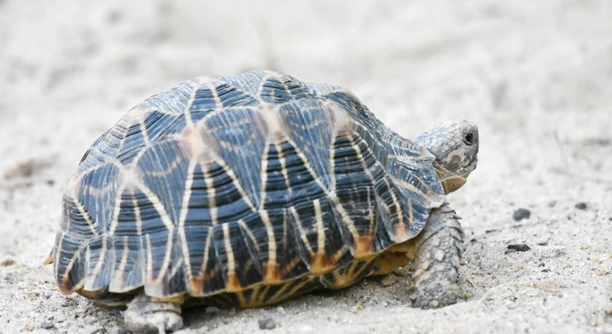
Indian Star Tortoises are known for their unique beauty and gentle nature. However, sometimes, they can show signs of aggression, which can be difficult for their owners to manage. Understanding this behavior is important for a positive relationship.
When dealing with an aggressive Indian Star Tortoise, it’s essential to identify the cause of aggression, whether it’s environmental stress, fear, or illness. Using calm handling techniques, providing a suitable habitat, and reducing stressors can help address the issue effectively.
Aggression in tortoises can be challenging, but with the right strategies, you can create a peaceful environment. The following tips will guide you in understanding and managing your tortoise’s behavior more effectively.
Understanding Aggressive Behavior in Indian Star Tortoises
Indian Star Tortoises are typically calm, but they can sometimes display aggressive behavior. It’s important to recognize the signs, such as biting, hissing, or chasing other animals. These actions might seem alarming, but they often occur due to stress or discomfort. Tortoises are highly sensitive creatures, and their environment plays a huge role in their behavior.
An aggressive tortoise might be trying to protect itself or assert dominance. Sometimes, they act this way when they feel threatened or crowded. Stress from factors like temperature changes, overcrowding, or improper diet can lead to these aggressive tendencies. Understanding the reasons behind these behaviors is key to addressing the issue effectively.
Keeping your tortoise’s habitat calm and controlled is one of the most important factors. A clean, spacious enclosure with proper lighting and heat will help reduce stress. Additionally, avoid overhandling your tortoise, as too much interaction can overwhelm them. By understanding their needs and providing a peaceful space, you can prevent aggression and promote a more relaxed tortoise.
Creating the Right Habitat
The right habitat can significantly reduce aggressive behavior in your tortoise. Make sure to provide enough space for them to move around comfortably.
Proper lighting, temperature, and humidity are essential. Without these, your tortoise may become agitated. The correct environment mimics the conditions they would experience in the wild, helping them feel secure and at ease. Keep your tortoise’s enclosure clean and well-maintained to avoid stressors like bacteria or mold. A happy tortoise thrives in an environment that feels safe and natural.
Handling Your Aggressive Indian Star Tortoise
Handling an aggressive tortoise requires a gentle approach. Avoid sudden movements that might startle it. Always handle your tortoise with care to prevent further stress.
Use both hands to support its shell and avoid picking it up by the legs or head. Hold it low to the ground in case it tries to squirm away. A calm, slow approach can help your tortoise feel less threatened. If it continues to display aggression, try putting it back in its habitat to give it time to settle down.
Be consistent with your handling routine. Over time, the tortoise may become more comfortable with you. If aggression continues despite calm handling, consider other factors like its diet, health, and environment to rule out other causes.
Identifying Stress Factors
Stress in tortoises often stems from changes in their environment or routine. Overcrowding, noisy surroundings, or improper habitat conditions can make them more prone to aggression.
If your tortoise is aggressive, it’s important to assess these factors. Check the temperature, humidity, and overall cleanliness of their habitat. Tortoises need their space, so avoid putting them in too small an enclosure. In addition, sudden changes in the environment can cause them to feel unsafe. Ensuring that they have a quiet, peaceful space can help manage their stress. Keeping their daily routine consistent will also prevent anxiety.
Providing a Balanced Diet
An improper diet can lead to aggression in Indian Star Tortoises. Make sure they’re eating a variety of greens and a proper mix of nutrients.
A diet lacking in fiber, calcium, or vitamins can lead to frustration or discomfort, causing aggression. Offer leafy vegetables like dandelion greens, collard greens, and kale, along with occasional fruits like papaya and berries. Avoid feeding them foods that are too high in protein, as this can throw off their nutritional balance. Proper hydration is also important for their well-being and can help prevent unnecessary stress.
Regular Vet Check-ups
Regular vet visits are essential to ensure your tortoise is healthy. A check-up can identify any underlying health issues that may be causing aggression.
If your tortoise is behaving aggressively, it’s possible that it could be in pain or suffering from a health condition like a respiratory infection or shell damage. A vet can help diagnose these issues early, preventing further complications. They can also recommend proper care, including diet adjustments or changes to the habitat, to promote a healthier, calmer tortoise.
FAQ
Why is my Indian Star Tortoise being aggressive?
Aggression in Indian Star Tortoises can be caused by various factors, such as stress, poor habitat conditions, or even illness. They may show aggressive behavior like biting, hissing, or chasing when they feel threatened, overcrowded, or uncomfortable. A lack of proper heating, humidity, or space can make them anxious. It’s essential to assess their environment and health to pinpoint the cause. If your tortoise feels stressed or unsafe, it may act out as a defense mechanism. Always observe their behavior and make adjustments as needed to create a calm, comfortable space for them.
How do I stop my tortoise from being aggressive?
To stop your tortoise from being aggressive, start by ensuring its habitat is well-maintained and suitable for its needs. Provide enough space for your tortoise to roam, proper temperature and humidity levels, and a varied, balanced diet. Minimize stress by reducing handling and giving your tortoise time to acclimate to its environment. If aggressive behavior persists, handle your tortoise gently and slowly, always being mindful of its comfort. Over time, your tortoise may become less aggressive if it feels more secure in its surroundings. Regular check-ups with a vet can also help rule out any medical causes for aggression.
Can an Indian Star Tortoise become aggressive due to illness?
Yes, illness can cause an Indian Star Tortoise to act aggressively. If a tortoise is in pain or discomfort from an illness, it may become more defensive or irritable. Common health issues, such as respiratory infections, shell rot, or parasites, can lead to changes in behavior. Always keep an eye on your tortoise for any signs of illness, such as lethargy, loss of appetite, or difficulty moving. If you notice any of these symptoms, it’s crucial to consult a veterinarian to rule out any underlying health issues.
How can I tell if my tortoise is stressed?
A stressed tortoise may show signs such as aggressive behavior, hiding more than usual, reduced appetite, or changes in its usual activity levels. They might also become more defensive or withdrawn. Stress in tortoises can be triggered by environmental changes like temperature fluctuations, overcrowding, or loud noises. They are sensitive creatures, and even slight changes in their habitat can affect their behavior. Make sure your tortoise’s environment is stable and provide a safe space where it can retreat when needed. Regularly checking the temperature and humidity levels will also help prevent stress.
Is it safe to handle my Indian Star Tortoise when it’s being aggressive?
Handling an aggressive tortoise should be done with caution. If your tortoise is showing signs of aggression, such as biting or hissing, it’s best to give it some space and allow it to calm down. Constant handling can cause further stress and may lead to more aggression. If necessary, handle your tortoise slowly and gently, ensuring you support its shell properly. Avoid sudden movements that might startle it. Over time, with a consistent, calm approach, your tortoise may become more comfortable with handling. It’s essential to respect your tortoise’s boundaries and not force contact.
What is the best diet to prevent aggression in my tortoise?
A balanced diet is vital for preventing aggression in your Indian Star Tortoise. Ensure they have a variety of leafy greens such as dandelion, collard greens, and mustard greens. Offer occasional fruits like berries and papaya in moderation, but avoid overfeeding them with high-protein foods. Too much protein can lead to health problems and increased aggression. Tortoises also need a good source of calcium to maintain their shells, so consider offering calcium supplements or providing cuttlebone. Proper hydration is equally important, so make sure your tortoise has access to fresh, clean water at all times.
Can temperature affect my tortoise’s behavior?
Yes, temperature plays a significant role in your tortoise’s behavior. Indian Star Tortoises are cold-blooded animals, meaning they rely on external heat sources to regulate their body temperature. If the enclosure is too cold, they may become lethargic or irritable. If it’s too hot, they can become stressed or dehydrated. Ensuring the habitat has a proper temperature gradient—cooler areas for resting and warmer areas for basking—is crucial. You should monitor the temperature regularly to ensure it stays within the ideal range, which is between 80°F and 90°F during the day, with a basking spot reaching up to 95°F.
How much space does my tortoise need?
Indian Star Tortoises require a spacious habitat to feel comfortable and reduce stress. A minimum enclosure size of 40 gallons is recommended for a single adult tortoise, but larger is always better. The more room they have to roam, the less likely they are to feel confined and stressed. It’s also essential to include hiding spots and climbing areas to mimic natural environments and provide enrichment. If you have more than one tortoise, you’ll need an even larger space to prevent territorial aggression. Adequate space is key to ensuring your tortoise feels safe and secure.
What should I do if my tortoise won’t stop biting?
Biting can be a sign of aggression or stress in tortoises. If your tortoise is repeatedly biting, try to figure out the cause. Ensure that the habitat is suitable and that it’s not feeling cramped or uncomfortable. If the tortoise is housed with other animals, it may be trying to assert dominance. Avoid sudden movements when approaching or handling your tortoise, as these may make it feel threatened. If biting continues despite making environmental changes, consult with a veterinarian to rule out any health issues that could be contributing to the behavior.
How do I help my tortoise feel more comfortable?
Creating a calm and comfortable environment for your tortoise is key to reducing aggression. Start by ensuring the enclosure is spacious and well-maintained, with proper lighting, temperature, and humidity levels. Provide hiding spots and places to climb to mimic natural habitats. Minimize loud noises or disturbances around their enclosure, as this can cause stress. Additionally, handle your tortoise gently and infrequently, giving it time to adjust to its surroundings. A comfortable, secure environment will go a long way in preventing aggressive behavior.
Final Thoughts
Dealing with an aggressive Indian Star Tortoise can be challenging, but with patience and the right approach, it’s possible to address the behavior. First and foremost, understanding the cause of the aggression is key. Tortoises may act aggressively due to stress, environmental issues, or health problems. It’s essential to pay attention to their habitat, diet, and overall well-being. Making sure your tortoise feels comfortable and secure in its environment will often help reduce unwanted behaviors.
Creating the right environment is one of the most effective ways to prevent aggression. This includes providing enough space, maintaining proper temperatures and humidity levels, and offering a varied diet. Overcrowding, sudden changes in temperature, and incorrect lighting can all lead to stress, which may cause your tortoise to act aggressively. Ensuring a peaceful, quiet space will help them feel safe and reduce the chances of them displaying defensive behavior. When your tortoise feels secure, it’s much more likely to remain calm and content.
Finally, if aggression persists despite addressing these factors, don’t hesitate to consult a veterinarian. Health issues can sometimes be the root cause of the behavior, and a vet can help identify and treat any underlying problems. Regular check-ups are important to catch any issues early and to make sure your tortoise is in good health. Whether it’s a change in diet, a new handling routine, or a different enclosure setup, staying patient and consistent is essential. Over time, with the right care and attention, your tortoise will likely calm down and adapt to its surroundings.

Hello,
If you enjoy the content that we create, please consider saying a "Thank You!" by leaving a tip.
Every little bit helps us continue crafting quality advice that supports the health, happiness, and well-being of pets around the world, for pets of all shapes, sizes, and species.
We really appreciate the kindness and support that you show us!