
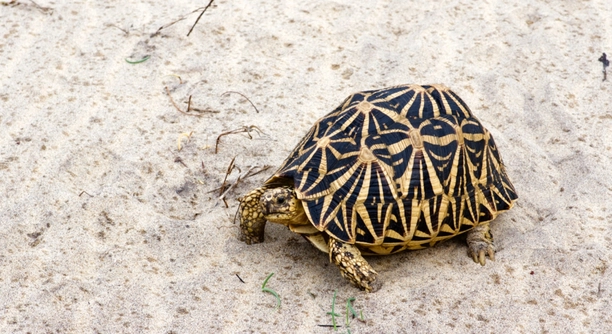
When traveling with your Indian Star Tortoise, ensuring their safety is a top priority. Proper preparation and the right items can make all the difference in keeping them secure and comfortable during the journey.
The seven essential items for Indian Star Tortoise travel safety include a secure carrier, temperature control equipment, hydration tools, suitable bedding, safe transport containers, travel-friendly food, and health monitoring supplies. Each item serves a specific function in ensuring their well-being.
These items will help you avoid potential travel hazards, ensuring that your tortoise remains safe and healthy. Understanding their importance is key to a smooth journey.
Secure Carrier for Safe Travel
When you are ready to travel with your Indian Star Tortoise, having a secure carrier is non-negotiable. The carrier should be spacious enough for your tortoise to move comfortably but not too large to cause instability. The key is balance; too much space and your tortoise may be tossed around, leading to stress or injury. It is important to have a carrier that is well-ventilated, allowing for proper airflow while maintaining a controlled environment.
The material of the carrier matters as well. Sturdy plastic or a well-made fabric carrier can protect your tortoise from external impacts while ensuring that the interior remains safe and comfortable. You should also look for a carrier with secure latches or locks to prevent accidental escapes.
In addition to safety, the carrier should be easy for you to handle. It should be lightweight and easy to clean, making maintenance less of a hassle. A good carrier reduces the risk of harm during travel and ensures that your tortoise stays calm and safe throughout.
Temperature Control
Temperature control is vital when traveling with your Indian Star Tortoise. Proper heat regulation ensures they stay comfortable and avoid health risks. Use a portable heat pack or a temperature-controlled pad for maintaining optimal warmth.
Keeping your tortoise at a stable temperature helps prevent stress and other health complications. They are sensitive to temperature fluctuations, so it’s crucial to use reliable temperature monitoring equipment. Make sure to check that the environment remains in the safe range for them, especially if you’re traveling long distances.
You may need to adjust your setup based on the climate or time of year. Whether you’re traveling in colder weather or moving through warmer areas, taking extra precautions with temperature can prevent unnecessary risk.
Hydration Tools
Keeping your Indian Star Tortoise hydrated during travel is essential. A water dish that fits inside the carrier without causing spills is a must. You may also want to use a water bottle with a spout to prevent leaks.
Hydration should be checked regularly, especially in warmer conditions. During travel, it can be easy to overlook, but dehydration can lead to serious health issues for your tortoise. Always ensure that they have access to clean water, and take breaks to allow them to drink when needed. Keeping their hydration stable is just as important as temperature control.
If traveling for an extended time, it’s a good idea to bring along a portable water dispenser or moist towels. These extra hydration methods can help maintain moisture levels if access to clean water becomes limited. Monitoring hydration often prevents stress and discomfort for your tortoise.
Suitable Bedding
Proper bedding is another key item for safe travel. Use soft, absorbent bedding like hay or shredded paper, which is gentle on your tortoise’s skin while absorbing any waste. Choose bedding that is non-toxic and easy to dispose of.
The right bedding helps maintain cleanliness inside the carrier. It also provides a cushion to prevent your tortoise from sliding around, which can cause discomfort or injury. Make sure to pack enough bedding to cover the base of the carrier comfortably, allowing your tortoise to feel secure and relaxed. Regularly check for any waste buildup during breaks to maintain a clean environment.
Having a bedding material that is easy to replace ensures that your tortoise travels in a hygienic space. If you’re unsure of what works best, consider testing a few options before the trip to see what your tortoise prefers. Keeping bedding fresh will improve their comfort and overall experience.
Safe Transport Containers
For smaller trips or short distances, a smaller transport container might be all you need. Choose one that is compact but secure, with enough ventilation to allow for fresh air circulation. It should also be sturdy enough to prevent injury during handling.
Even for short trips, it’s essential to pick a container that’s both safe and convenient. A proper fit ensures that your tortoise will be stable and less stressed. Consider a container that’s easy to clean and carry, especially if you’ll need to handle it often.
Travel-Friendly Food
Pack travel-friendly food to ensure your tortoise stays nourished while on the move. Avoid packing anything that could spoil quickly or make a mess. Look for easy-to-serve options like cut vegetables or small portions of dry food.
Take extra care in offering food during breaks in the journey. Feed in small amounts to prevent digestive issues. Avoid overfeeding or giving food that’s too rich or heavy to prevent stress on your tortoise’s stomach while traveling.
FAQ
What type of carrier is best for an Indian Star Tortoise?
A hard-sided, well-ventilated plastic carrier is often the best choice for an Indian Star Tortoise. It provides security and protection from any bumps or impacts. Make sure it’s spacious enough for the tortoise to move around a bit but not too big, as this could cause instability. A carrier with secure latches ensures your tortoise remains safely inside.
How often should I offer water to my tortoise during travel?
Your tortoise should have access to fresh water throughout the travel, especially if it lasts for more than a few hours. Offer water every couple of hours and whenever you stop for a break. Keep the water bowl or bottle accessible inside the carrier. Always check for dehydration signs like dry skin or lethargy, as they need to stay hydrated for overall health.
Can I use regular bedding for my tortoise when traveling?
It’s best to use non-toxic bedding, such as hay, shredded paper, or coconut husk. These materials are soft, absorbent, and provide comfort during the journey. Avoid using bedding with strong scents, which could stress your tortoise. Make sure to replace the bedding frequently to keep the carrier clean.
How can I maintain the right temperature during travel?
Using heat packs or temperature-controlled pads can help maintain the proper temperature in the carrier. Check the temperature before and after each stop to ensure it remains within the ideal range. For longer trips, consider investing in a portable temperature monitor to keep track. If traveling in colder conditions, wrapping the carrier in blankets or insulating materials will help prevent heat loss.
Is it necessary to feed my tortoise during travel?
Yes, but be cautious about how much and what you feed them. Avoid overfeeding during the trip. Instead, offer small portions of their usual food or snack-sized portions that are easy to digest. This will prevent your tortoise from getting uncomfortable or stressed due to digestive issues. Stick with familiar, easy-to-serve foods to reduce stress.
What should I do if my tortoise shows signs of stress during travel?
If your tortoise shows signs of stress, such as excessive panting, hiding, or lack of movement, try to create a calmer environment by reducing noise and movement around the carrier. Check if the temperature is appropriate, as extreme heat or cold can stress them out. Offer water and let them rest in a quiet, dark area.
Can I use a regular pet carrier for my tortoise?
A regular pet carrier could work, but ensure it is sturdy and has proper ventilation. It should also be large enough to prevent your tortoise from getting tossed around. It’s important to avoid carriers that are too small or have sharp edges. Safety, comfort, and security should always be the priorities when choosing the carrier.
How can I prevent my tortoise from escaping during travel?
Use a carrier that securely latches, ensuring your tortoise can’t push it open. If the carrier doesn’t have a lock, you can use cable ties or a strong velcro strap to keep it closed. Regularly inspect the carrier for any gaps or weaknesses that could allow an escape.
Should I travel with my tortoise if the weather is extreme?
It’s not advisable to travel during extreme weather conditions like very high heat or freezing cold. Both can cause unnecessary stress and health issues for your tortoise. If you have no choice but to travel during extreme weather, make extra preparations like using heat packs or blankets for warmth and portable fans for cooling.
How can I ensure my tortoise stays calm during travel?
Familiarity is key. Keep their carrier as close to their regular living space as possible. You can also use calming sprays made for reptiles to help reduce stress. Try to maintain a steady, calm pace when driving, as sudden movements or sharp turns can disorient your tortoise. Avoid loud noises and distractions, as these could increase stress.
Is it okay to travel with my tortoise for long hours?
Long hours are manageable if you take appropriate breaks, keep the temperature regulated, and offer water. If your trip is longer than a day, consider having overnight accommodations that cater to reptiles. Also, ensure that your tortoise has access to food during these breaks to maintain its energy levels.
How should I clean my tortoise’s carrier after travel?
After your trip, remove all bedding and wash the carrier thoroughly with mild soap and water. Disinfect it to remove any bacteria or waste. If possible, let the carrier air dry in a well-ventilated space before using it again. Regular cleaning ensures your tortoise’s environment stays hygienic for future travels.
What food should I bring for my tortoise during travel?
Bring simple, easy-to-digest food like leafy greens, fresh vegetables, and small amounts of their regular dry food. Avoid feeding too much at once, as overfeeding can cause digestion issues. Make sure the food remains fresh during the trip, and pack it securely to prevent spills.
Traveling with an Indian Star Tortoise requires thoughtful planning and preparation to ensure their safety and comfort. Having the right equipment, like a secure carrier, hydration tools, and proper bedding, plays a crucial role in keeping your tortoise healthy and stress-free. It’s important to understand their needs during travel, including maintaining the right temperature and providing them with food and water at the right times. A little care and attention to detail can make all the difference in providing a smooth and safe experience for both you and your tortoise.
While every tortoise is unique, there are common steps that can be applied when preparing for travel. Checking that your carrier is secure, ensuring their hydration and comfort, and keeping the temperature stable are just a few key things to focus on. Additionally, knowing when to take breaks during long travels and making sure the environment remains calm and stable can help minimize stress. Your tortoise’s well-being should be a priority, so it’s helpful to research and test the items you plan to use before any major trips.
In the end, travel with your tortoise doesn’t have to be complicated. With the right tools and a little preparation, your tortoise can stay safe and comfortable throughout the trip. Always keep their health in mind and be prepared to adjust as needed. Whether it’s a short journey or a longer trip, taking these steps will help you ensure your tortoise remains calm and well-cared for, giving you both a more pleasant and stress-free experience.

Hello,
If you enjoy the content that we create, please consider saying a "Thank You!" by leaving a tip.
Every little bit helps us continue crafting quality advice that supports the health, happiness, and well-being of pets around the world, for pets of all shapes, sizes, and species.
We really appreciate the kindness and support that you show us!