
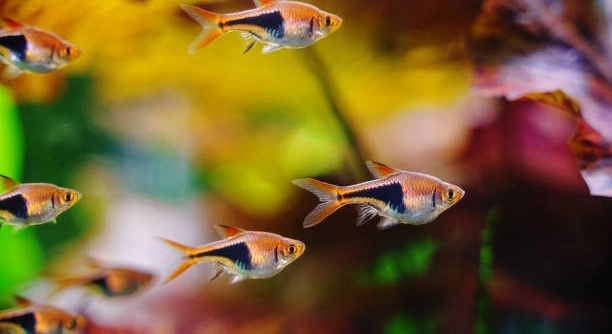
Fin rot is a common problem in rasbora fish that affects their fins and overall health. It can make your fish look unhealthy and cause distress if left untreated. Understanding how to care for rasboras helps prevent this condition.
The most effective way to cure fin rot in rasboras involves improving water quality, maintaining proper tank conditions, and using antibacterial treatments as needed. Consistent care and early intervention are essential for full recovery.
Knowing how to spot early signs and take action will keep your rasboras healthy and their fins looking vibrant.
What Causes Fin Rot in Rasbora
Fin rot in rasboras is usually caused by poor water conditions. Dirty water allows harmful bacteria and fungi to grow, which attack the fins. Stress from overcrowding or sudden changes in water temperature also weakens their immune system, making them more vulnerable. Injuries to fins can allow infections to start more easily. Uneaten food and waste build-up in the tank create an environment where bacteria thrive. Sometimes, poor diet or lack of minerals can weaken the fish’s health, increasing the risk. Keeping the tank clean and stable is key to preventing fin rot. Regular water tests can help you spot problems early and keep water chemistry balanced. Even small changes in pH or ammonia levels can affect rasboras’ well-being. The infection often begins at the fin edges, causing them to look ragged or frayed. Without treatment, the fins can deteriorate further, affecting the fish’s ability to swim properly.
Proper filtration and frequent water changes can prevent bacterial growth in your tank. This keeps the environment healthy for your rasboras.
Fin rot spreads quickly if not treated. Early recognition and maintaining good tank conditions are vital to stopping the infection from worsening.
How to Treat Fin Rot in Rasbora
Starting treatment involves improving water quality immediately. Perform partial water changes of 25-50% and clean the tank substrate to remove waste. Check and adjust water parameters, aiming for stable temperature and low ammonia and nitrite levels. Using antibacterial medications made for fish can help fight the infection. Follow the instructions carefully for dosage and treatment duration. Salt baths or aquarium salt can reduce stress and aid healing. Avoid overcrowding and ensure a balanced diet rich in vitamins to strengthen your rasbora’s immune system. Remove any sharp decorations that could injure the fins during recovery. Keep an eye on the fish daily to monitor improvement. If the infection persists after treatment, consider consulting a specialist. Consistency in care is crucial, as rushed or incomplete treatment can lead to relapse.
Patience and proper care will bring your rasboras back to health while protecting the whole tank from further infections.
Preventing Fin Rot in Rasbora
Regular water changes are essential to prevent fin rot. Keeping the tank clean reduces harmful bacteria and keeps your fish healthy.
Monitoring water quality closely helps avoid sudden changes that stress rasboras. Testing for ammonia, nitrites, and nitrates weekly is recommended. Avoid overcrowding to reduce stress and aggression among fish. Provide a balanced diet with quality flakes, pellets, or frozen foods to keep their immune system strong. Clean decorations and substrate regularly to remove debris where bacteria may grow. Maintaining a stable temperature within the ideal range for rasboras supports their overall health. Small, consistent efforts in tank maintenance make a big difference in preventing fin rot before it starts.
Quarantining new fish before adding them to your main tank limits the chance of introducing infections. This practice protects your current rasboras and helps keep your aquarium safe and healthy over time.
Signs to Watch for Early Fin Rot
Look for ragged or discolored fins as an early sign of fin rot. Fins may appear frayed, cloudy, or have white edges. The fish might rub against objects or swim less actively. Fin tips can start to erode or fade in color. These changes usually begin subtly but worsen if untreated. Notice any unusual behavior or loss of appetite as these may indicate stress or illness. Early detection allows for faster treatment and better recovery chances. Observing your fish daily helps you catch problems before they become serious.
Ignoring early signs can lead to serious infections affecting the whole fish. Immediate action at the first sign prevents the condition from spreading. Proper care and clean water will support healing and reduce the chance of recurrence. Always separate sick fish if possible to avoid spreading bacteria to others in the tank.
Common Mistakes When Treating Fin Rot
Rushing treatment or stopping medication too soon often causes fin rot to return. Inconsistent water changes also allow bacteria to thrive. Avoid overfeeding, as leftover food pollutes the water and worsens the condition.
Not isolating sick fish can spread infection throughout the tank. Using harsh chemicals without proper guidance may harm your rasboras instead of helping them.
The Role of Tank Environment in Healing
A calm, stable environment supports healing. Avoid sudden changes in temperature or water chemistry during treatment. Soft lighting and minimal disturbance reduce stress, allowing your fish to focus on recovery. Ensure good filtration without strong currents that can damage fragile fins. Clean the tank regularly to keep conditions ideal. Healthy plants and hiding spots provide comfort and reduce anxiety. Keeping the environment steady helps rasboras heal faster and regain their strength.
When to Consult a Specialist
If fin rot worsens despite treatment, professional advice is needed. A specialist can recommend stronger medications or diagnose other health issues. Early consultation prevents long-term damage.
FAQ
What causes fin rot in rasboras?
Fin rot is caused mainly by bacterial infections that thrive in poor water conditions. Dirty water, high ammonia or nitrite levels, and stress weaken your fish’s immune system, making them vulnerable. Injuries to fins or overcrowded tanks also increase the risk of infection. Keeping the tank clean and stable is key to prevention.
How can I tell if my rasbora has fin rot?
Look for ragged, torn, or discolored fins. The edges might look frayed or have white or red spots. Your fish may swim less actively or rub against tank decorations. These signs usually start small but get worse if untreated.
Can fin rot be cured without medication?
Improving water quality and tank conditions can sometimes reverse early fin rot. Regular water changes, good filtration, and stress reduction help the fish heal naturally. However, more severe cases usually need antibacterial treatments to fully recover.
What type of medication is best for fin rot?
Antibacterial medicines made for fish, such as those containing methylene blue, acriflavine, or antibiotics, are effective. Follow the product instructions carefully. Salt baths or aquarium salt can also help reduce bacteria and ease healing.
How often should I change the water during treatment?
Perform partial water changes of about 25-50% every few days during treatment. This removes waste and reduces bacteria while maintaining stable water parameters. Avoid large sudden changes, which can stress the fish.
Should I isolate a fish with fin rot?
Yes. Quarantining infected fish helps stop the spread of bacteria to healthy tank mates. Use a separate hospital tank or container with similar water conditions and treatment applied.
Can fin rot come back after treatment?
Yes. If water quality is not maintained or treatment is stopped too soon, fin rot can return. Keep monitoring your tank conditions and finish the full course of medication to prevent relapse.
Is fin rot contagious to other fish?
Fin rot bacteria can spread through water, so it is contagious. Keeping the infected fish isolated and improving tank hygiene helps prevent other fish from getting sick.
What should I feed rasboras during fin rot treatment?
Feed small amounts of high-quality flakes, pellets, or frozen foods rich in vitamins. A nutritious diet boosts the immune system and supports recovery. Avoid overfeeding, as leftover food pollutes the water.
How long does it take for fins to grow back after fin rot?
Fins usually start to heal within one to two weeks if treatment and care are consistent. Full regrowth may take several weeks or longer depending on the damage severity and overall fish health.
Can poor diet cause fin rot?
Poor nutrition weakens the fish’s immune system, making it harder to fight infections like fin rot. Feeding a balanced, varied diet reduces the risk and supports overall health.
Are there natural remedies for fin rot?
Some aquarists use aquarium salt baths or natural antibacterial plants, but these methods work best as supplements. For moderate to severe fin rot, proper medication and tank care remain essential.
How do I prevent fin rot from occurring again?
Maintain clean water, stable temperature, and proper tank size. Regular water testing, balanced feeding, and avoiding overcrowding keep rasboras healthy. Quarantine new fish before adding them to your tank to reduce infection risk.
What role does tank temperature play in fin rot?
Sudden temperature changes stress fish and lower their immunity, increasing susceptibility to fin rot. Keep the tank temperature stable within the ideal range for rasboras, typically 72-78°F (22-26°C).
Can fin rot cause death if untreated?
Yes. If left untreated, fin rot can progress and cause severe damage or secondary infections, potentially leading to death. Early detection and treatment are critical for survival.
Fin rot is a common problem that can affect rasboras, but it is usually preventable and treatable. Keeping the tank clean and maintaining good water quality are the most important steps to avoid this disease. Regular water changes, proper filtration, and monitoring water parameters help create a healthy environment where your fish can thrive. Stress and injuries also play a role in making rasboras vulnerable to fin rot, so it is important to avoid overcrowding and rough decorations in the tank. Feeding your fish a balanced diet supports their immune system and helps them fight off infections.
When fin rot does occur, early detection and prompt treatment are key to successful recovery. Watch closely for any changes in your rasboras’ fins, such as fraying, discoloration, or unusual behavior. Improving water quality right away and using antibacterial medications as recommended can stop the infection from worsening. It is important to follow the full treatment plan and keep your fish isolated if possible to prevent the spread of the disease. Patience is necessary, as fins may take time to fully heal and grow back after the infection clears.
In the long run, maintaining a stable tank environment and practicing good fishkeeping habits will keep your rasboras healthy and happy. Preventing fin rot is easier than curing it, so regular maintenance and careful observation should be part of your routine. By understanding what causes fin rot and how to treat it properly, you can enjoy watching your rasboras swim with vibrant, healthy fins. Consistent care ensures your fish stay strong and reduces the chance of future health problems.

Hello,
If you enjoy the content that we create, please consider saying a "Thank You!" by leaving a tip.
Every little bit helps us continue crafting quality advice that supports the health, happiness, and well-being of pets around the world, for pets of all shapes, sizes, and species.
We really appreciate the kindness and support that you show us!