
Many fish owners enjoy creating peaceful community tanks with different species. Betta fish and rasboras are both popular choices for home aquariums. Understanding how they interact can help keep your tank healthy and balanced.
Rasboras can live with betta fish if the tank is spacious and well-planted, allowing enough hiding spots. However, compatibility depends on the betta’s temperament and the species of rasbora used. Proper monitoring is essential to avoid aggression.
Knowing the basics of their behavior and tank needs will help you maintain a harmonious aquarium. This article will provide helpful tips for a successful fish community.
Understanding Betta Fish Behavior
Betta fish are known for their bright colors and flowing fins, but they can also be quite territorial. In a small tank, a betta may see other fish as threats, leading to aggressive behavior like chasing or fin nipping. However, bettas vary in personality—some are more peaceful than others. They need space to establish their own territory, which helps reduce stress and fighting. A well-planted tank with hiding spots can also calm a betta by giving it places to retreat. When introducing rasboras, it’s important to choose species that are fast swimmers and peaceful. Smaller tanks or bare tanks can increase conflict, so giving your fish plenty of room is key. Watching their behavior closely after introduction helps ensure they coexist well. Patience and careful observation will allow you to adjust the environment if needed for harmony in the tank.
Betta fish tend to protect their space aggressively, so tank setup matters a lot in preventing fights.
Knowing how your betta behaves helps in creating an environment where both it and rasboras can thrive. Avoiding overcrowding and providing plenty of plants or decorations makes a big difference in reducing stress. Betta fish usually prefer calm tankmates that don’t have long, flowing fins to avoid triggering aggression. Rasboras fit well because they are small, peaceful, and swim in groups. Keeping at least six rasboras together encourages natural schooling behavior, which distracts the betta from focusing on them. Regular feeding and maintaining clean water conditions also support a calm tank. Remember, no two bettas are the same; some may never accept tankmates, while others live peacefully with a variety of fish. Keeping a close eye on interactions allows quick action if problems arise, such as separating fish if needed.
Choosing the Right Rasbora Species
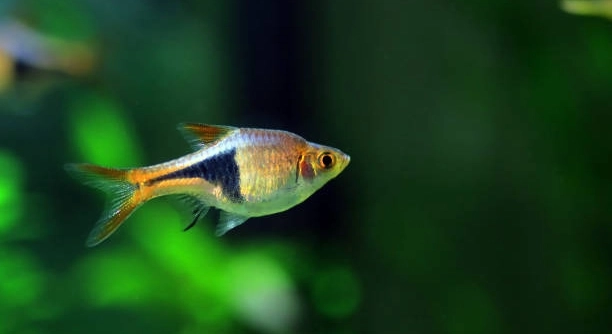
Not all rasboras are the same, and some are better suited for living with bettas than others. Harlequin rasboras are a popular choice because they are peaceful, small, and swim in groups, which helps reduce stress on the betta. Other species, like the chili rasbora, are very tiny and quick, making them less likely to be targeted. Avoid larger or more aggressive rasboras, which might provoke the betta or become stressed themselves. When selecting rasboras, consider their size, temperament, and schooling habits to ensure they match well with your betta’s personality and tank size.
Choosing smaller, peaceful rasboras reduces the risk of conflict and helps maintain a calm aquarium.
It’s important to keep rasboras in groups since they rely on schooling for security and natural behavior. A group of six or more provides comfort and lessens the chance the betta will single out one fish. Also, provide plenty of plants and hiding spaces for the rasboras to retreat to when needed. Feeding routines that keep all fish well-nourished will reduce competition and aggression. By carefully selecting the right species and maintaining proper conditions, you can enjoy a diverse and lively tank where both bettas and rasboras live comfortably.
Tank Setup for Betta and Rasbora
A proper tank setup is essential for keeping bettas and rasboras together peacefully. Size, plants, and hiding spots all play important roles.
At least a 10-gallon tank is recommended to provide enough space for both species. Plants like Java fern, Anubias, and floating varieties create cover and break line of sight, reducing aggression. Adding decorations such as caves or driftwood gives fish places to hide and rest. A gentle filter and stable water conditions help maintain a healthy environment. Avoid strong currents, as bettas prefer calmer water while rasboras enjoy gentle movement. Regular water changes and monitoring water parameters like pH and temperature keep the tank comfortable for all inhabitants.
Proper lighting and substrate also contribute to a stress-free environment. A dark substrate can reduce reflections that might upset the betta, and subdued lighting helps fish feel secure. Avoid overcrowding by limiting the number of fish and providing plenty of swimming space. When these factors are balanced, bettas and rasboras can share a tank successfully with minimal conflict.
Monitoring and Adjusting
Continuous monitoring after introducing rasboras to a betta tank is important. Watch for signs of stress or aggression.
If the betta shows persistent chasing or nipping, it may be necessary to separate the fish. Sometimes rearranging the tank decorations can reset territorial boundaries and ease tensions. Observing feeding behavior is also key; if some fish are being bullied away from food, adjustments to feeding methods or tank mates might be needed. Patience is important—some fish take time to adjust, while others may never fully accept each other.
Regularly check water quality to prevent stress caused by poor conditions, which can increase aggression. Keep a close eye on both betta and rasboras’ health and behavior over time. Making changes gradually and calmly helps maintain a peaceful community tank.
Feeding Habits and Compatibility
Both bettas and rasboras have similar dietary needs, making feeding easier. They both enjoy small, protein-rich foods like flakes, pellets, and frozen or live brine shrimp.
It’s important to feed them small portions multiple times a day to avoid overfeeding and keep water quality high. Feeding together encourages peaceful mealtime behavior.
Common Signs of Stress in Betta and Rasbora
Stress in bettas and rasboras can show in various ways, such as hiding, loss of color, or erratic swimming. Early detection helps prevent health problems and aggression.
Watch for changes in appetite and behavior, which often indicate discomfort or tank issues. Adjustments in environment or diet may be necessary to improve their well-being.
Water Parameters
Keeping stable water conditions is key for both species. Ideal temperature ranges from 75 to 80°F, with a pH between 6.5 and 7.5.
Regular testing ensures ammonia, nitrite, and nitrate levels stay low, preventing stress and disease. A clean, well-filtered tank supports healthy fish and reduces conflicts.
Tank Mates to Avoid
Aggressive or fin-nipping fish should not be housed with bettas and rasboras. They can cause injury and increase stress.
Avoid large or overly active fish that compete for space or food.
FAQ
Can bettas and rasboras live together peacefully?
Yes, bettas and rasboras can live together peacefully if the tank is large enough and properly planted. Bettas need space to establish their territory, and rasboras should be kept in groups to reduce stress. Providing hiding spots and monitoring fish behavior helps maintain peace.
What tank size is best for bettas and rasboras?
A minimum of 10 gallons is recommended. This size allows enough room for the betta to claim territory and for rasboras to swim freely in schools. More space is always better to reduce aggression and overcrowding.
Which rasbora species is safest with bettas?
Harlequin rasboras are a popular choice because they are peaceful and swim in groups. Chili rasboras also work well due to their small size and quick movements, making them less likely to provoke a betta.
How many rasboras should I keep with a betta?
It’s best to keep at least six rasboras. They feel more secure in groups, which helps prevent the betta from targeting individual fish. Small schools also encourage natural behavior and reduce stress.
What should I feed bettas and rasboras?
Both bettas and rasboras thrive on a diet of high-quality flakes or pellets made for tropical fish. Supplement with frozen or live foods like brine shrimp or daphnia to provide protein and variety.
How often should I feed my fish?
Feed small portions two to three times a day. Avoid overfeeding, as leftover food can pollute the tank and cause water quality problems, which stress the fish.
What are signs of aggression between bettas and rasboras?
Signs include chasing, fin nipping, hiding, and flared fins from the betta. If rasboras are frequently darting away or losing color, this can also indicate stress from aggression.
What can I do if my betta is aggressive toward rasboras?
Try rearranging tank decorations to disrupt territorial boundaries. Adding more plants and hiding spots can help. If aggression continues, separating the fish temporarily or permanently may be necessary.
How important is water quality for these fish?
Water quality is very important. Both bettas and rasboras prefer clean, stable water. Regular water changes and testing for ammonia, nitrites, and nitrates help keep the environment safe and reduce stress.
What temperature is best for bettas and rasboras?
A stable temperature between 75°F and 80°F suits both species. Sudden changes in temperature can stress fish and increase the chance of illness.
Can I keep other fish with bettas and rasboras?
It’s best to avoid aggressive or fin-nipping fish. Peaceful species that don’t compete for territory or food are better tank mates. Research each species carefully before adding them.
How can I tell if my fish are stressed?
Look for changes like hiding more often, loss of color, erratic swimming, or decreased appetite. These signs often mean something in the tank environment needs adjustment.
Do bettas and rasboras require different water conditions?
Their water requirements are quite similar, making them compatible tank mates. Both prefer slightly acidic to neutral pH and moderate temperature ranges.
Is it necessary to quarantine new fish?
Yes, quarantining new fish for at least two weeks helps prevent introducing diseases to your main tank. It also allows you to observe behavior before mixing species.
How can I encourage schooling behavior in rasboras?
Keep at least six rasboras together and provide open swimming space. This helps them feel safe and display natural group movement, which lowers stress levels.
What decorations are best for a betta and rasbora tank?
Use live or silk plants, caves, and driftwood. These create hiding places and break lines of sight, helping reduce territorial aggression and providing comfort for all fish. Avoid sharp decorations that could damage fins.
Are floating plants beneficial?
Yes, floating plants give bettas shade and help reduce light intensity, creating a calm environment. They also provide cover for rasboras and help improve water quality by absorbing nutrients.
How long does it take for bettas and rasboras to adjust to living together?
Adjustment times vary. Some fish settle quickly within a few days, while others may take several weeks. Continuous monitoring helps ensure peaceful coexistence.
What should I do if rasboras hide all the time?
Check for signs of bullying or poor water conditions. Adding more hiding spots and making sure the betta is not overly aggressive can encourage rasboras to feel safer and swim more openly.
Can a betta kill rasboras?
In some cases, yes. Aggressive bettas may injure or kill smaller or slow-moving fish. Proper tank size, hiding places, and selecting calm bettas reduce this risk.
How often should I clean the tank?
Perform partial water changes of 20-30% weekly. Regular cleaning maintains water quality and reduces toxins, helping fish stay healthy and less stressed.
Is lighting important for these fish?
Moderate lighting is best. Too bright can stress bettas and rasboras, while too dim may affect plant growth. Using a timer helps keep a consistent day-night cycle.
What are the signs of a healthy betta and rasbora?
Bright colors, active swimming, normal appetite, and smooth fins indicate good health. Both fish should display their natural behavior, such as schooling in rasboras and exploring in bettas.
Can bettas and rasboras breed in the same tank?
Breeding bettas or rasboras requires separate setups. Bettas can be aggressive during breeding, and rasboras need specific conditions. It’s best to avoid mixing breeding fish in community tanks.
What is the best way to introduce rasboras to a betta tank?
Introduce rasboras after setting up plants and hiding places. Add them in groups, preferably when the betta is well-fed and calm. Watch closely for signs of aggression during the first few days.
Should I rearrange tank decorations when adding new fish?
Yes, rearranging decorations can help break up territories and reduce aggression. It also encourages fish to explore new spaces rather than defend old ones.
What water parameters should I test regularly?
Test ammonia, nitrite, nitrate, pH, and temperature weekly. Keeping these stable ensures a healthy environment and reduces stress and disease risks.
Can rasboras live alone?
No, rasboras are schooling fish and need groups of six or more. Alone, they become stressed, lose color, and may hide or refuse to eat.
What happens if I overstock my tank?
Overstocking causes poor water quality, stress, and increased aggression. Fish may fight or become sick. Keeping a balanced number of fish prevents these issues.
Is it okay to mix different types of rasboras?
Mixing peaceful rasbora species is usually fine if tank space is sufficient. However, some species have different needs or temperaments, so research compatibility carefully.
How do I know if my betta is happy with tank mates?
A calm betta that swims normally, flares only occasionally, and doesn’t chase other fish shows signs of acceptance. If the betta appears relaxed, it’s likely comfortable with its companions.
What should I do if fish become sick?
Quarantine sick fish and treat them with appropriate medications. Maintaining good water quality and reducing stress helps prevent illness. Consult an aquatic specialist if unsure.
Are there any plants that bettas dislike?
Bettas usually tolerate most plants, but sharp or rough leaves may cause fin damage. Soft-leaf plants like Java fern or Anubias are safer choices.
Can lighting affect betta aggression?
Bright or constant lighting can increase stress and aggression in bettas. Providing shaded areas and a regular light cycle helps keep behavior calm.
Is it better to feed live or frozen foods?
Both live and frozen foods provide important nutrients. Frozen foods are convenient and safer from parasites, while live foods encourage natural hunting behavior.
How long do bettas and rasboras live?
Bettas typically live 3-5 years, and rasboras about 4-6 years with proper care. Maintaining good conditions and diet supports their lifespan.
Keeping bettas and rasboras together can be rewarding but requires careful planning. Both fish have different personalities and needs, so it’s important to provide a suitable environment. A spacious tank with plenty of plants and hiding spots helps reduce stress and aggressive behavior. Bettas are territorial, so having enough room and cover lets them feel secure without seeing other fish as threats. Rasboras are peaceful schooling fish that do best in groups of six or more. When these conditions are met, they can share a tank without major problems.
It is important to observe your fish regularly after introducing rasboras to a betta’s tank. Fish may take time to adjust, and their behavior can change as they get used to each other. Look for signs of stress or aggression, like chasing or hiding, and be ready to make adjustments if needed. Rearranging plants or decorations can help break territorial boundaries and calm the betta. Sometimes, separating the fish temporarily may be necessary if the betta is too aggressive. Paying attention to feeding habits and water quality also plays a big role in maintaining a peaceful tank.
Overall, patience and good tank management are key to success. Knowing your betta’s personality and choosing the right rasbora species make a big difference. Providing a stable, clean environment with proper feeding and regular monitoring supports the health and happiness of all fish. By creating a balanced tank with care, it is possible to enjoy the beauty and activity of both bettas and rasboras living together. With time, you’ll learn what works best for your fish and be able to maintain a calm and attractive community aquarium.

Hello,
If you enjoy the content that we create, please consider saying a "Thank You!" by leaving a tip.
Every little bit helps us continue crafting quality advice that supports the health, happiness, and well-being of pets around the world, for pets of all shapes, sizes, and species.
We really appreciate the kindness and support that you show us!