
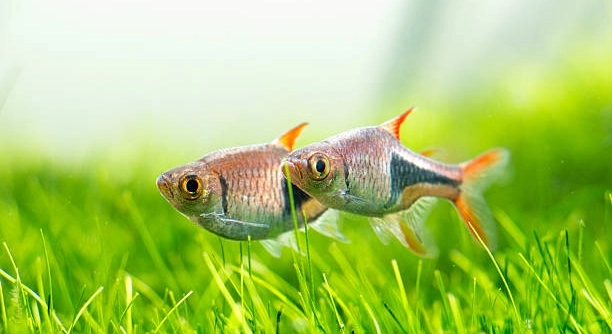
Have you ever brought home a group of rasboras, only to realize you still have so many questions about their care?
Rasbora owners often ask about tank mates, feeding habits, ideal water conditions, and breeding behavior. These questions stem from a desire to create a safe, healthy, and thriving environment for these peaceful freshwater fish.
From tank setup to their social needs, each detail plays a role in keeping your rasboras content and healthy in your aquarium.
What do rasboras need in their tank?
Rasboras are peaceful schooling fish that thrive in clean, stable environments. They prefer a planted tank with soft lighting and plenty of swimming space. A 10-gallon tank is usually the minimum for a small group, but larger is always better. Stick to a gentle filter to avoid strong currents. Use a heater to keep the water between 72–80°F (22–27°C). Maintain a pH between 6.0 and 7.5. Add live or silk plants, smooth substrate, and a few hiding spots for comfort. Keep nitrate levels low and test your water weekly to ensure everything stays balanced and safe.
Rasboras are sensitive to poor water quality and sudden changes. Weekly partial water changes help maintain good conditions.
They do best in groups of at least six of their own kind. Keeping them in a group helps reduce stress and brings out natural behavior. Avoid aggressive tank mates that may nip at their fins. Peaceful community fish like neon tetras, corydoras, or shrimp are good choices. Always cycle the tank before adding rasboras, and monitor their behavior closely after introducing new fish. A well-set environment helps them stay healthy and display their best colors.
What do rasboras eat?
Rasboras are not picky but do best with variety in their diet. Feed a mix of flakes, micro pellets, and occasional frozen or live treats.
They enjoy brine shrimp, daphnia, and bloodworms as a supplement to their main diet. Feed small amounts twice daily and only what they can eat in two minutes. Overfeeding can lead to water quality problems, so it’s important to stay consistent and observant. Rotate their food types to ensure they get all the nutrients they need. Look for food sized for small mouths, as rasboras are tiny and prefer bite-sized pieces. Crushed flakes or micro pellets are ideal. If they ignore their food, check for signs of illness or water issues. A healthy rasbora is active and eager during feeding. By keeping their meals balanced and portions small, you’ll help your fish stay energetic and vibrant. Their diet directly affects their health and how well they adapt to tank life.
How often should I clean the tank?
Partial water changes once a week are ideal for rasbora tanks. Remove about 25% of the water and replace it with fresh, treated water. This helps keep nitrate levels low and the water stable.
In addition to weekly water changes, gently vacuum the substrate to remove uneaten food and debris. Clean the filter media monthly by rinsing it in tank water, never tap water. Tap water can kill helpful bacteria that keep the tank balanced. Avoid deep cleanings that disturb the biological filter. Wipe algae off the glass with a soft cloth or sponge. Try not to disrupt plants and decorations too often, as this can stress your fish. Maintaining a routine helps prevent cloudy water and keeps your rasboras active and healthy.
Over-cleaning can cause more harm than good. A healthy tank has some natural bacteria and biofilm. Focus on maintaining balance rather than keeping everything spotless. Sudden changes in water chemistry from aggressive cleaning can stress or harm your rasboras. Watch for signs like dull colors, gasping, or hiding after cleaning. If you see these, test your water and adjust your routine. The goal is to keep conditions consistent and stable without overdoing maintenance.
Why do my rasboras chase each other?
Mild chasing is normal for rasboras, especially when establishing a pecking order. It’s more common in small groups or during feeding times and usually isn’t a cause for concern.
If you notice frequent or aggressive chasing, it may be due to stress, overcrowding, or a lack of space. Make sure your rasboras are kept in a group of at least six. In smaller numbers, they become anxious and more likely to show unusual behavior. Add more plants or decorations to break up the line of sight and give them areas to retreat. A bigger tank helps reduce competition for space. Also, check for other tank mates that may be stressing them out. Aggression is rare in rasboras, but environmental issues can bring it out. When their needs are met, rasboras usually swim peacefully and stick together.
Why are my rasboras hiding?
Rasboras often hide when they feel unsafe or stressed. This can happen if the tank is too bright, noisy, or lacks enough cover like plants or decorations. Adding more hiding spots can help them feel secure.
Sudden changes in water temperature or poor water quality can also cause hiding. Check the tank conditions and make sure all parameters are stable and within the right range.
Do rasboras sleep?
Rasboras don’t sleep like humans, but they do rest. At night, they become less active and often stay in one spot near the bottom or among plants. Their colors may fade slightly, which is normal. Keep the lights on a timer to give them a regular day and night cycle.
Can rasboras live alone?
Rasboras are schooling fish and should never be kept alone. A single rasbora will become stressed, hide often, and may lose interest in food. Always keep them in a group of at least six.
FAQ
Can rasboras live with bettas?
Yes, rasboras can live with bettas in many cases, but it depends on the temperament of the betta. Some bettas are calm, while others are territorial. Choose peaceful rasbora species like harlequins or chili rasboras, and always monitor their interactions. Provide enough space, plants, and hiding spots to reduce tension. Avoid fin-nipping fish and make sure everyone has enough room to swim.
Do rasboras need an air pump?
Rasboras don’t need an air pump if your tank has good surface movement from a filter. Proper oxygen exchange happens when the water surface is agitated slightly. If your tank feels too still or the rasboras seem to gasp at the surface, an air stone can help. But in most cases, it’s not required.
Why are my rasboras losing color?
Color loss in rasboras can be caused by stress, poor water quality, or illness. Check your water parameters and make sure their tank mates aren’t bothering them. Stress from sudden changes, loud noise, or overcrowding can also affect their appearance. A balanced diet and stable tank conditions help restore and maintain their color.
How long do rasboras live?
Most rasbora species live around 4 to 6 years with proper care. Some may live slightly longer in ideal conditions. A well-maintained tank, good food, and low-stress environment all contribute to a longer, healthier life. Regular water changes and a steady temperature also play a big part in keeping them well.
Do rasboras breed in home tanks?
Yes, rasboras can breed in home tanks, especially if conditions are right. They scatter their eggs among plants, and don’t care for their young. If you want to raise fry, use a breeding tank with fine-leaved plants or spawning mops. Remove the adults after eggs are laid to avoid them eating the eggs.
Can rasboras jump out of the tank?
Yes, rasboras can jump, especially if they’re startled or stressed. It’s best to keep a lid or cover on your tank at all times. Even a small gap can lead to escape. Make sure the water level isn’t too high and avoid sudden movements near the tank that could scare them.
Are rasboras good for beginners?
Yes, rasboras are a great choice for beginners. They are peaceful, hardy, and do well in community tanks. They don’t require complicated care and adapt to a range of water conditions. Just be sure to keep them in a group and maintain basic tank cleanliness and water quality.
Why are my rasboras swimming at the top of the tank?
If rasboras are constantly swimming at the top, it may be a sign of low oxygen levels or poor water quality. Check your filter and water parameters right away. They might also be looking for food if they associate that area with feeding. Fix any tank issues quickly to reduce stress.
Can rasboras live in cold water?
Rasboras are tropical fish and need a heated tank. Most prefer water temperatures between 72–80°F (22–27°C). Cold water slows down their metabolism and weakens their immune system. Use a reliable heater and thermometer to keep their environment stable and comfortable.
How many rasboras can I keep in a 10-gallon tank?
In a 10-gallon tank, you can keep a small school of six small rasboras, like chili or ember rasboras. Larger species, like harlequin rasboras, need more space. Overcrowding can lead to stress and water quality issues. Always prioritize swimming space and filtration when planning your stocking.
Final Thoughts
Rasboras are peaceful, colorful fish that do well in community tanks when given the right care. They are small, active swimmers that prefer to live in groups of their own kind. A school of six or more helps them feel safe and reduces stress. They are best suited for calm tanks with gentle water movement and soft lighting. When their environment feels stable, rasboras show bright colors and natural behavior. Their needs are not hard to meet, but they do require attention to detail. Clean water, steady temperature, and peaceful tank mates are all important for keeping them healthy.
Feeding rasboras is simple when you use a mix of foods. They enjoy flakes, small pellets, and occasional treats like frozen or live brine shrimp. A varied diet helps them stay strong and active. Avoid overfeeding, as leftover food can affect the water quality. Regular maintenance like weekly water changes, filter care, and testing helps prevent issues before they start. Rasboras also need cover like live or silk plants to rest and feel safe. Watching them swim together calmly is a good sign that their needs are being met. When something feels off—like hiding, dull color, or odd swimming—it’s usually a sign to check the tank.
Owning rasboras can be rewarding, especially when you understand their simple but specific care needs. They may be small, but their behavior is interesting and easy to follow. They often school closely, interact gently, and add quiet beauty to an aquarium. If you’re looking for a fish that brings life to a tank without being demanding, rasboras are a good fit. They’re also a strong choice for beginners who are ready to learn about water care and fish behavior. As long as you stay consistent and pay attention to changes, rasboras can thrive for several years. With a balanced setup and good habits, these fish can be a peaceful, active part of your aquarium.

Hello,
If you enjoy the content that we create, please consider saying a "Thank You!" by leaving a tip.
Every little bit helps us continue crafting quality advice that supports the health, happiness, and well-being of pets around the world, for pets of all shapes, sizes, and species.
We really appreciate the kindness and support that you show us!