
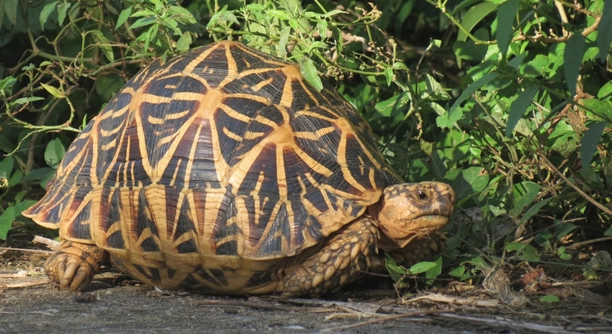
Creating an ideal outdoor turtle enclosure requires careful planning to ensure your turtle’s well-being. Turtles need a safe, comfortable space with the right environment to thrive. This guide covers seven simple steps to build the perfect outdoor home.
The best way to create a perfect outdoor turtle enclosure is by ensuring it has proper space, appropriate shelter, security, natural elements, and proper heating. Providing a safe and stimulating environment promotes the turtle’s physical and mental health.
Understanding how to set up a well-balanced outdoor space will make all the difference in your turtle’s comfort and happiness. These steps will help you create the right environment for your pet’s long-term care.
Step 1: Choose the Right Location
Selecting the right spot for your turtle’s enclosure is key. Turtles enjoy spending time outside in natural sunlight, so a sunny area is ideal. It’s also important to consider safety. Make sure the location is free from predators like dogs, cats, or wild animals that could harm your turtle. The enclosure should be placed in a secure, quiet space away from heavy traffic or constant disturbances.
Choosing a good location not only helps with your turtle’s health but also ensures they feel safe and comfortable. The area should be free of dangerous plants or chemicals that could harm them.
If possible, position the enclosure near natural elements like grass, shrubs, or a shallow pond. This provides your turtle with a more authentic environment that they will feel more at ease in. Additionally, consider how accessible the area is for maintenance and cleaning.
Step 2: Build a Secure Fence
A secure fence is essential to keep your turtle safe. It should be tall enough to prevent escapes and made of sturdy materials. Turtles can be surprisingly clever at finding their way out of an enclosure, so it’s crucial to make sure the fence is tall and dug deep into the ground.
The fence needs to be strong enough to withstand weather and any potential threats. A wooden or mesh fence can work well, as long as it is securely anchored and there are no gaps where your turtle can squeeze through. If you have small turtles, be sure to leave no space between the posts.
Turtles don’t need to be caged in tight spaces, but it is important that the fencing limits access to escape routes or any potential predators. Make sure the enclosure is well-enclosed and designed to last.
Step 3: Provide Proper Heating and Lighting
Your turtle needs heat and light to stay healthy. They are cold-blooded, meaning they rely on their environment to regulate body temperature. You can use a heat lamp to provide warmth, especially if the weather is cooler. Place it in one corner of the enclosure to create a temperature gradient, allowing your turtle to move between warmer and cooler areas as needed.
The light should mimic natural sunlight to help your turtle maintain proper circadian rhythms and to aid in vitamin D3 production, which is essential for calcium absorption. Choose UVB bulbs that offer both heat and UV light. These can be found at most pet stores. Position the light a few inches above your turtle’s basking area to ensure it reaches them effectively.
Make sure the light stays on for about 10 to 12 hours per day. During nighttime, turn off the light to let your turtle rest. If you’re in a particularly cold region, consider a ceramic heat emitter for nighttime warmth. By providing the proper lighting and heating, you help maintain your turtle’s health and overall well-being.
Step 4: Add Water Features
Turtles love water, so including a pond or pool in the enclosure is a must. They need water to swim, soak, and stay hydrated. Depending on your space, the water feature can be as simple as a shallow kiddie pool or a more elaborate pond with filtration systems. It’s important that the water is clean and free of chemicals that could harm your turtle. You can use a small filter or change the water regularly to maintain cleanliness.
The depth of the water should be appropriate for the size of your turtle. Some turtles like to swim, while others prefer just to soak, so make sure the water area is large enough for them to feel comfortable. It’s also helpful to add rocks or logs inside the water for your turtle to climb onto. This gives them a place to rest, bask, and regulate their body temperature.
If you’re using a pond, make sure there are no sharp edges or areas where your turtle could get stuck. Keep the water temperature steady by using a water heater if necessary. Your turtle will appreciate the opportunity to swim, soak, and enjoy a naturalistic environment.
Step 5: Offer Shelter and Hiding Spots
Providing a hiding spot is essential for your turtle’s comfort and security. Turtles are naturally shy and need a safe space where they can retreat when feeling stressed or threatened. A simple wooden box or a few large rocks can provide the perfect hiding spot. Adding shelter also helps your turtle stay out of harsh weather conditions like rain or too much direct sun.
Shelter not only protects from weather but also offers a sense of security. You can place the shelter under a shaded area of the enclosure so your turtle can choose to hide away from the sun when it’s too hot. If you’re using natural materials, make sure there are no sharp edges that could hurt your turtle.
Turtles may need several hiding spots, especially if you have multiple turtles in the same enclosure. This allows them to have privacy when they need it. It’s also a good idea to position shelters away from feeding or basking areas to reduce stress during those times. The shelter should be spacious enough for your turtle to comfortably retreat into and rest.
Step 6: Monitor the Environment
Regularly check the temperature, humidity, and water quality to ensure the enclosure remains suitable for your turtle. Turtles are sensitive to changes in their environment. You should also be mindful of the light’s intensity and duration. Monitoring these factors will help you keep your turtle healthy and comfortable.
Invest in a thermometer and hygrometer to keep track of temperature and humidity levels inside the enclosure. Make sure the basking area is warm enough, around 85-90°F, while the cooler side of the enclosure should be closer to 75-80°F. Check the water temperature and adjust if necessary to keep it within a safe range.
It’s essential to clean the enclosure regularly, especially the water. Changing the water frequently and ensuring the filtration system works well will prevent the growth of harmful bacteria. By staying on top of these factors, you help create a stable environment that supports your turtle’s health and happiness.
Step 7: Regular Care and Maintenance
Turtles require consistent care to stay healthy. Feed your turtle a balanced diet that includes both protein and plant-based foods. Make sure to remove any uneaten food from the enclosure to prevent it from decomposing in the water. Regularly check the enclosure for any damages and repair them as needed.
Your turtle also needs routine check-ups with a vet, particularly for health concerns like shell rot or parasites. Keeping the enclosure clean, free from waste, and maintaining a proper diet will help keep your turtle thriving. Routine care will also ensure that your turtle’s environment remains in top condition.
FAQ
How much space does my turtle need in its outdoor enclosure?
The size of the enclosure depends on your turtle’s species, but generally, you should aim for a minimum of 10 square feet for a small turtle. Larger species will need more space. A good rule of thumb is that the enclosure should be large enough for the turtle to move around, swim, and bask comfortably. If you’re keeping multiple turtles, ensure there’s enough room for them to avoid overcrowding, as this can lead to stress or territorial behavior. More space is always better when it comes to ensuring a healthy, happy turtle.
Can I leave my turtle outside in the winter?
Turtles are cold-blooded, so they become less active in colder weather. Most turtles can’t survive freezing temperatures outdoors. If you live in a region where winter temperatures drop too low, it’s essential to bring your turtle inside or provide a heated, insulated shelter. Some hardy species may tolerate cooler temperatures, but they will still need protection from freezing conditions. Check the specific needs of your turtle species to ensure they stay safe during the colder months. If needed, build or purchase a turtle-safe indoor enclosure for the winter.
How often should I clean the turtle’s enclosure?
Cleaning the enclosure is vital for your turtle’s health. You should remove any leftover food and waste daily to maintain water quality and prevent bacteria growth. Depending on the size of the water feature and the number of turtles, you may need to change the water completely every week or two. The entire enclosure should be cleaned thoroughly every month. This includes scrubbing the surfaces, checking for any mold, and disinfecting as necessary. A well-maintained enclosure will help keep your turtle healthy and comfortable.
What should I feed my turtle?
Turtles need a balanced diet that includes both animal-based and plant-based foods. A good mix would be commercial turtle pellets, leafy greens like kale and spinach, fruits such as strawberries and apples, and protein like insects or small fish. It’s important to feed your turtle food appropriate for its species. Some turtles are omnivores, while others are strictly herbivores or carnivores. Consult a vet or a turtle care expert to ensure you’re feeding your turtle the right diet. Be sure to remove any uneaten food to prevent water contamination.
How do I make sure my turtle gets enough sunlight?
Turtles need natural sunlight or a UVB light to maintain proper health. UVB rays help turtles produce vitamin D3, which is necessary for calcium absorption and healthy shell growth. If you’re keeping your turtle outdoors, make sure their enclosure has enough sun exposure during the day, typically about 10-12 hours of sunlight. If you cannot provide natural sunlight, use a UVB bulb, but make sure it’s positioned correctly for your turtle to access. Keep in mind that turtles also need a shaded area to escape the direct sun and regulate their body temperature.
How do I prevent my turtle from escaping the enclosure?
Turtles can be surprisingly good at finding ways to escape, so securing the enclosure is essential. The fence should be tall enough, around 1-2 feet, and buried a few inches into the ground to prevent digging out. Ensure there are no gaps large enough for your turtle to squeeze through, as they can fit through surprisingly small spaces. You can use a mesh or wooden fence to create a secure barrier, and regularly check the enclosure for signs of potential escape routes. Make sure the lid or door is secured tightly if your enclosure has a top.
Should I add other animals to the turtle’s enclosure?
It’s usually best to keep your turtle in its own enclosure, especially if you have other pets like fish, birds, or mammals. Turtles can become territorial and may not get along with other animals. Introducing other species could cause stress or lead to aggression, even injury. However, some turtles may tolerate other turtles, particularly of the same species. If you do choose to add other animals, make sure to monitor their interactions closely and provide separate spaces for eating and sleeping. Always consider the size and temperament of all animals involved.
How do I provide my turtle with a comfortable basking area?
A proper basking area is important for your turtle’s health. The basking spot should be dry, flat, and accessible. You can create this area using flat rocks, logs, or platforms. Make sure it’s in the warm part of the enclosure, where the heat from the lamp or sunlight can reach it. Your turtle should be able to climb onto the basking area easily and dry off after swimming. The basking spot should be large enough for your turtle to stretch out and completely warm its body. Make sure the area is safe, stable, and free from sharp edges.
How can I prevent parasites in my turtle’s enclosure?
Parasites can pose a serious threat to your turtle’s health, so keeping the enclosure clean is crucial. Regularly remove waste and uneaten food, as they can be breeding grounds for harmful bacteria and parasites. A good filtration system will help maintain water quality, but it’s important to change the water regularly to prevent buildup. Quarantining any new turtles or other animals before introducing them to the enclosure can prevent the spread of parasites. If you notice symptoms like lethargy, shell discoloration, or unusual behavior, consult a vet for diagnosis and treatment.
Creating the perfect outdoor turtle enclosure is a rewarding process that ensures your turtle has a safe, healthy, and comfortable environment. By focusing on key factors like space, shelter, water features, and proper heating, you can provide a habitat that closely resembles the natural world. Each step is important, from choosing the right location to maintaining the enclosure regularly. With the right setup, your turtle will have plenty of room to explore, swim, bask, and stay active.
Proper care and maintenance are essential for keeping your turtle happy and healthy. Regular cleaning, monitoring temperature and humidity, and providing fresh food and clean water will go a long way in preventing health issues. Checking your turtle’s enclosure every few days for any damage, waste, or potential escape routes will help you spot any issues early. Regularly visiting a vet for health check-ups is also a good idea to make sure everything is on track.
Remember that every turtle is unique, and its needs might vary depending on the species. Researching your specific turtle’s habits and preferences will help you create the ideal environment for it. Whether your turtle is a land-dwelling species or a more aquatic one, adjusting the enclosure to fit its specific requirements is the best way to ensure it lives a long, healthy life. By following these simple steps, you can enjoy the company of your turtle and give it a comfortable, secure home outdoors.

Hello,
If you enjoy the content that we create, please consider saying a "Thank You!" by leaving a tip.
Every little bit helps us continue crafting quality advice that supports the health, happiness, and well-being of pets around the world, for pets of all shapes, sizes, and species.
We really appreciate the kindness and support that you show us!