
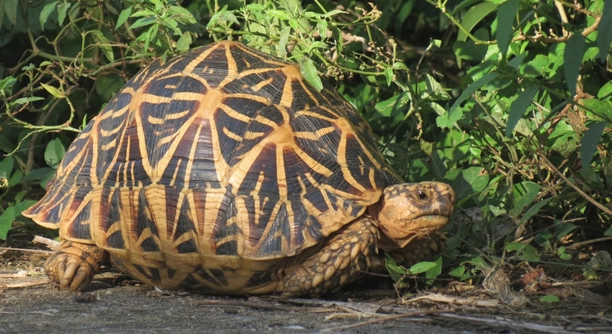
Turtles are fascinating pets, but sometimes their behavior can be confusing. If your turtle constantly seems to be trying to bite you, you’re not alone. This common issue often stems from their natural instincts or environment.
Turtles may try to bite due to various reasons, including hunger, territoriality, or stress. It’s important to understand their body language and behaviors to determine what might be triggering their biting tendencies.
Knowing why your turtle bites can help you create a better environment for them. Understanding their needs and behavior can lead to a happier, healthier pet.
Why Turtles Bite: Natural Instincts at Play
Turtles often bite because it’s part of their natural instinct. In the wild, they may need to protect themselves from predators or assert dominance in their territory. When kept as pets, they may still display these behaviors. If your turtle is biting you, it’s not personal—it’s simply a reaction to feeling threatened, hungry, or territorial. Their bite might also be a sign of frustration if they feel stressed or unsafe in their environment. Understanding these instincts is key to managing their behavior.
Their natural need for space and security can sometimes make them more prone to bite if they feel confined or overwhelmed.
Proper care and a well-maintained tank can help reduce biting by making your turtle feel more secure. Make sure they have enough space, proper food, and the right temperature to thrive. When these basic needs are met, your turtle will be less likely to act out.
Hunger or Miscommunication
Turtles often bite because they’re hungry. They may mistake your fingers for food, especially if they’re used to being fed in the same area. You can avoid this by feeding them on a regular schedule and teaching them to recognize their food from your hand. This helps prevent confusion and unnecessary bites.
Feeding your turtle at set times helps create a routine, making them less likely to bite out of hunger.
Stress and Fear as Triggers
Stress is a common reason for turtle biting. If your turtle feels frightened or stressed, they may react defensively. Moving them too quickly or handling them too often can cause anxiety. Turtles need time to adjust to new environments, and constant disruptions can make them feel unsafe.
When a turtle is stressed, it may display other signs like hiding or excessive swimming. To help ease their stress, ensure that their habitat is stable and peaceful. Avoid loud noises or sudden movements near their tank. You can also provide hiding spots to give them a sense of security.
It’s important to be patient with your turtle and allow them time to adapt to their environment. Being mindful of their needs and giving them space will reduce the chances of them biting out of fear or anxiety. With proper care and attention, most turtles will eventually feel more at ease.
Territorial Behavior
Turtles can be territorial, and biting may be a way of asserting dominance over their space. If you have more than one turtle or if your turtle’s habitat is too small, they might feel threatened. This can lead to defensive behavior, such as biting.
Providing enough space and a proper environment can help reduce territorial behavior. If you have multiple turtles, make sure they each have their own space and hiding places. This gives them a sense of control and reduces the likelihood of them feeling the need to bite when their territory is invaded.
Overhandling Your Turtle
Turtles may bite if they are overhandled. If you pick them up too often or hold them too tightly, they can become stressed. Handling them should be minimal and gentle. Let them explore their environment and approach you at their own pace to avoid triggering defensive behaviors.
Overhandling can make them feel trapped or threatened. When you do handle your turtle, be sure to keep movements slow and calm. Always support their body to reduce discomfort. Over time, they will become more comfortable with being handled, reducing the chance of biting out of fear.
Unfamiliar Surroundings
A change in environment can cause a turtle to bite. If you move them to a new tank or even change their tank setup, they might feel unsettled. It can take time for turtles to adjust to changes in their surroundings.
Give them time to get used to the new environment. The more stable and consistent their habitat, the less likely they are to bite out of confusion or discomfort. Introduce changes slowly so they can acclimate without feeling overwhelmed.
FAQ
Why does my turtle bite me when I feed it?
Turtles may bite during feeding because they mistake your fingers for food. This is especially true if they’re very hungry or excited. Over time, your turtle will likely learn the difference between your hand and their food if you feed them regularly and consistently. To avoid bites, try using tongs or a feeding dish to deliver food. This will help them associate the food with the correct source and not your fingers. If your turtle continues to bite while being fed, make sure they are being fed enough to prevent frustration.
How can I stop my turtle from biting me?
To prevent biting, you need to address the cause of the behavior. Make sure your turtle feels safe and secure in their environment. Reduce handling and allow your turtle to explore their tank without constant disturbance. If your turtle is hungry, feed them regularly and ensure they are getting the right amount of nutrition. If territorial behavior is an issue, providing more space or hiding spots can help. Being patient and observing your turtle’s body language is key to preventing future bites.
Is it safe to let my turtle bite me?
While a turtle’s bite is usually not dangerous, it can cause injury. The force of the bite varies depending on the species and size of the turtle, but it can result in cuts or bruises. Even small turtles can be surprisingly strong. If your turtle bites, avoid pulling your hand away suddenly, as this could cause more harm. Instead, gently move your hand away from their mouth. If you experience repeated biting, it’s important to figure out the underlying cause and address it, whether it’s hunger, stress, or territoriality.
Why is my turtle aggressive toward me?
Turtles may appear aggressive when they are actually feeling threatened or stressed. If they’re not used to handling or if their environment has changed, they might act defensively. Turtles can also be territorial and protective of their space, which could lead to biting if they feel you are invading it. Try to reduce their stress by keeping their environment stable and limiting handling. Gradually, your turtle may become more comfortable and less likely to act aggressively.
How can I make my turtle feel more comfortable?
To make your turtle feel more comfortable, you need to provide a calm and safe environment. Ensure their habitat is clean, appropriately sized, and has the correct water temperature and lighting. Turtles need a basking area and a place to hide where they can retreat when they feel stressed. Give your turtle time to acclimate to new environments, and avoid overhandling them. The more consistent their surroundings, the more at ease they will feel, reducing the likelihood of biting.
Can I train my turtle not to bite?
Turtles can learn to associate certain behaviors with actions, but training them like a dog may not be feasible. However, you can help your turtle feel more comfortable by handling them less and reinforcing positive interactions. For example, you can train them to recognize feeding times and offer food in a way that avoids biting. Being patient and giving your turtle time to adjust will naturally lead to better behavior. It’s important to remember that their biting behavior is usually a response to natural instincts or stress.
What should I do if my turtle bites me?
If your turtle bites, it’s essential to stay calm. First, don’t panic or jerk your hand away, as this could cause more injury. Gently remove your hand or fingers from their mouth. Clean any wound with mild soap and water, and monitor for signs of infection. If you experience severe pain or a deep bite, seek medical attention. You should also try to figure out why the biting occurred to prevent it from happening again. Reevaluate their environment, handling, and feeding routines to address any triggers.
Why is my turtle biting at the tank walls?
Biting at the walls of the tank may indicate that your turtle is either hungry, frustrated, or bored. They may be trying to get out of the tank or communicate their need for more space or stimulation. This behavior can also occur if the turtle is trying to find something to interact with, like food or a mate. To prevent this behavior, provide them with a proper hiding spot, more things to explore, or a larger tank if necessary.
Do different turtle species bite more than others?
Yes, certain turtle species are more likely to bite than others. For example, snapping turtles are known for being more aggressive and defensive, especially when they feel threatened. Other species, like red-eared sliders, can be more docile but still might bite if they feel scared or hungry. Understanding your turtle’s species and its behavior patterns can help you better handle their biting tendencies. In general, the more you provide them with a calm and secure environment, the less likely they are to bite.
Is there a connection between biting and mating behavior?
Yes, sometimes biting can be related to mating behavior. Male turtles often bite female turtles or objects in their tank during mating season. They might also display aggressive behavior toward other males. If this is the case, it’s important to separate males if you have more than one, as fighting can occur. Mating behavior is natural but should not result in injury. Providing a comfortable environment and ensuring that your turtle has everything it needs can reduce unwanted aggression during mating season.
Final Thoughts
Understanding why your turtle is biting is the first step in resolving the issue. Turtles may bite for various reasons, such as hunger, stress, territorial behavior, or even just out of instinct. Each turtle is different, so identifying the exact cause of the biting will help you figure out the best way to address it. It’s important to stay calm and patient when dealing with this behavior and to remember that biting is often not personal, but a natural response to their environment or feelings.
By creating a stable and comfortable environment for your turtle, you can reduce the chances of biting. Ensure they have enough space in their tank, appropriate lighting, and a proper temperature. A well-maintained habitat will help your turtle feel safe and secure. Additionally, avoid overhandling your turtle, as this can lead to stress. With time, most turtles will become more comfortable with their surroundings and less likely to bite. If you continue to experience biting despite taking these steps, you may need to reassess their care routine and possibly consult with a veterinarian for further advice.
Patience is key when it comes to caring for a turtle. With proper care and attention, your turtle can become less likely to bite over time. If you can identify the cause of the biting and make changes to their environment or routine, you’ll be able to create a better experience for both you and your turtle. Keep in mind that they are not being aggressive out of malice, but instead reacting to their natural instincts or stressors. Understanding and addressing their needs will help you form a stronger, safer bond with your turtle.

Hello,
If you enjoy the content that we create, please consider saying a "Thank You!" by leaving a tip.
Every little bit helps us continue crafting quality advice that supports the health, happiness, and well-being of pets around the world, for pets of all shapes, sizes, and species.
We really appreciate the kindness and support that you show us!