
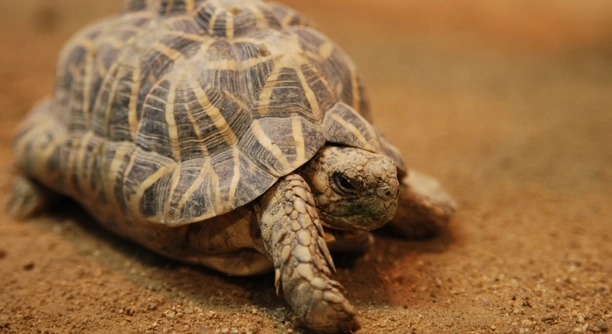
Sometimes, when you notice your turtle not moving its legs, it can be concerning. It’s important to address this behavior, as it could signal an issue with their health or environment.
The primary cause of your turtle not moving its legs may stem from a variety of factors, including temperature fluctuations, dehydration, or underlying health conditions. Proper care, such as a suitable habitat and balanced diet, is crucial for their well-being.
Turtles rely on their environment to stay active and healthy. Understanding the reasons behind this behavior can help you ensure your turtle’s comfort and vitality.
Common Reasons Why Turtles Don’t Move Their Legs
Turtles are generally slow-moving creatures, but if your turtle suddenly stops moving its legs, it can be concerning. A lack of movement may be a sign that something is wrong. Temperature is one of the most common factors. Turtles are cold-blooded, meaning they rely on their environment to regulate their body temperature. If their tank is too cold, they may become sluggish and inactive. Another possible issue is dehydration. Turtles need fresh water to stay hydrated, and if they don’t have enough, they can become weak and immobile. Additionally, health problems like infections or injuries could lead to decreased movement.
If your turtle isn’t moving its legs, make sure the habitat temperature is appropriate. Check if the water is clean and fresh. If these factors are in order and the problem persists, it might be a good idea to visit a vet.
Sometimes, turtles also become stressed by changes in their environment. A move to a new tank or unfamiliar surroundings can cause them to stop moving for a while. In such cases, give your turtle time to adjust to the new setting. Keep the tank clean, quiet, and safe to help reduce stress.
Health Issues That Can Affect Leg Movement
Leg movement issues could also be a result of underlying health conditions like respiratory infections, injuries, or shell problems. Turtles with respiratory infections might not move around much due to discomfort. Injuries, either from rough handling or accidents, can lead to temporary immobility. Shell rot is another health issue that can cause discomfort, making it difficult for your turtle to move.
If you suspect a health issue, it’s important to act quickly. Look for signs like swelling, discolored spots on the shell, or mucus around the nose. These signs indicate an infection or injury, which may require treatment from a veterinarian. The sooner you address it, the better.
Even small health issues can impact your turtle’s ability to move. A vet can provide guidance on how to treat specific health problems. Getting a professional opinion is always recommended to ensure your turtle’s well-being. With proper care, most leg movement problems can be resolved.
Temperature and Environment
Turtles depend heavily on their environment to stay healthy. If the water is too cold or the tank temperature is inconsistent, they might not move much. Always keep the tank between 75-85°F (24-29°C) for aquatic turtles and provide a basking area around 90°F (32°C).
If the water is too cold, your turtle may become inactive, as they cannot regulate their body temperature. A water heater can help maintain a consistent temperature. It’s also essential to have proper lighting, as UVB light helps turtles digest food and stay healthy. If the lighting is inadequate, it can cause stress, leading to immobility.
Turtles also need clean water to thrive. Stagnant or dirty water can cause discomfort and health issues. Make sure to clean the tank regularly and replace the water when necessary. A good filtration system helps maintain water quality, ensuring your turtle remains comfortable and active.
Dehydration and Diet
Turtles need access to fresh water at all times. If they’re not drinking enough, dehydration could make them sluggish or cause them to stop moving their legs. Ensure your turtle has constant access to clean water.
In addition to drinking water, a proper diet is key to their health and energy levels. Turtles need a balanced diet consisting of vegetables, protein, and occasional treats. Feeding them the wrong foods or overfeeding them can lead to weight issues, making them less active. The right amount of nutrients helps keep them moving and energetic.
If you notice your turtle not moving after eating, it could be because of a dietary imbalance. Consult a vet if you’re unsure about your turtle’s diet. Sometimes, a vitamin deficiency or poor food choices might be the reason for immobility.
Stress and Environmental Changes
Turtles are sensitive to changes in their environment. Moving to a new tank, rearranging decorations, or introducing new tankmates can stress them out. This stress can cause them to become less active. Keep the environment calm and stable to prevent this.
If your turtle has recently experienced a change, it may take time for them to adjust. A quiet and safe environment will help them feel secure again. Avoid sudden shifts and try to keep their living conditions as stable as possible to reduce stress levels.
Injury or Physical Problems
Injuries are another common reason turtles might stop moving. Whether it’s from rough handling, a fall, or a fight with other animals, any injury can make movement painful. Always check your turtle for any visible signs of injury.
If you find a wound or swelling, it’s best to consult a vet. They can properly assess the injury and provide appropriate care, including antibiotics or pain relief if needed. Some injuries might heal on their own, but others require professional attention.
FAQ
Why is my turtle not moving its legs?
There are several reasons why your turtle may not be moving its legs. The most common cause is temperature-related. If the tank is too cold, your turtle may become sluggish and less active. Turtles rely on heat from their environment to stay active, so a water heater and proper lighting can help. Other factors include dehydration, poor diet, stress, and possible injuries. A check-up with a vet can be helpful if none of these factors seem to be the issue.
What should I do if my turtle is not moving?
If your turtle is not moving, first check the temperature of the water and the basking area. Ensure the water is warm enough (75-85°F), and the basking spot is around 90°F. Clean water and a quiet environment also help reduce stress. If your turtle still refuses to move, you should consult a vet to rule out any health concerns, like infections or injuries.
How can I tell if my turtle is stressed?
Turtles show signs of stress in various ways, including reduced movement, hiding, or becoming more reclusive than usual. They may stop eating or basking. Stress can also cause them to swim erratically or try to escape their tank. If you notice these behaviors, try to identify any recent changes in the environment that could have triggered the stress. Keeping the tank clean, quiet, and stable usually helps reduce stress.
Can dehydration cause my turtle to stop moving?
Yes, dehydration can make your turtle sluggish. Turtles need access to fresh water at all times. If they’re not drinking enough, they can become weak, which can cause them to stop moving or become inactive. Make sure your turtle has constant access to clean water, and keep an eye on how much it’s drinking. If dehydration is the problem, providing a humid environment and misting the turtle’s shell might help.
What temperature should my turtle’s tank be?
Turtles need specific temperatures to stay active and healthy. The water should be between 75-85°F (24-29°C), and the basking area should be around 90°F (32°C). Without the right temperatures, your turtle can become inactive and may have difficulty digesting food. An aquarium heater and a UVB light can help maintain the right conditions.
Is it normal for my turtle to stop moving at night?
Yes, it’s completely normal for turtles to be less active at night. Turtles are not nocturnal, and they tend to slow down and rest during the night, much like most animals. If your turtle is only inactive at night, there’s no need to worry. However, if your turtle is inactive during the day as well, it could signal a health issue.
Could my turtle’s diet be affecting its activity level?
Yes, an improper diet can affect your turtle’s energy levels. Turtles need a balanced diet of vegetables, protein, and occasional treats. Feeding your turtle too many high-fat foods or not enough variety can lead to health issues, making your turtle less active. Make sure you’re offering a variety of foods to keep your turtle healthy and energetic.
What can I do to encourage my turtle to move more?
To encourage more movement, ensure your turtle has a clean, spacious tank with enough room to roam. Offer a varied diet to keep it healthy. Make sure the water temperature is appropriate, and the basking area is inviting. Turtles need both physical and mental stimulation, so try adding new tank decorations or objects for exploration. Keep the environment calm and stable, as stress can also cause reduced movement.
Should I be worried if my turtle isn’t moving for a few hours?
It depends on the situation. Turtles can sometimes become inactive for a few hours during the day or night, especially if they’re digesting food or resting. However, if your turtle is not moving for extended periods or seems unusually lethargic, it’s important to check their environment, temperature, and diet. If there’s no clear cause, a visit to the vet might be necessary to rule out health issues.
Can my turtle recover from an injury that causes it to stop moving?
Yes, many minor injuries can heal with proper care. If your turtle has a visible injury, like a cut or swelling, it’s best to take it to the vet for an assessment. They can provide the right treatment, whether that’s medication, pain relief, or a specific care plan. Minor injuries usually heal within a few weeks, but it’s essential to ensure there’s no infection or complications.
How can I tell if my turtle is injured?
Signs of injury in turtles include visible wounds, swelling, discoloration, or an inability to move one or more legs. If your turtle is limping, appears to be in pain, or is avoiding using a limb, it could have been injured. Always check for these signs and act quickly by contacting a vet to ensure proper care.
Final Thoughts
If your turtle isn’t moving its legs, it’s important to pay attention to the possible causes. Temperature, dehydration, stress, and diet are all factors that can affect your turtle’s activity levels. Turtles are cold-blooded animals, so they depend on their environment to regulate their body temperature. If the water is too cold or too warm, your turtle might become inactive. Ensuring the right water temperature, along with proper basking areas, can help your turtle stay active and healthy. Always check the temperature of both the water and the basking area to make sure they’re within the ideal range for your specific turtle species.
Stress can also be a major reason for immobility. Turtles can become stressed by changes in their environment, such as a new tank, different tankmates, or loud noises around their living area. A stressed turtle may stop moving or hide more often. Keeping the tank environment stable and quiet can help reduce stress. If you’ve recently made changes to your turtle’s habitat, give it time to adjust. Ensure that the environment is clean, with clean water and proper lighting, to support your turtle’s well-being. If you notice other signs of stress, like a lack of appetite or erratic swimming, it might be time to check in with a vet to make sure there aren’t any underlying issues.
When it comes to diet and hydration, providing your turtle with a balanced diet and constant access to clean water is essential. A proper diet helps maintain energy levels and promotes healthy movement. If your turtle is dehydrated or hasn’t been eating properly, it could become sluggish. Offering a mix of leafy greens, vegetables, and occasional protein sources like insects or fish can ensure that your turtle gets the right nutrients. Additionally, make sure your turtle has enough fresh water, as dehydration can cause a lack of movement. If all these factors seem in check and your turtle is still not moving, consulting a vet is always a good step. A professional can help rule out any health issues and guide you in providing the best care for your pet.

Hello,
If you enjoy the content that we create, please consider saying a "Thank You!" by leaving a tip.
Every little bit helps us continue crafting quality advice that supports the health, happiness, and well-being of pets around the world, for pets of all shapes, sizes, and species.
We really appreciate the kindness and support that you show us!