
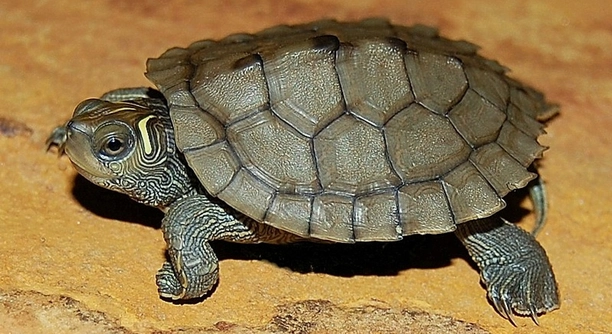
If you have a map turtle, you know that providing the right diet is key to its health and happiness. Proper nutrition can affect everything from their energy levels to their lifespan. But what is the perfect diet for a map turtle?
The ideal diet for a map turtle consists of a variety of foods such as leafy greens, vegetables, insects, and occasional fish. A balanced diet ensures proper growth, supports a healthy immune system, and promotes a long, happy life for your turtle.
Feeding your turtle the right foods is essential to meet its nutritional needs and keep it active. Let’s explore some of the best options for a map turtle diet and the most common feeding mistakes to avoid.
The Importance of a Balanced Diet for Your Map Turtle
A well-balanced diet for your map turtle helps to maintain its health, boosting its immune system and encouraging natural behaviors. Turtles are omnivores, meaning they need both plant-based foods and animal protein. Without proper nutrition, your turtle can develop shell deformities, poor growth, or even life-threatening conditions. This balance is essential, especially in young turtles who are still growing. A poor diet can also lead to obesity, which can shorten their lifespan and affect their mobility. To keep your turtle in top shape, providing the right mix of nutrients is crucial.
Map turtles are known for being picky eaters, so it’s important to keep their meals varied to prevent boredom. By offering a range of food, you can ensure they get all the necessary vitamins and minerals. Over time, this variety helps them thrive in captivity.
In addition to a balanced diet, map turtles also require proper habitat conditions to digest their food. A clean, well-maintained tank with proper heating and lighting is vital for their digestive health. Without these elements, their ability to absorb nutrients from food will decrease.
What to Feed Your Map Turtle
A map turtle’s diet should consist of a mix of fresh vegetables, live prey, and occasional fish. Vegetables like kale, collard greens, and dandelion greens are great choices. You can also feed them aquatic plants like duckweed and water lettuce.
Offering live insects, such as crickets or mealworms, is important for providing the animal protein map turtles need. Occasionally, small fish like guppies can also be given. These food choices are rich in essential nutrients, promoting strong bones and a healthy shell. By alternating between these food groups, your map turtle will enjoy both variety and balanced nutrition.
Common Feeding Mistakes to Avoid
Overfeeding can easily lead to health problems like obesity, which shortens a turtle’s lifespan. Many turtle owners make the mistake of feeding their pets too much, thinking it will keep them happy and healthy. However, portion control is key.
Another mistake is offering the wrong food too frequently. For example, feeding map turtles too much protein-rich food can cause kidney problems. It’s important to stick to a variety of vegetables and limit the amount of fish and insects they consume. A well-balanced diet includes roughly 70% plant-based foods and 30% animal-based foods, ensuring the right mix for your turtle’s needs.
Feeding your turtle in a clean environment is equally important. Leftover food in their tank can spoil quickly, which may lead to bacterial growth that could harm your turtle. Regularly removing uneaten food ensures your map turtle’s tank stays hygienic and its diet remains safe.
How Often Should You Feed Your Map Turtle?
The frequency of feeding depends on the age and size of your map turtle. Hatchlings need to eat daily, while adult turtles can be fed every other day. Feeding them too often can lead to unhealthy weight gain.
Feeding your map turtle at regular intervals is important for maintaining a stable routine. It helps to avoid overfeeding and makes it easier for you to track their nutritional intake. If your turtle refuses food, it could be a sign of an underlying issue, such as water temperature problems or health concerns. It’s crucial to monitor their eating habits closely.
Feeding a map turtle too infrequently can also lead to malnutrition. Younger turtles require more frequent meals as they grow, while adults need less but still benefit from regular feeding. Always observe your turtle’s growth and adjust its diet accordingly.
Feeding Map Turtles in Captivity
Map turtles in captivity require a well-rounded diet to stay healthy and active. They can thrive on a combination of fresh vegetables, live insects, and occasional fish. Be sure to provide fresh food daily and remove any leftovers to maintain a clean tank.
Feeding your map turtle live insects like crickets and worms can be a great source of protein. However, it’s important to keep the variety in their meals to avoid nutritional imbalances. A diet of only one type of food can lead to deficiencies, so always offer a mix of plant-based and animal-based options.
Commercial Turtle Food
Commercial turtle food can supplement your map turtle’s diet, but it shouldn’t be the main food source. Pellets are designed to provide essential nutrients, but they lack the variety that fresh foods offer. Use them in moderation.
Commercial food is convenient but can sometimes contain fillers and preservatives that are not ideal for your turtle’s health. Be sure to read the label to ensure you’re providing high-quality options. It’s best to offer these foods in small amounts alongside fresh vegetables, insects, and fish.
FAQ
What vegetables are safe for map turtles?
Map turtles can enjoy a variety of leafy greens and vegetables, such as kale, dandelion greens, collard greens, and water lettuce. These provide important vitamins and minerals. Avoid feeding them iceberg lettuce, as it offers little nutritional value. Offering a variety of greens ensures your turtle gets a balance of nutrients.
Can map turtles eat fruit?
Yes, map turtles can eat fruit, but it should be offered sparingly. Fruits like strawberries, blueberries, and apple slices can be given as occasional treats. Too much fruit can lead to digestive issues or an unbalanced diet. Make sure to remove seeds from fruits like apples to avoid choking hazards.
How much should I feed my map turtle?
The amount you feed your map turtle depends on its size and age. Generally, young turtles need to be fed daily, while adults can be fed every other day. A good rule of thumb is to provide enough food that can be consumed in 15-30 minutes. Remove any uneaten food to prevent water contamination.
Can map turtles eat fish?
Map turtles are omnivores and can eat small fish, like guppies or minnows. Fish provides protein, which is essential for their diet. However, it should only be offered occasionally, as too much animal protein can lead to kidney problems. Freshwater fish is preferred over saltwater fish to avoid introducing harmful bacteria.
Should I feed my turtle in the water or on land?
Feeding your map turtle in the water is usually the best option. This mimics their natural behavior, as they often feed in aquatic environments. If you are feeding leafy greens or other plant-based foods, it’s okay to offer them on land. Just ensure the food is easily accessible for your turtle.
How do I know if my map turtle is underfed or overfed?
An underfed map turtle may appear lethargic, have a slow growth rate, or show signs of weight loss. An overfed turtle may become overweight, and its shell could become soft. Check your turtle’s body regularly and ensure they are eating the right amount. Consult with a vet if you’re unsure about their feeding habits.
Can map turtles eat insects other than crickets and worms?
Yes, map turtles can eat a variety of insects. You can offer mealworms, grasshoppers, or even small beetles. These insects provide necessary protein for their diet. Always be sure to feed them live, gut-loaded insects, as this ensures they are healthy and full of nutrients.
Are there any foods I should avoid feeding my map turtle?
Avoid feeding your map turtle processed foods, including human snacks, such as chips or cookies. These can cause health issues. Other foods to avoid include garlic, onions, and avocado, as they are toxic to turtles. Stay away from high-fat or sugary foods, as these can lead to obesity.
How can I make my map turtle’s diet more interesting?
To keep your map turtle engaged and interested in their food, vary their diet often. Try offering different types of vegetables and insects, and consider adding live plants to their tank. You can also provide food in different ways, such as floating it in the water or hiding it in various tank locations.
Can map turtles eat commercial turtle pellets every day?
Commercial turtle pellets can be part of your map turtle’s diet but should not be fed daily. They can be used as a supplement but should be offered alongside fresh vegetables, fruits, and animal protein. Pellets can be convenient but lack the diversity your turtle needs to stay healthy. Aim to feed them pellets only 2-3 times a week.
Final Thoughts
Creating the perfect diet for your map turtle is a mix of balance and variety. A well-rounded diet that includes a combination of vegetables, animal protein, and occasional fruits will ensure your turtle stays healthy and active. It’s essential to monitor their eating habits closely and adjust their food intake according to their age, size, and health needs. Fresh, clean food should be provided daily, with leftovers removed to maintain a healthy environment.
Feeding map turtles requires attention to detail, especially since they can be picky eaters. Offering a variety of greens, such as kale or collard greens, along with live insects like crickets or mealworms, will ensure they receive the necessary nutrients. Occasional treats like fish or fruits can add some variety, but these should be given in moderation. Overfeeding or feeding the wrong foods can lead to serious health problems, so portion control is crucial.
Lastly, remember that a turtle’s habitat plays a big role in how well it digests its food. Maintaining proper water temperature, lighting, and cleanliness will help your turtle get the most out of its meals. Creating a routine for feeding will help keep your turtle healthy and active. By staying consistent and observant, you’ll be able to provide the perfect diet for your map turtle, allowing it to thrive in its environment.

Hello,
If you enjoy the content that we create, please consider saying a "Thank You!" by leaving a tip.
Every little bit helps us continue crafting quality advice that supports the health, happiness, and well-being of pets around the world, for pets of all shapes, sizes, and species.
We really appreciate the kindness and support that you show us!