
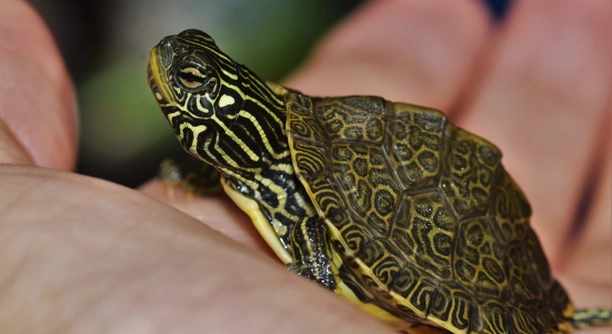
Map turtles are fascinating reptiles, but they can experience stress like any pet. Knowing how to calm a stressed map turtle is important for their health and well-being, ensuring they stay comfortable and happy.
To calm a stressed map turtle, start by addressing its environment, diet, and handling. Reduce noise, bright lights, and provide a proper basking area. Additionally, be gentle during interactions, and ensure the turtle’s habitat meets its needs.
Understanding the best ways to create a calm environment for your map turtle can make a significant difference. In the following steps, we’ll walk you through effective methods to reduce stress and ensure your turtle stays healthy.
Create a Calm Environment for Your Map Turtle
Stress in map turtles often starts with their surroundings. A loud or bright environment can easily overwhelm them, causing anxiety. It’s important to keep their tank in a quiet area where noise levels are low. Additionally, turtles can feel stressed when their habitat is too small or overcrowded. Make sure the tank is spacious enough for them to swim around and explore. Adding plants or hiding spots also gives them a place to feel secure. These small adjustments can help your turtle feel safer and more comfortable.
Turtles also need proper lighting. Too much bright light can cause stress, while too little can make them feel disoriented. The right balance of light, with both UVB and heat lamps, will help your map turtle thrive.
Creating a comfortable environment is key to reducing stress. Ensure that your turtle’s tank has proper filtration to keep the water clean. Dirty water can lead to skin irritation and overall discomfort, which can increase stress. Regular tank maintenance is essential to maintaining a peaceful habitat. Make sure the water is warm enough and that the turtle has access to basking spots to regulate its body temperature. A calm, clean environment promotes health and reduces anxiety.
Proper Diet for a Stress-Free Turtle
A balanced diet plays an important role in your map turtle’s well-being.
Feeding them the right amount of food, including greens, insects, and some commercial turtle pellets, will prevent nutritional stress. Overfeeding or underfeeding can contribute to health issues that cause stress. The proper diet will help your turtle maintain a healthy weight and energy levels, which are key to its overall comfort.
Be Gentle with Handling
Handling your map turtle too often or roughly can lead to stress. Turtles are sensitive creatures, and sudden movements or excessive interaction can make them feel threatened. When you do handle them, make sure to be gentle and calm. Slow movements help prevent startling them, and keeping interactions brief ensures they don’t feel overwhelmed. Never grab or hold your turtle too tightly. Allow it to move freely when out of the tank to avoid causing distress.
Map turtles also appreciate being allowed to move at their own pace. Avoid forcing them into situations they are uncomfortable with, like lifting them too frequently or placing them in unfamiliar spaces. Giving them control over their environment helps them feel safe. If they seem stressed, it’s better to give them space and time to settle.
Handling your turtle with care and respect will help maintain trust. When you need to take them out for cleaning or other purposes, be mindful of their behavior. Some turtles may not enjoy being handled at all, and recognizing these signs will help reduce stress.
Keep Stressful Situations to a Minimum
Map turtles are more prone to stress when they experience sudden changes or disruptions.
Moving the tank frequently or changing their setup drastically can make them uneasy. It’s best to keep the tank in a stable spot and avoid disturbing the setup too much. A sudden change in water temperature or lighting can also stress out your turtle. Keep everything consistent, so they can feel comfortable and safe. If adjustments are necessary, make them gradually.
If there are other pets around, it’s important to monitor their interactions with the turtle. Loud noises or aggressive behavior from other animals can trigger stress responses. Ensure that your turtle’s environment remains quiet and free from external threats. If possible, keep other pets away from the turtle’s tank to prevent unneeded anxiety. This peaceful, secure space will promote better health and happiness for your turtle.
Keep the Tank Clean
A clean tank is essential for your map turtle’s health. Dirty water can quickly become a source of stress. Regularly remove waste, clean the tank, and change the water to keep it fresh. A proper filtration system is important for maintaining water quality. This will reduce the chances of stress-related health issues.
Clean water also ensures that your turtle won’t develop skin problems, which can add to their discomfort. By keeping the tank clean, you make sure your turtle stays healthy and stress-free, enjoying its time in the tank without worry. Regular maintenance is key.
Proper Water Temperature
Map turtles need warm water to feel comfortable.
The water should be kept between 75-80°F (24-27°C). Water that is too cold can cause stress, affecting their digestion and overall health. Invest in a good thermometer to monitor the temperature regularly. If the water is too warm, it can lead to lethargy.
Create a Basking Area
A proper basking area is necessary for your turtle’s well-being.
This allows your map turtle to dry off and regulate its body temperature. Place a flat rock or dock in the tank where your turtle can rest under the basking light. Keep the temperature of the basking area around 90°F (32°C). This space helps your turtle feel safe and comfortable.
FAQ
How can I tell if my map turtle is stressed?
Signs of stress in map turtles include loss of appetite, excessive hiding, and swimming erratically. You may notice them trying to escape the tank or becoming more aggressive. A stressed turtle may also bask more than usual or appear lethargic. If you see any of these signs, it’s essential to evaluate their environment, diet, and handling to identify potential stressors.
What should I do if my map turtle is not eating?
If your map turtle refuses to eat, it could be a sign of stress, illness, or improper conditions. First, check the water temperature, lighting, and cleanliness of the tank. Ensure the food offered is fresh and appropriate for their diet. Try offering a variety of foods, such as leafy greens, insects, and pellets, to encourage eating. If the problem persists, consult a veterinarian experienced with reptiles.
Can loud noises stress my map turtle?
Yes, loud noises can stress your map turtle. These turtles are sensitive to their environment, and consistent loud sounds, such as music or household activities, can cause anxiety. It’s best to keep the tank in a quiet area of your home where your turtle won’t be disturbed by constant noise.
How do I reduce stress when handling my map turtle?
To reduce stress when handling your map turtle, be calm and gentle. Avoid sudden movements, and let the turtle move at its own pace. Don’t hold them for long periods, and always support their body properly to avoid discomfort. If your turtle seems stressed, give it space and avoid unnecessary handling.
Is it normal for my map turtle to hide a lot?
It’s normal for map turtles to hide occasionally, especially if they feel stressed or insecure. However, if hiding becomes excessive, it may indicate environmental problems like poor water quality or incorrect lighting. Ensure your turtle’s habitat is clean, comfortable, and offers enough hiding spots for security.
How often should I clean my map turtle’s tank?
You should clean your map turtle’s tank at least once a week, depending on the size of the tank and the number of turtles. Regularly remove any waste, uneaten food, and debris to prevent the build-up of harmful bacteria. You should also perform a partial water change every week and thoroughly clean the tank once a month.
What temperature should my map turtle’s water be?
The water temperature should be maintained between 75-80°F (24-27°C). Water that is too cold can cause stress, slow metabolism, and digestive issues. On the other hand, water that is too hot can cause lethargy. Use a thermometer to monitor the temperature and make adjustments if necessary.
How can I make my map turtle feel more comfortable in its tank?
To make your map turtle feel comfortable, ensure its tank has enough space for swimming and exploring. Provide hiding spots, such as plants or rocks, for security. Make sure the basking area is easily accessible, and keep the water temperature consistent. A stable environment will help reduce stress.
Is it okay to have other pets with my map turtle?
While it is possible to have other pets around your map turtle, it’s important to monitor their interactions closely. Other pets, such as fish or small mammals, could cause stress by disturbing your turtle or competing for space. Avoid keeping aggressive animals near the tank, and ensure your turtle feels secure in its space.
How long can a map turtle go without food?
Map turtles can go without food for about a week or two without severe consequences, especially if they are healthy. However, prolonged periods without food can lead to malnutrition and stress. If your turtle refuses to eat for more than a few days, it’s important to address potential causes like stress or health issues.
Why is my map turtle swimming in circles?
Swimming in circles is often a sign of stress or boredom in map turtles. It could be due to an inadequate tank size, improper water conditions, or lack of stimulation. Ensure your turtle has enough space to swim freely and try adding enrichment, like floating objects or plants, to reduce boredom.
How can I help my map turtle relax?
To help your map turtle relax, focus on creating a stable, comfortable environment. This includes keeping the tank clean, providing proper lighting, and ensuring the water temperature is ideal. Minimize handling and avoid loud or sudden noises. Your turtle will be more likely to relax if its needs are met and its habitat is peaceful.
What should I do if my map turtle is acting aggressive?
Aggression in map turtles can be a sign of stress, territorial behavior, or discomfort. If your turtle is acting aggressively, check its tank setup for any issues, like cramped spaces or improper temperatures. Ensure there are no stressors, such as other pets or loud environments, and provide plenty of hiding spots for security.
How do I know if my map turtle is sick?
Common signs that your map turtle may be sick include loss of appetite, swollen eyes, or unusual lethargy. You may also notice skin discoloration or unusual behavior, such as floating oddly or having difficulty swimming. If you suspect your turtle is ill, it’s important to take it to a vet specializing in reptiles for a proper diagnosis.
Final Thoughts
Caring for a stressed map turtle requires attention to detail and a calm approach. By focusing on the right environment, handling, and diet, you can help your turtle feel more comfortable and reduce stress. It’s important to ensure that their habitat is clean, quiet, and spacious. Having the right lighting, proper water temperature, and a comfortable basking area will go a long way in promoting their well-being. Regular tank maintenance is key, as dirty water or poor water quality can contribute to stress. Keeping the environment stable helps the turtle feel secure and reduces anxiety.
Additionally, be mindful of how often you handle your map turtle. Excessive handling can cause unnecessary stress, so it’s best to interact with your turtle only when necessary. If you notice signs of stress, like erratic swimming or refusal to eat, it’s important to look at factors like water quality, tank size, or noise levels in the room. Gradually changing any factors causing stress can help your turtle adjust. Being observant and patient can help you recognize and resolve any issues that may arise, creating a calmer environment for your turtle.
In the end, map turtles, like all pets, thrive in a stable and caring environment. By offering a suitable home, a proper diet, and gentle handling, you can ensure that your map turtle remains healthy and happy. When you address the factors that may cause stress, you’ll help your turtle feel secure in its space, leading to a more relaxed and content pet. The more you care for your turtle’s physical and emotional needs, the better its quality of life will be. With time, you’ll likely see your map turtle living a happy, stress-free life.

Hello,
If you enjoy the content that we create, please consider saying a "Thank You!" by leaving a tip.
Every little bit helps us continue crafting quality advice that supports the health, happiness, and well-being of pets around the world, for pets of all shapes, sizes, and species.
We really appreciate the kindness and support that you show us!