
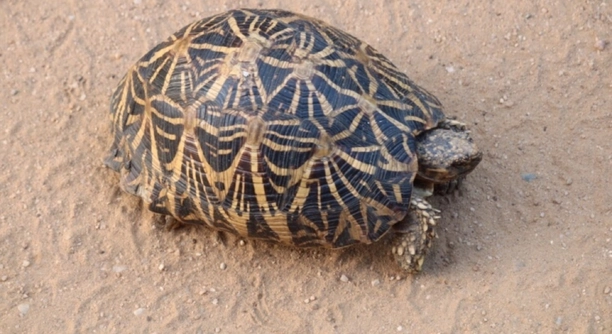
Creating a safe outdoor habitat for Indian Star Tortoises is essential for their well-being. These tortoises enjoy a balanced environment, making it important to understand the key factors in their care. With a few simple steps, you can provide the ideal space.
The best way to create a safe outdoor habitat for Indian Star Tortoises is by providing adequate space, temperature control, shelter, and proper substrate. A secure, escape-proof enclosure with access to natural sunlight will help maintain their health and happiness.
By understanding these essential aspects, you’ll create a thriving environment for your tortoise to live in comfortably.
Enclosure Size and Security
The size of your tortoise’s enclosure plays a major role in its safety and health. Indian Star Tortoises need plenty of space to roam. A minimum of 8×4 feet is ideal for a single tortoise. Ensure the enclosure is secure with high walls, as these tortoises are known to escape. You can use wood or mesh to build the walls, but they should be sturdy enough to prevent any potential breakouts. Adding a roof or overhead cover can also help keep them safe from predators, such as birds or neighborhood animals.
A proper enclosure is essential for their well-being. Keeping your tortoise safe within its environment will give it the space it needs to thrive.
Always check for gaps and holes in the fence or walls. These can easily be overlooked but might be enough for a determined tortoise to find a way out. Regularly inspect the enclosure and fix any damage promptly. With the right setup, your tortoise will enjoy a safe and happy life.
Temperature and Humidity
Temperature and humidity are key to a healthy environment. Indian Star Tortoises thrive in warm temperatures, ideally between 80°F and 90°F during the day, and slightly cooler at night. You can achieve this by providing a basking spot using a heat lamp. The tortoises also need a cool area for resting. A gradient setup with both warm and cool zones allows them to regulate their body temperature naturally. Proper humidity is equally important; around 50-60% is ideal. Keep the substrate slightly damp, but not soggy, to maintain these levels.
Maintaining a comfortable temperature and humidity range will ensure your tortoise stays active and healthy. It also helps in digestion and overall well-being.
Substrate Choice
The right substrate is essential for your tortoise’s comfort and health. Use materials like coconut coir, cypress mulch, or sand, which allow for proper moisture control. Avoid cedar or pine wood shavings, as they can release harmful oils. The substrate should be deep enough for digging, as tortoises enjoy burrowing.
A good substrate provides the right balance of moisture and dryness, allowing your tortoise to regulate its body temperature while also aiding digestion. Layer the material at least 2-3 inches deep. Be sure to spot-clean daily, removing any waste or soiled areas to maintain a clean habitat. This promotes a healthier environment for your tortoise to thrive in.
Make sure to adjust the substrate’s moisture depending on the humidity needs of your tortoise. Keeping it just slightly damp helps maintain the required humidity levels. Be cautious not to let it become too wet, as it could lead to mold growth or other health issues.
Shelter and Hiding Spots
Shelter and hiding spots are necessary for Indian Star Tortoises to feel safe and secure. Offer a place where they can retreat from the heat or rest during the night. This can be a simple box, a log, or even a commercial tortoise shelter.
The hiding spots should be placed in cooler areas of the enclosure, allowing the tortoise to escape the heat when it needs to. Make sure these shelters are large enough for the tortoise to move around comfortably, but not so large that they feel exposed. You want them to feel safe and enclosed.
Tortoises are naturally shy and enjoy having their own space. Providing a few different hiding spots within the enclosure gives them options and encourages natural behaviors. This is especially important during the nighttime when they retreat into their shelter to rest undisturbed.
Sunlight and UVB Light
Indian Star Tortoises require ample access to natural sunlight. Sunlight helps them synthesize Vitamin D3, which is vital for strong bones and shell development. Ensure your tortoise has a spot to bask in direct sunlight for several hours a day.
If natural sunlight isn’t available, use a UVB light bulb to mimic the sun’s rays. Place the light over the basking area to ensure the tortoise receives adequate UVB exposure. These lights should be replaced every 6-12 months, as their effectiveness diminishes over time.
Regular exposure to UVB light helps maintain the tortoise’s overall health. Without it, they could develop metabolic bone disease or other health issues related to Vitamin D3 deficiency.
Water Source
Providing fresh water is essential for your tortoise. A shallow, sturdy dish placed in the enclosure will give them easy access. Make sure the water is changed regularly to keep it clean and free of contaminants.
Indian Star Tortoises may not drink a lot of water, but they still need it for hydration and proper digestion. Ensure that the water dish is large enough for them to soak their legs if needed. Avoid deep water dishes that could pose a drowning risk.
FAQ
How often should I feed my Indian Star Tortoise?
Indian Star Tortoises need to be fed regularly, typically once a day. Their diet mainly consists of leafy greens, grasses, and some vegetables. Offering food daily helps maintain their energy and promotes healthy growth. Avoid overfeeding, as tortoises are prone to obesity. Keep the portions manageable and ensure variety in their diet to provide all necessary nutrients.
What temperature should I keep for my Indian Star Tortoise?
Maintain the daytime temperature between 80°F and 90°F, with a basking spot reaching up to 95°F. Nighttime temperatures can drop to around 70°F. This temperature range helps regulate their body heat and ensures they stay active. Use heat lamps or ceramic heat emitters to maintain warmth, especially during cooler months.
Can I keep multiple Indian Star Tortoises together?
Yes, you can keep more than one tortoise, but it’s important to monitor their interactions. Males can be territorial and may fight over space, so it’s better to house them separately. If you decide to keep them together, ensure the enclosure is large enough to prevent stress and allow for sufficient personal space.
How much water does my tortoise need?
Indian Star Tortoises don’t drink a lot of water, but they still need fresh water available at all times. A shallow dish will suffice, and they may soak in it occasionally. Change the water regularly to keep it clean and free of debris. Keep the water dish low enough to prevent accidental drowning.
Can I let my Indian Star Tortoise roam free in my garden?
While it’s tempting to let your tortoise roam free, it’s better to supervise them outdoors. Indian Star Tortoises are good at finding escape routes, and they may be vulnerable to predators. Set up a secure, enclosed area in your garden, so they can enjoy the outdoors safely. Make sure the enclosure has appropriate hiding spots and protection from the elements.
What kind of substrate should I use?
Use substrates like coconut coir, cypress mulch, or organic topsoil. These materials help maintain humidity and are comfortable for digging. Avoid sand or cedar chips, as they can cause health issues. Layer the substrate to about 2-3 inches deep for the best environment. Regularly clean and replace the substrate to keep the enclosure hygienic.
How can I tell if my tortoise is healthy?
Look for clear eyes, a smooth, hard shell, and consistent movement. Healthy tortoises are active during the day, eating and walking around. If your tortoise is lethargic, has runny eyes, or shows signs of shell deformities, it could be a sign of illness. A visit to a vet who specializes in reptiles can help assess your tortoise’s health.
What should I do if my tortoise isn’t eating?
If your tortoise refuses food, check the enclosure temperature and humidity. A stressed tortoise might stop eating, so ensure its environment is comfortable. Offering a variety of fresh, leafy greens can sometimes entice them to eat. If the problem persists, consult with a reptile vet to rule out any underlying health issues.
Do Indian Star Tortoises need a lot of space?
Yes, Indian Star Tortoises need plenty of space to roam. The minimum recommended size for a single tortoise enclosure is 8×4 feet. This gives them room to explore, bask, and dig. If you’re keeping multiple tortoises, the enclosure size should be increased to allow for enough space and reduce territorial disputes.
Are Indian Star Tortoises good pets for beginners?
Indian Star Tortoises are generally easy to care for, but they do have specific habitat needs that must be met. If you’re a beginner, it’s important to do thorough research before adopting one. Their enclosure must be large, secure, and carefully monitored for temperature, humidity, and lighting. Regular feeding and cleaning are essential, and providing proper veterinary care will ensure they live a long, healthy life.
Can I handle my Indian Star Tortoise?
Yes, you can handle your Indian Star Tortoise, but it’s important to do so gently. Tortoises are not social animals and can become stressed with too much handling. Keep interactions short and avoid grabbing them by the shell. Allow your tortoise to approach you on its own terms, ensuring it feels safe and secure.
Final Thoughts
Creating a safe and comfortable habitat for your Indian Star Tortoise is essential for its well-being. From ensuring the right temperature and lighting to providing a proper diet and water source, every aspect of the environment plays a role in keeping your tortoise healthy. These tortoises are low-maintenance pets, but they require a dedicated space where they can thrive. With the right setup, you can provide your tortoise with the conditions it needs to live a long and healthy life.
Keeping an Indian Star Tortoise comes with the responsibility of maintaining their habitat regularly. This includes monitoring the temperature and humidity, cleaning their enclosure, and providing fresh food and water. It’s also important to keep an eye on their health, as early detection of issues can prevent more serious problems later. Regular vet check-ups are recommended to make sure your tortoise is in good health. By paying attention to their needs, you help ensure they are happy and comfortable in their home.
Whether you choose to keep one or several tortoises, it’s important to create an environment that suits their natural behavior. Indian Star Tortoises enjoy being active, so they should have plenty of space to roam and explore. Providing hiding spots, basking areas, and safe outdoor spaces will help enrich their lives. With a bit of effort and care, your tortoise can flourish in a habitat designed to meet all its needs.

Hello,
If you enjoy the content that we create, please consider saying a "Thank You!" by leaving a tip.
Every little bit helps us continue crafting quality advice that supports the health, happiness, and well-being of pets around the world, for pets of all shapes, sizes, and species.
We really appreciate the kindness and support that you show us!