
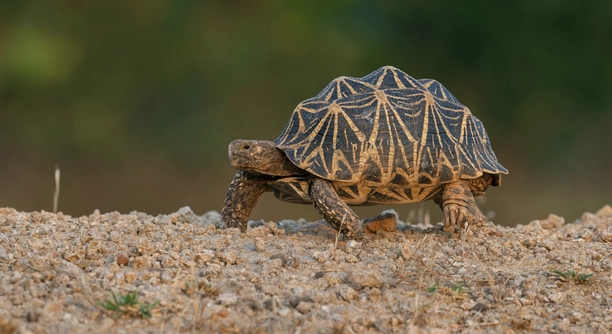
Indian Star Tortoises are fascinating creatures, admired for their unique shell patterns and calm nature. To keep these beloved reptiles healthy, a proper diet is key. Certain foods can significantly support their shell health and overall well-being.
There are specific foods that can enhance the health of an Indian Star Tortoise’s shell, such as leafy greens, fruits, and certain vegetables. These foods provide essential vitamins, minerals, and hydration, which are vital for strong, healthy shells and general vitality.
By focusing on these foods, you can help promote better shell condition for your tortoise. Understanding which foods benefit their health can contribute to a long and thriving life for your pet.
Leafy Greens for Shell Strength
Leafy greens are among the best foods for enhancing an Indian Star Tortoise’s shell health. These vegetables are rich in calcium, which is essential for maintaining strong, healthy shells. Greens like dandelion leaves, collard greens, and mustard greens provide not only calcium but also other important nutrients, including vitamins A and C. These nutrients support overall health and immune function. A well-balanced diet of leafy greens helps to maintain proper shell growth and prevent deformities, contributing to your tortoise’s long-term well-being. Offering a variety of greens can keep your tortoise interested in their meals while reaping the nutritional benefits.
It’s important to remember that while leafy greens are beneficial, overfeeding them can lead to digestive issues. To keep a healthy balance, alternate between different greens and monitor your tortoise’s overall health closely.
When feeding your tortoise leafy greens, ensure they are pesticide-free and thoroughly washed. Pesticides can harm your pet, so purchasing organic greens is a safer option. A consistent supply of these greens will support shell health and provide necessary hydration.
Fruits for Extra Nutrients
Fruits are an excellent addition to an Indian Star Tortoise’s diet. These provide vitamins, hydration, and antioxidants.
Fruits like papaya, mango, and watermelon can give your tortoise a refreshing, nutrient-rich snack. These fruits support hydration and contain essential vitamins that contribute to shell and overall health.
Vegetables for a Balanced Diet
Vegetables are essential for a tortoise’s well-rounded diet. They offer various nutrients that support shell health.
Dark leafy vegetables like kale and bok choy provide a good balance of vitamins and minerals. They are rich in fiber, which aids digestion, and they help maintain the strength of the tortoise’s shell. Squash and carrots can also be beneficial, as they contain vitamin A, which supports tissue health and immune function. Offering a variety of vegetables ensures your tortoise receives a broad spectrum of nutrients.
Avoid feeding your tortoise vegetables high in oxalates, like spinach, which can interfere with calcium absorption. Stick to safer options to ensure your tortoise is absorbing all the nutrients needed for a healthy shell.
Flowers for Shell Enhancement
Edible flowers are a great addition to an Indian Star Tortoise’s diet. They are not only visually appealing but also packed with nutrients.
Flowers like hibiscus, dandelions, and nasturtiums are rich in antioxidants, which help to support immune health and prevent damage to the shell. They also provide a source of calcium, important for strengthening the shell and supporting growth. Flowers can be served fresh or dried, adding variety and excitement to your tortoise’s meals. When introducing flowers into their diet, always ensure they are pesticide-free and safe for consumption.
Incorporating a mix of flowers, along with other greens, can improve your tortoise’s overall health. Just be cautious about where the flowers are sourced to avoid harmful chemicals. These colorful additions can brighten up your tortoise’s meal while offering valuable nutrients.
Grasses for Natural Nutrition
Grasses are an essential part of a tortoise’s diet, providing fiber that aids digestion and supports overall health.
Dandelion greens and timothy hay are great examples of grass-based foods. They are high in calcium and low in phosphorous, which is important for shell development. These grasses also keep your tortoise’s digestive system working smoothly.
Timothy hay is also a good source of roughage, which helps in preventing constipation and encourages healthy eating habits.
Seeds for Nutrient Boost
Seeds like pumpkin seeds and sunflower seeds can give your tortoise an extra nutritional boost.
These seeds provide beneficial fats and proteins that support growth and shell health. They also contain essential fatty acids, which help improve the appearance of your tortoise’s shell and skin. However, seeds should only be offered occasionally to avoid overfeeding.
FAQ
What foods should I avoid feeding my Indian Star Tortoise?
Avoid feeding your tortoise foods high in oxalates, such as spinach, as they can interfere with calcium absorption. Also, avoid feeding them iceberg lettuce, as it offers little nutritional value and can cause digestive issues. Foods high in fat or sugar, like bananas and grapes, should be given sparingly. Processed foods or any food not specifically intended for tortoises should be completely avoided, as they can harm their health over time.
How often should I feed my Indian Star Tortoise?
Your tortoise should be fed daily, but the amount depends on its age and size. For younger tortoises, feed them every day, offering enough food to last a few hours. Adult tortoises typically require food every other day or every third day. Ensure they have access to fresh water at all times, as hydration is essential for their health and shell development. Overfeeding can lead to obesity and health complications, so it’s important to stick to appropriate portion sizes.
Can I feed my Indian Star Tortoise fruits every day?
While fruits are a nutritious snack, they should not make up the majority of your tortoise’s diet. Offering fruits such as papaya, watermelon, and berries once or twice a week is enough. These provide vitamins and antioxidants but are also high in sugar, which, when consumed excessively, can affect digestion and cause weight gain. Always balance fruit intake with leafy greens and vegetables for optimal health.
Are commercial tortoise pellets a good addition to their diet?
Commercial tortoise pellets can be a convenient supplement but should not be the main part of their diet. High-quality pellets that are specifically designed for Indian Star Tortoises may offer a balanced nutrient profile. However, they should only be used alongside fresh vegetables, fruits, and grasses. It’s important to read the ingredients and avoid pellets with artificial additives or fillers. When using pellets, ensure they’re soaked in water to prevent any choking hazards or digestive issues.
Can my Indian Star Tortoise eat cactus pads?
Yes, cactus pads, specifically from the prickly pear cactus, are safe for your Indian Star Tortoise. Cactus pads are a good source of hydration and fiber. They also provide essential nutrients like calcium and magnesium. Make sure the pads are peeled and free of spines before offering them to your tortoise. Cactus pads can be offered once or twice a week to provide variety and keep your tortoise’s diet interesting.
How do I ensure my Indian Star Tortoise’s shell stays healthy?
A balanced diet with plenty of calcium-rich foods, such as leafy greens and flowers, is essential for maintaining a strong and healthy shell. Exposure to natural sunlight or UVB light is also crucial for shell development, as UVB rays help synthesize vitamin D3, which is necessary for calcium absorption. Avoid feeding excessive amounts of phosphorus, as it can negatively affect calcium balance. Regular hydration and a clean environment also contribute to shell health by preventing infections and ensuring proper digestion.
What is the best type of substrate for my Indian Star Tortoise’s enclosure?
The substrate should mimic the tortoise’s natural habitat, offering both comfort and ease of maintenance. A mix of coconut coir, cypress mulch, and organic soil is a good option for providing a natural, soft surface. Ensure that the substrate is deep enough to allow your tortoise to burrow. Avoid using sand or gravel, as these can cause digestive problems if ingested. The substrate should also be kept clean and dry to prevent bacterial growth and infections.
Can my Indian Star Tortoise eat grass hay?
Yes, grass hay such as timothy hay is an excellent addition to your tortoise’s diet. Hay is high in fiber, which helps with digestion and keeps their digestive system working properly. Timothy hay, in particular, is low in protein and calcium, making it a great option to feed your tortoise regularly. Offering hay can also provide mental stimulation and encourage natural foraging behavior.
What are the signs that my Indian Star Tortoise is not eating properly?
If your tortoise is not eating properly, it could be a sign of stress, illness, or an improper diet. Look for signs like weight loss, lethargy, or changes in behavior, such as hiding more than usual. A lack of appetite, especially if it persists for a few days, should prompt a visit to the vet. Ensure that the diet provided is varied, fresh, and free from harmful foods. Temperature and humidity levels in their enclosure should also be optimal to encourage healthy eating habits.
Is it okay to feed my Indian Star Tortoise dairy products?
No, dairy products should never be fed to your Indian Star Tortoise. Tortoises are lactose intolerant, and consuming dairy can cause digestive issues and lead to discomfort or illness. Stick to plant-based foods such as vegetables, fruits, and grasses. Offering a variety of these foods ensures your tortoise gets all the necessary nutrients to thrive without the risks associated with dairy products.
Final Thoughts
Providing the right food and environment for your Indian Star Tortoise is essential for its overall health and well-being. A well-balanced diet, including a variety of leafy greens, grasses, and occasional fruits and seeds, can help your tortoise thrive. Foods rich in fiber and calcium, such as dandelion greens, timothy hay, and certain flowers, support healthy digestion and strong shell growth. It’s also important to avoid harmful foods, like spinach and iceberg lettuce, which can disrupt the balance of nutrients in your tortoise’s diet.
In addition to food, providing the proper habitat and exposure to sunlight is equally crucial. Your tortoise’s enclosure should be spacious, with the right substrate for burrowing, and kept clean and dry. Access to natural sunlight or UVB lighting will help your tortoise synthesize vitamin D3, which is necessary for calcium absorption. Regular hydration, a temperature-controlled environment, and daily monitoring of their health will also ensure that your tortoise remains healthy and active.
By following these guidelines, you’ll be able to provide a safe and supportive environment for your Indian Star Tortoise. Understanding the balance of nutrients, the right foods, and environmental factors will help prevent health issues and encourage a long, healthy life. Each tortoise is different, so it’s important to pay attention to their specific needs and make adjustments as necessary. With proper care, your tortoise can live a happy, healthy life, and enjoy all the benefits that come with a well-maintained diet and habitat.

Hello,
If you enjoy the content that we create, please consider saying a "Thank You!" by leaving a tip.
Every little bit helps us continue crafting quality advice that supports the health, happiness, and well-being of pets around the world, for pets of all shapes, sizes, and species.
We really appreciate the kindness and support that you show us!